How to Make a Homemade Composite Bow in Your Garage
Making a homemade composite bow is an achievable project for beginners. You’ll learn to combine wood and fiberglass to create a durable, functional bow. This guide provides simple, step-by-step instructions, essential materials, and safety tips to get you shooting confidently.
Welcome, fellow archery enthusiasts! Are you fascinated by the art of archery and dreaming of crafting your very own bow? Perhaps you’ve seen traditional bows and wondered if you could build one yourself. The good news is, with a little patience and the right guidance, you absolutely can!
Creating a homemade composite bow might sound complex, but it breaks down into straightforward steps. We’ll walk through everything you need to know, from gathering your materials to the final touches. Get ready to feel the satisfaction of shooting an arrow from a bow you built with your own hands. Let’s get started on this exciting journey!
Why Make Your Own Composite Bow?
There are many reasons why a beginner or hobbyist might choose to make a homemade composite bow. It’s a fantastic way to understand how bows work at a fundamental level. Plus, building your own can be incredibly rewarding and often more budget-friendly than buying a new one, especially when you’re just starting out and want to experiment.
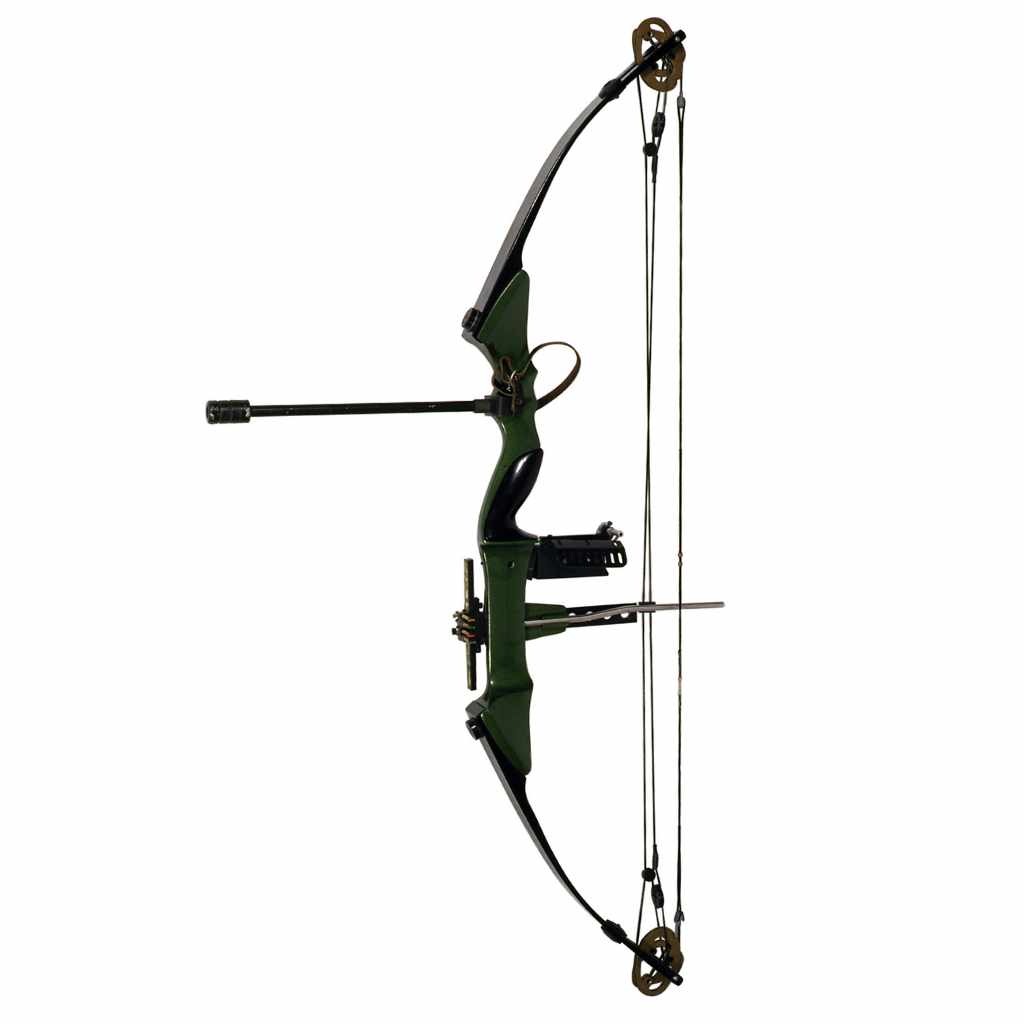
A composite bow, in this context, refers to a bow made from multiple materials combined to achieve desirable properties like power, flexibility, and durability. Traditionally, this meant wood with animal sinew or horn. Today, we often use wood combined with modern materials like fiberglass for a similar effect, creating a bow that’s both effective and manageable for a home builder.
It offers a unique connection to the craft of archery. You’re not just a shooter; you become a maker. This process deepens your appreciation for the skill involved and the physics behind each shot. It’s a hands-on learning experience that’s hard to beat.
Essential Materials and Tools
Before we dive into the building process, let’s gather everything you’ll need. Having all your supplies ready makes the building process much smoother and more enjoyable. Think of this as your archery toolkit. We’ll focus on materials for a simple, effective design.
Materials Needed:
- Wood for the Riser: A sturdy hardwood like oak, maple, or walnut is ideal. You’ll need a piece roughly 18-24 inches long, 2 inches wide, and 1 inch thick. This is the handle part of your bow.
- Wood for the Limbs: For the main part of the limbs, you can use a strong, slightly flexible wood like hickory or ash. You’ll need two pieces, each about 28-30 inches long, 1.5 inches wide, and 0.5 inches thick at the base, tapering towards the ends.
- Fiberglass Strips: These are crucial for adding strength and tiller to your bow. You can often find these at archery supply shops or online. You’ll need two strips, about 30-32 inches long, 1 inch wide, and around 1/16 inch thick.
- Strong Adhesive: A high-strength epoxy or wood glue suitable for outdoor use is essential. Ensure it can bond wood and fiberglass effectively.
- Bowstring Material: Dacron B-50 is a common and reliable choice for bowstrings. You’ll need enough to make a string, typically around 4-5 feet.
- Wood Finish: A waterproof sealant like polyurethane or tung oil to protect your bow from moisture.
- Sandpaper: Various grits, from coarse (60-80) to fine (220-400), for smoothing.
Tools Required:
- Saw: A handsaw, jigsaw, or band saw to cut wood to shape.
- Clamps: Several sturdy clamps to hold pieces together while the glue dries.
- Sander: A belt sander, orbital sander, or sanding blocks for shaping and smoothing.
- Measuring Tape and Pencil: For accurate marking and cutting.
- Drill and Drill Bits: To create the string nocks.
- Rasp or File: For detailed shaping and refining edges.
- Bow Square (Optional but Recommended): Helps ensure the bow limbs are straight and evenly tillered.
- Serving Jig (for Bowstring): A simple tool to wrap the string ends.
- Safety Glasses: Always protect your eyes!
- Work Gloves: To protect your hands.
Step-by-Step Guide to Building Your Composite Bow
Now comes the exciting part – building! We’ll take this step-by-step. Remember to work carefully and take your time. Accuracy and patience are your best friends here.
Step 1: Preparing the Riser
The riser is the handle of your bow. It needs to be comfortable to hold and strong.
- Take your chosen hardwood piece for the riser.
- Design a comfortable grip. You can draw an outline on the wood. A common shape is wider at the top and bottom, narrowing in the middle for your hand.
- Carefully cut out the riser shape using your saw.
- Use a rasp, file, or sander to smooth out any rough edges and shape the grip to fit your hand comfortably.
- If desired, you can drill a hole in the riser for a sight if you plan to add one later.
Step 2: Shaping the Limbs
The limbs are the flexible arms of the bow that store and release energy.
- Take your two pieces of wood for the limbs.
- You want them to be relatively flat and straight.
- Carefully taper each limb from a wider base (where it attaches to the riser) to a narrower tip. This taper helps the limb bend evenly.
- Sand the limbs smooth. Make sure they are of equal thickness and taper. Use your measuring tape to check.
Step 3: Attaching the Limbs to the Riser
This is where your bow starts coming together.
- You’ll need to create a way for the limbs to attach securely to the riser. A simple method is to cut a shallow, angled notch into the ends of the riser where the limbs will sit. This gives them a surface to glue against.
- Alternatively, you can create a “mortise and tenon” style joint if you’re comfortable with woodworking.
- Position the limbs onto the riser. Ensure they are symmetrical – the same angle and distance from the center.
- Apply a generous amount of strong adhesive to the joining surfaces.
- Firmly clamp the limbs to the riser. Use more clamps than you think you need to ensure a strong bond.
- Let the glue cure completely according to the manufacturer’s instructions. This might take 24 hours or more.
Step 4: Adding the Fiberglass Backing
This is a key step for a composite bow, adding strength and resilience.
- Once the riser glue is fully cured, prepare to attach the fiberglass.
- Clean the back surface of each limb thoroughly. It should be free of dust and oil for the adhesive to bond properly.
- Apply your strong adhesive evenly along the back of one limb.
- Carefully lay a fiberglass strip onto the adhesive. Press firmly to ensure good contact and remove air bubbles.
- Repeat for the other limb.
- Clamp the fiberglass strips securely onto the limbs. You might need specialized clamps or weights to apply even pressure along the entire length.
- Allow the adhesive to cure fully. This is critical for the bow’s durability.
Step 5: Shaping and Tillering the Limbs
Tillering is the art of making the limbs bend evenly. This is vital for a smooth shot and the longevity of your bow.
- After the fiberglass glue has cured, remove the clamps.
- The goal is to have both limbs bend in a smooth, even arc. If one limb bends more than the other, it will be weak and likely to break.
- You can start by gently sanding or filing down the belly (the side facing you when shooting) of the stiff limb. Remove small amounts of material at a time.
- You can check tillering by carefully flexing the bow. As you gently pull it back, observe how the limbs bend. A bow tiller stick or a specialized tillering jig is very helpful here, as it allows you to bend the bow to a consistent draw length and check for even curvature. Understanding bow tillering jigs can provide deeper insight.
- Continue to remove material from the stiffer areas until both limbs bend in a mirror-image arc. Be patient; this step requires a delicate touch. Never bend the bow past its intended draw weight or length.
Step 6: Cutting String Nocks
These are small grooves at the tips of the limbs where the bowstring will attach.
- On the tips of each limb, carefully cut a shallow groove. This groove should be angled slightly away from the back of the bow and towards the belly.
- Make sure the groove is smooth and deep enough to hold the string securely but not so deep that it weakens the limb tip.
- You can use a small saw, a sharp knife, or a drill to create these nocks.
- Sand the edges of the nocks smooth.
Step 7: Making and Installing the Bowstring
The bowstring is what propels the arrow.
- Using your bowstring material (e.g., Dacron B-50), create a Flemish twist string or a simple loop string. A Flemish twist is more traditional and stronger. You can find many tutorials online for making your own bowstring. Making a Flemish twist bowstring is a skill in itself!
- The string should be the correct length to create the desired brace height (the distance from the grip to the string when the bow is unstrung). A good starting point for brace height is often around 6-7 inches.
- Once your string is made, place one loop over the top nock and the other over the bottom nock.
- When braced (string on), the string should create tension. The bow is now ready to be carefully drawn.
Step 8: Finishing and Sealing
Protecting your bow is the final crucial step.
- Once you are satisfied with the tiller and everything is dry and secure, it’s time to finish the bow.
- Sand the entire bow smooth, working through progressively finer grits of sandpaper.
- Wipe away all dust.
- Apply your chosen waterproof sealant (polyurethane, tung oil, etc.). Apply multiple thin coats, allowing each to dry completely and sanding lightly between coats. This protects the wood from moisture, which can warp or damage your bow.
Table: Material Properties Comparison
Here’s a quick look at how different woods perform in bow making. This can help if you’re choosing materials for future projects.
| Wood Type | Flexibility | Strength | Durability | Ease of Working |
|---|---|---|---|---|
| Oak | Moderate | Good | Good | Moderate |
| Maple | Good | Very Good | Very Good | Good |
| Ash | Very Good | Good | Good | Good |
| Hickory | Excellent | Good | Good | Moderate |
| Walnut | Good | Very Good | Very Good | Excellent |
Safety First! Archery and Bow Building Precautions
Building and using a bow involves potential risks. Safety should always be your top priority. Let’s make sure you’re aware of the key precautions.
- Always Wear Safety Glasses: This is non-negotiable when cutting, sanding, gluing, or tillering. Wood splinters or small tools can cause serious eye injuries.
- Work in a Well-Ventilated Area: Especially when using adhesives and finishes, ensure good airflow to avoid inhaling fumes.
- Handle Tools with Care: Saws, knives, and drills are sharp. Always cut away from yourself and keep your fingers clear of blades. Use appropriate guards on power tools.
- Never Dry Fire the Bow: This means drawing and releasing the string without an arrow nocked. It puts extreme stress on the limbs and can cause them to break, which is dangerous.
- Tiller Carefully: Over-stressing or unevenly stressing the limbs is the most common way to break a bow during building. Go slowly and check your tiller frequently.
- Choose a Safe Shooting Range: When you’re ready to shoot, find a location with a safe backstop (like a large earth bank) and ensure nobody is in front of or behind your target. Never shoot towards people or animals. Archery organizations like USA Archery provide comprehensive safety guidelines.
- Inspect Your Bow Regularly: Before each shooting session, check the limbs, riser, and string for any signs of damage, cracks, or wear.
Troubleshooting Common Issues
Even with the best intentions, you might run into a few snags. Here are some common problems and how to fix them:
- Bow is too weak (low draw weight): If your bow isn’t drawing enough weight, you might need to reinforce the limbs with thicker or more fiberglass. Ensure your wood choice is suitable for the desired draw weight.
- Bow is too stiff (high draw weight) or too weak in flexing: This is a tillering issue. You’ll need to carefully remove wood from the stiff side of the limbs. If it’s too weak overall, it might indicate a design flaw or insufficient fiberglass backing.
- Limbs bend unevenly: This is the classic tillering problem. Work on the stiffer limb by carefully removing material from its belly. A bow square can help you see if the limbs are bending symmetrically.
- Glue joints fail: Ensure you used a strong, appropriate adhesive and that the surfaces were clean and properly clamped during curing. If a joint fails, you’ll need to carefully disassemble, clean, and re-glue it.
- String nocks are too shallow or too deep: If too shallow, the string can slip off. If too deep, they can weaken the tips. Adjust by filing or reinforcing with a bit of epoxy and sanding.

FAQ: Frequently Asked Questions
Q1: Is it safe to make and shoot a homemade composite bow?
Yes, it can be safe if you prioritize safety practices during building and shooting. Always wear safety glasses, use tools carefully, never dry fire the bow, and shoot in a controlled environment. Proper tillering is critical to prevent the bow from breaking.
Q2: What is “tillering,” and why is it so important?
Tillering is the process of shaping the bow limbs so they bend evenly and symmetrically. It’s crucial because uneven bending puts stress on certain parts of the limb, which can lead to breakage and a poorly performing bow.
Q3: How can I tell if my bow has the right draw weight?
A bow scale is used to measure draw weight accurately. For a beginner’s bow, something in the 20-30 pound range is usually recommended. You can carefully check the draw weight by flexing the bow to your intended draw length and observing the feel and bend. If you’re unsure, consult with an experienced bowyer.
Q4: What kind of wood should I use for a beginner’s bow?
For the riser, hardwoods like oak, maple, or walnut are good choices. For the limbs, look for woods that are strong and flexible such as ash or hickory. There are many resources online listing suitable woods for bow making.
Q5: How long should my homemade composite bow be?
The overall length of the bow can vary, but a common length for a beginner’s self-bow (a bow made from a single piece of wood or in this case, a simple composite) is around 60-70 inches when unstrung. The limb length will depend on your riser length and desired draw length, typically around 28-30 inches per limb for these dimensions.
Q6: Can I use PVC pipe for a bow?
While some people make functional bows from PVC pipe (often called “P-charts”), this guide focuses on a wood and fiberglass composite for a more traditional and potentially stronger result. PVC bows are a different kind of project with their own methods and limitations.