Would You Carry a Composite Bow Like a Staff? Expert Insights
Carrying a composite bow like a staff: it sounds simple, but there’s more to it than meets the eye. Many archers, hikers, and reenactors wonder if this habit is safe, practical, or even respectful to the bow. The composite bow, known for its strength and flexibility, has been used for centuries across Asia, the Middle East, and Europe. But unlike modern recurve or compound bows, its design creates unique challenges for carrying. This article explores whether you should carry a composite bow like a staff, looking at tradition, practicality, safety, and alternatives. Along the way, you’ll find real examples, expert advice, and insights most beginners miss.
Understanding The Composite Bow
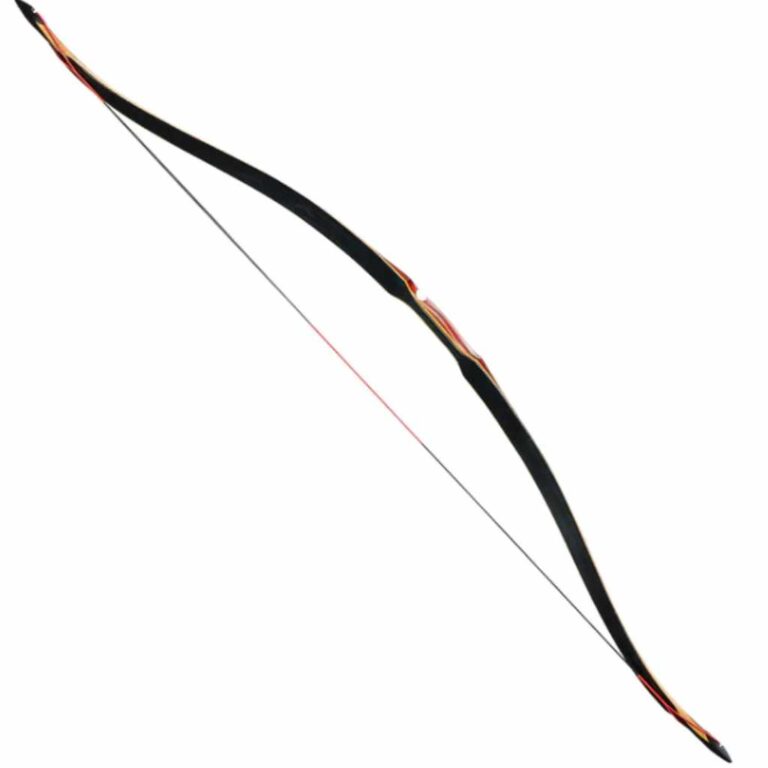
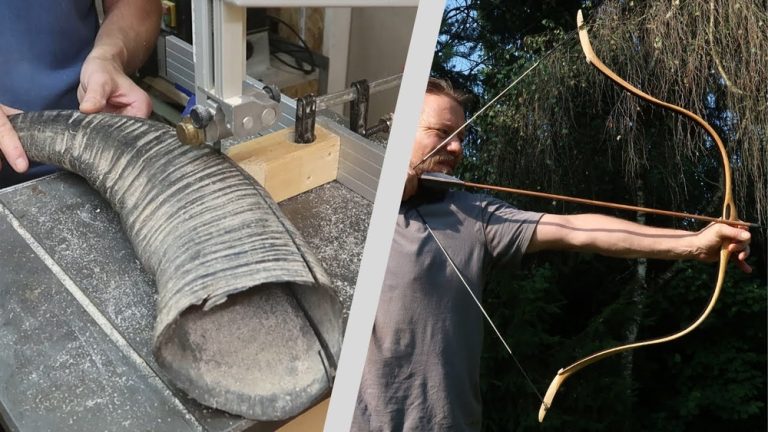
The composite bow is a marvel of ancient engineering. Unlike simple wooden bows, it combines materials such as wood, horn, and sinew. This mix creates a bow that’s strong, flexible, and capable of storing more energy. The result: greater power in a smaller, lighter package.
Composite bows were used by nomadic horse archers, including Mongols, Turks, and Persians. Their compact size made them ideal for quick movement and horseback use. But this design also makes them sensitive to stress and temperature changes. For example, horn and sinew react differently to humidity than wood, sometimes requiring careful handling.
How Composite Bows Are Built
Composite bows are layered. The belly (the side facing the archer) is usually horn, which compresses well. The back (the side facing away) is sinew, which stretches. Wood forms the core. These materials are glued together, sometimes with animal-based adhesives.
| Material | Main Function | Common Source |
|---|---|---|
| Horn | Compression strength | Ox or buffalo |
| Sinew | Tension strength | Deer or cattle |
| Wood | Core structure | Maple, birch, or similar |
This complex layering gives the bow its unique power, but also means it needs careful treatment, especially when carrying.
Carrying A Composite Bow Like A Staff: The Practice
People sometimes carry a composite bow in their hand, using it like a walking stick or staff. At first, this seems convenient. You can keep the bow at your side, ready for use, and your hands are free.
But the question is: should you carry a composite bow this way?
Historical Context
In my experience studying traditional archery, I found that most cultures avoided using their bows as staffs. Mongol and Turkish archers carried bows in cases called gorytus or bow bags. The bow was protected, not used for balance or support.
There are exceptions. Some nomads might have used their bows as temporary supports when crossing rough terrain. But this was not common or recommended. The reason: composite bows are fragile compared to wooden staffs.
Modern Usage
Today, reenactors and hikers sometimes carry bows as staffs, especially if they’re trekking through uneven ground. But this practice can cause problems:
- Stress on the bow limbs
- Risk of cracking or delamination
- Possible damage to the string or nocks
The composite bow is designed for bending in one direction. Using it as a staff means putting weight on it in ways it wasn’t made to handle.
Credit: lancasterarchery.com
Risks And Downsides
Carrying a composite bow like a staff comes with real risks. Let’s look at the main ones.
Structural Damage
The most serious risk is structural damage. Composite bows can crack, split, or delaminate if they’re pressed or twisted incorrectly. Unlike hardwood, horn and sinew layers are glued and vulnerable to shear forces.
Example: If you use the bow to support your weight while climbing, the pressure could separate the layers. Repairing a composite bow is costly and often impossible.
Loss Of Performance
Even minor damage can affect the bow’s performance. A small crack or bend may reduce power, accuracy, or even cause the bow to break when shooting.
Pro Tip: Always inspect your bow after carrying it in rough conditions. Look for small cracks, separation, or loose fittings.
Safety Concerns
If the bow breaks while you’re using it as a staff, it can cause injury. The limbs may snap, sending sharp fragments into your hand or leg.
Respect For Equipment
Traditional archers believe in respecting the bow. Using it as a staff may be seen as careless or disrespectful, especially in cultures where the bow is sacred.
Practical Alternatives
If you need a staff, there are safer options. Here are three practical alternatives for carrying a bow during travel or hiking:
- Bow Case or Bag: Most traditional archers used a case to protect the bow. Modern cases are lightweight and padded. They keep the bow safe from bumps and scratches.
- Dedicated Walking Stick: If you need support, bring a proper walking stick. It can be made of wood, metal, or composite materials and is designed to handle weight.
- Sling or Harness: Some archers use a sling across the back or shoulder. This keeps the bow secure and ready but avoids putting stress on the limbs.
| Carrying Method | Protection Level | Ease of Access | Weight Support |
|---|---|---|---|
| Staff-style (hand-held) | Low | High | Risky |
| Bow case/bag | High | Medium | Safe |
| Sling/harness | Medium | High | Safe |
| Dedicated walking stick | N/A | Separate | Very safe |
When Might Carrying Like A Staff Be Acceptable?
There are rare cases where carrying a composite bow like a staff might be acceptable, but only if you follow strict precautions.
Emergency Situations
If you’re lost or injured and need support to walk, using your bow as a staff may be necessary. But only do this if you have no other option, and try to distribute your weight gently.
Temporary Support (low Weight)
Some archers use their bows for temporary balance, such as crossing a shallow stream or climbing a small hill. If you do this, never put your full weight on the bow. Hold it vertically and avoid twisting.
Older Or Replica Bows
If you’re carrying a replica composite bow (for cosplay or demonstration) that isn’t intended for shooting, the risk is lower. But even then, the habit may teach you bad handling skills for real bows.
Non-obvious Insights: What Beginners Miss
Here are two insights most beginners overlook:
- Composite bows can be affected by humidity and temperature. Carrying them exposed, especially in wet conditions, can weaken the glue holding horn and sinew together. If you use your bow as a staff in the rain, it may soak up moisture and become fragile.
- The grip and balance of a composite bow are not designed for staff use. Unlike walking sticks, bows have uneven surfaces and can slip, causing falls or accidents.
Expert Opinions
Most bowyers and archery experts agree: carrying a composite bow as a staff is risky. According to Adam Karpowicz, a well-known bow maker, composite bows require careful handling to prevent stress and damage. He recommends using a case or sling and never using the bow for support.
For more expert advice and traditional bow history, see Wikipedia’s composite bow article.
Real-life Examples
Let’s look at a couple of real-life examples:
- Reenactment Events: At many historical reenactment events, archers are asked to use bow cases. Event organizers often ban using bows as staffs to prevent damage.
- Hiking with Archery Gear: In my experience hiking with a composite bow, I found that carrying it in a case attached to my pack was safest. I tried using it as a staff once, and the bow became slippery and uncomfortable. I also worried about damaging the tips.

Credit: www.htarchery.com
Comparing Composite Bows To Other Types
How does the composite bow compare to other bows when it comes to carrying?
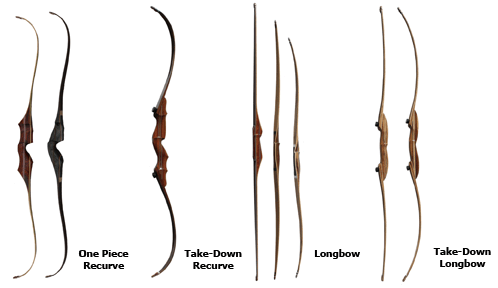
| Bow Type | Carrying as Staff (Risk) | Recommended Method |
|---|---|---|
| Composite Bow | High | Case or sling |
| Longbow | Medium | Hand-carry or case |
| Recurve Bow | Medium | Case or shoulder |
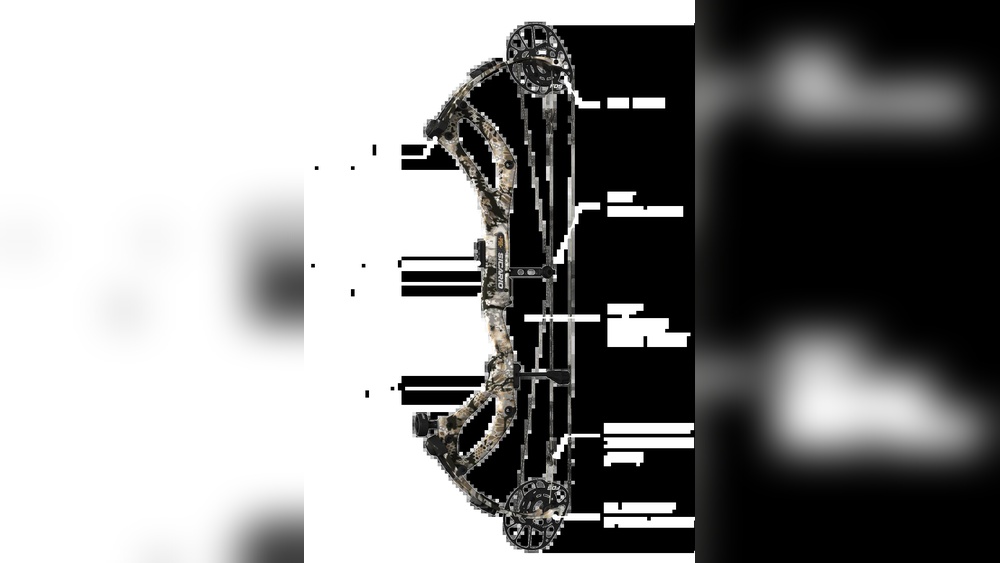
| Compound Bow | Low | Case (rigid) |
Longbows and recurve bows are made mostly of wood and can handle more stress, but even they can be damaged by improper carrying.
Maintenance And Long-term Care
Composite bows need regular care, especially if you travel with them. Here are some maintenance tips:
- Store your bow in a dry, cool place
- Check for cracks or delamination before and after trips
- Apply protective oil or wax if recommended by your bow maker
- Avoid leaving your bow exposed to rain or direct sun
Pro Tip: If your bow gets wet, dry it gently with a soft cloth. Do not use heat or leave it in direct sunlight.
Cultural Respect And Symbolism
Bows are more than just tools, they are symbols in many cultures. In Mongolia, Turkey, and Persia, bows were linked to warriors, royalty, and spiritual rituals. Carrying a bow as a staff may break traditional etiquette.
Some archers believe that the bow must always be treated with respect. Using it as a walking stick is seen as disrespectful, similar to putting a sword on the ground.
Common Mistakes When Carrying A Bow
- Using the bow as a staff when tired: This puts full weight on the limbs and can cause cracks.
- Leaving the bow exposed to weather: Rain, snow, or heat can weaken glue and materials.
- Carrying by the string: Grabbing the string can stretch it, affecting performance.
- Twisting the bow while walking: Twisting stresses the glue and can cause delamination.
Avoid these mistakes to keep your bow in good shape.

Credit: www.htarchery.com
Alternatives For Archers And Hikers
If you want to travel with a composite bow but need extra support, consider these alternatives:
- Lightweight trekking poles: Designed for hiking, they offer support and are easy to carry.
- Collapsible walking sticks: Fold up when not needed.
- Archery gear bags: Some bags have built-in staff pockets for carrying both bow and walking stick.
These options protect your bow and keep you safe.
Frequently Asked Questions
How Can I Carry A Composite Bow Safely During A Hike?
The safest way is to use a bow case or sling. Cases protect the bow from bumps, moisture, and dirt. A sling lets you carry the bow on your back or shoulder without stressing the limbs. Avoid carrying the bow in your hand unless you’re moving short distances over flat ground.
Can I Use A Composite Bow As A Staff If It’s A Replica Or Not For Shooting?
If the bow is a replica and not made for actual shooting, you can use it as a staff, but even replicas can break if stressed. It’s better to bring a proper walking stick. Using a replica may also teach bad habits that could damage real bows.
What Should I Do If My Bow Gets Wet While Carrying?
Dry the bow gently with a soft cloth. Do not use heat or leave it in direct sunlight, as this can cause warping or cracking. Check for signs of glue separation and consult a professional bowyer if you find damage.
Are There Cultures Where Using The Bow As A Staff Is Considered Acceptable?
Most cultures see the bow as a special tool or weapon and avoid using it as a staff. In some nomadic groups, bows may have been used for balance, but this was rare and not recommended. Using the bow as a staff is usually discouraged out of respect and for safety.
What Are Signs That My Composite Bow Is Damaged From Carrying?
Look for cracks along the limbs, separation of layers (delamination), loose fittings, or changes in string tension. If the bow feels weak or bends oddly, stop using it and consult a bowyer. Early detection can prevent serious injury or loss of your bow.
Carrying a composite bow like a staff is tempting for convenience, but it comes with real risks to your equipment and safety. Composite bows are complex and require respect and careful handling. Most experts recommend using dedicated cases, slings, or walking sticks for support.
If you value your bow’s performance and longevity, avoid using it as a staff. Treat your bow as both a tool and a symbol, and it will serve you well for years to come.