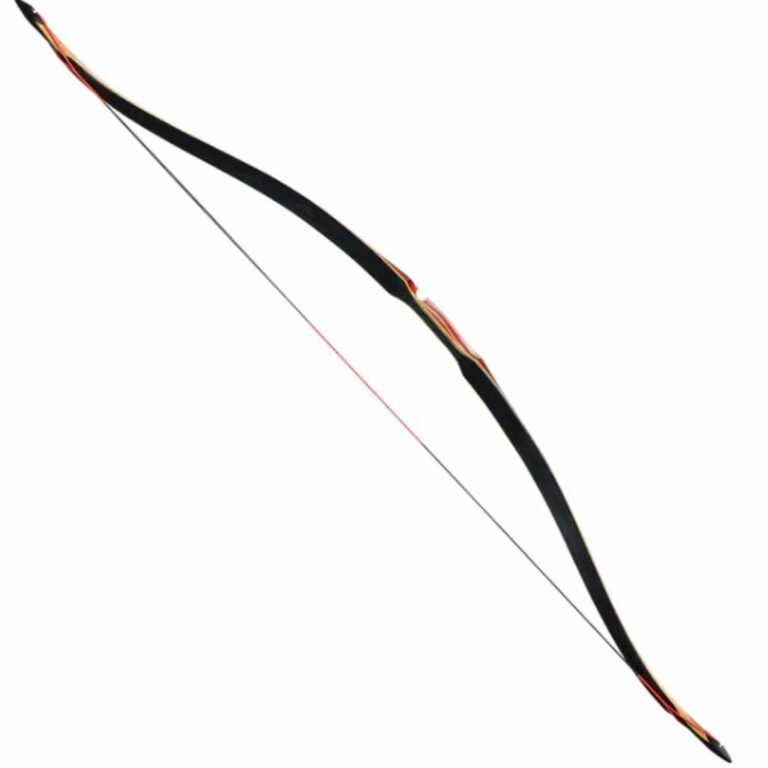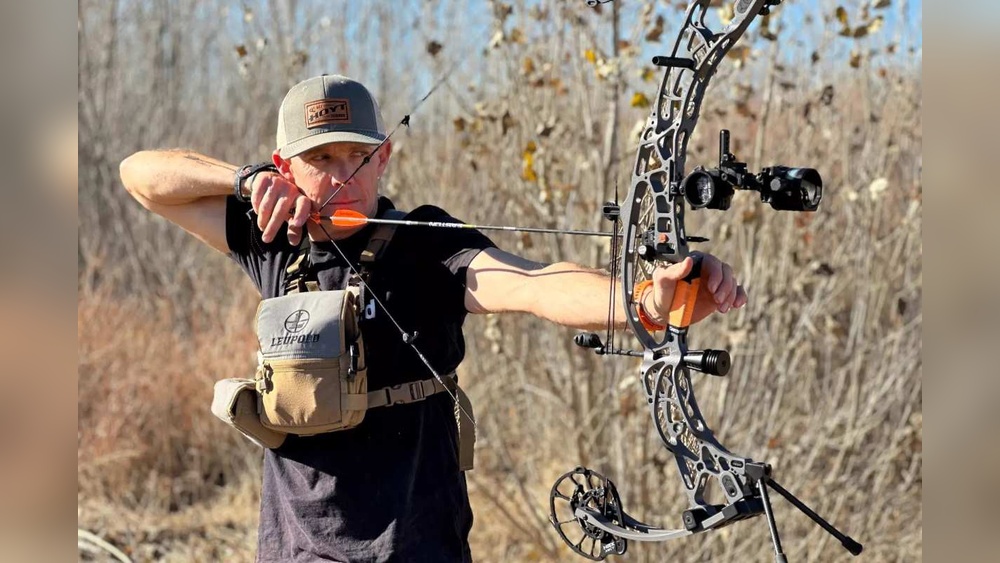
Why Are Composite Bows So Expensive? Unveiling the True Costs
Composite bows have captured the imagination of archers and history enthusiasts for centuries. Their unique design, legendary power, and rich heritage make them a sought-after item among hobbyists, collectors, and competitive shooters. However, anyone who has shopped for a composite bow quickly notices one thing: they are expensive. Even entry-level models command prices that can surprise a newcomer. This article explores the real reasons behind the high cost of composite bows. We’ll break down their construction, the materials involved, labor, market factors, and offer insights that even seasoned buyers sometimes overlook.
What Makes A Bow “composite”?
Before exploring the price, it helps to understand what a composite bow actually is. Unlike simple wooden bows, composite bows are made from several materials. Traditionally, these include wood, horn, and sinew, each serving a specific purpose:
- Wood acts as the main frame or core, giving the bow its shape.
- Horn is glued to the belly (the side facing the archer), adding power and flexibility.
- Sinew (animal tendon) is glued to the back, improving tensile strength and elasticity.
Modern composite bows might use fiberglass, carbon fiber, and advanced polymers instead of natural materials, but the concept is the same: combine materials to create a bow that is smaller, yet more powerful than a simple wooden bow.
Advanced Materials And Their Cost
Composite bows rely on materials that are not just rare, they are also hard to process. Let’s look at both traditional and modern examples.
Traditional Materials
- Horn is not easy to source in large, unblemished pieces. Buffalo or sheep horn must be carefully selected and shaped.
- Sinew requires processing animal tendons, a time-consuming job. Sinew must be dried, split, and treated before use.
- Special woods like maple or bamboo are chosen for their flexibility and durability.
The challenge is not just finding these materials, but preparing them. The glue used (often made from animal hide or fish bladders) must also be carefully prepared and cured. These steps are labor-intensive and require skill passed down through generations.
Modern Materials
- Carbon fiber and high-strength fiberglass are expensive to manufacture. They offer great performance but cost more than basic wood or plastic.
- Epoxy resins used to bond parts together must be high quality to handle the stresses of shooting.
These modern materials add cost but also bring consistency and high performance, which archers demand.
Example: I once visited a bowyer’s workshop and saw how much time goes into selecting and shaping a single strip of horn. The bowyer explained that a single defect in the horn can ruin an entire bow, costing both time and money.
Skilled Labor And Time-intensive Craftsmanship
A key reason for the high price of composite bows is the skilled labor involved. Making a composite bow is not like assembling a simple toy or machine. It is a craft requiring years of practice.
- Precision is essential. Each layer must be glued under the right conditions. The bow is then wrapped and clamped for months.
- Handwork dominates. Machines can help, but the final shaping, tillering (balancing the bow’s curve), and finishing are done by hand.
- Quality control is strict. Flaws in layering or glue joints can make the bow dangerous to use.
It’s common for a single traditional composite bow to require 100 or more hours of skilled labor. Even with modern materials, the process is slow and careful. Each bow is almost a custom product.
Comparison: Labor Time In Bow Types
Here’s a look at typical time investment for different bows:
| Bow Type | Labor Hours (Approx.) | Primary Processes |
|---|---|---|
| Simple Longbow | 10, 20 | Shaping, tillering, finishing |
| Recurve Bow (Modern) | 20, 40 | Laminating, shaping, assembly |
| Traditional Composite Bow | 80, 150 | Material prep, gluing, wrapping, tillering, finishing |
The extra time and skill translate directly into higher prices. This is not factory mass production, it’s skilled craftsmanship.
The Long, Complicated Manufacturing Process
Making a composite bow is not just about putting pieces together. The process can take months for a single bow.
Step-by-step Overview
- Material Selection and Preparation: Each horn, sinew, or wood piece is chosen and treated.
- Lamination: Layers are glued under pressure. The glue must cure slowly at controlled temperatures.
- Wrapping and Clamping: The bow is wrapped tightly and left to set, sometimes for months. This allows the layers to bond and the bow to take its final shape.
- Shaping and Tillering: The bowyer carefully removes material and bends the bow, testing for evenness.
- Final Finishing: Sanding, sealing, and painting are done by hand.
- Quality Testing: Each bow is drawn and shot to check for weaknesses.
A single mistake in any step can mean starting over. The slow process means bowyers cannot produce large numbers at once, keeping supply low and prices high.
High Failure Rate And Material Waste
Beginners often miss that failure rates in composite bow making are high, even for experts. Natural materials are unpredictable. Horn might split, sinew can delaminate, or glue lines can fail during drying.
When a defect appears, the bow may need to be scrapped or rebuilt. This wastes both materials and labor. Bowyers must charge more to cover the cost of failed bows.
Example: Material Waste In Traditional Bows
If a bowyer starts with 10 horn strips, maybe only 7 will make it into finished bows. The cost of those lost materials is part of the final price.
Pro Tip: When buying a composite bow, ask about the maker’s process and quality control. Reputable makers test for defects before selling.
Limited Production And Small Market
Another key reason for high prices is low production volume. Unlike factory-made sporting goods, composite bows are mostly made by small workshops or individual craftsmen.
- Scale is limited. A bowyer might make only 20, 50 bows a year.
- Demand is niche. Most buyers are collectors, historical reenactors, or competitive archers.
Limited supply and steady demand keep prices high. Unlike mass-market items, there are no huge economies of scale.
Market Comparison
Here’s how composite bows stack up against other bows in terms of production and price:
| Bow Type | Average Price Range (USD) | Annual Production (Typical Workshop) |
|---|---|---|
| Simple Longbow | $100, $500 | 100+ |
| Modern Recurve | $150, $900 | Hundreds, Thousands |
| Traditional Composite | $600, $3,000+ | 20, 50 |
The numbers show why composite bows are a premium product.

Credit: www.violinist.com
Performance And Value: Why Pay More?
Why do archers and collectors accept these prices? Because composite bows offer performance and historical value that basic bows cannot match.
Performance Benefits
- Shorter size, more power: Composite bows can deliver high arrow speed with a shorter length, making them ideal for use on horseback or in dense terrain.
- Smooth draw: The layered construction gives a smooth draw and powerful release, favored by competitive shooters.
- Durability: Properly made composite bows can last for decades.
Historical And Cultural Value
Many buyers value composite bows as art pieces or cultural artifacts. Owning a bow built with the same techniques used by Mongol, Turkish, or Korean archers is a source of pride. Collectors often pay a premium for bows made using authentic methods and materials.
Example: A Korean Gakgung bow, made by a master craftsman using traditional materials, can cost several thousand dollars and has a waiting list of months or years.
Import, Shipping, And Regulation Costs
Another factor beginners often miss is the cost of importing composite bows.
- Special permits: Shipping horn or sinew bows across countries may require wildlife permits due to endangered species regulations.
- High shipping fees: Composite bows are fragile and must be packed carefully. Insurance and handling raise costs.
- Taxes and customs: Import duties can add 10, 30% to the final price.
If you’re buying from an overseas maker, factor these costs into your budget.
Brand Reputation And Maker Prestige
In the world of composite bows, brand and maker reputation matters. Bows from famous workshops or master bowyers command higher prices, much like fine art.
- Provenance: A bow with a maker’s signature or certificate is more valuable.
- Warranty and service: Reputable makers offer repairs and advice, adding value.
Buyers are often willing to pay more for a bow with a known history, especially if it’s from a respected maker.
Modern Innovations And Custom Orders
Some modern composite bows feature custom designs, high-tech materials, or innovations that push prices higher.
- Custom artwork: Hand-painted decorations or inlays add to the cost.
- Special sizes: Bows made to fit a buyer’s exact draw length or strength are more expensive.
- Hybrid materials: Some bows mix traditional horn and sinew with carbon fiber, combining the best of both worlds.
These custom features are not mass-produced, so each order is unique.
Maintenance And After-sale Support
The cost of a composite bow is not just the bow itself. Maintenance is an ongoing concern.
- Humidity and temperature: Natural composite bows can be sensitive to weather and need careful storage.
- Regular inspection: Owners must check for cracks or delamination.
- Repair services: Quality makers offer maintenance, but this adds to the long-term cost.
When buying a composite bow, consider the total cost of ownership, not just the purchase price.
Why Cheaper Alternatives Can’t Compete
There are many low-cost bows on the market, but they do not match the performance or quality of true composite bows.
- Simple fiberglass bows: Cheap and durable but lack the power, speed, and draw smoothness of composites.
- Mass-produced recurve bows: Offer consistency but not the historical authenticity or custom fit.
Pro Tip: If you are serious about traditional archery or collecting, invest in a true composite bow. The difference in experience and value is significant.

Credit: beasafehunter.org
Examples From Different Cultures
To understand composite bow pricing, it helps to see how different cultures approach them.
- Turkish bows: Known for their extreme reflex and efficient design. Making a true Turkish bow involves rare woods and horn, as well as skilled painting and decoration.
- Mongolian bows: Famous for their use in horseback archery. They require tough materials and special curves, making them hard to mass-produce.
- Korean bows: Extremely short and powerful. The best makers use water buffalo horn and traditional glues, following methods that are centuries old.
Each style brings its own challenges and costs, adding to the overall price range of composite bows.
How To Make A Smart Purchase
If you want to buy a composite bow, here are steps to get the best value for your money:
- Research the maker. Look for reviews, videos, and forum discussions.
- Ask about materials. Genuine horn and sinew cost more but offer better performance.
- Check the warranty. Good makers stand by their work and offer support.
- Request documentation. Certificates of authenticity and maker signatures increase value.
- Understand maintenance needs. Ask how to store and care for the bow.
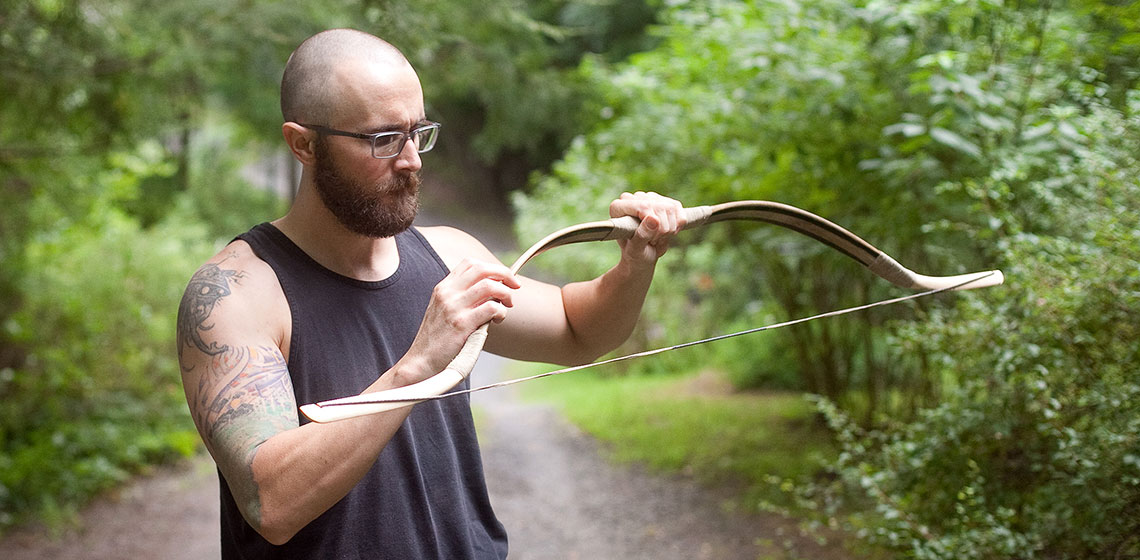
Credit: exarc.net
Data Table: Key Cost Factors For Composite Bows
To summarize, here’s how different factors contribute to the final price:
| Cost Factor | Impact on Price | Notes |
|---|---|---|
| Materials (horn, sinew, special woods) | High | Rare, hard to process, quality varies |
| Skilled Labor | Very High | Many hours, expert handwork needed |
| Manufacturing Time | High | Months to produce and cure |
| Failure Rate | Moderate-High | Material waste, defects common |
| Import & Regulation | Moderate | Permits, shipping, taxes |
| Brand/Maker Reputation | Moderate | Prestige, service, warranty |
Frequently Asked Questions
Why Do Some Composite Bows Cost Over $3,000 While Others Are Cheaper?
The highest-priced composite bows are usually made by master craftsmen using traditional methods and rare materials. Custom artwork, historical authenticity, and limited production push prices higher. Cheaper models may use synthetic materials, less labor, or be produced in larger batches, reducing cost but also performance and value.
Can I Make My Own Composite Bow To Save Money?
It’s possible, but not easy. Making a composite bow requires knowledge, special tools, and access to quality materials. The process is slow, and failure rates are high for beginners. Many hobbyists start with simple wood or fiberglass bows before attempting composites.
Do Modern Composite Bows Perform Better Than Traditional Ones?
Modern composites using carbon fiber and fiberglass can be more consistent and less sensitive to humidity. However, traditional horn-and-sinew bows are still prized for their historical value and unique shooting feel. The best choice depends on your goals, competition, collecting, or historical reenactment.
How Should I Store A Composite Bow To Prevent Damage?
Keep your composite bow in a cool, dry place away from direct sunlight. Avoid extreme temperature changes and high humidity, which can cause natural materials to crack or separate. Store the bow unstrung when not in use, and inspect it regularly for signs of