Why Not Composite Bows in the Olympics: The Real Reasons Explained
The Olympic Games represent the highest level of global sports competition. Every four years, archers from around the world come together to test their skills, focus, and nerves. But if you have ever watched Olympic archery, you might notice something missing: composite bows. Despite their long history and modern popularity, these advanced bows are not part of the Olympic lineup. Why is that? The answer involves tradition, technology, fairness, and the unique goals of the Olympic movement.
Let’s explore the reasons why composite bows are not included in the Olympics, how this decision impacts the sport, and what it means for athletes and fans.
What Is A Composite Bow?
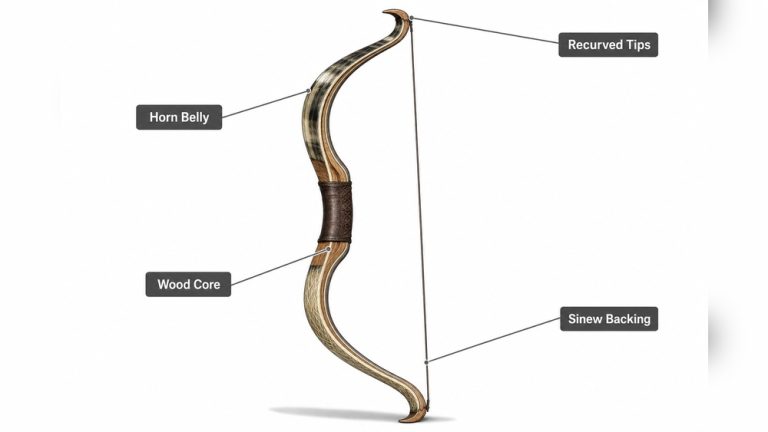
Before diving into Olympic rules, it’s important to understand what a composite bow actually is. A composite bow is made from more than one material, usually a combination of wood, horn, and sinew. This design dates back thousands of years, with origins in Central Asia, the Middle East, and other regions. Composite bows are known for their efficiency, compact size, and high power.
In modern archery, the term “composite” can also refer to bows made with synthetic materials like carbon, fiberglass, or advanced plastics. These are different from traditional wooden bows and are often used in hunting, target shooting, and some forms of competitive archery.
Key features of composite bows:
- Multiple materials layered for strength and flexibility
- Shorter length compared to longbows or recurve bows
- High power and speed for their size
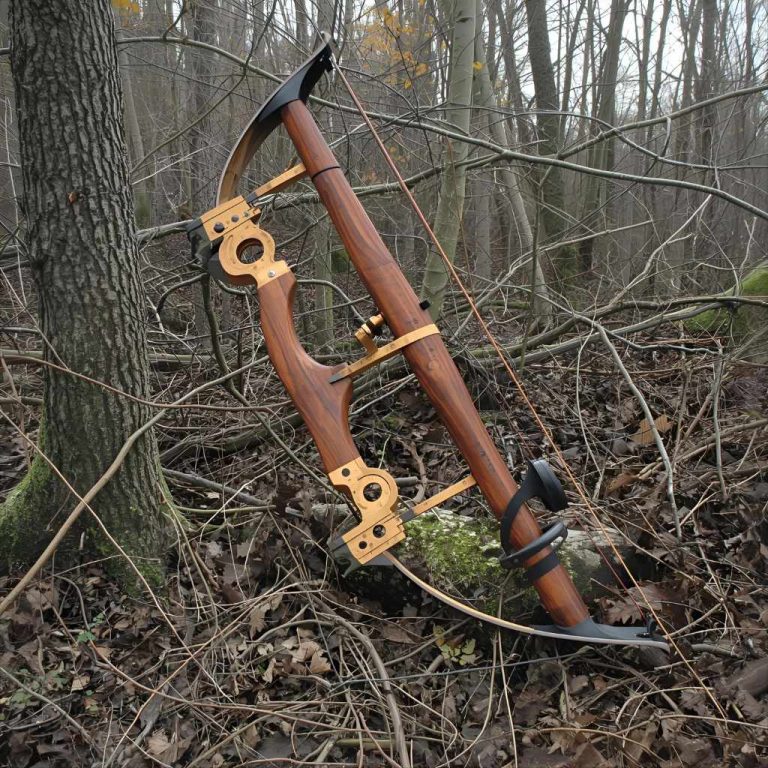
It’s important not to confuse composite bows with compound bows, which use pulleys and cables. Compound bows are also not allowed in the Olympics, but for different reasons.
Olympic Archery: The Rules And Equipment
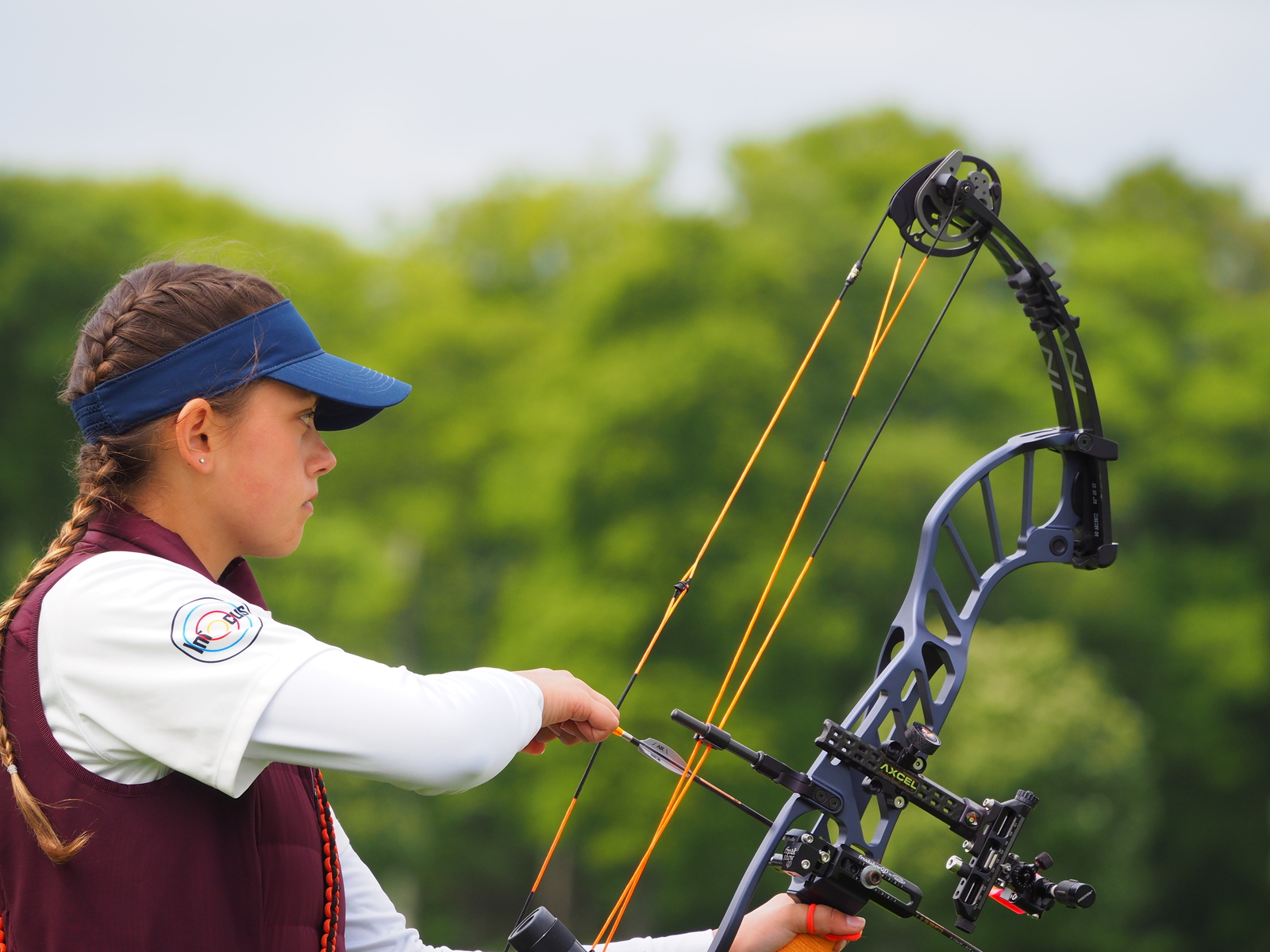
The Olympic Games use very strict rules for archery. Only recurve bows are allowed in competition. These bows have a distinctive shape, with tips that curve away from the archer when unstrung. They are made from materials like wood, fiberglass, and carbon, but the key is their shape and mechanical simplicity.
Here’s a look at how Olympic archery compares to other forms:
| Bow Type | Allowed in Olympics? | Main Features | Common Materials |
|---|---|---|---|
| Recurve Bow | Yes | Curved tips, no pulleys | Wood, fiberglass, carbon |
| Traditional Longbow | No | Long, straight, simple design | Wood |
| Composite Bow | No | Multiple materials, compact | Wood, horn, sinew, modern synthetics |
| Compound Bow | No | Pulleys, cables, high tech | Aluminum, carbon, steel |
Olympic archery focuses on recurve bows to keep the competition fair and rooted in tradition. The choice is not accidental, it’s based on a mix of history, technology, and the spirit of the Games.
Why Are Composite Bows Not Allowed?
Tradition And Olympic History
The main reason composite bows are not part of the Olympics is tradition. When archery returned to the Olympics in 1972, the International Archery Federation (now World Archery) chose the recurve bow as the standard. This decision was based on the bow’s historic use in international competition and its balance of skill and accessibility.
Recurve bows were already widely used in global tournaments. By choosing one type of bow, the Olympics aimed to create a level playing field. Composite bows, especially traditional ones, have different performance characteristics and require unique skills. Mixing them with recurves could make comparisons difficult and unfair.
Equipment Standardization
The Olympics are known for strict equipment rules. Standardizing the type of bow reduces variables that could affect the outcome. If archers used different kinds of bows, some composite, some recurve, differences in speed, accuracy, and handling might influence results more than actual skill.
Consider this: A traditional composite bow, like those used by Mongol or Ottoman archers, is powerful but designed for horseback use and fast shooting. A modern Olympic recurve is optimized for stationary target shooting. Allowing both would force athletes to train for two very different styles.
Example: In my experience attending archery events, I’ve seen how even small changes in bow design can impact accuracy at 70 meters, the standard Olympic distance.
Fairness And Accessibility
Not every country has access to the same types of bows or materials. The Olympics strive for fairness, so they use equipment that is widely available and regulated. Composite bows, especially hand-crafted or traditional versions, might be harder to standardize across nations.
If composite bows were allowed, wealthier teams could invest in custom, high-performance bows, creating an uneven playing field. By focusing on recurve bows with strict specifications, the Olympics keep the focus on the archer, not the equipment.
Safety And Logistics
Composite bows can be more challenging to inspect and regulate because of their construction. Some traditional bows contain animal products, which can raise customs issues when traveling internationally. Modern composite bows may use advanced materials or manufacturing techniques that make them hard to inspect for rule compliance.
The Olympics require all equipment to be checked and approved before use. Standardizing on one type of bow streamlines this process and reduces disputes.
The Performance Differences: Composite Vs. Olympic Recurve
Many people wonder if composite bows perform better than recurves. The answer is not simple, each bow has strengths and weaknesses, depending on how it’s used.
Here’s a side-by-side comparison of key performance factors:
| Feature | Composite Bow | Olympic Recurve |
|---|---|---|
| Draw Weight | Varies (often higher) | Regulated (usually 40-50 lbs for men) |
| Arrow Speed | Very high for size | High, but consistent |
| Accuracy | Good, but depends on skill | Very high with sights |
| Ease of Use | Requires specific technique | Designed for target shooting |
| Suitability for Olympic Format | Less ideal | Optimized |
Pro Tip: If you want to try both bow types, start with a recurve. It’s easier to find lessons and equipment, and the skills transfer well to other bows.
The Role Of Technology In Olympic Archery
One non-obvious reason composite bows are not in the Olympics is the careful balance between technology and tradition. The Olympic movement wants to test human skill, not just equipment.
Modern recurve bows already include advanced materials, carbon fiber limbs, stabilizers, precision sights, but they keep the shooting process manual. The archer must draw, aim, and release the string by hand, without mechanical aids.
Composite bows, especially modern versions, can push the boundaries of technology. Some have features that blend into the territory of compound bows, such as advanced risers and synthetic strings. Allowing them would blur the line between categories and could lead to a technological arms race.
The World Archery Federation regularly updates rules to keep technology from overshadowing skill. This is why even compound bows, which are popular in other tournaments, are excluded from the Olympics.
The Impact On Athletes And The Archery Community
Many archers love composite bows. They are used in field archery, historical reenactments, and hunting competitions. But the Olympic decision affects how athletes train and compete at the highest level.
Training And Preparation
Olympic archers must master the recurve bow’s specific technique. Switching to a composite bow, with its different grip, draw, and balance, would require retraining. For most, specializing in one style is the best way to reach the top.
Global Participation
Some countries have strong traditions with composite bows, like Korea, Turkey, and Mongolia. These nations excel in historical competitions but adapt to recurve bows for the Olympics. The rule encourages a common ground where all countries can compete under the same standards.
Growth Of Alternative Events
Because the Olympics focus on recurve bows, other competitions have emerged for composite and compound bows. The World Archery Championships and other international events offer platforms for these styles. This keeps the sport diverse and gives archers more ways to compete.
Arguments For And Against Allowing Composite Bows
There is an ongoing debate in the archery world about expanding Olympic equipment rules. Both sides have strong points.
Reasons Some Want Composite Bows Allowed
- Showcase Diversity: Composite bows have rich cultural histories. Including them could celebrate global traditions.
- Attract New Fans: Unique equipment can make the sport more exciting and visually interesting.
- Level the Field: Some believe composite bows could give archers from certain regions a chance to shine.
Reasons Against Allowing Composite Bows
- Complexity: Managing different bow types would complicate rules and judging.
- Fairness: Differences in equipment could overshadow athlete skill.
- Logistics: More equipment types mean more inspections, disputes, and potential for cheating.
Warning: Changing Olympic equipment rules is difficult. Any shift would require years of planning, testing, and negotiation among many countries.
Non-obvious Insights For Beginners
- Skill Transfer Is Not Automatic: Many assume if you’re good with a recurve, you’ll be good with a composite bow. In reality, the muscle memory, aiming style, and draw technique can be quite different. Even experienced archers need time to adapt.
- Equipment Tuning Is Crucial: Composite bows, especially traditional ones, often need more frequent tuning and care than modern recurves. Small changes in humidity or temperature can affect performance. Olympic recurves, by contrast, are designed for stability in all conditions.

Credit: www.youtube.com
Could Composite Bows Ever Be Included In The Olympics?
While it’s unlikely in the near future, some experts say the Olympics could add new archery categories, much like they introduced mixed team events and new sports. If enough countries and fans show interest, and if fair rules can be created, composite bows might one day appear.
However, this would require:
- A clear set of standardized rules for composite bow construction
- International agreement on judging and scoring
- Sufficient global participation to justify a new event
Right now, recurve bows remain the focus because they balance history, technology, and fairness in a way that fits the Olympic spirit.
The Wider World Of Archery Competitions
If you love composite bows, the Olympics are not your only option. There are many high-level tournaments for different bow types.
Popular events for composite and other bows:
- World Archery Field Championships
- Traditional Archery Championships
- Horseback Archery Competitions
- National and regional tournaments
These events often have fewer restrictions and celebrate the full range of archery traditions. They also allow more experimentation with equipment, which can be exciting for both archers and fans.
For more about international archery rules and history, see the Wikipedia page on Olympic Archery.
Credit: archerygb.org
The Evolution Of Olympic Archery: A Timeline
Olympic archery has changed over the years. Here is a brief timeline to show how the event developed:
| Year | Event | Bow Type Used |
|---|---|---|
| 1900 | Archery debuts at Paris Games | Various, including longbows |
| 1972 | Archery returns after 52 years | Recurve only |
| 1988 | Team events added | Recurve only |
| 2020 | Mixed team event introduced | Recurve only |
Notice that since 1972, only recurve bows have been used. This shows the strong commitment to standardization and tradition.
What It Means For Archery’s Future
The decision to exclude composite bows shapes the sport in many ways. It encourages archers to focus on a common skillset, helps smaller nations compete, and keeps the Olympic event simple and fair. But it also means that some traditions and innovations are celebrated elsewhere, not on the Olympic stage.
If you’re an aspiring archer, this is important to understand. Specializing in the recurve bow opens the door to Olympic dreams. But mastering composite bows connects you to a rich heritage and a global community of enthusiasts.
The world of archery is bigger than the Olympics. Whether you compete for medals or shoot for fun, the right bow is the one that fits your goals and passion.

Credit: walesarchery.com
Frequently Asked Questions
Why Are Compound Bows Also Not Allowed In The Olympics?
Compound bows use a system of pulleys and cables to reduce the force needed to hold the string at full draw. This makes shooting easier and more accurate at longer distances, but it moves the focus away from raw skill.
The Olympics prioritize manual shooting skills, which is why only recurve bows are allowed.
Can Countries Propose New Bow Types For Future Olympics?
Yes, any country can propose changes to Olympic events through the International Olympic Committee and World Archery. However, adding a new bow type requires broad international support, clear rules, and several years of evaluation before it can become an official event.
Are There Any Olympic Demonstration Events For Composite Bows?
There have not been official demonstration events for composite bows at the Olympics. However, some regional and cultural festivals, such as the World Nomad Games, feature traditional archery with composite bows. These events celebrate heritage but are separate from the Olympic program.
Is Training With Composite Bows Useful For Olympic Archers?
Training with composite bows can help improve certain skills, like hand-eye coordination and instinctive shooting. However, Olympic archers focus mainly on recurve bow techniques to prepare for the specific demands of the Games. Some