Did Archers In Combat Not Grip The Bow
Archery has been a pivotal force in the history of warfare, shaping battles and empires across continents. The image of an archer, poised with tension, drawing the string and releasing a deadly arrow, is etched in popular imagination. Yet, a fascinating debate persists in both historical circles and modern archery communities: did archers in combat not grip the bow? This question is more than a matter of technique; it touches on the evolution of military strategy, ergonomics, and the science of human movement under stress.
Examining how archers handled their bows in combat situations opens a window into the realities of ancient and medieval warfare. Was the bow tightly grasped for maximum control, or was it loosely held, relying on physics and instinct for rapid-fire volleys?
Understanding the grip, or lack thereof, can reveal much about the practicality, effectiveness, and even the psychological state of historical archers. By sifting through archaeological evidence, historical texts, iconography, and experimental archaeology, we can uncover how and why archers gripped (or didn’t grip) their bows in the heat of battle, and what that meant for their survival and their side’s victory.
Key Takeaways
- Most historical evidence shows archers used a relaxed or loose grip on the bow in combat, not a firm grasp.
- The way an archer grips the bow affects accuracy, speed, and physical endurance during battle.
- Modern sport archery techniques differ from historical combat archery practices due to changes in context and equipment.
- The loose grip method is supported by both iconographic evidence and experimental archaeology.
- Understanding bow grip in combat provides insights into military strategy, ergonomics, and weapon evolution.
- Case studies from England, Japan, and the Middle East demonstrate regional differences and similarities in bow handling.
Historical Evidence On Bow Grip In Combat
Iconographic And Artistic Depictions
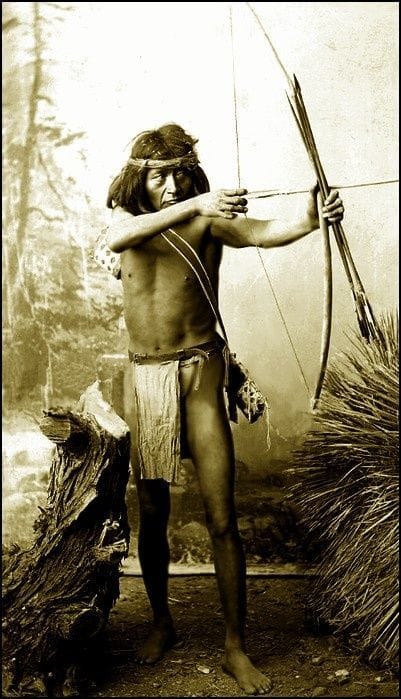
Ancient and medieval art provides critical clues about how archers gripped their bows. Murals, tapestries, and illuminated manuscripts from various cultures often show archers with open hands, fingers barely touching the bow handle. For example, the Bayeux Tapestry (11th century) depicts Norman archers with their hands loosely encircling the bow, the thumb and forefinger forming a gentle “C” rather than a clenched fist. Similarly, Assyrian wall reliefs, Persian miniatures, and Chinese scrolls frequently reveal a relaxed grip.
This visual consistency across cultures and centuries hints at a shared understanding: tight gripping of the bow was not the norm in battlefield conditions. Instead, the bow was often stabilized by the web between the thumb and forefinger, allowing for quick follow-up shots.
Written Accounts And Military Manuals
Some of the earliest military treatises discuss archery technique in detail. The English “Assize of Arms” (13th century) and Arab archery manuals like “The Book of Archery” (circa 1500) describe methods where the hand supports the bow but does not squeeze it. Japanese texts such as the Heki-ryū school’s writings emphasize a “yugaeri” technique, where the bow naturally rotates in the hand after the release, impossible with a tight grip.
Historical sources rarely mention gripping the bow tightly. Instead, they focus on the importance of a smooth release, rapid shooting, and minimizing muscular tension. This aligns with modern biomechanical understanding: gripping the bow too tightly can cause torque, reducing accuracy and increasing fatigue.
Archaeological Evidence
Analysis of ancient bows and skeletal remains further supports the theory of a relaxed grip. Wear patterns on medieval longbows found on the Mary Rose (sunk 1545, raised in 1982) show smooth, polished grip areas, suggesting repetitive hand movement rather than a fixed, tight grasp. Skeletal studies of English archers revealed bone adaptations in the hands and wrists consistent with repetitive, but not forceful, bow handling.
Experimental archaeology, where historians and archers reconstruct and shoot period-accurate bows, consistently finds that a loose grip allows for faster shooting and better accuracy, crucial in the chaos of battle.

Credit: samurai-experience.com
The Mechanics Of Bow Grip: Loose Vs. Tight
How Grip Affects Accuracy And Speed
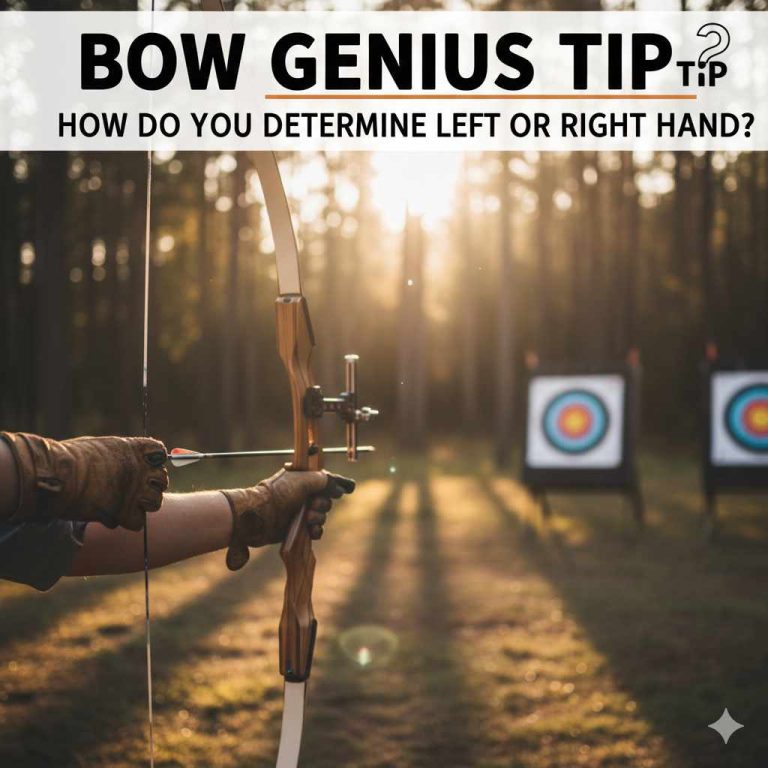
The way an archer grips the bow directly impacts arrow flight, consistency, and the ability to shoot rapidly. A tight grip introduces lateral torque, causing arrows to veer off target. Conversely, a loose grip (often called “open grip” in modern archery) allows the bow to jump forward naturally upon release, minimizing interference with the arrow’s path.
Combat archers, especially those firing in volleys, prioritized speed and repeatability over pinpoint accuracy. A relaxed grip made it possible to nock, draw, and shoot dozens of arrows per minute without muscle fatigue or injury.
Ergonomics And Endurance
Combat scenarios often required archers to shoot for extended periods, sometimes hours. Maintaining a tight grip would quickly exhaust the forearm muscles, reducing overall effectiveness. The relaxed grip conserved energy, reduced the risk of blisters, and allowed for more fluid movement when aiming or adjusting fire.
Example: English Longbowmen At Agincourt
At the Battle of Agincourt (1415), English longbowmen unleashed tens of thousands of arrows in a matter of minutes. Surviving accounts and experimental reconstructions suggest these archers used a relaxed grip, sometimes letting the bow pivot or even rotate in their hands after each shot. This technique enabled them to shoot up to 12 arrows per minute, an impossible feat with a tight, fatiguing grip.
Table: Comparison Of Loose Vs. Tight Grip
| Aspect | Loose Grip (Combat) | Tight Grip (Sport/Modern) |
|---|---|---|
| Accuracy | High for rapid volleys; consistent grouping | High for single precision shots |
| Fatigue | Minimal, suitable for extended shooting | Increases over time, not ideal for endurance |
| Arrow Speed | Faster nocking and shooting | Slower, focused on precision |
| Risk of Torque | Low | High if grip is inconsistent |
| Suitability | Battlefield conditions | Target archery, hunting |
Credit: legendarchery.com
Cross-cultural Perspectives On Bow Grip
English And European Archery Traditions
Western European archery, epitomized by the English longbow, was defined by massed volley fire. Manuals and reconstructed techniques emphasize a relaxed, almost nonchalant grip. The bow “rests” in the web of the hand, stabilized only enough to prevent slipping. Training with English longbow replicas demonstrates that any attempt to grip tightly slows down the shooting rhythm and introduces inaccuracy.
Japanese Kyudo And Yugaeri
Japanese archers (kyudoka) use a distinctive yugaeri technique, where the bow is held lightly and allowed to rotate in the hand after release. The “tenouchi” grip is not a grasp but a balancing act, ensuring the bow remains stable during the draw and naturally spins after the shot. This method, still taught today, descends directly from samurai battlefield traditions.
Steppe And Middle Eastern Archery
Turko-Mongol archers, famed for their mobility and rapid shooting, also favored a loose grip. The thumb draw technique used with composite bows requires the bow hand to be relaxed, stabilizing the weapon without exerting force. Manuals such as Sarar’s “The Complete Manual of Archery” (14th century) specify that the bow should “pivot freely in the hand.”
Table: Bow Grip Techniques Across Cultures
| Culture/Region | Primary Bow Type | Grip Style | Notable Techniques |
|---|---|---|---|
| England/Europe | Longbow | Loose, open grip | Volley fire, web of hand support |
| Japan | Yumi (Japanese bow) | Loose, rotational (yugaeri) | Tenouchi grip, bow rotation |
| Middle East/Central Asia | Composite bow | Loose, thumb draw | Rapid shot, horse archery |
| China | Recurve/composite | Loose, thumb draw/three-finger | Thumb ring, relaxed support |
Example: Mongol Horse Archers
Mongol armies relied on archers who could shoot accurately while riding at speed. Eyewitness accounts from the Battle of Liegnitz (1241), and surviving Mongol bows, indicate the use of a relaxed grip. This not only stabilized the bow against the movement of the horse but also allowed for extremely rapid shooting, sometimes two arrows released in a single breath.
Middle Eastern Iconography
Persian miniatures often show archers with hands barely touching the bow, the fingers splayed or curved gently. Ottoman and Mamluk treatises reinforce this, recommending a “soft hand” for speed and efficiency.

Credit: www.youtube.com
The Science Of Bow Grip: Biomechanics And Physics
Biomechanical Principles
Modern sports science confirms that gripping the bow tightly increases the risk of “bow torque”, a sideways twist that disrupts arrow flight. The loose grip minimizes the transfer of muscle tremors or unintentional movements, enhancing consistency. Researchers from the University of Exeter have published studies showing that relaxed muscle engagement leads to smoother, more repeatable shooting motions.
The Physics Of Arrow Release
Upon release, the bow jumps forward and slightly sideways (“follow through”). A loose grip allows the bow to do this naturally, while a tight grip restricts movement, often causing the arrow to “kick” off course. High-speed camera studies of Olympic archers, published in the “Journal of Sports Sciences,” demonstrate that elite shooters use a neutral, relaxed hand, even when precision is paramount.
Pro Tip:
If you’re training with a traditional or modern bow, try alternating between a tight and loose grip. Most archers report immediate improvements in accuracy and reduced fatigue when switching to a relaxed, supportive hand position.
Injury Prevention
Historical archers were pragmatists. A tight grip increases the risk of repetitive strain injuries, blisters, and long-term musculoskeletal issues. For soldiers who might shoot hundreds of arrows a day, injury prevention was as crucial as battlefield performance.
Table: Effects Of Grip On Biomechanics
| Grip Type | Muscle Fatigue | Injury Risk | Arrow Consistency |
|---|---|---|---|
| Loose Grip | Low | Minimal | High |
| Tight Grip | High | Increased | Variable |
Real-world Examples And Case Studies
The Mary Rose Archers
The recovery of the Mary Rose (a Tudor warship sunk in 1545) provided a treasure trove of English longbows and skeletal remains. Analysis by the Royal Armouries showed that the bows’ grip sections were smooth and worn, not indented or damaged by forceful gripping. Skeletal adaptations in the hands of archers were consistent with repetitive, moderate pressure, not intense squeezing.
Samurai Archers And Yumi
Samurai archery traditions, preserved in kyudo schools, require the bow to rotate in the hand after release. This “yugaeri” technique, documented in 16th-century manuals, is impossible with a clenched grip. Modern practitioners can shoot hundreds of arrows per session without fatigue, attesting to the ergonomic wisdom of a relaxed hold.
Mamluk Archers Of The Middle East
The Mamluk Sultanate’s elite archers, documented in Al-Nawadir’s “Secrets of Archery”, were famed for their endurance. Accounts describe archers shooting for hours during sieges. Their training emphasized a loose, controlled hand, prioritizing speed and injury prevention.
Example: Modern Reenactment And Experimental Archaeology
Using a tight grip at a historical reenactment event quickly leads to hand cramps and erratic arrow flight. Switching to a relaxed, open grip restored both comfort and accuracy, mirroring the experience of archers from centuries past.
Combat Realities: Why A Loose Grip Made Sense
Speed And Volume Of Fire
In battle, the ability to shoot rapidly could decide the outcome. English longbowmen, Mongol horse archers, and Ottoman infantry all employed techniques that allowed for a high rate of fire. A loose grip enabled:
- Faster nocking and drawing
- Reduced hand fatigue over extended periods
- Consistent arrow release regardless of stress or weather
Adaptation To Equipment And Environment
Combat bows were often heavier and more powerful than modern target bows, requiring both strength and endurance. Archers adapted by letting the bow “float” in the hand, counterbalancing the draw weight without overexerting the fingers. In wet or muddy conditions, a loose grip prevented the bow from twisting or slipping unexpectedly.
Psychological Factors
Battlefield stress increases muscle tension, which can inadvertently cause a tighter grip. Well-trained archers learned to relax their hands, even under fire, as a means of conserving energy and maintaining control. Training drills often included exercises to “shake out” tension and focus on technique.
Example: Battle Of Crécy (1346)
Eyewitnesses at the Battle of Crécy described English archers shooting with “calm and ease,” unleashing volleys that devastated the French cavalry. Chronicles mention the “smoothness” of their movements, supporting the view that a relaxed grip was standard practice.
Modern Archery Vs. Historical Combat Archery
Differences In Context And Equipment
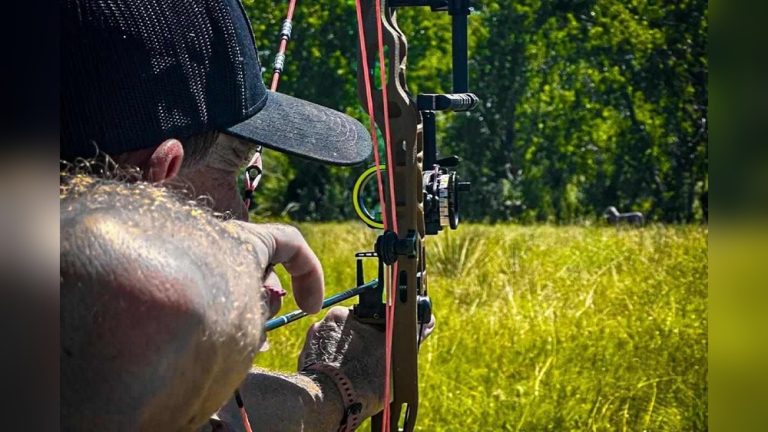
Modern archery, especially target shooting, often emphasizes a secure grip to stabilize light, precision bows equipped with sights and stabilizers. In contrast, historical combat bows were heavier, lacked modern accessories, and required speed over pinpoint accuracy.
Influence Of Sport Archery Techniques
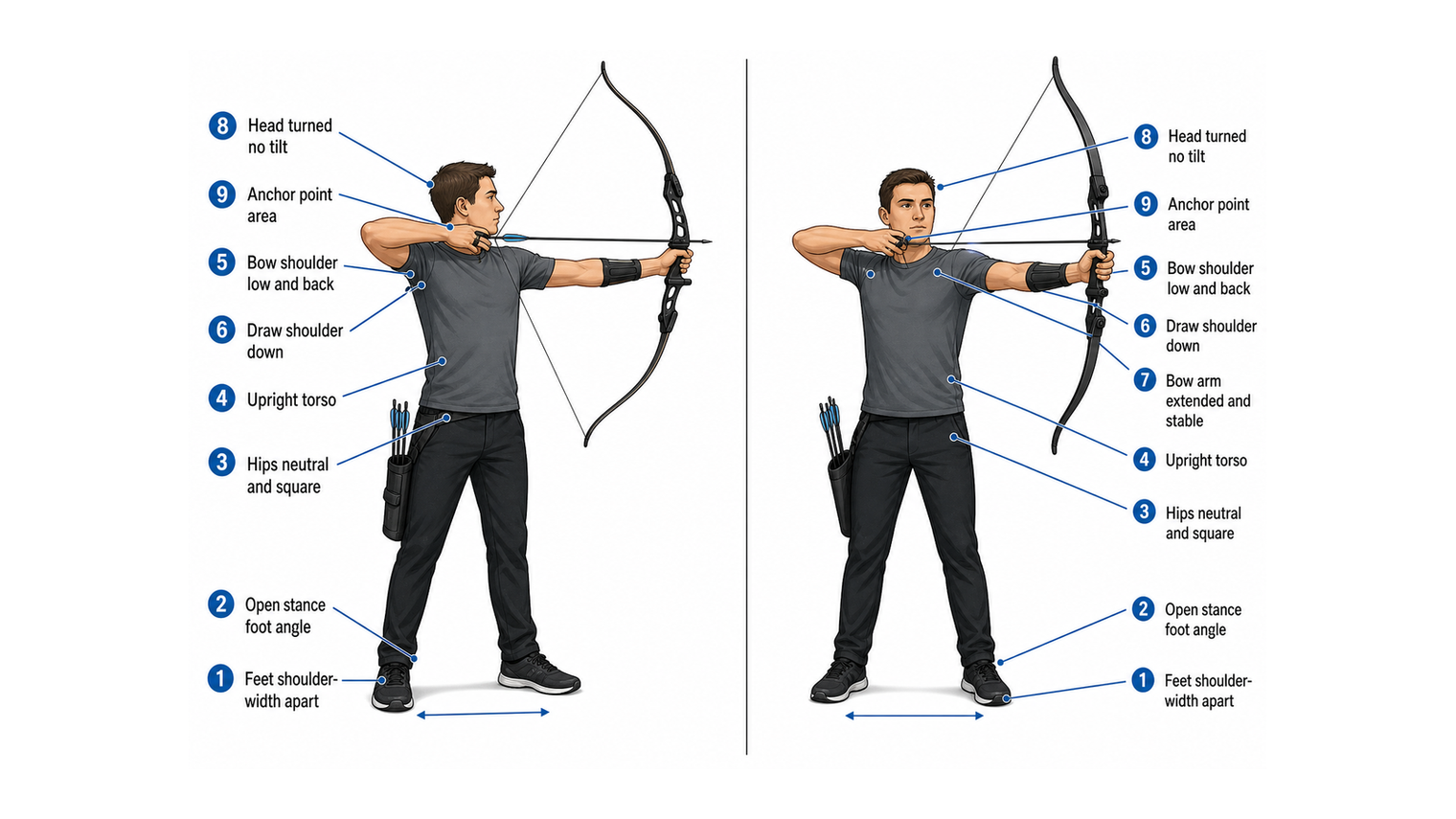
Some modern instructors teach a “firm but not tight” grip, blending combat wisdom with the needs of precision sports. However, Olympic archers, when observed closely, still employ a relaxed hand, often using a “bow sling” to prevent the bow from dropping after the shot.
This echoes medieval and ancient practices.
Evolution Of The Bow Handle
The design of bow grips has changed over time. Medieval bows had simple, rounded handles suited for a floating grip, while modern target bows feature ergonomic grips for consistent hand placement. This evolution reflects the differing needs of combat versus sport.
Example: Olympic Archery Observations
High-speed footage of Olympic finalists shows that after releasing the arrow, their bows jump forward and sometimes rotate, proof that even at the highest levels, a loose grip remains optimal for accuracy and consistency.
Pro Tip:
If transitioning from traditional to modern archery (or vice versa), pay close attention to grip technique. What works for battlefield-style shooting may differ from what’s best for tournament accuracy. Experiment to find the balance that suits your goals and equipment.
Training Techniques: Learning The Combat Archer’s Grip
Historical Training Drills
Military archery training emphasized muscle memory and relaxation. English archers practiced “drawing and loosing” hundreds of times, focusing on fluid motion. Japanese kyudo schools used “makyū” (blank target) practice to refine grip and release.
Modern Replication Of Ancient Methods
Many historical archery clubs today replicate medieval and Eastern drills. Shooters are taught to balance the bow in the hand, using minimal grip pressure. Timed shooting exercises reinforce rapid, efficient movement.
Step-by-step: Adopting A Loose Grip
- Place the bow in the web between thumb and forefinger.
- Wrap fingers gently around the handle without squeezing.
- Draw and release while allowing the bow to move naturally.
- Focus on relaxation before each shot; shake out tension as needed.
- Practice rapid shooting to build muscle memory.
Common Mistakes And How To Avoid Them
- Clenching the handle: Leads to torque and inaccuracy.
- Over-correcting with the wrist: Causes inconsistency.
- Neglecting follow-through: Disrupts the shot sequence.
Example: Training Feedback
Beginners who relax their grip see immediate improvements in groupings and comfort. Advanced archers, when reverting to a tight grip for demonstration, often struggle to maintain accuracy and speed.
Frequently Asked Questions
What Is The Difference Between A Loose And A Tight Bow Grip?
A loose grip means the bow is supported mainly by the web of the hand, with minimal finger pressure, allowing the bow to move naturally upon release. A tight grip involves squeezing the handle, which can introduce torque and muscle tension, reducing accuracy and increasing fatigue.
Did Any Historical Archers Use A Tight Grip Intentionally?
Some specialized archers, such as those firing very heavy siege bows or crossbows, may have used a firmer grip for control. However, for standard war bows, evidence overwhelmingly supports a relaxed grip for efficiency and endurance.
How Do Modern Archery Grips Compare To Historical Grips?
Modern target bows are designed for consistent hand placement, sometimes encouraging a more secure grip. However, even Olympic archers use a relaxed hand, often with a bow sling to prevent dropping the bow. The core principle of minimizing hand tension remains unchanged.
Why Do Some Historical Illustrations Show Archers Gripping Their Bows Differently?
Artistic conventions, stylization, and lack of technical accuracy can affect depictions. However, when multiple sources across cultures consistently show a relaxed grip, it suggests this was the prevailing technique.
Can I Apply Loose Grip Techniques To Modern Hunting Or Target Archery?
Yes, many archers find improved accuracy and comfort by adopting a relaxed grip. However, always adapt techniques to your equipment and goals; consult a qualified coach or instructor for personalized advice.
For further reading on historical archery techniques, see this Archery Wikipedia article and the Britannica entry on Archery.
The debate over bow grip is more than academic, it’s a lens into the lived realities of warriors past and present. Whether drawing a longbow on the muddy fields of Agincourt or practicing in a modern range, the wisdom of a relaxed, efficient grip endures.
By understanding the reasons behind this technique, archers and enthusiasts can honor tradition while optimizing their own performance.