What is an Archery League? Everything You Need to Know
Archery is more than just aiming and shooting arrows; it’s a sport with deep traditions, unique challenges, and a welcoming community. For many, joining an archery league is the first step toward connecting with others who share the same passion. But what is an archery league, and why do people join? If you’re curious about this topic, or thinking about joining one yourself, you’ll find everything you need to know right here.
Let’s explore how archery leagues work, what makes them different from casual archery, and why they’re important for both beginners and experienced shooters. You’ll also learn about league formats, scoring systems, benefits, and practical tips, plus a few surprises most newcomers overlook.
By the end, you’ll have a clear picture of what joining an archery league really means.
What Is An Archery League?
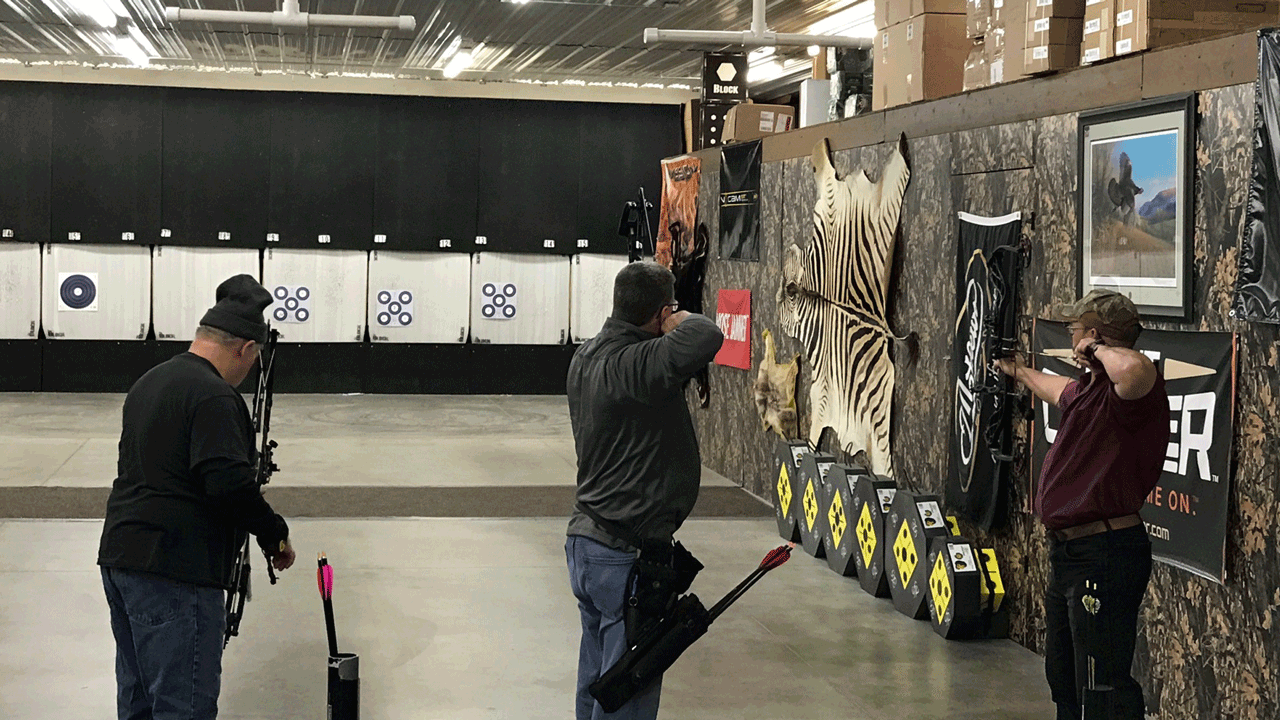
An archery league is a structured group where people regularly compete in archery, either individually or in teams. Leagues are organized by clubs, community centers, or even schools. They follow set rules, schedules, and scoring systems. Unlike informal practice, an archery league offers organized competition, social interaction, and a consistent way to improve skills.
Most leagues run over a set period, often weeks or months. Members meet on specific days, shoot under the same conditions, and compare scores. Leagues can focus on target archery, field archery, or even 3D archery, depending on the club and the area.
Example: In my experience, joining a league helped me learn proper technique faster than practicing alone. The friendly competition motivated me to keep improving.
Key Features Of Archery Leagues
Structured Competition
Leagues are built around regular matches. Archers compete against each other, either in teams or individually. Scores are tracked over time, so everyone can see their progress and compare results. This structure makes the sport more exciting and helps people set clear goals.
Set Rules And Formats
Every league follows specific rules. These might cover:
- Equipment standards: What kind of bows and arrows are allowed.
- Scoring methods: How points are awarded.
- Shooting distances: Ranges for each event.
Rules help create fairness and consistency, making the league enjoyable for everyone.
Community And Camaraderie
One of the biggest reasons people join is to meet others. Archery leagues bring together people of all ages and skill levels. Sharing tips, stories, and encouragement is a big part of the experience. Many leagues organize social events, awards nights, or group outings.
Skill Development
Regular competition pushes archers to improve. Coaches may offer advice, and experienced members often help beginners. The league format encourages steady progress, especially for those who want to prepare for bigger tournaments.
Types Of Archery Leagues
Archery leagues come in different styles, depending on the focus and location. Here are the most common types:
Target Archery Leagues
These leagues are usually held indoors or outdoors, with archers shooting at standard targets from fixed distances. The targets have colored rings, and scores are based on where the arrows land.
Field Archery Leagues
Field archery takes place in natural settings, like forests or fields. Archers move between different stations, shooting at targets placed at varying distances and angles. This style adds new challenges and keeps things interesting.
3d Archery Leagues
Here, archers shoot at life-sized animal models made from foam. The goal is to simulate hunting scenarios. Scoring zones are marked on the animals, and each archer moves through a course with multiple targets.
Youth And Junior Leagues
Many clubs offer leagues for younger archers. These leagues often use lighter bows and shorter distances. They focus on skill-building, safety, and fun rather than intense competition.
Corporate And Social Leagues
Some leagues are organized for companies or groups of friends. These tend to be more relaxed, with an emphasis on fun and team-building. Scoring may be less strict, and events often include food or music.
How Archery Leagues Are Organized
Every league has its own structure, but most follow a similar plan:
Membership And Registration
To join, archers usually pay a membership fee. This covers costs like venue rental, equipment maintenance, and administration. Some leagues let you join for a single season, while others offer year-round membership.
Scheduling
Leagues set a regular schedule. Matches are held weekly, biweekly, or monthly, depending on the club and the number of participants. Many leagues run for 8, 12 weeks per season.
Teams Vs. Individual Competition
Leagues can be:
- Team-based: Members join teams and compete together. Scores are combined to decide winners.
- Individual: Each archer competes alone, and standings are based on personal scores.
Some leagues switch between formats, or offer special team events alongside regular matches.
Scoring And Standings
Scores are tracked after every match. Standings are updated so members see their progress. At the end of the season, awards are given for top performers.
Here’s a simple breakdown of scoring formats:
| League Type | Scoring Method | Common Distance |
|---|---|---|
| Target Archery | Points by ring color | 18m, 30m, 50m |
| Field Archery | Points by zone | Varies (10m, 60m) |
| 3D Archery | Points by animal zone | Varies (5m, 50m) |
Benefits Of Joining An Archery League
Joining an archery league offers many advantages beyond simply shooting arrows.
Skill Improvement
Regular competition helps archers develop faster. You’ll get feedback, learn from others, and face new challenges each week. Many leagues offer coaching sessions, and experienced shooters are usually happy to help newcomers.
Motivation And Accountability
Having set dates and goals keeps you motivated. It’s easy to skip practice when you’re alone, but a league provides structure. Seeing your scores improve over time is rewarding.
Social Connections
Leagues are great for making new friends. You’ll meet people with similar interests, share experiences, and even network for other opportunities. Many members find that the league atmosphere is welcoming and supportive.
Access To Better Equipment
Clubs often provide equipment for members. You might be able to try bows you wouldn’t buy yourself, or learn about new gear from others. Some leagues have partnerships with local shops for discounts.
Opportunities For Competition
If you want to compete at a higher level, leagues are a perfect starting point. They help you prepare for regional, national, or even international tournaments. Many top archers began their careers in local leagues.
Common League Formats And Rules
Archery leagues use different formats to keep things interesting and fair. Here are a few popular options:
Round Robin
Every archer (or team) competes against every other once. Scores are tallied, and the highest total wins. This format is common for small leagues.
Ladder
Archers are ranked. Each week, higher-ranked shooters face lower-ranked ones. Winners move up the ladder; losers move down. This system keeps the competition balanced.
Handicap System
To encourage beginners, some leagues use a handicap system. Scores are adjusted based on skill level, so new archers have a chance to win. This makes the league more inclusive.
Knockout Tournaments
After a regular season, leagues may hold a playoff or knockout tournament. Archers compete head-to-head, with winners advancing to the next round.
Special Event Nights
Many leagues add variety with themed nights or unusual challenges, like shooting at moving targets, or using unfamiliar equipment. These events are fun and help members try new skills.

Credit: en.wikipedia.org
Scoring Systems Explained
Scoring in archery can feel complex at first, but leagues make it easy to understand. Here’s a comparison of common scoring systems:
| Target Type | Scoring Zones | Max Points per Arrow |
|---|---|---|
| Standard Target | 10 rings (gold, red, blue, black, white) | 10 |
| 3D Animal | Inner, outer, body | 11 |
| Field Target | Multiple scoring zones | 6 |
Pro Tip: Always check your league’s rulebook before shooting, different leagues sometimes use unique scoring methods.
How To Join An Archery League
If you’re interested in joining, here’s how to get started:
- Find a local club: Search online or ask at sporting goods stores. Many clubs list their leagues on websites or social media.
- Attend an open night: Most leagues welcome newcomers to try a session before joining.
- Ask about equipment: Some clubs provide gear; others expect you to bring your own. Beginners can often borrow equipment to start.
- Register and pay fees: Sign up, fill out any forms, and pay the membership fee.
- Get familiar with rules: Read league guidelines, especially about safety and scoring.
- Meet members and coaches: Introduce yourself and ask for advice. Most people are happy to help.
What To Expect In Your First Season
Starting your first season can feel intimidating, but leagues are designed for all skill levels. Here’s what usually happens:
- Orientation: You’ll get a tour, learn safety rules, and meet other members.
- Practice rounds: These help you warm up and get comfortable before competition.
- Regular matches: Scores are tracked, but beginners aren’t expected to win right away.
- Feedback: Coaches or experienced archers may offer tips.
- Awards and recognition: Some leagues give prizes for improvement, not just top scores.
Warning: Don’t compare yourself to advanced shooters in your first season. Progress comes with practice, and leagues are meant to be supportive.
Essential Gear For League Archery
You don’t need expensive equipment to join, but having the right gear helps. Here’s a quick rundown:
Bows
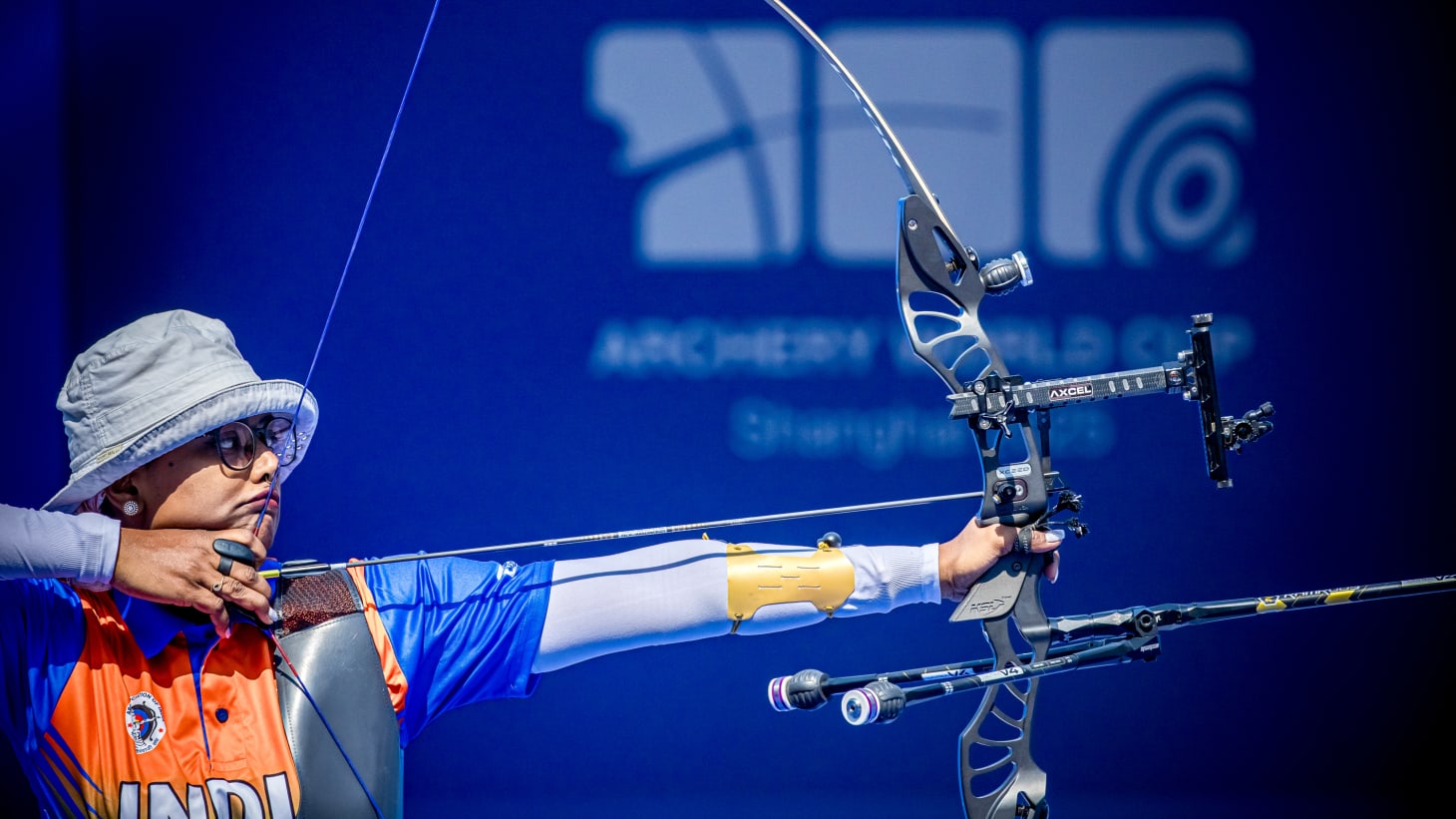
Most leagues allow recurve bows and compound bows. Some also permit traditional longbows. Check your league’s rules before buying.
Arrows
Arrows must match your bow and be safe for league use. Many clubs have specific guidelines about length, material, and tips.
Accessories
- Arm guards: Protect your forearm from string slap.
- Finger tabs or gloves: Make shooting more comfortable.
- Quiver: Holds your arrows during matches.
- Sight or stabilizer: Optional, but can help accuracy.
Safety Equipment
Safety is a top priority. Leagues require:
- Closed-toe shoes
- No loose clothing
- Hair tied back
Example: I started with borrowed gear and upgraded as I learned what I liked. Trying different bows and arrows in a league helped me choose equipment that fit my style.
Credit: www.olympics.com
Comparing Archery Leagues Vs. Open Shooting
If you’re wondering whether a league is right for you, consider this comparison:
| Feature | Archery League | Open Shooting |
|---|---|---|
| Competition | Organized, structured | Casual, unstructured |
| Skill Progress | Tracked, consistent | Varies, self-directed |
| Social Interaction | Regular, group-based | Occasional, solo or small groups |
| Coaching | Often available | Rare, self-taught |
| Motivation | High, goal-oriented | Depends on individual |
Common Mistakes Beginners Make In Leagues
Starting in a league is exciting, but many newcomers face similar challenges:
- Ignoring safety rules: Always follow instructions, especially during matches.
- Using the wrong equipment: Check league requirements before buying gear.
- Not asking for help: Coaches and members are there to support you.
- Skipping practice: Improvement comes from regular shooting.
- Focusing only on scores: Enjoy the experience and learn from each round.
Non-obvious Insights For New League Members
Many beginners overlook these important details:
- League culture matters: Some leagues are highly competitive, while others are relaxed and social. Visit first to see if the atmosphere suits you.
- Scoring isn’t everything: Many leagues reward improvement, attendance, or sportsmanship, not just top scores.
- Equipment trials: Clubs often let you test different bows or arrows. This helps you find the right gear before investing.
- Networking opportunities: Leagues connect you with archers, coaches, and even local shops. You may find discounts or job leads through new friends.
How Archery Leagues Support The Sport
Leagues play a big role in promoting archery. They:
- Grow participation: More people join when there’s a clear path from beginner to competitor.
- Develop talent: Local leagues feed into regional and national tournaments.
- Educate members: Safety, technique, and sportsmanship are taught in every league.
- Build community: Leagues create lasting friendships and shared memories.
According to the National Field Archery Association, thousands of people join archery leagues every year in the US, helping the sport grow and evolve (NFAA USA).
Credit: www.bowhunting.com
Frequently Asked Questions
What’s The Difference Between An Archery League And A Tournament?
A league is a recurring event, where members compete over weeks or months. A tournament is a single, often larger event, with awards given at the end. Leagues focus on regular skill-building, while tournaments are about peak performance in one day.
Do I Need My Own Equipment To Join A League?
Not always. Many clubs offer loaner bows and arrows, especially for beginners. As you progress, you may choose to buy your own gear based on what you like best.
Are Archery Leagues Suitable For Children?
Yes, many leagues have youth or junior divisions. They use lighter bows and shorter distances, focusing on safety and fun. Parents can often participate or watch, making it a family-friendly activity.
How Do I Improve My Scores In A League?
Attend practice sessions, ask for coaching, and review your scores after each match. Experiment with different equipment and focus on technique rather than just hitting high scores. Joining a league helps you get feedback from experienced shooters.
What Happens If I Miss A League Night?
Most leagues have policies for missed matches. You might be able to make up the round later, or your score may be averaged. Check with your league organizer for details, being honest and communicating helps.
Archery leagues are a unique blend of competition, community, and personal growth. Whether you’re aiming for trophies or just want to enjoy a new