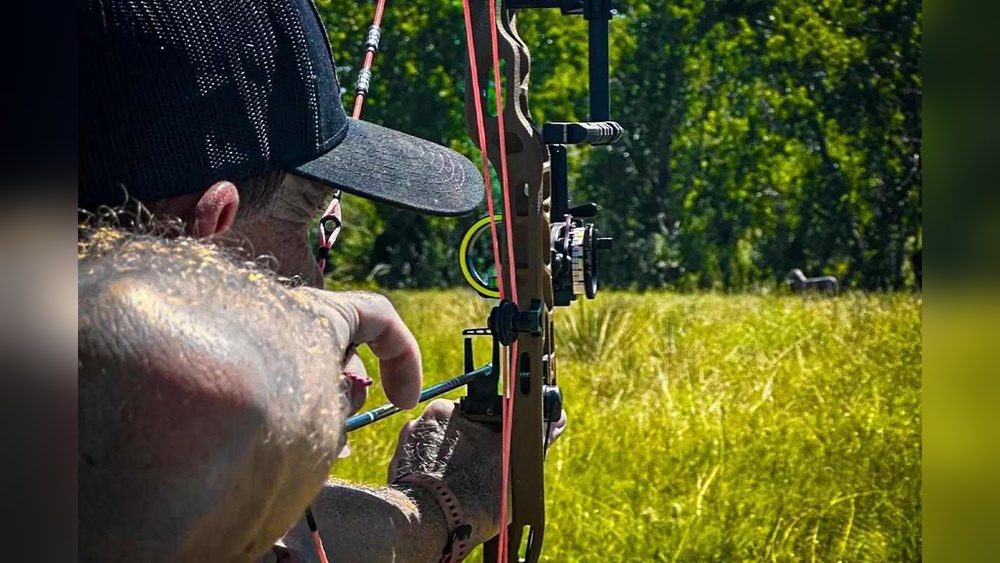
How Do You Tell Someone You Were Shooting A Bow
Few hobbies capture the imagination and curiosity of others quite like archery. Whether you’re returning from an afternoon at the range or explaining a mysterious bruise on your forearm, sharing that you were shooting a bow can spark a surprising array of reactions. From admiration to puzzlement, the way you communicate your archery experience matters, especially if your audience isn’t familiar with the sport. Crafting the right message can build interest, dispel misconceptions, and even foster connections with potential new enthusiasts.
Yet, telling someone you were shooting a bow isn’t always as simple as it sounds. Context, safety perceptions, and cultural associations play a significant role in how your disclosure is received. Whether you’re talking to a coworker, a family member, or a neighbor, the conversation can be shaped by your relationship, your intent, and the setting.
This article will guide you through the nuances of sharing your archery experience, offering practical approaches, real-life examples, and strategic tips for clear, responsible communication.
Key Takeaways
- Context matters: Tailor your explanation based on your audience’s familiarity with archery and the environment in which you’re sharing.
- Safety and legality: Address concerns by highlighting safety measures and legal compliance when discussing archery activities.
- Effective storytelling: Use real-world examples and relatable anecdotes to demystify archery and engage listeners.
- Communication strategies: Choose the right words and tone to foster understanding and avoid misunderstandings.
- Anticipate questions: Be prepared to answer common queries about archery, safety, and equipment.
- Build connections: Sharing your experience can educate others and potentially inspire new archers.
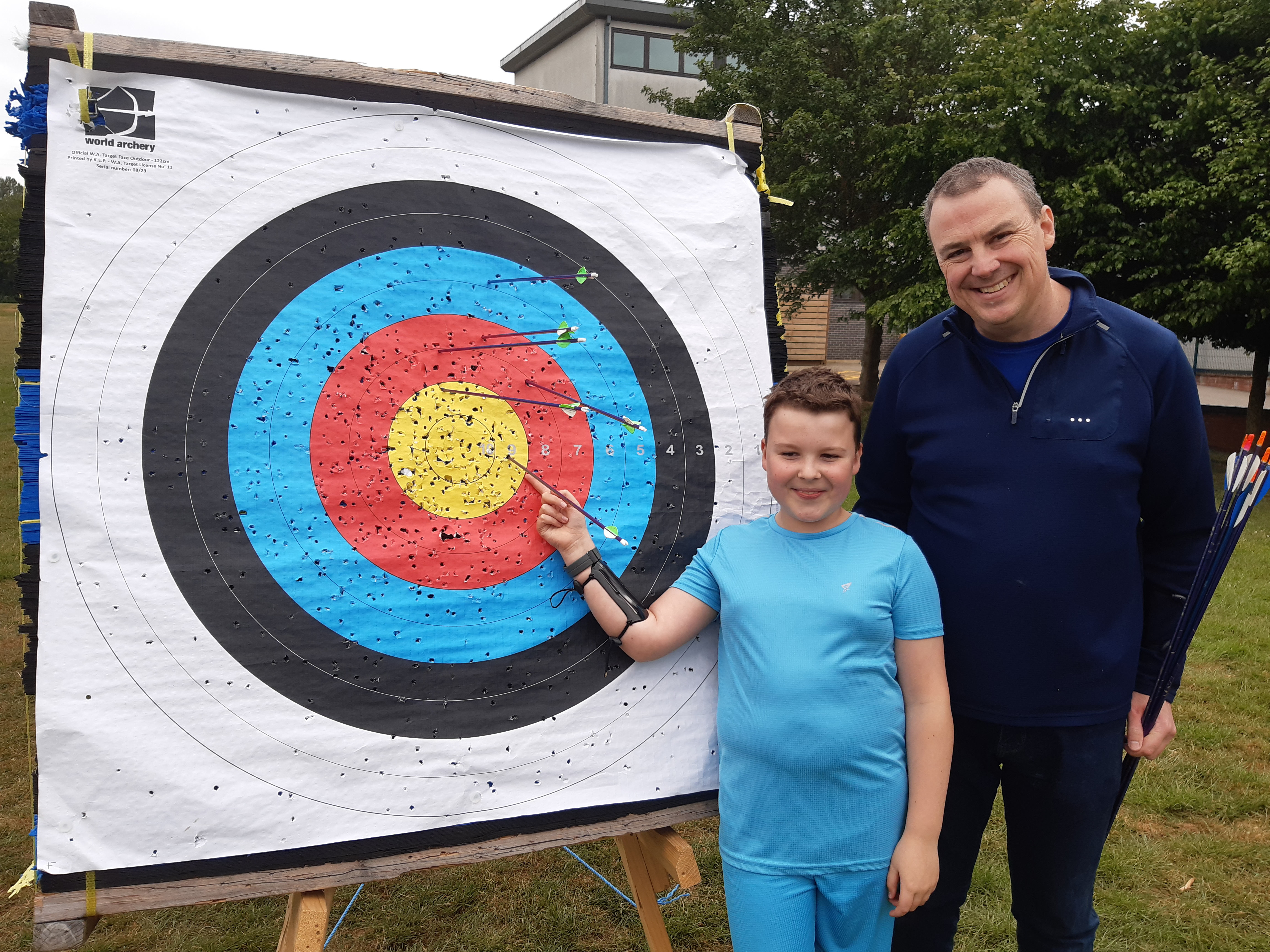
Credit: startarchery.co.uk
Understanding The Context Of Sharing Your Archery Experience
Archery is a sport with deep historical roots and modern appeal, but not everyone is familiar with its nuances. Explaining your involvement in archery effectively starts with understanding the context of your audience and their preconceptions.
Audience Awareness
Every conversation about shooting a bow is unique, shaped by who you’re talking to. If your audience consists of friends who already know about your interests, you can be casual and enthusiastic. However, explaining it to a coworker, a teacher, or someone with no exposure to archery requires more context and sensitivity.
- Friends and family: Often supportive, but may have safety concerns or misconceptions.
- Workplace: Professionalism and clarity are key, especially if you mention archery in the context of time off or visible injuries.
- Public or casual acquaintances: Be concise and clear to avoid confusion or alarm.
Situational Relevance
Why you need to share your archery activity also shapes your approach. Common scenarios include:
- Explaining a visible mark or injury (e.g., “What happened to your arm?”)
- Justifying time spent away (e.g., “Where were you this weekend?”)
- Discussing hobbies or interests in social settings
- Clarifying noises or activities to neighbors or bystanders
Pro Tip:
If the person you’re speaking with seems concerned or unfamiliar with archery, begin with a brief, positive overview before diving into details. For example, “I was at the archery range yesterday, it’s a safe, organized sport where we practice shooting targets with bows and arrows.
”

Credit: www.youtube.com
The Importance Of Language And Tone
The words you choose and the way you deliver them can dramatically influence how your message is received. When talking about shooting a bow, subtle differences in language and tone can ease concerns or inadvertently create tension.
Choosing The Right Words
Avoid ambiguous or alarming phrases. Instead of saying “I was shooting,” specify “I was shooting arrows at a target at the archery range. ” Emphasize that archery is a sport with established rules and safety protocols.
Key phrases to use:
- “Practicing archery at a certified range”
- “Target shooting with a bow and arrows”
- “Learning archery techniques in a supervised environment”
Words to avoid:
- “Weapon” (when possible)
- “Killing targets” (unless hunting is the specific context and is appropriate for the audience)
- “Playing with bows” (can sound unsafe or trivializing)
Tone And Body Language
Maintain a calm, positive demeanor. If you appear defensive or overly excited, it may lead to misunderstandings. Open body language and a friendly smile can reinforce that archery is a safe, enjoyable pursuit.
- Friendly, open tone: Encourages curiosity and engagement.
- Confident, factual delivery: Reinforces your credibility and experience.
- Avoiding jargon: Prevents alienation of those unfamiliar with the sport.
Example:
When asked about a bruise on your forearm at work, you might say: “That’s from practicing archery at a local range. It’s a really fun sport where we use safety equipment and follow strict rules, sometimes the bowstring snaps back if you’re not careful!”
Addressing Safety, Legality, And Public Perceptions
Archery can evoke concerns about safety and legality, especially among those unfamiliar with the sport. Addressing these topics head-on can reassure listeners and foster understanding.
Emphasizing Safety Protocols
Modern archery ranges follow rigorous safety standards. Sharing these details can alleviate concerns:
- Certified instructors oversee sessions.
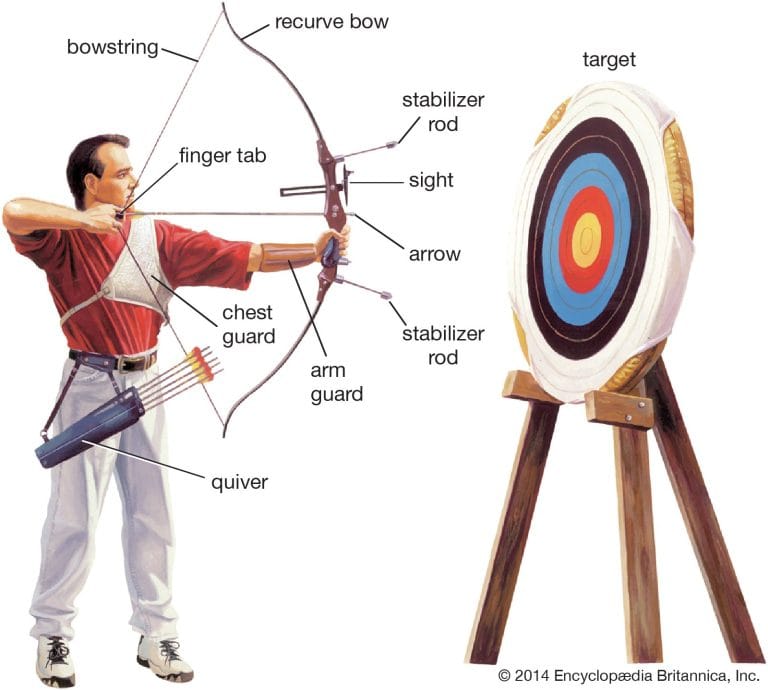
- Participants wear protective gear (armguards, finger tabs).
- Strict range rules govern when and how to shoot.
- Equipment is stored safely when not in use.
Highlight that, according to the National Safety Council, archery has one of the lowest injury rates among organized sports.
Legal Considerations
Clarify that you practice archery in a legal, responsible manner:
- Shooting only at certified ranges or private property with permission
- Complying with local laws regarding equipment and transport
- Not using archery equipment in public or unsafe areas
For hunting contexts, mention compliance with state regulations and ethical hunting practices.
Public Perceptions And Misconceptions
Archery is sometimes associated with danger due to its portrayal in media. Gently correct misconceptions by emphasizing the sport’s discipline, focus, and community aspects.
Example:
A neighbor asks about the sound of arrows: “I practice target archery in my backyard, always with a secure backstop and safety checks. Archery is actually one of the safest sports, especially with proper precautions.”
Comparison Table: Archery Vs. Other Sports Injury Rates
| Sport | Injury Rate (per 1,000 participants) | Source |
|---|---|---|
| Archery | 0.57 | National Safety Council |
| Baseball | 2.01 | National Safety Council |
| Soccer | 2.08 | National Safety Council |
| Basketball | 2.14 | National Safety Council |

Credit: www.drpaulmccarthy.com
Effective Communication Strategies
Communicating your archery experience effectively involves more than just factual accuracy. It’s about storytelling, anticipation of questions, and building rapport.
Storytelling Techniques
Engage your audience by sharing a memorable or relatable experience rather than just stating facts. For example, describe the satisfaction of hitting a bullseye or the camaraderie at the range.
Elements of a compelling story:
- Setting (Where did you shoot? Who was there?)
- Challenge (Was there a skill you were working on?)
- Resolution (What did you learn or achieve?)
Anticipating And Addressing Questions
Prepare for common follow-up questions, such as:
- “Isn’t archery dangerous?”
- “Where do you practice?”
- “How expensive is the equipment?”
Having clear, confident answers boosts your credibility and helps others feel more comfortable.
Using Visual Aids
If appropriate, show photos or short videos of your archery sessions. Visuals can demystify the sport and highlight the safety measures in place.
Example:
In my experience, showing a quick video of my target practice session helped my skeptical friend understand how structured and safe the environment was. It turned concern into curiosity, and he even asked to join me next time.
Bullet List: Key Communication Tips
- Use clear, non-technical language
- Focus on the sport and skills, not the “weapon” aspect
- Address safety and legality upfront
- Share positive or humorous anecdotes
- Invite questions and offer to demonstrate or share more
Real-world Scenarios And Case Studies
Understanding how to tell someone you were shooting a bow becomes easier with concrete examples. Here are several scenarios, each illustrating a different approach.
Scenario 1: Explaining To A Medical Professional
If you visit a doctor for an arm bruise, clarity and honesty are crucial. You might say, “I’m an amateur archer, and this bruise is from the bowstring. I use protective gear, but sometimes mistakes happen. Is there anything I should do to prevent injury?
”
This approach:
- Clearly states the cause
- Shows awareness of safety
- Invites professional advice
Scenario 2: Sharing With A New Acquaintance
When meeting someone at a social event who asks about your weekend, you could respond: “I spent Saturday at the archery range. It’s a great way to focus and unwind, plus the community is really supportive. Have you ever tried it?”
This response:
- Highlights positive aspects
- Encourages further conversation
- Avoids technical jargon
Scenario 3: Addressing Concerned Neighbors
If a neighbor hears the sound of arrows and asks about your activity, be proactive: “I practice target archery in my backyard, always with safety in mind. I have a secure backstop and never shoot if anyone is nearby. If you’re ever curious, I’d be happy to show you how it works.”
This explanation:
- Reassures about safety
- Offers transparency
- Builds neighborly trust
Case Study: Building Workplace Interest
A colleague noticed an archery-themed calendar on my desk and asked about it. I explained that I practice archery at a local club, mentioned the safety protocols, and shared how it helps with stress relief. The conversation led to the formation of a small group interested in trying archery together, strengthening our workplace camaraderie.
Example:
A parent at a school event overheard me discussing archery and asked if it was appropriate for children. I explained how many clubs offer youth programs with certified instruction, emphasizing safety and skill-building. She later enrolled her daughter in a beginner class.
Navigating Sensitive Or Challenging Conversations
Not all audiences will be enthusiastic or receptive when you tell them you were shooting a bow. Being prepared for skepticism or discomfort can help you handle these moments with tact.
Handling Skepticism
If someone expresses concern or skepticism, listen respectfully before responding. Acknowledge their feelings, then share factual information about the safety and structure of archery.
Example response: “I understand why you might be concerned, but organized archery is highly regulated and statistically one of the safest sports. We always follow strict guidelines to keep everyone safe.”
Addressing Cultural Or Personal Sensitivities
In some cultures or communities, the idea of using a bow and arrow may have different connotations. If you sense discomfort, focus on the sporting and historical aspects of archery rather than the hunting or weapon angle.
Key points to emphasize:
- Olympic and Paralympic status of archery
- Historical traditions and cultural significance
- Focus on discipline, focus, and personal development
Responding To Misunderstandings
If someone mistakes your archery practice for unsafe or illegal behavior, calmly clarify the situation and, if possible, provide documentation or invite them to observe a session.
Example: Defusing Tension
When a neighbor misunderstood my backyard practice and expressed concern, I invited them over to see the setup. Demonstrating the safety precautions firsthand quickly resolved any worry and even sparked their interest in trying the sport themselves.
Bullet List: Steps To Navigate Difficult Conversations
- Stay calm and respectful
- Listen actively before responding
- Share facts and personal experience
- Offer invitations to observe or learn more
- Respect differing perspectives
Highlighting The Benefits And Appeal Of Archery
When you share that you were shooting a bow, it’s an opportunity to highlight the unique benefits of archery. This can transform the conversation from a simple explanation to an inspiring introduction to the sport.
Physical And Mental Health Benefits
Archery offers a wide range of advantages for both body and mind:
- Improved focus and concentration: Target shooting requires steady attention.
- Upper body strength and coordination: Drawing a bow engages multiple muscle groups.
- Stress relief: Many archers find the repetitive, meditative nature calming.
- Goal setting and achievement: Hitting targets and improving skills fosters confidence.
According to a study published by the Journal of Sports Sciences, archery can improve postural control and motor skills, especially in young participants.
Social And Community Aspects
Archery clubs and ranges offer a strong sense of community, with opportunities for group learning, friendly competition, and mentorship. Many people find new friends and support networks through the sport.
Accessibility And Inclusivity
Archery is recognized for its accessibility. Adaptive equipment and programs exist for people with disabilities, making it one of the most inclusive sports globally. The International Paralympic Committee highlights archery as a core event in the Paralympic Games (International Paralympic Committee).
Bullet List: Benefits To Mention
- Enhances physical fitness and coordination
- Builds patience, focus, and discipline
- Accessible to people of all ages and abilities
- Provides a welcoming community environment
- Offers competitive and recreational opportunities
Example:
When explaining my hobby to a skeptical family member, I focused on how archery helped me manage stress and improve my focus at work. They were surprised to learn about the mental benefits, and it shifted their perspective on the sport.
Comparing Archery With Other Recreational Activities
Sometimes, it helps to contextualize archery by comparing it with more familiar hobbies. This can make the sport seem less intimidating and more relatable.
Cost And Equipment Comparison
Archery is often perceived as expensive, but entry-level equipment and range fees are comparable to other activities.
| Activity | Average Startup Cost | Ongoing Costs (per session) | Accessibility |
|---|---|---|---|
| Archery | $200, $500 (bow, arrows, basic gear) | $10, $20 (range fee) | Beginner lessons widely available |
| Golf | $300, $800 (clubs, bag, shoes) | $25, $50 (green fee) | Courses may require membership |
| Martial Arts | $50, $150 (uniform, gear) | $10, $25 (class fee) | Many local schools |
| Rock Climbing | $150, $300 (harness, shoes) | $15, $25 (gym fee) | Climbing gyms in most cities |
Skill Development Comparison
Archery is unique in that it combines elements of precision, patience, and physical fitness. Unlike high-impact sports, it is low risk and can be adapted for all ages.
Time Commitment
Many people are surprised to learn that archery can be practiced in short, flexible sessions, making it easy to fit into a busy schedule.
Example:
When discussing hobbies with a coworker who played golf, I compared the meditative aspects of both sports and pointed out that archery has a lower ongoing cost and a similar sense of personal achievement.
Answering Common Questions And Curiosities
Being prepared to answer questions demonstrates your knowledge and helps normalize archery as a safe, enjoyable pastime. Here are some typical questions people may ask, along with suggested responses.
“isn’t Archery Dangerous?”
Archery is statistically safer than many team sports, thanks to strict range rules and safety equipment. Most injuries are minor and preventable with proper training and gear.
“where Do You Practice?”
I practice at a local archery range, which is supervised by certified instructors. Some people also have safe setups at home, always following legal and safety guidelines.
“how Do You Transport Your Equipment?”
Bows and arrows are transported in secure cases, and most states have specific laws about carrying archery equipment. I always follow these regulations to ensure safety.
“is Archery Expensive?”
Getting started can be affordable, especially with beginner packages at local ranges. Many clubs offer rental equipment, and costs are similar to other hobbies.
“can Anyone Try Archery?”
Absolutely. Archery is accessible to people of all ages, backgrounds, and abilities. Many clubs have programs for children, adults, and people with disabilities.
Comparison Table: Archery Accessibility Programs
| Program | Target Audience | Features |
|---|---|---|
| National Archery in the Schools Program (NASP) | Students (grades 4-12) | In-school curriculum, equipment provided |
| USA Archery Adaptive Archery | People with disabilities | Adaptive equipment, inclusive coaching |
| Local Club Beginner Classes | All ages | Intro lessons, equipment rental |
Frequently Asked Questions
How Should I Explain Archery To Someone Who Associates It With Violence?
When speaking with someone who sees archery primarily as a weapon, emphasize the sport’s focus on discipline, concentration, and historical significance. Mention its Olympic status and highlight that most archers practice for target shooting, not hunting or combat. Sharing stories about competitions or group lessons can also shift the focus toward the community and skill-building aspects of archery.
What Should I Do If Someone Reacts Negatively To My Archery Hobby?
If you encounter a negative reaction, remain calm and open to discussion. Listen to their concerns and offer clear, factual information about safety and legality. If appropriate, invite them to observe a practice session or share resources from reputable organizations such as USA Archery. Respect their perspective and don’t push the conversation further if they’re uncomfortable.
Are There Situations Where I Shouldn’t Mention Shooting A Bow?
Yes, certain contexts, such as airports, government buildings, or areas with strict weapon policies, may not be appropriate for discussing archery, especially in a casual or joking manner. Use discretion based on the setting and your audience. In professional environments, consider whether sharing your hobby is relevant or beneficial to the conversation.
How Can I Encourage Others To Try Archery After Telling Them About It?
Share your personal positive experiences and highlight the accessibility of beginner classes and rental equipment. Offer to bring them to a local range or introduce them to a club. Sharing photos, videos, or stories about group activities can make the idea more inviting and less intimidating.
What Resources Can I Recommend For Someone Interested In Learning More?
Point them toward reputable organizations such as USA Archery, the National Archery in the Schools Program (NASP), or local archery clubs. Many communities offer beginner courses and equipment rental. Online resources like the International Archery Federation provide information on safety, competitions, and events worldwide.
Sharing your experience of shooting a bow is more than just recounting an activity, it’s a chance to educate, inspire, and connect. With thoughtful communication, you can help others appreciate the art and discipline of archery, foster understanding, and perhaps even spark a new passion.