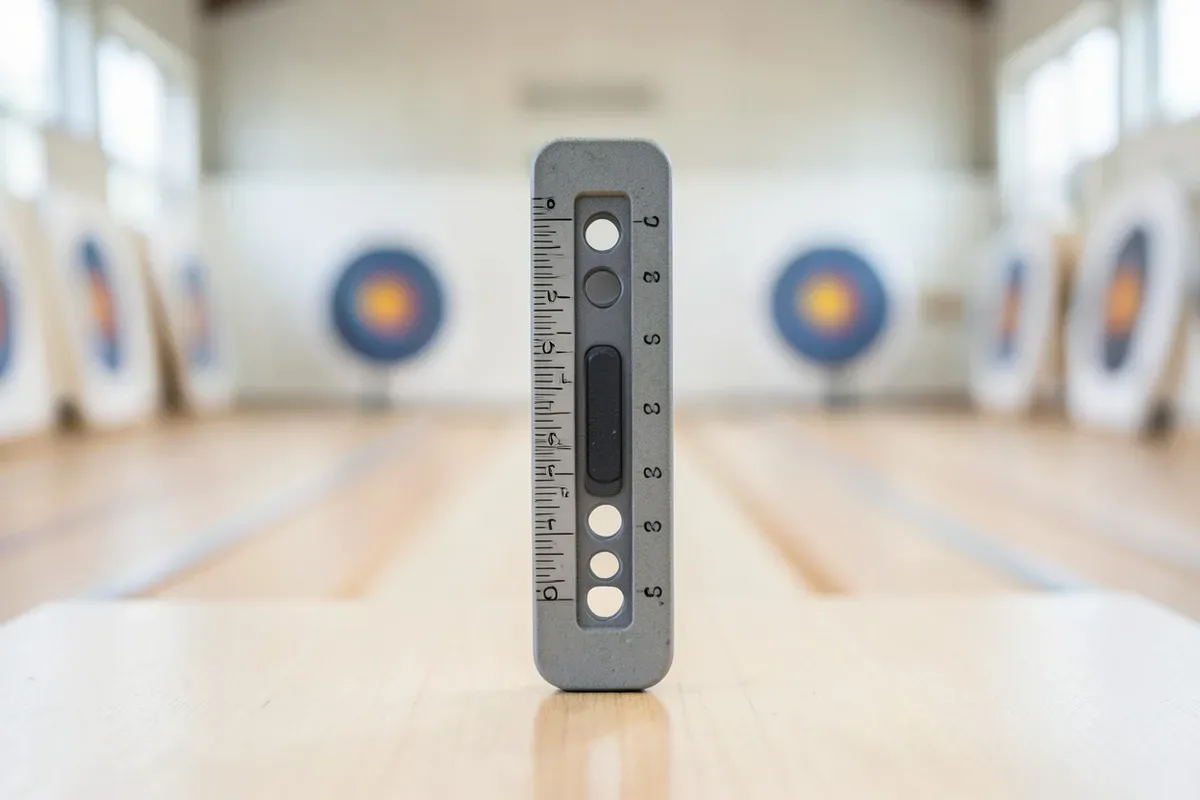
How Do You Measure Draw Length For Bow And Arrow
Accurately measuring your draw length is a critical, yet often overlooked, step in optimizing your archery experience. Whether you’re a beginner setting up your first compound bow, a seasoned hunter, or an Olympic recurve shooter, the right draw length ensures peak performance, improved accuracy, and reduced risk of injury. The wrong measurement can lead to poor form, missed targets, and even chronic discomfort. Yet, many archers rely on guesswork or outdated rules of thumb, never realizing their full potential.
As bow technology evolves and competitive standards tighten, understanding how to properly measure draw length becomes more important than ever. This comprehensive guide breaks down the essential methods, tools, and expert insights to help you measure your draw length with precision.
Whether you’re tuning a bow for yourself, coaching others, or seeking the perfect fit for youth or adaptive archers, mastering this foundational skill can elevate every shot you take.
Key Takeaways
- Draw length directly affects accuracy, comfort, and the effectiveness of your bow setup.
- Several proven methods exist to measure draw length; each suits different needs and levels of precision.
- Using professional tools and consulting certified archery technicians delivers the most reliable results.
- Real-world case studies show that optimizing draw length can improve consistency and prevent common injuries.
- Choosing the right draw length enhances not only performance, but also the enjoyment and longevity of your archery journey.
Why Draw Length Matters In Archery
Understanding the significance of draw length is foundational for anyone serious about archery. This measurement is not merely a technical detail; it is the key determinant of how well your body mechanics align with your bow.
Impact On Accuracy And Consistency
When your draw length matches your physical dimensions, you achieve a consistent anchor point, which is critical for repeatable accuracy. Even minor discrepancies in draw length can cause your shots to veer off-target, especially at longer distances. Consistency in draw length allows for:
- Predictable arrow flight
- Tighter groupings on the target
- Faster skill progression
Influence On Power And Arrow Speed
Draw length also determines the power stroke, the distance the bowstring travels from rest to full draw. A longer, properly measured draw length translates to increased energy transfer, resulting in higher arrow velocity. Conversely, a draw length that’s too short reduces arrow speed and overall bow efficiency.
Preventing Injury And Fatigue
Incorrect draw length often forces archers to compensate with poor posture or overextended muscles. According to the Archery Trade Association, using an improper draw length increases the risk of shoulder, neck, and back strain. Over time, this can lead to chronic injuries that sideline even experienced archers.
Optimizing For Different Bow Types
Different bow styles, compound, recurve, traditional longbow, respond uniquely to draw length adjustments. Compound bows, for example, have cams designed to deliver optimal performance at specific draw lengths. Using the wrong measurement negates these engineering advantages.

Credit: ok-archery.de
Methods For Measuring Draw Length
There are several tried-and-true techniques for measuring draw length, ranging from simple at-home assessments to precision pro shop tools. Understanding each method helps you choose the best approach for your needs.
Wingspan Method
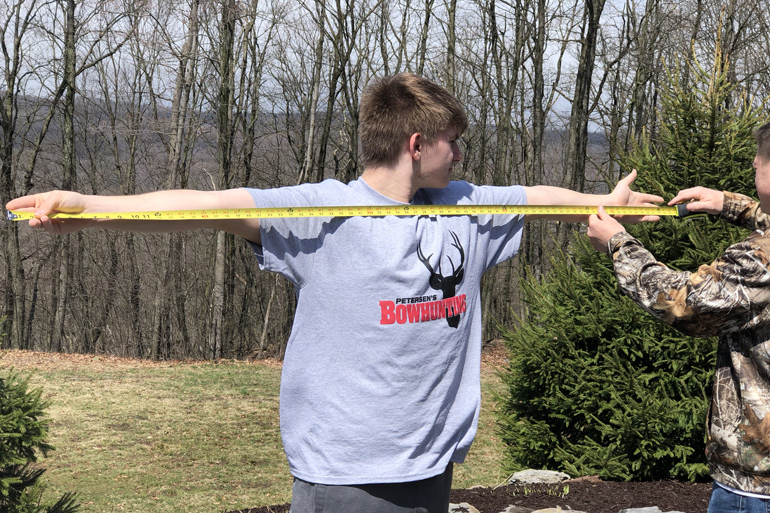
The wingspan method is one of the most popular starting points, especially for beginners. It provides a quick, reasonably accurate estimate using only a tape measure and basic math.
Steps:
- Stand upright with your arms extended horizontally, forming a “T” shape.
- Have a friend measure the distance from the tip of one middle finger to the other.
- Divide this measurement (in inches) by 2.5.
Example: If your wingspan is 70 inches, your estimated draw length is 28 inches.
Pro Tip: This method works well for most adults but may not account for individual shoulder or torso variations.
Wall Measurement Method
For increased accuracy, the wall measurement method closely simulates the actual shooting posture.
Steps:
- Stand side-on to a wall, mimicking your natural shooting stance.
- Extend your bow arm forward, keeping your shoulders relaxed.
- Mark where your arrow nock would rest (usually at the corner of the mouth or chin).
- Measure from the wall (where your bow hand is) to the mark.
This method often yields a result closer to your true draw length, especially when performed under the guidance of a coach.
Bow Draw And Mark Method
If you have access to a bow (preferably one with an adjustable draw length and no arrow), this method provides a hands-on assessment.
Steps:
- Nock an arrow and come to full draw, using your natural anchor point.
- Have someone mark the arrow at the point where it meets the riser (arrow rest).
- Measure from the nock groove to the mark.
This direct measurement captures your personal shooting form, making it one of the most reliable DIY methods.
Professional Archery Shop Measurement
Visiting a certified archery pro shop ensures the highest accuracy. Technicians use draw length gauges, draw boards, and sometimes digital tools to analyze your form and biomechanics.
Advantages:
- Precision to within 1/8 inch
- Expert advice on form corrections
- Immediate equipment adjustments
Many competitive archers and hunters rely on this method, especially when investing in high-end custom bows.
Comparison Of Draw Length Measurement Methods
| Method | Accuracy | Equipment Needed | Best For |
|---|---|---|---|
| Wingspan | Good (±0.5 in) | Tape measure | Beginners, quick estimates |
| Wall Measurement | Very Good (±0.25 in) | Tape measure, wall | Intermediate archers |
| Bow Draw and Mark | Excellent (±0.125 in) | Bow, arrow, marker | Experienced archers |
| Pro Shop | Excellent (±0.0625 in) | Draw board, gauges | Competitive, custom fitting |
Credit: www.bowhunter.com
Factors Affecting Draw Length Measurement
While the measurement methods above provide a solid starting point, several key factors can influence your final draw length calculation.
Body Proportions
Not all archers fit the average arm-span-to-height ratio. For example, some individuals have longer torsos or shorter arms relative to their height, which can skew basic formulas. Adjustments may be needed for:
- Extremely broad or narrow shoulders
- Flexible or hyperextended joints
- Unique anchor points (e.g., Olympic vs. traditional styles)
Archery Form And Anchor Point
Your chosen anchor point, the spot where you consistently draw the string to, significantly impacts draw length. For instance:
- Olympic recurve shooters often anchor under the chin.
- Traditional archers may use the corner of the mouth.
- Compound shooters might use a kisser button or peep sight alignment.
Any change to your anchor point will alter your true draw length.
Bow Type And Setup
Different bows require tailored draw length calculations. Compounds, recurves, and longbows each have unique geometry and string path considerations. For instance, compound bows “break over” at a defined draw length, while recurves and longbows allow for more flexibility.
Equipment And Accessories
Items such as release aids, D-loops, and grip styles can add or subtract fractions of an inch from your effective draw length. Always measure with your actual shooting setup whenever possible.
Real-world Example: Adapting For Youth Archers
A youth archer with a fast growth rate may need frequent draw length adjustments. Using adjustable bows and regular measurements ensures they maintain proper form and prevent overextension injuries.

Credit: www.outdoorlife.com
Step-by-step Guide: Measuring Your Draw Length
To ensure accuracy and repeatability, follow this detailed process for measuring your own draw length.
Step 1: Gather Equipment
- A flexible tape measure (cloth or retractable)
- A wall or flat surface
- A friend or coach for assistance
- Optional: Your bow and arrow, marker
Step 2: Choose Your Measurement Method
Start with the wingspan method for a baseline, then refine with wall or bow draw methods for greater precision.
Step 3: Assume Shooting Stance
Stand naturally as you would when shooting. Feet shoulder-width apart, posture upright, head facing forward.
Step 4: Extend Arms (if Using Wingspan Or Wall Methods)
For the wingspan method, extend both arms out. For the wall method, extend your bow arm toward the wall, keeping shoulders relaxed.
Step 5: Mark And Measure
- For wingspan: Measure fingertip to fingertip, divide by 2.5.
- For wall: Mark the anchor point and measure from the wall to the mark.
- For bow draw: Nock an arrow, draw to your anchor, mark where arrow meets riser, and measure.
Step 6: Cross-check And Adjust
Repeat the process a couple of times to ensure consistency. If measurements vary, use the average.
Step 7: Consult A Professional (optional)
If possible, visit a pro shop to verify your results and receive expert fitting.
Example: Measuring Draw Length For A Beginner
Suppose a new archer has a wingspan of 68 inches. 68 ÷ 2. 5 = 27. 2 inches. After using the wall method, the measured draw length is 27. 5 inches. A bow shop technician confirms this with a draw gauge.
The archer selects a bow set to 27. 5 inches, resulting in improved accuracy and comfort.
Customizing Draw Length For Different Archery Disciplines
Each archery discipline has its own standards and nuances regarding draw length. Customizing your measurement for your shooting style maximizes both performance and enjoyment.
Compound Bow Archery
Compound bows have fixed draw stops, making precise measurement crucial. Most compound shooters use mechanical release aids and anchor behind the jaw or at the cheek.
- Recommended: Use pro shop measurement or bow draw/mark method.
- Tip: Factor in the length added by D-loops or release aids.
Olympic Recurve Archery
Recurve shooters often anchor below the chin for consistency. Slightly longer draw lengths are common due to the style of anchoring.
- Recommended: Wall or bow draw method.
- Tip: International standards, such as those set by World Archery, require precise draw length measurement for competition compliance.
Traditional And Barebow Archery
Traditional archers may use a variety of anchor points, often at the corner of the mouth or cheekbone.
- Recommended: Bow draw method, using the actual bow and arrow for maximum authenticity.
- Tip: Regularly re-check draw length as traditional form can evolve over time.
Adaptive Archery
Adaptive archers may require unique measurement techniques to accommodate physical differences or assistive devices.
- Recommended: Professional fitting with adaptive equipment specialists.
- Tip: Organizations like the USA Archery Adaptive Program offer resources and specialized coaching.
Comparison Table: Draw Length Preferences By Discipline
| Discipline | Common Anchor Point | Draw Length Tolerance | Preferred Measurement Method |
|---|---|---|---|
| Compound | Behind jaw/cheek | ±0.125 in | Pro shop, bow draw |
| Olympic Recurve | Under chin | ±0.25 in | Wall, bow draw |
| Traditional/Barebow | Corner of mouth | ±0.5 in | Bow draw |
| Adaptive | Varied | Case-by-case | Professional fitting |
Adjusting And Fine-tuning Draw Length
Even after you’ve measured, minor adjustments may be necessary. Fine-tuning is part of the process, especially as you develop your technique or change equipment.
Signs Your Draw Length Needs Adjustment
- Consistent left/right misses (for right-handed shooters, too long a draw often results in left misses)
- Overextended or cramped stance
- Difficulty achieving a solid, repeatable anchor
- Excessive facial contact with the string or peep sight misalignment
How To Adjust Draw Length
- Compound Bows: Most modern compounds allow micro-adjustments via rotating modules or changing draw stops. Consult your bow’s manual or visit a shop.
- Recurve/Traditional Bows: Adjusting the anchor point slightly forward or backward can refine draw length.
- Release Aids: Switching to a different release or changing D-loop length can affect draw length by up to half an inch.
The Role Of Arrow Spine
Incorrect draw length can lead to poor arrow flight due to mismatched arrow spine (stiffness). Always match your arrow selection to your confirmed draw length for optimal performance.
Example: Case Study In Fine-tuning
A competitive compound archer noticed inconsistent grouping and mild shoulder discomfort. After a session with a coach, they shortened their draw length by 0. 25 inches. The result was improved anchor stability, reduced fatigue, and tighter shot groupings.
Common Draw Length Mistakes And How To Avoid Them
Even experienced archers can make mistakes when measuring or setting their draw length. Being aware of these pitfalls helps you avoid setbacks.
Overestimating Draw Length
Many archers, especially men, tend to overestimate their draw length. This leads to overextension, form breakdown, and missed shots.
Warning: Never “round up” your draw length for more power, it often backfires.
Ignoring Anchor Point Consistency
Changing your anchor point after setting draw length invalidates the previous measurement. Always measure with your real-world shooting form.
Neglecting Equipment Changes
Switching bows, release aids, or even arrow nocks can alter effective draw length. Re-measure after any significant equipment change.
Skipping Professional Fitting
DIY methods are a great start, but nothing replaces the accuracy and safety of a certified technician’s assessment.
Example: Real-world Mistake
A hunter set his bow’s draw length based on his wingspan but later switched to a handheld release aid. The effective draw length increased by nearly an inch, causing inconsistent arrow flight. A quick visit to the pro shop corrected the issue.
How Draw Length Relates To Other Key Archery Measurements
Draw length is interconnected with several other critical archery specifications. Understanding these relationships ensures your entire setup works harmoniously.
Draw Weight
Draw weight, the force required to pull the bowstring, should match your measured draw length. Increasing draw length often increases draw weight, especially on traditional bows.
Pro Tip: After adjusting draw length, always re-check draw weight for comfort and compliance with competition rules.
Arrow Length
Your arrow must be long enough to accommodate your draw length safely. The standard practice is to add 1, 1. 5 inches to your draw length for total arrow length.
Example: A draw length of 28 inches requires arrows at least 29, 29.5 inches long.
Brace Height And Peep Sight Placement
Adjusting draw length can affect brace height (the distance between the bowstring and grip) and the position of your peep sight or kisser button. Fine-tune these components after setting draw length.
Comparison Table: Draw Length Vs. Arrow Length
| Draw Length (inches) | Recommended Arrow Length (inches) |
|---|---|
| 26 | 27, 27.5 |
| 28 | 29, 29.5 |
| 30 | 31, 31.5 |
Draw Length And Performance: Case Studies
Examining real-world scenarios highlights the tangible benefits of accurate draw length measurement.
Case Study 1: Target Archery Success
A collegiate archer struggled with inconsistent scores and minor shoulder pain. Using the wall measurement and bow draw methods, she discovered her draw length was 0. 5 inches too long. After adjusting her bow, her average score improved by 12% over the next season, and her pain subsided.
Case Study 2: Bowhunting Efficiency
A bowhunter experienced frequent misses at 30 yards. A pro shop technician discovered his draw length was set too short, causing him to “creep” forward and lose power. After increasing his draw length by 0. 75 inches, his arrow speed and accuracy improved significantly, leading to a successful hunt.
Case Study 3: Youth Archery Growth
A 12-year-old archer’s rapid growth led to recurring form issues. By measuring draw length every six months and using an adjustable compound bow, coaches maintained proper fit and prevented injury, allowing the archer to compete successfully in regional tournaments.
Case Study 4: Adaptive Archery Customization
An adaptive archer required a custom anchor point due to limited arm mobility. Professional measurement and equipment adaptation enabled consistent, comfortable shooting and participation in local competitions.
Resources And Tools For Measuring Draw Length
Numerous resources and tools are available to help you measure and refine your draw length.
At-home Tools
- Flexible tape measure: For wingspan and wall methods
- Marker or chalk: To mark anchor points
- Mirror or smartphone camera: To self-assess form and anchor consistency
Professional Tools
- Draw length gauges: Available at most pro shops
- Draw boards: Used for precise compound bow measurement
- Digital measurement systems: Some shops offer laser-based systems for advanced fitting
Online Calculators And Guides
Several reputable archery manufacturers and organizations provide online draw length calculators. For example, the Easton Archery website offers a user-friendly tool for quick estimates.
External Resource: For more in-depth techniques and diagrams, visit the Wikipedia Draw Length Article.
Instructional Videos And Courses
Platforms such as USA Archery and YouTube provide step-by-step video guides for every measurement method.
External Resource: See Lancaster Archery Supply’s draw length guide at Lancaster Archery for professional tips.
Frequently Asked Questions
How Does Draw Length Affect Arrow Speed And Kinetic Energy?
Draw length directly impacts the power stroke of your bow. A longer draw length allows the string to travel farther, increasing the energy transferred to the arrow. This results in higher arrow speed and greater kinetic energy, which is especially important for hunting and long-distance shooting. However, exceeding your natural draw length can reduce accuracy and increase the risk of injury.
Can I Change My Draw Length After Purchasing A Bow?
Most modern compound bows feature adjustable modules or rotating cams that allow you to modify draw length within a certain range. Recurve and traditional bows require changes to your anchor point or possibly a different bow size. Always consult your bow’s manual or a certified technician before making adjustments to ensure safety and optimal performance.
What Is The Best Draw Length For Youth Or Growing Archers?
For youth and growing archers, adjustable compound bows are ideal. These models often allow for a wide range of draw length settings to accommodate growth spurts. It’s recommended to measure draw length every 6, 12 months and adjust as needed.
Proper fit prevents injury and supports skill development.
How Do I Measure Draw Length If I Shoot With A Release Aid Or D-loop?
When using a mechanical release aid or D-loop, include the added length in your measurement. Some release aids can extend your draw by up to half an inch. Measure with your complete setup, bow, release, and D-loop, in place to ensure the most accurate result for your shooting style.
Is Professional Fitting Necessary For Experienced Archers?
Even experienced archers benefit from periodic professional fitting. Changes in technique, equipment, or physical condition can alter your ideal draw length. A certified technician uses advanced tools and has the expertise to spot subtle issues that might be missed with DIY methods.
Regular check-ups can enhance performance and prevent long-term injuries.
Archery is a sport where precision and personalization matter. Measuring your draw length correctly can mean the difference between frustration and fulfillment on the range or in the field. Take the time to assess your measurement using the methods outlined here, adjust as you grow and improve, and don’t hesitate to consult professionals for the best results.
In my experience, archers who prioritize draw length fitting see remarkable gains in accuracy and enjoyment. Start with the basics, build on your findings, and enjoy the confidence that comes with a setup tailored perfectly to you.