Are You Allowed to Shoot a Bow in Your Backyard? Laws Explained
Shooting a bow in your backyard sounds like a simple way to enjoy archery, relax, or even practice for hunting season. But is it actually legal or safe to do so? This question isn’t just about hitting a bullseye, it’s about following laws, keeping neighbors safe, and respecting your community.
Many people are surprised by how much the rules can change depending on where they live, the type of bow they use, or even the size of their yard. Understanding these factors is key before you string an arrow and aim at a target in your own space.
Let’s look at what really matters if you want to shoot a bow in your backyard. This article explains the laws, safety rules, and what you need to know to stay out of trouble. Whether you’re a beginner or an experienced archer, you’ll find practical tips and clear answers here.
The goal isn’t just to avoid fines, it’s to make sure everyone, including you and your neighbors, stays safe and happy.
Understanding Backyard Archery Laws
Before you set up a target, you need to check the local laws. Backyard archery is not handled the same way everywhere. In some areas, it’s allowed with few restrictions. In others, it’s strictly illegal.
City, County, And State Regulations
Regulations about shooting a bow in your backyard can come from three places:
- State law: Sets broad rules, especially about hunting or dangerous weapons.
- County/city law: Often includes more detailed or strict rules about weapons in residential areas.
- Homeowners’ associations (HOAs): Can set their own rules for your neighborhood.
For example, some cities ban all weapons, including bows, within city limits. Others allow archery but require you to meet safety standards. Always check with your local police department or city hall before shooting a bow at home.
Why Rules Differ
Laws are different because of local history, population density, and concerns about safety. A rural area might allow backyard archery, while a crowded city likely won’t. Some towns even have special permits for backyard ranges.
Pro Tip: Even if state law says backyard archery is allowed, your city or HOA might still ban it. Always check every level.
Age Restrictions And Supervision
Some places allow backyard archery only for adults, or require adult supervision if minors are shooting. This is especially true in areas close to schools, parks, or public spaces.
What Counts As A “bow” Under The Law?
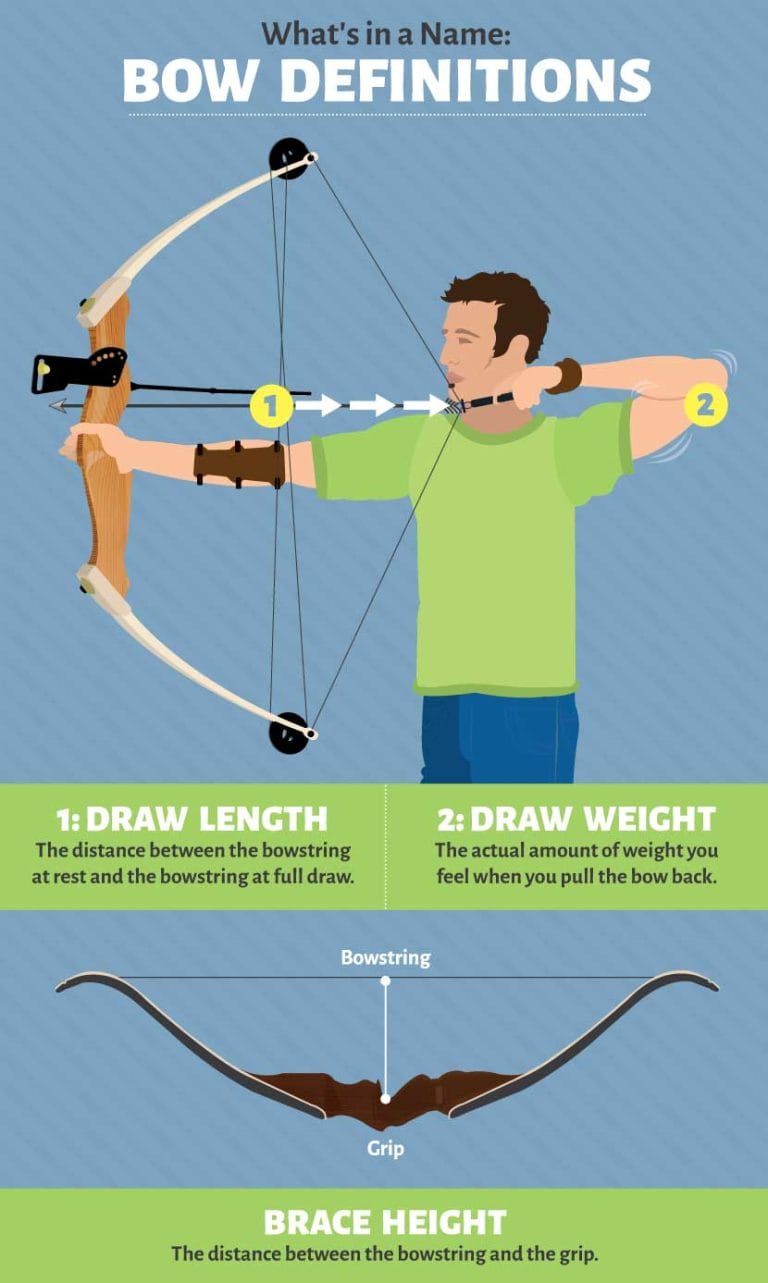
Not all bows are the same in the eyes of the law. Some rules only apply to certain types of bows. Let’s break down the main types:
| Type of Bow | Typical Restrictions | Common Uses |
|---|---|---|
| Recurve Bow | Often treated as sporting equipment; less restricted in many areas | Target practice, Olympic archery |
| Compound Bow | May be classified as a “weapon” in some cities | Hunting, target shooting |
| Longbow | Usually same as recurve, but check local rules | Traditional archery |
| Crossbow | Frequently more restricted or banned; treated like a firearm in some states | Hunting, target shooting |
Example: In New York City, crossbows and even some compound bows are classified as dangerous weapons, while simple recurve bows might not be.
Safety Requirements For Backyard Archery
Even if backyard archery is legal in your area, safety is non-negotiable. Most places with legal backyard archery require you to follow strict safety standards.
Minimum Yard Size And Distance
A common rule is that you must have enough space to shoot safely. Some cities set a minimum distance from property lines, streets, or buildings. For example, you may need to be at least 50 feet from a neighbor’s house or 150 feet from a road.
Backstop And Barrier Requirements
A backstop is a barrier behind your target that stops arrows if you miss. Many areas require a strong backstop, such as:
- A thick foam or rubber mat
- A wall of hay bales stacked tightly
- A wooden fence designed to stop arrows
The backstop should be at least several feet wider and taller than your target.
Fencing And Enclosure
Some local rules say your yard must be fully fenced, or that the range must be enclosed on three sides. This is to prevent stray arrows from leaving your property.
Supervision And Signage
If children are shooting, adult supervision is often required. Some places also require you to post warning signs to alert others that archery is in progress.
Examples Of Local Laws In The Us
To understand how different local laws can be, here’s a comparison of backyard archery rules in several US cities:
| Location | Backyard Archery Legal? | Key Restrictions |
|---|---|---|
| Los Angeles, CA | No | All projectile weapons banned in city limits |
| Houston, TX | Yes (with restrictions) | Must have a proper backstop and be a safe distance from property lines |
| Columbus, OH | Maybe | Case-by-case, depends on zoning and yard size |
| Phoenix, AZ | Yes | Must not endanger others, strong backstop required |
| New York City, NY | No | Most bows classified as weapons, backyard use banned |
As you can see, it’s not safe to assume what’s allowed just because you saw someone do it on YouTube or in another state.

Credit: archerylessons.info
Homeowners’ Associations And Private Property Rules
Even if city law allows backyard archery, your homeowners’ association (HOA) may not. HOAs often have their own rules that are stricter than city or state law.
Typical Hoa Restrictions
- No weapons (including bows and arrows) allowed to be used in common areas or backyards.
- Noise, safety, and liability concerns.
- Fines for breaking HOA rules, even if you are within city law.
Handling Disputes
If you’re not sure about your HOA’s rules, ask for a copy of the regulations. If your HOA says no archery, violating the rule could lead to fines or even legal action.
Warning: Many insurance policies may not cover accidents if you break HOA or city rules, even if you think you are being safe.
How To Set Up A Safe Backyard Archery Range
If you’ve checked your local laws and you’re allowed to shoot, you need to build a range that’s safe for everyone.
Choosing The Right Spot
Pick a place in your yard where no one walks behind the target. Avoid areas near sidewalks, driveways, or play areas.
Building A Proper Backstop
Your backstop is your last line of defense. Good choices include:
- Archery netting: Specially designed to stop arrows without damaging them.
- Hay bales: At least 3 feet thick and stacked tightly.
- Thick foam: Commercially available archery foam blocks.
Stack your backstop at least 6 feet wide and 6 feet tall, centered behind your target.
Setting Up Targets
Use commercial archery targets or homemade ones made from dense foam or straw. Make sure they are stable and won’t tip over if hit off-center.
Safety Zone
Create a clear “no entry” zone behind your target and backstop. Rope it off or mark it clearly. Make sure pets and children can’t wander in.
Shooting Direction
Always shoot away from houses, streets, and areas where people might appear unexpectedly.

Credit: www.60xcustomstrings.com
Common Mistakes To Avoid
Backyard archery is fun, but a few common mistakes can lead to accidents or legal trouble.
- Assuming it’s legal everywhere: Just because you own your yard doesn’t mean you can use it for archery.
- Ignoring backstop requirements: Even experienced shooters miss.
- Not checking for people or pets: A moving target behind your range is a risk.
- Shooting towards streets or neighbors: Never shoot in a direction where a missed arrow could leave your property.
- Not informing neighbors: If your arrows are visible or make noise, a neighbor might call the police.
- Using the wrong targets: Some materials, like cardboard boxes, won’t stop arrows safely.
Pro Tip: Practice with lower-poundage bows or blunt-tip arrows when testing your setup. This reduces risk if a mistake happens.
Noise, Privacy, And Neighbor Relations
Shooting a bow is quieter than firing a gun, but it’s not silent. The sound of a string snapping or arrows hitting a target can travel. Some neighbors may worry or feel uncomfortable, especially if they have children or pets.
How To Talk To Neighbors
- Let neighbors know about your plans.
- Explain your safety measures.
- Offer to show them your setup so they feel comfortable.
Open communication can prevent misunderstandings and unnecessary complaints.
Privacy Screens
If your yard is visible, consider adding a privacy screen or tall plants behind your range. This keeps your activities out of sight and reduces curiosity or concern.
Insurance And Liability
Even if you follow all the rules, accidents can happen. An arrow leaving your property, or even hitting someone on your land, could make you legally responsible.
Homeowner’s Insurance
Most homeowner’s insurance policies do not automatically cover archery accidents. Some policies exclude injuries from “dangerous activities” or “projectiles.”
Pro Tip: Call your insurance agent and ask if you’re covered for backyard archery. You may need a special rider or extra coverage.
Waivers And Guests
If you invite friends to shoot, have them sign a waiver (if allowed by law). This can help protect you if someone is injured.
Alternatives When Backyard Archery Is Not Allowed
If you find out that backyard archery isn’t allowed in your area, don’t give up on the sport. There are other ways to practice safely and legally.
Local Archery Ranges
Many cities have indoor or outdoor archery ranges. These places have proper safety equipment, insurance, and trained staff.
Archery Clubs
Joining a club gives you access to safe shooting locations, coaching, and other archers for advice. Clubs often have group insurance as well.
Private Land
If you know someone with rural property, you may be able to set up a temporary range there. Always get written permission and follow all safety rules.
Diy Backyard Alternatives
Try using a light bow with foam-tipped arrows indoors. Some companies sell safe “archery tag” sets for indoor use.
Legal Consequences Of Breaking Backyard Archery Laws
Not following your local rules can lead to serious consequences:
- Fines: Many cities can fine you hundreds of dollars for illegal archery.
- Confiscation: Police may take your bow or other equipment.
- Criminal charges: In rare cases, you could be charged with reckless endangerment or a weapons offense.
- Insurance denial: Your insurance may refuse to cover damages if you broke the law.
Example: In 2026, a man in Chicago was fined $500 for practicing with a bow in his backyard, even though he never hit anything off his property. Local law banned all projectile weapons.
Steps To Check If You Can Shoot A Bow In Your Backyard
Here’s a quick checklist to follow before you shoot:
- Check city and county laws (online or call local police).
- Review HOA rules (get a copy in writing).
- Make sure your yard is large enough for safe shooting.
- Build a strong backstop and safety zone.
- Talk to your neighbors if your range is visible or audible.
- Confirm your insurance covers archery activities.
- Stay alert every time you shoot, no distractions.

Credit: archerylessons.info
Advanced Tips For Responsible Backyard Archery
Once you’re sure shooting is legal and safe, here are some advanced tips from my own experience:
- Regularly inspect your equipment: A damaged bow or frayed string can fail unexpectedly.
- Rotate your targets: This helps them last longer and prevents arrows from passing through.
- Practice at different distances: Don’t just shoot from the same spot every time.
- Keep a logbook: Track your practice and any safety issues. This is useful if a neighbor or HOA questions your activities.
- Set rules for guests: Only allow people you trust to shoot, and always supervise beginners.
Frequently Asked Questions
Can I Shoot A Bow In My Backyard If I Live In An Apartment Or Townhouse?
Usually not. Apartments and townhouses often share common outdoor spaces, and most leases or HOA rules ban all weapons, including bows. Even if you have a private yard, check with your landlord and read your lease carefully. Shooting a bow in these settings is almost always against the rules for safety reasons.
Do I Need A Permit To Shoot A Bow At Home?
In most US cities, you don’t need a permit for personal backyard archery if it’s allowed by law and you meet safety requirements. However, some places require a special permit for a home range, especially if you plan to teach others or run classes.
Always check with your local city hall for the most accurate answer.
Are There Special Rules For Children Practicing Archery At Home?
Yes, many places require constant adult supervision when minors are practicing. Some areas have age limits or require parents to complete a safety course first. It’s also smart to use lower-power bows and extra safety measures for kids. Injuries can happen quickly, so never leave children alone with archery equipment.
How Do I Find Out My Local Archery Laws?
Start with your city or county website, search for “archery ordinance” or “projectile weapons ordinance.” If you can’t find clear answers, call your local police non-emergency number or city hall. For state hunting laws and restrictions, the official state wildlife agency website is the best source. The National Field Archery Association also lists rules by state.
What Should I Do If A Neighbor Complains About My Backyard Archery?
Stay calm and polite. Listen to their concerns and explain your safety measures. If they still feel uncomfortable, consider inviting them to see your setup. If the complaint leads to a visit from the police or city officials, cooperate fully and show that you