How To Bow Hunt Food Plots
Bow hunting food plots is a pursuit that blends strategic land management with the thrill of archery. Unlike hunting deep woods or natural funnels, targeting game on food plots demands an acute understanding of animal behavior, habitat design, and stealth tactics.
For modern bow hunters, food plots offer a controlled environment where deer and other game gather, presenting unique opportunities, and challenges, for ethical, effective harvests.
The rise in popularity of food plot hunting is fueled by its ability to increase both wildlife sightings and shot opportunities. According to the Quality Deer Management Association, hunters who utilize food plots report seeing 40% more deer on average compared to those who rely solely on natural forage areas.
However, success hinges not just on plot placement or seed choice, but on mastering entry, exit, wind, and concealment. Whether you’re a seasoned archer or a newcomer, learning how to bow hunt food plots can transform your hunting experience, boost your harvest rates, and contribute to sustainable wildlife management.
Key Takeaways
- Food plots can significantly increase deer sightings and shot opportunities for bow hunters.
- Success relies on careful plot design, strategic stand placement, and understanding animal movement.
- Mastering wind direction, entry and exit routes, and concealment are crucial for close-range archery shots.
- Quality seed selection, plot maintenance, and timing affect both wildlife attraction and hunting outcomes.
- Real-world examples show that following best practices leads to higher harvest rates and healthier deer populations.
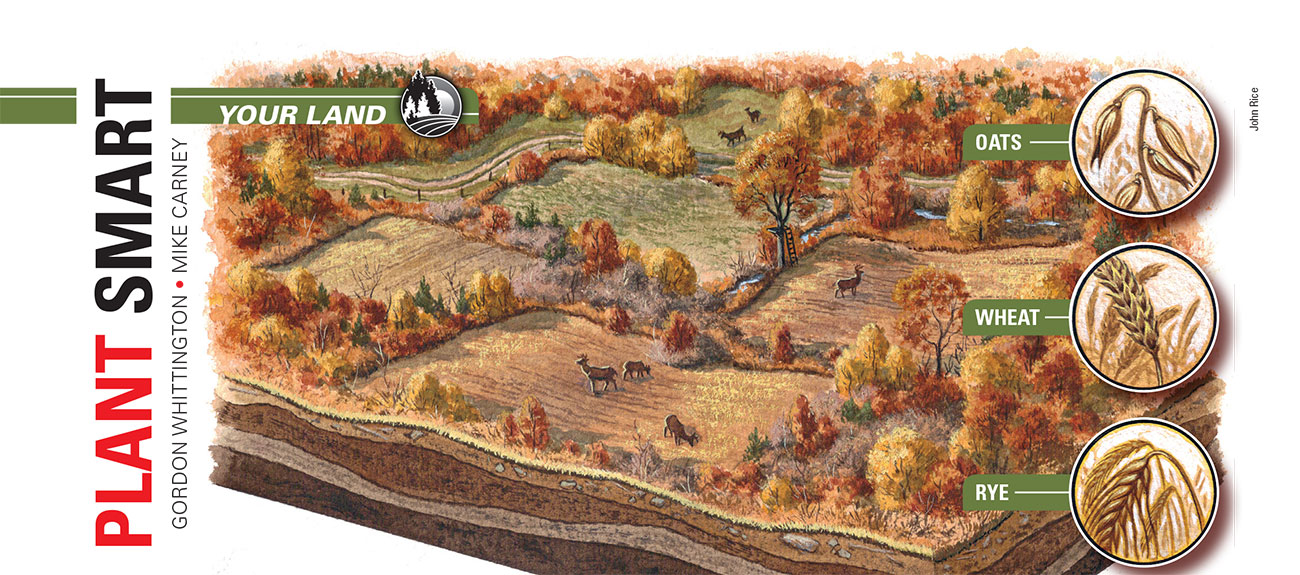
Credit: www.northamericanwhitetail.com
Understanding Food Plots For Bow Hunting
Food plots are cultivated areas designed to attract and nourish wildlife, primarily deer. Their purpose extends beyond simply drawing animals; they also enhance herd health, support biodiversity, and provide controlled hunting sites. Bow hunting these plots requires a nuanced approach, as game animals are often wary in open settings.
Types Of Food Plots
Food plots generally fall into two categories:
- Hunting plots: Small, secluded plots (often 0.25, 2 acres) placed near bedding areas, ideal for bow hunting due to limited visibility and predictable movement.
- Nutritional plots: Larger fields (2, 10+ acres) focused on herd health and year-round nourishment, less optimal for archery due to wide open spaces.
Key Plant Species
The choice of plants is critical. Popular options include:
- Brassicas (turnips, radishes): High sugar, attract deer late season.
- Clover: Perennial, excellent for spring and fall.
- Soybeans: Protein-rich, favored in summer and early fall.
- Winter wheat and oats: Early season attraction, easy to grow.
Plot Location And Shape
Strategically positioned food plots maximize daylight usage and minimize hunting pressure. Optimal locations are:
- Near bedding cover, but not too close to spook deer.
- Along natural movement corridors.
- Away from roads and human activity.
Shapes matter too. Long, narrow plots (20, 40 yards wide) encourage deer to move within bow range, rather than feeding in the middle out of reach.
| Plot Type | Size Range | Best Season | Hunting Difficulty |
|---|---|---|---|
| Hunting Plot | 0.25, 2 acres | Fall, early winter | Low (high concealment) |
| Nutritional Plot | 2, 10+ acres | Year-round | High (open spaces) |
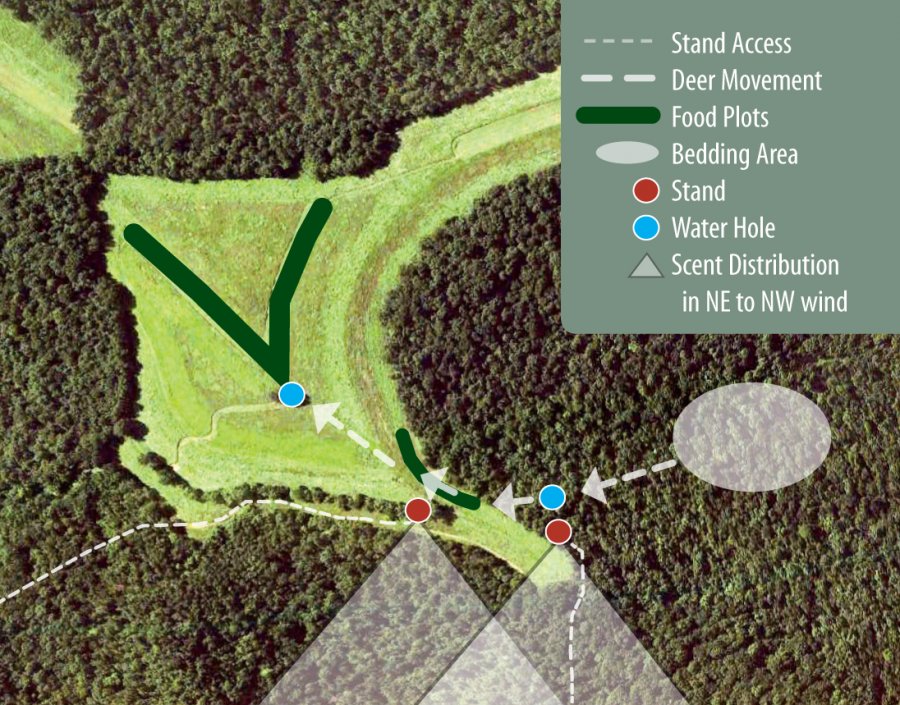
Credit: deerassociation.com
Designing And Planting Effective Food Plots
Success begins with thoughtful plot design. Each element, from size and shape to seed choice and maintenance, affects both wildlife attraction and hunting outcomes.
Site Selection And Preparation
Selecting a site is a critical first step. Factors include:
- Soil quality: Test for pH and nutrients; amend as needed.
- Sunlight: Ensure at least 6, 8 hours daily for most crops.
- Drainage: Avoid low, wet areas that hinder plant growth.
Preparation involves clearing brush, tilling the soil, and applying lime and fertilizer to optimize growth.
Seed Selection And Planting
Choosing the right seed blend depends on the region and targeted species. For bow hunting, focus on:
- Fast-germinating species: Provide quick attraction.
- Mixed blends: Offer diverse forage throughout the season.
- Low-growing crops: Keep deer within bow range.
Planting should follow the manufacturer’s guidelines for depth, spacing, and timing, ideally before the first rain of the planting season.
Plot Maintenance
Regular maintenance keeps plots healthy and attractive:
- Mow clover and other perennials to stimulate growth.
- Apply fertilizer as needed based on soil tests.
- Control weeds with selective herbicides.
Pro Tip: In my experience, maintaining a detailed calendar for mowing, fertilizing, and reseeding ensures consistent plot performance year after year.
Plot Enhancements
Enhance food plots with:
- Mineral stations: Support antler growth and herd health.
- Mock scrapes: Attract bucks during rut.
- Water sources: Draw wildlife during dry periods.
These additions increase the time deer spend in the plot, improving shot opportunities.
Credit: www.whitetailhabitatsolutions.com
Stand Placement And Concealment Strategies
Stand placement is pivotal for bow hunting food plots. Poorly located stands can alert deer and reduce success, while thoughtful positioning maximizes close-range encounters.
Wind And Entry/exit Routes
Wind direction is a primary concern. Always:
- Place stands downwind of expected deer movement.
- Use prevailing winds as a guide for both stand and plot design.
Entry and exit routes should:
- Avoid crossing the plot or main deer trails.
- Utilize cover (brush, tall grass) for concealment.
- Be planned for both morning and evening hunts.
Example: A hunter in Georgia reported a 25% increase in shot opportunities after switching stand locations to optimize for wind and cover, as documented by the Georgia Department of Natural Resources.
Types Of Stands
Common options include:
- Hang-on stands: Flexible, ideal for tight cover.
- Ladder stands: Stable, good for edges and open plots.
- Ground blinds: Excellent concealment, especially on small plots.
Each has pros and cons, as shown below:
| Stand Type | Concealment | Mobility | Setup Difficulty |
|---|---|---|---|
| Hang-on | High | Medium | High |
| Ladder | Medium | Low | Low |
| Ground Blind | Very High | High | Medium |
Camouflage And Cover
Effective concealment is essential:
- Use natural vegetation to break up stand outlines.
- Brush in ground blinds with local foliage.
- Wear seasonally appropriate camouflage, matching local flora.
Scent Control
Bow hunting requires close proximity. Use scent control strategies:
- Wash gear in scent-free detergent.
- Store clothing in sealed containers.
- Apply scent-eliminating sprays before entering the field.
Warning: Neglecting scent control can result in deer detecting hunters before entering the plot, drastically reducing success rates.
Timing Your Hunts For Maximum Success
Timing is a decisive factor in bow hunting food plots. Understanding seasonal shifts and daily patterns can make the difference between a fruitful hunt and empty hours.
Seasonal Strategies
Different seasons present unique opportunities:
- Early season (September, October): Deer are patternable, feeding heavily on plots. Focus on evening hunts as deer enter plots to feed.
- Rut (November): Bucks are unpredictable but may visit plots seeking does. Morning hunts can be productive.
- Late season (December, January): Food scarcity increases plot importance; deer return to predictable feeding routines.
Example: In Illinois, hunters reported seeing twice as many mature bucks during late season hunts on food plots compared to other habitats (Illinois Department of Natural Resources).
Daily Movement Patterns
Deer typically:
- Feed in plots during evening hours.
- Visit plots briefly at dawn.
- Avoid plots midday unless pressured or during rut.
Plan hunts to coincide with these windows, adjusting for local conditions and hunting pressure.
Weather Influences
Weather impacts deer movement:
- Cold fronts: Increase feeding, especially in late season.
- Rain: Can reduce activity; post-storm hunts often see spikes.
- Wind: Strong winds reduce plot use, calm days are best.
Pro Tip: I’ve found that hunting immediately after a cold front yields higher deer activity in food plots, especially for mature bucks.
Moon Phase Considerations
While controversial, some hunters believe moon phases affect deer movement. Most research suggests:
- New and quarter moons see increased evening activity.
- Full moons tend to reduce movement during daylight.
Consult local game movement studies for region-specific guidance.
Shot Placement, Ethics, And Recovery
Bow hunting food plots places ethical shot placement and recovery at the forefront. Hunters must be prepared for close-range encounters and responsible decision-making.
Shot Selection
Always choose shots that maximize lethality and minimize suffering:
- Broadside or slightly quartering-away shots are preferred.
- Avoid shots at alert or moving animals.
- Wait for clear, unobstructed opportunities.
Range Estimation
Accurate range estimation is vital:
- Use rangefinders before animals enter the plot.
- Mark distances with natural features (rocks, stumps).
- Practice regularly at varying distances.
Equipment Considerations
For food plot hunting, select:
- Compound bows with 40, 60 lb draw weight for deer.
- Fixed-blade broadheads for durability and reliability.
- Quiet release aids to minimize noise at close range.
| Bow Type | Draw Weight | Effective Range | Noise Level |
|---|---|---|---|
| Compound Bow | 40, 60 lb | 30, 50 yards | Low |
| Recurve Bow | 40, 50 lb | 20, 35 yards | Medium |
| Crossbow | 100, 200 lb | 50, 70 yards | Low |
Recovery And Tracking
After a shot:
- Wait 30, 60 minutes before tracking, unless the animal falls in sight.
- Mark the location of the shot and initial blood trail.
- Track cautiously, following blood and sign.
Ethical hunters prioritize recovery and avoid pushing wounded animals. Consult local regulations for tracking and recovery guidelines.
Legal And Ethical Considerations
Always adhere to:
- State and local hunting laws.
- Bag limits and reporting requirements.
- Ethical standards for fair chase and humane harvest.
For full regulations, visit Minnesota Department of Natural Resources.
Real-world Examples And Case Studies
Learning from real hunts provides valuable insights into bow hunting food plots.
Case Study: Wisconsin Hunting Club
A Wisconsin hunting club installed three 1-acre hunting plots near thick bedding cover. By focusing stand placement on prevailing winds and using ground blinds brushed with local cedar, they saw a 60% increase in mature buck sightings during evening hunts.
Plot enhancements like mock scrapes and water sources extended deer stays, resulting in a record harvest season.
Example: Texas Family Farm
On a Texas farm, the owners planted a mix of clover and winter oats in a narrow 0. 5-acre plot. By entering stands only during favorable winds and using scent control, they consistently harvested mature does and the occasional buck.
Attention to soil health and plot maintenance ensured long-term success.
Case Study: Georgia Public Land
A hunter on Georgia public land used a small hunting plot (0. 3 acres) and a hang-on stand positioned downwind. Despite heavy hunting pressure, careful timing (late season, post-cold front) and strict entry/exit routes resulted in multiple close-range shot opportunities and ethical harvests.
Advanced Strategies For Food Plot Bow Hunting
Experienced bow hunters can employ advanced tactics to further increase success.
Decoy Use
Decoys can lure bucks during the rut:
- Use realistic doe or buck decoys.
- Place decoys within bow range, facing expected approach.
- Monitor wind to avoid scent contamination.
Trail Camera Deployment
Trail cameras provide critical intel:
- Place cameras at entry points, not directly on plot.
- Use cellular models for real-time updates.
- Analyze patterns for stand adjustments.
Habitat Manipulation
Modify surroundings to funnel deer:
- Create brush piles or natural barriers.
- Cut small trails leading to plot edges.
- Plant screening crops (corn, sorghum) for hidden access.
Plot Rotation And Management
Rotate crops and rest plots to prevent overuse:
- Alternate plantings annually.
- Allow certain plots to rest for a season.
- Integrate fallow periods for soil health.
Example: A Missouri hunter improved plot performance by rotating soybeans and clover, achieving higher deer usage and reduced disease.
Common Mistakes And How To Avoid Them
Avoiding pitfalls is key to sustainable, successful food plot bow hunting.
Overhunting Plots
Repeated hunting pressures can make deer wary:
- Limit hunts per plot to once or twice a week.
- Rotate among multiple plots if possible.
- Use trail cameras to gauge plot activity before hunting.
Ignoring Wind And Scent
Neglecting wind and scent control leads to spooked deer and missed opportunities:
- Always check wind direction before hunting.
- Practice strict scent management.
- Adjust plans based on real-time conditions.
Poor Plot Maintenance
Neglected plots become unattractive to wildlife:
- Schedule regular mowing, fertilizing, and weed control.
- Replant failed plots promptly.
- Monitor soil health annually.
Inadequate Stand Concealment
Visible stands alert deer and reduce close encounters:
- Brush in stands and blinds.
- Avoid skyline exposure.
- Use natural cover whenever possible.
Disregarding Entry And Exit Routes
Improper access can ruin hunts:
- Plan routes with minimal impact.
- Use cover for stealthy approaches.
- Avoid walking across plots or main trails.
Frequently Asked Questions
How Large Should A Food Plot Be For Bow Hunting?
A food plot for bow hunting is most effective when sized between 0.25 and 2 acres. Smaller plots concentrate deer movement, making it easier to predict where animals will enter and feed. Larger plots can disperse deer, reducing shot opportunities for archers.
What Are The Best Crops For Bow Hunting Food Plots?
The most productive crops for bow hunting include clover, brassicas, soybeans, and winter wheat. These species attract deer throughout the season, provide consistent forage, and grow well in a variety of climates. The choice depends on regional conditions and the desired hunting timeframe.
How Do I Avoid Spooking Deer When Hunting Food Plots?
To minimize disturbance, use downwind entry and exit routes, practice strict scent control, and avoid hunting the same plot multiple days in a row. Conceal stands with natural vegetation, and limit movement near the plot during hunting hours.
Is It Legal To Hunt Over Food Plots?
Regulations vary by state and region. In most US states, hunting over food plots is legal, but baiting (adding grains or attractants) may be restricted. Always check current hunting laws and consult local wildlife agencies for guidance.
How Can I Improve My Shot Accuracy In Food Plots?
Improve accuracy by practicing at varying distances, using a rangefinder, and marking key distances with natural features. Choose shots only when deer are calm and stationary, and ensure your equipment is tuned for short-range, precise shots.
Bow hunting food plots combines the art of land management with the skill of archery, offering a rewarding experience for those willing to master the details. With careful plot design, strategic stand placement, and ethical hunting practices, you can increase both wildlife encounters and harvest success. Whether you’re managing a private property or hunting public land, the strategies outlined here will help you make the most of your food plot bow hunts and contribute to sustainable wildlife management. For more in-depth research and tips, visit Quality Deer Management Association.