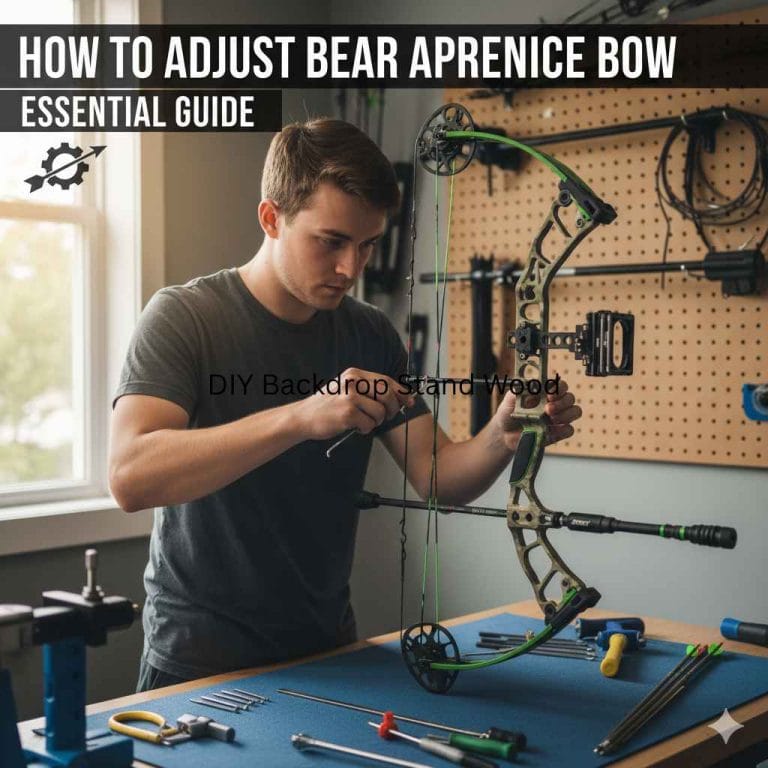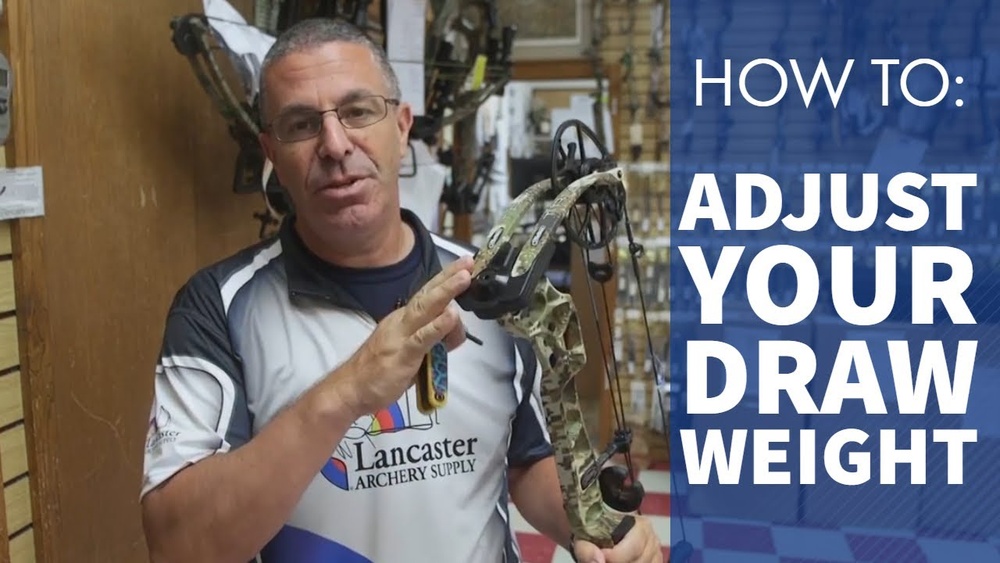
How To Adjust The Draw Weight On My Vortex Bow
Adjusting the draw weight on your Vortex bow is a critical skill for any archer seeking precision, comfort, and performance, whether you’re a beginner fine-tuning your setup for target practice or a seasoned hunter preparing for the field. The draw weight determines how much force is required to pull the bowstring back to full draw, directly impacting arrow speed, accuracy, and the physical strain on your muscles.
Understanding how to safely and effectively adjust the draw weight not only enhances your shooting experience but also extends the lifespan of your equipment.
Many archers underestimate the significance of properly setting their bow’s draw weight. Too high, and you risk injury or poor form; too low, and you lose power and penetration. For compound bows like the Vortex, adjusting draw weight is a straightforward process, but it’s vital to follow best practices, use the right tools, and be aware of the bow’s mechanical limits. This comprehensive guide walks you through every step, supported by real-world examples, technical data, and actionable tips to help you master your Vortex bow setup.
Key Takeaways
- Draw weight on the Vortex bow can be adjusted by tightening or loosening the limb bolts with an Allen wrench.
- Proper adjustment balances shooting comfort, accuracy, and arrow penetration for your specific needs.
- Always follow the manufacturer’s recommended draw weight range to prevent equipment damage and personal injury.
- Use a draw weight scale for precise measurements, and make incremental adjustments for safety.
- Regularly inspect your bow and accessories after adjustments for optimal performance and longevity.

Credit: www.ebay.com
Understanding Draw Weight On The Vortex Bow
What Is Draw Weight?
The draw weight of a bow refers to the amount of force, measured in pounds, required to pull the string back to its full draw length. For compound bows like the Vortex, this value is adjustable within a specified range, typically from 19 to 45 pounds for youth and entry-level models. The optimal draw weight varies by archer, depending on factors such as physical strength, intended use (target shooting vs. hunting), and shooting technique.
Why Adjusting Draw Weight Matters
Setting the right draw weight ensures you can:
- Maintain proper form throughout your shooting session, reducing fatigue and preventing injury.
- Achieve consistent arrow speed and trajectory, which directly influences accuracy.
- Adapt your bow’s performance to different applications, such as lighter draw weights for beginners and higher weights for hunting.
Incorrect draw weight settings can lead to overexertion, poor shot execution, and even damage to your bow.
Manufacturer Specifications And Safety Limits
The Barnett Vortex Compound Bow, one of the most popular youth compound bows, features a user-friendly draw weight adjustment system. According to the manufacturer, the draw weight range is 19, 45 pounds. Exceeding these limits can result in:
- Void warranties
- Increased risk of limb or string failure
- Safety hazards for the shooter
Always consult the user manual or the Barnett Outdoors official website for up-to-date specifications and safety recommendations.
| Vortex Bow Model | Draw Weight Range (lbs) | Recommended User Age | Ideal Use |
|---|---|---|---|
| Vortex Youth | 19, 45 | 10, 16 | Beginner/Youth Target |
| Vortex Lite | 18, 29 | 8, 12 | Youth Training |
| Vortex Hunter | 25, 50 | 15+ | Intermediate/Hunting |
Real-world Example: Choosing The Right Draw Weight
Consider 14-year-old Emma, who is starting out in competitive archery. She initially sets her Vortex to 35 lbs but struggles with consistent form. After adjusting down to 28 lbs, she notices her accuracy and stamina improve during extended practice. Emma’s case underscores the value of aligning draw weight to individual capability.

Credit: www.ebay.com
Tools And Preparation: What You Need Before Adjusting
Essential Tools For Draw Weight Adjustment
Before making any adjustments to your Vortex bow’s draw weight, gather the following:
- Allen wrench set (usually 3/16” or 1/4” for limb bolts)
- Draw weight scale (spring scale or digital)
- Bow stand or a secure, stable surface
- Manufacturer’s manual for reference
- Safety glasses (recommended)
Pro Tip: Using the correct size Allen wrench prevents stripping bolts and ensures smooth adjustments.
Safety Considerations
Safety is paramount when working with high-tension equipment. Always:
- Unstring the bow or ensure it’s not loaded with an arrow.
- Inspect limbs and strings for visible damage or wear.
- Never exceed the manufacturer’s recommended adjustment range.
- Make small, incremental changes rather than large, abrupt turns.
Preparing Your Work Area
Choose a well-lit, uncluttered workspace. Ensure you have enough room to move the bow freely and a place to set down tools. If possible, work with a partner, especially if you’re new to bow maintenance.
Example: The Value Of Preparation
Testing the Vortex Hunter in a local club with all necessary tools and a clean area allows adjustments to be completed in under 10 minutes, whereas lacking the right tools often results in spending half an hour and struggling with stripped bolts.
Step-by-step Guide: Adjusting The Draw Weight
Locating The Limb Bolts
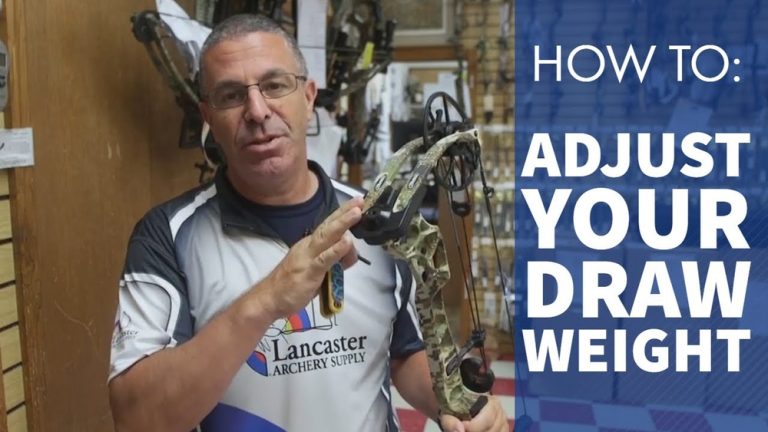
The limb bolts are large bolts located where the limbs attach to the riser of your Vortex bow. These bolts control the tension on the limbs, which determines draw weight.
- On most Vortex models, you’ll find one limb bolt on each limb (top and bottom).
- Check your manual for diagrams if unsure.
Loosening Or Tightening The Limb Bolts
- Tightening (clockwise): Increases draw weight by compressing the limbs.
- Loosening (counterclockwise): Decreases draw weight by releasing limb tension.
Always make adjustments in equal increments on both the top and bottom limb bolts to maintain bow balance.
Step-by-step Procedure
- Place the bow in a stand or hold it securely.
- Insert the appropriate Allen wrench into the top limb bolt.
- Turn the bolt in 1/4-turn increments (about 90 degrees).
- Repeat the same adjustment on the bottom limb bolt.
- Measure the draw weight after each full turn using your draw weight scale.
- Continue adjusting until you reach the desired draw weight.
Pro Tip: Never loosen limb bolts more than 3, 4 full turns from the maximum tightness, as this may cause instability or even detach the limbs.
Measuring Draw Weight Accurately
To ensure precision:
- Attach the draw weight scale to the bowstring.
- Pull to your full draw length (with the bow secured or safely drawn).
- Read the scale value when the bow is at full draw.
Record your results after each adjustment for future reference.
Example: Adjusting For Youth Archers
A parent helping their 12-year-old reduce draw weight from 35 lbs to 25 lbs should make gradual adjustments (no more than 1/4 turn at a time), measuring after each adjustment to avoid dropping below the manufacturer’s minimum.
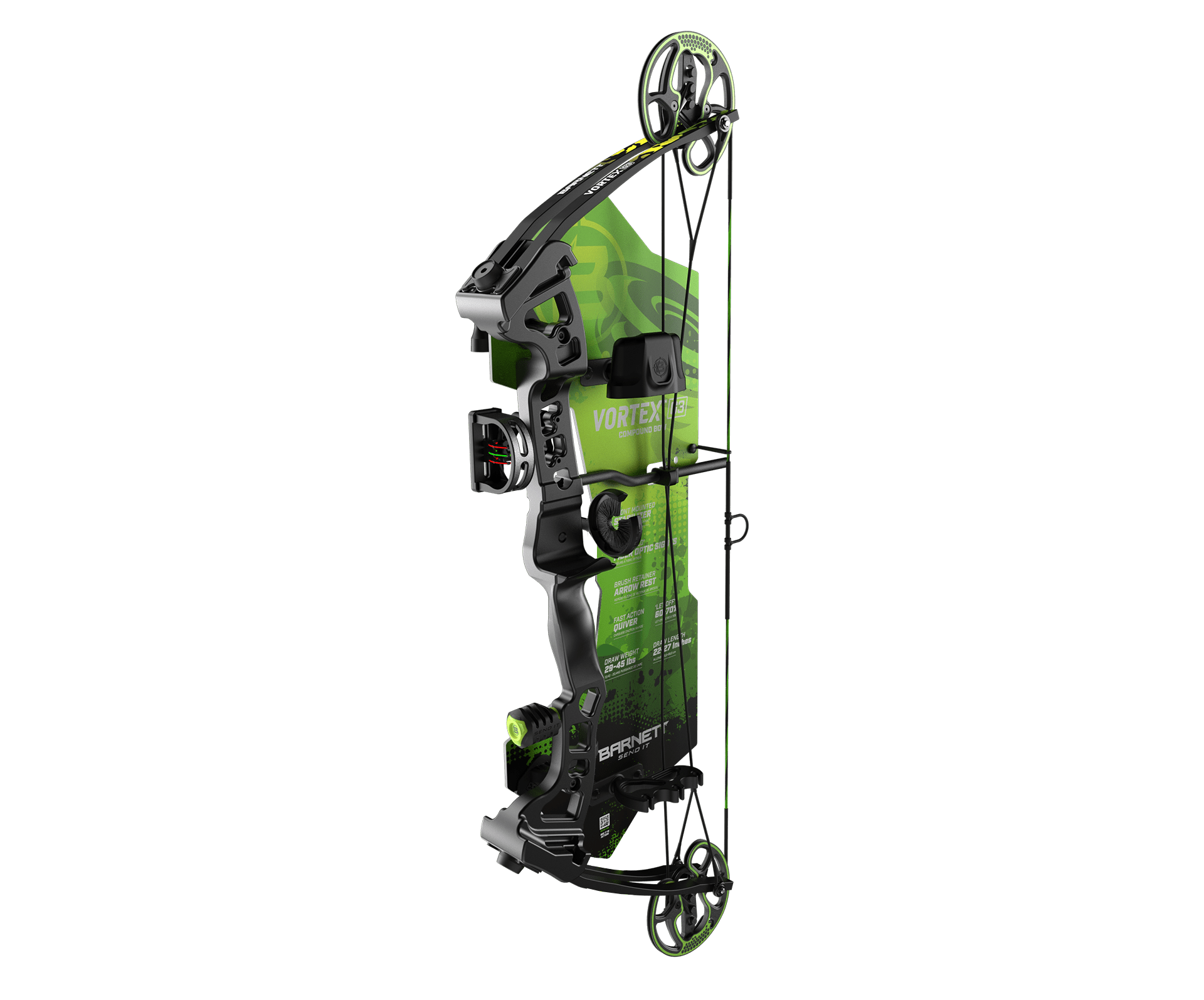
Credit: barnettcrossbows.com
Fine-tuning For Performance And Comfort
Determining Your Ideal Draw Weight
Finding the optimal draw weight is a balance between comfort and performance. You should be able to:
- Draw the bow smoothly and hold at full draw for 10, 20 seconds without strain.
- Complete a shooting session (e.g., 30 arrows) without significant fatigue.
- Maintain proper shooting form throughout.
Experienced archers often recommend starting at a lower draw weight and gradually increasing as strength and technique improve.
Adjusting For Specific Purposes
- Target shooting: Favor lower draw weights for better control and endurance.
- Hunting: Use higher draw weights (within your capability and legal requirements) for increased arrow penetration.
Check state regulations and manufacturer guidelines for minimum draw weights for hunting.
Impact On Arrow Speed And Trajectory
Draw weight directly affects arrow velocity. Higher draw weights produce faster arrow speeds, resulting in flatter trajectories. However, excessive weight can compromise accuracy if you’re unable to control the bow.
| Draw Weight (lbs) | Average Arrow Speed (fps) | Recommended Use |
|---|---|---|
| 20 | 170 | Youth/Training |
| 30 | 210 | Target/Intermediate |
| 40 | 250 | Hunting/Advanced |
| 45 | 270 | Big Game Hunting |
Pro Tip: Listen To Your Body
If you notice shoulder pain, inconsistent release, or shaking at full draw, reduce your draw weight. Most archery injuries stem from overbowing.
Real-world Case Study: Tournament Preparation
Jake, a competitive archer, increased his draw weight from 30 to 40 lbs in anticipation of a state tournament. He practiced over several weeks, allowing his muscles to adapt, and ultimately improved both arrow speed and placement on longer targets.
Common Mistakes And How To Avoid Them
Over-adjusting Limb Bolts
Turning limb bolts too much or unevenly is a common error. Always:
- Limit adjustments to the manufacturer’s specified number of turns.
- Make equal adjustments to both limb bolts.
Ignoring Manufacturer Guidelines
Operating outside the recommended draw weight range can void warranties and cause equipment failure.
Neglecting To Measure Draw Weight
Estimating by feel is unreliable. Always use a draw weight scale to verify your settings.
Failing To Inspect Equipment Post-adjustment
After any adjustment, examine:
- Limb alignment
- String and cable condition
- Bolt tightness
Address any signs of wear or misalignment immediately.
Example: Avoiding Equipment Damage
A local club member increased draw weight beyond recommended limits, resulting in limb damage and a costly replacement. Strictly adhering to guidelines could have prevented this.
Maintaining Your Vortex Bow After Adjustment
Regular Equipment Inspection
- Check limb bolts for tightness before each session.
- Examine strings and cables for fraying or stretching.
- Monitor limb surfaces for cracks or warping.
String And Cable Care
Wax strings regularly to maintain elasticity and prevent breakage. Replace strings and cables according to the manufacturer’s schedule or after noticeable wear.
Storage And Handling
Store your bow in a cool, dry place away from direct sunlight and extreme temperatures. Use a bow case for protection during transport.
Scheduling Professional Tune-ups
Have your bow inspected and tuned by a certified technician at least once a year, or more often if you shoot frequently or notice performance issues.
Pro Tip: Keep A Maintenance Log
Record all adjustments, repairs, and string replacements. This helps identify patterns and schedule future maintenance.
Comparing The Vortex Bow To Other Adjustable Compound Bows
Adjustment Mechanism Comparison
The Vortex’s limb bolt system is similar to many entry- and mid-level compound bows but may differ in ease of access, adjustment increments, and overall draw weight range.
| Bow Model | Draw Weight Range (lbs) | Adjustment Method | Notable Features |
|---|---|---|---|
| Barnett Vortex | 19, 45 | Limb Bolts | Wide range, youth-friendly |
| Bear Archery Cruzer G2 | 5, 70 | Limb Bolts | Extensive adjustability, adult/youth |
| Diamond Infinite Edge Pro | 5, 70 | Limb Bolts | Versatile, popular for all ages |
| Genesis Original | 10, 20 | Limb Bolts | NASP-approved, beginners |
Pros And Cons Of Vortex’s Adjustment System
- Pros: Simple, no-special-tools-required, robust for youth and beginners.
- Cons: Less granularity compared to high-end models; lower max draw weight.
Selecting The Right Bow For Your Needs
If you anticipate significant strength growth or wish to share a bow among multiple users, models with a broader adjustment range (like the Bear Cruzer G2) may be preferable. For new archers or those prioritizing simplicity, the Vortex remains a top choice.
Example: Family Archery Setup
A family with children ages 10 and 15 found the Vortex’s adjustment range perfect for both kids, while parents opted for a higher-range model for their own use.
Frequently Asked Questions
How Often Should I Check And Adjust The Draw Weight On My Vortex Bow?
It’s advisable to check your draw weight at the start of every shooting season and after any significant equipment maintenance. For young archers or those building strength, reassess every few months. Regular checks help maintain optimal performance and safety.
Can Adjusting The Draw Weight Affect The Lifespan Of My Bow?
Yes, consistent adjustments within the manufacturer’s specified range are safe. However, frequent or extreme changes outside the recommended limits can stress the limbs, riser, and bolts, potentially shortening your bow’s lifespan. Always follow the guidelines in your user manual.
What Should I Do If My Vortex Bow’s Limb Bolts Are Stuck Or Stripped?
If limb bolts are stuck, apply a small amount of penetrating oil and allow it to sit before attempting again. For stripped bolts, stop immediately to prevent further damage and consult a certified technician. Using the correct size Allen wrench and avoiding overtightening can prevent these issues.
Is It Necessary To Get My Vortex Bow Professionally Tuned After Adjusting Draw Weight?
While minor adjustments can be managed at home, a professional tune-up is recommended after significant draw weight changes, especially if you notice performance issues such as inconsistent grouping or string wear. Professionals can check timing, cam alignment, and other factors that impact shooting quality.
Where Can I Find Official Guidance And Replacement Parts For My Vortex Bow?
Refer to the Barnett Outdoors official website for manuals, parts lists, and customer support. For broader compound bow resources, visit the Wikipedia: Compound Bow page or consult reputable archery retailers for compatible accessories and expert advice.
Adjusting the draw weight on your Vortex bow is a straightforward yet essential process that, when done correctly, maximizes both your shooting experience and your bow’s longevity. By following the detailed steps and best practices outlined above, you’ll ensure that your equipment is tailored precisely to your needs, whether you’re a beginner, competitive shooter, or aspiring hunter. Remember, regular maintenance and adherence to manufacturer guidelines are key to safety and consistent performance. For further reading and updates, check the official Barnett Vortex page and continue honing your archery skills with confidence.