How Shoot Horse Bow Straight: Expert Tips for Perfect Accuracy
If you have ever watched skilled horse archers in action, you know how powerful and graceful they look. Shooting a horse bow straight is not just about aiming and letting go. It combines balance, timing, technique, and understanding both your body and your equipment. Whether you want to try mounted archery for sport or tradition, learning to shoot a horse bow accurately is both challenging and deeply rewarding.
Many beginners think shooting a horse bow is the same as shooting a regular bow from the ground. This is not true. The horse bow has a unique shape, draw style, and release. Add the movement of a horse, and it becomes a test of focus and control.
In this guide, you will learn what makes a horse bow different, how to prepare, and step-by-step methods for shooting it straight, whether you’re on horseback or practicing on the ground.
What Makes A Horse Bow Unique
The horse bow, sometimes called a traditional recurve or composite bow, was designed for use on horseback by cultures such as the Mongols, Turks, and Hungarians. Its compact size and curved limbs let archers shoot quickly, often from either side of the horse.
Some main features:
- Shorter length than most longbows or target recurves. This makes it easier to handle in tight spaces or from a moving horse.
- Curved, recurved limbs store more energy, offering fast arrow speeds with a short draw.
- No arrow rest, you shoot from the hand, so your grip and release style matter more.
Here’s a quick comparison:
| Bow Type | Average Length | Draw Weight Range | Common Use |
|---|---|---|---|
| Horse Bow | 48-54 inches | 25-50 lbs | Mounted archery, speed shooting |
| Modern Recurve | 62-70 inches | 20-50+ lbs | Target shooting, Olympics |
| Longbow | 66-72 inches | 30-60 lbs | Historical, target |
Because the horse bow is lighter and has no shelf, every part of your technique affects the arrow’s flight. If you grip or release incorrectly, your shot will often go off target.
Preparing Your Equipment
Before you try to shoot straight, your bow and arrows need to match your body and skill level. Poor equipment choices are a major reason for inaccurate shots, especially for beginners.
Choosing The Right Horse Bow
- Draw weight: Start with a lower draw weight (20-30 lbs) if you are new. This helps you focus on technique without straining your muscles.
- Bow length: Pick a bow that matches your arm length, but err on the shorter side for better handling.
- Grip comfort: Make sure the grip fits your hand. An uncomfortable grip will twist your wrist and ruin your aim.
Arrows Matter
- Spine rating: The stiffness of the arrow must match your bow’s draw weight. Too stiff or too flexible, and your arrow will fishtail.
- Length: Your arrows should be at least one to two inches longer than your draw length for safety and accuracy.
- Weight: Lighter arrows fly faster but can be less stable. Heavier arrows are more forgiving.
Other Essentials
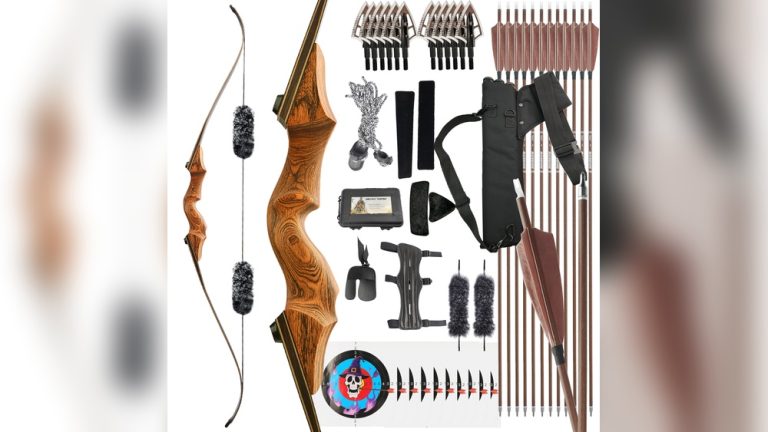
- Thumb ring or tab: Many horse archers use a thumb release. A proper ring or tab protects your skin and helps a smooth release.
- Arm guard: Protects your forearm from string slap, which is common with horse bows.
- Bowstring: Use the right length and material. Modern strings are fine, but traditionalists may prefer natural fibers.
Pro Tip: Spend time tuning your arrows, cut them to the right length, match fletchings, and use the same point weight for all. Inconsistent arrows can make even a perfect shot look crooked.

Credit: legendarchery.com
Proper Stance And Body Position
Even before you nock an arrow, your body’s position sets the foundation for a straight shot. Shooting a horse bow, especially from horseback, requires flexibility and balance.
Ground Shooting Stance
If you are practicing on the ground:
- Stand sideways to the target, feet shoulder-width apart.
- Distribute weight evenly on both feet, knees slightly bent.
- Relax your shoulders and stand tall, but not stiff.
On Horseback
When you’re on a moving horse, things change. You must:
- Sit deep in the saddle with your hips loose and flexible.
- Keep your upper body stable while your lower body absorbs the horse’s movement.
- Square your shoulders to the target when possible, but adapt to your horse’s speed.
In my experience, beginners often try to grip with their knees or tense up their arms. This causes your upper body to twist, pulling shots off line. Instead, focus on relaxing and moving with the horse. The more relaxed your muscles, the straighter your arrows will fly.
Nocking And Drawing The Horse Bow
How you nock and draw the arrow on a horse bow is different from modern archery. Most horse archers use the thumb draw technique, which is both fast and efficient.
Thumb Draw Technique
- Place the arrow on the right side of the bow (for right-handed shooters).
- Wrap your thumb around the string, holding the arrow between your thumb and index finger.
- Use your ring and middle fingers to support the thumb.
- Keep your wrist straight and your hand relaxed.
This draw style lets you shoot quickly from either side of the horse and gives a cleaner release.
Drawing Smoothly
- Raise the bow to shoulder height, pointing toward the target.
- Draw the string smoothly, not jerking or pulling hard.
- Pull with your back muscles, not just your arm.
- Anchor the string against the corner of your mouth or your cheekbone for consistency.
A common mistake is drawing with the shoulder instead of the back. This leads to shaky aim and weak shots. Practice the motion slowly until it feels natural.
Aiming: Instinctive Vs. Gap Shooting
Horse archers rarely use sights. Instead, they rely on instinctive or gap shooting. Both methods require practice, but each has unique strengths.
Instinctive Shooting
- Focus on the target, not the arrow tip.
- Let your brain adjust over time. Your eyes and body will learn where to aim.
- Shoot quickly, as you would in a real mounted scenario.
Instinctive shooting is fast and fluid. It works well when you need to shoot multiple arrows or hit moving targets.
Gap Shooting
- Use the arrow tip as a reference.
- Estimate the “gap” between the arrow tip and the target at different distances.
- Adjust your aim up or down depending on how far you are.
Gap shooting is more precise for static targets but slower. It’s useful for training and building confidence before moving to instinctive shooting.
Pro Tip: Try both methods during practice. Many top archers blend the two, using the gap method for longer shots and instinctive for quick, close shots.
Releasing The Arrow
A clean release is what separates a straight shot from one that veers off. The thumb release (using a thumb ring or tab) is most common with horse bows.
Thumb Release Steps
- Relax your thumb and fingers at the same time.
- Let the string slip off your thumb naturally, don’t jerk or “pluck” it.
- Follow through by keeping your hand moving backward along your jawline.
The key is to avoid any sideways movement. If you twist your hand or release unevenly, the arrow will fly off course.
What To Watch For
- If your arrow wobbles, check your grip and release.
- If the arrow goes left or right, adjust how you hold the bow and the angle of your wrist.
In my early practice sessions, I often released the string too fast, causing the arrow to curve. Recording your shots on video can help spot these small mistakes.
Practicing For Consistency
No one shoots perfectly straight every time, especially on horseback. Practice builds muscle memory and confidence.
Drills For Beginners
- Blank bale shooting: Stand close to a large target with no aiming point. Focus only on technique, not accuracy.
- Slow-motion draws: Practice the draw and release in slow motion, watching your form in a mirror.
- Multiple arrows: Practice nocking and shooting several arrows quickly, as in real mounted archery.
Training On Horseback
- Start at a walk. Get used to drawing and shooting while moving slowly.
- Progress to a trot and canter as your balance improves.
- Work with a calm, trained horse used to bows and arrows.
Pro Tip: Don’t rush to shoot at a gallop. Even experienced archers spend months perfecting their form at slow speeds.
Common Mistakes And How To Fix Them
Even experienced archers have bad habits. Here are a few common mistakes, and tips to correct them:
Gripping The Bow Too Tight
- Problem: Twists the bow, making arrows fly off target.
- Fix: Hold the bow gently, letting it “float” in your hand.
Inconsistent Draw Length
- Problem: Arrows fly high or low.
- Fix: Use a consistent anchor point on your face every time.
“plucking” The String
- Problem: Jerking the string sideways on release.
- Fix: Focus on a smooth, relaxed release with no side motion.
Shooting With Stiff Arms
- Problem: Reduces accuracy and causes fatigue.
- Fix: Keep your arms and shoulders relaxed, using your back for power.
Poor Arrow Spine
- Problem: Arrows wobble or fishtail.
- Fix: Match your arrow’s spine rating to your bow’s draw weight.
Here’s a summary of the most common mistakes and solutions:
| Mistake | Effect | Correction |
|---|---|---|
| Gripping too tight | Curved arrow flight | Relax your grip |
| Inconsistent anchor | Erratic elevation | Anchor at same spot |
| Plucking string | Left/right misses | Smooth release |
| Poor arrow spine | Arrow wobbles | Check spine rating |
Credit: www.bow-international.com
Progressing To Mounted Archery
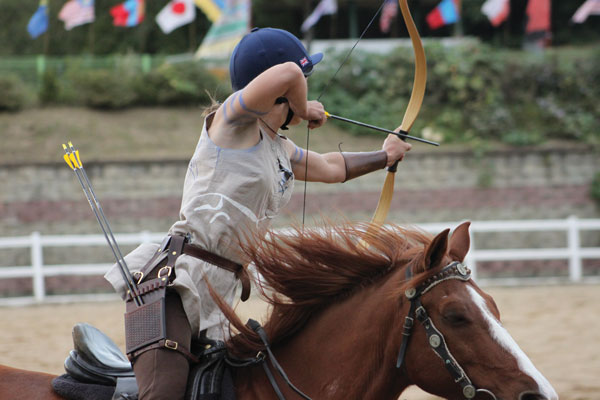
Once you can shoot a horse bow straight from the ground, you may want to try from horseback. This step needs patience and a safe approach.
Steps To Start
- Work with a trained horse: Many horses are scared of bows. Use a calm horse familiar with archery.
- Shoot at a standstill: Practice nocking and shooting while the horse is still.
- Walk and shoot: Move at a slow walk, shooting at close targets.
- Increase speed: Only move to a trot or canter when you can hit targets reliably at a walk.
Safety First
- Wear a helmet and protective gear.
- Have a ground helper to watch for problems.
- Never shoot near other people or animals.
Mounted archery is a partnership between rider and horse. Spend as much time training your horse as you do practicing your shot.
Fine-tuning Your Technique
The smallest adjustments can make a big difference. Here are some advanced tips for shooting your horse bow straight:
Arrow Tuning
- Try different fletching shapes: Some arrow feathers stabilize flight better for short bows.
- Experiment with point weights: Heavier points may help arrows fly straighter from a horse bow.
Bow Setup
- Check brace height: The distance from the string to the bow grip affects arrow flight.
- Wax your string: A well-maintained string gives smoother shots.
Mental Focus
- Breathe deeply before every shot.
- Visualize the arrow’s path.
- Stay relaxed even if you miss, tension ruins technique.
Example: When I first started, I ignored brace height. My arrows wobbled, no matter how carefully I shot. After adjusting it by just half an inch, my groups tightened up dramatically.
Credit: www.vecteezy.com
Horse Bow Communities And Resources
Learning alone is possible, but joining a group or finding a mentor can speed up your progress. Many countries have mounted archery clubs or online forums where you can get advice, join events, and share tips.
Some helpful resources:
- World Archery Federation: Offers guides and safety standards.
- Local archery shops: Many have traditional archers who can help with equipment and tuning.
- Online forums and YouTube channels: Videos of real horse archers can show you technique in slow motion.
For more about the history and technique of horse archery, check the Wikipedia entry on mounted archery.
Frequently Asked Questions
How Do I Know If My Bow Draw Weight Is Too High?
If you struggle to hold the bow at full draw for more than a second, or your arms shake, the draw weight is probably too high. Most beginners should start with 20-30 lbs to build good habits. It’s better to shoot accurately with a light bow than develop bad form with a heavy one.
Can I Use A Horse Bow For Regular Target Archery?
Yes, you can use a horse bow on a regular target range. However, since it has no arrow rest and uses a different grip, you may find it less precise at long distances compared to a modern recurve. It’s a good idea to practice both for versatility.
What Kind Of Horse Is Best For Mounted Archery?
The best horses are calm, not easily startled, and comfortable with sudden movements. Breeds like the Mongolian horse, Akhal-Teke, or even well-trained quarter horses can work well. Training is more important than breed, your horse must trust you and be used to the sound and feel of shooting.
How Do I Keep My Arrows From Falling Off The Bow While Riding?
Use a light pinch between your thumb and index finger to hold the arrow in place, especially when moving. Some horse archers use a small piece of leather or a magnetic arrow rest, but most rely