How to Measure a Bow Riser Length
Measure a recurve or ILF riser from the upper limb-pocket face to the lower limb-pocket face in a straight line, then compare that number with the maker’s listed riser length. The bow-length label typically changes only after limb length is added. A bad measurement can make a 25-inch riser look wrong, which sends you to the wrong limb set and a different finished bow length. This guide shows how to identify the riser, measure it at home, and match that number to ILF bow-length specs.
What a bow riser is and why its size matters


The riser is the bow’s center section and grip body. It holds the limbs, and it also carries the sight, stabilizer, arrow rest, and clicker. Its length and shape affect stability, balance, and how the bow sits at full draw.
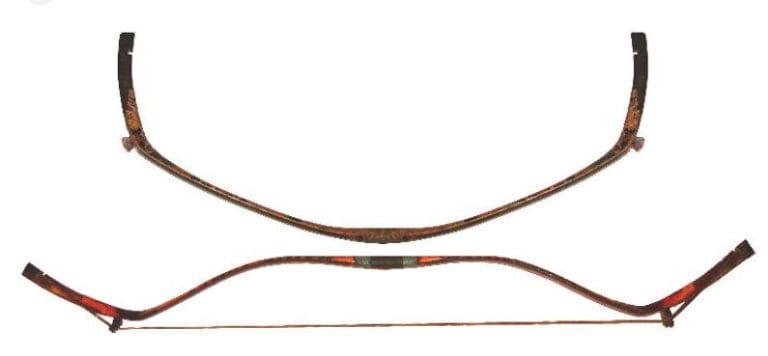
On a recurve bow, the riser is part of the length label, but it is not the whole bow. Recurve bow length is commonly matched to draw length, while compound fit starts with draw length and then ATA choice. That is why riser size and full bow length should never be treated as the same number.
What marks the riser body
Look for the grip, the sight window, and the limb pockets. Those parts identify the riser, not the limbs or string. On many takedown bows, the riser also carries hardware for the arrow rest and stabilizer bushings.
What you’ll need
- A soft tape measure
- A bow stringer for stringing or unstringing a recurve
- A bow square for brace height and nocking point checks
- A flat surface
- The maker’s spec sheet or chart for the bow
How do you identify the riser?
Identify the riser by separating the center body from the limbs, then finding the grip and limb pockets. On an ILF or takedown bow, the riser is the part that remains once the limbs are removed. That is the section you measure for riser length.
Do not include the limbs, string, or limb tips in this step. The sight window can help as a landmark, but it is only part of the riser body, not the full length of the bow. If the bow has different labels on the limbs and riser, treat them as separate pieces of information.
Start with the limb pockets
The limb pockets mark where the limbs attach. On most recurves, the riser runs between those attachment areas and includes the grip and sight window. If the bow is assembled, remove the limbs first so the body can be measured without extra parts in the way.
How do you measure a bare riser?
Measure the bare riser as the maker specifies for that model, using the overall riser body length. For many bows, the published riser size is the number to trust; common riser lengths include 23 inches, 25 inches, and 27 inches. A standard recurve riser measures 25 inches long.
Lay the unstrung riser flat and use a soft tape along the body. Record the nominal riser size, not a tip-to-tip bow length and not a limb-adjusted number. Riser length is usually measured as an overall length, while overall bow length should be measured from string groove to string groove.
- Remove the limbs from the riser.
- Place the bare riser flat on a level surface.
- Align the tape with the riser body, not the limbs.
- Read the maker’s stated riser size and write it down.
- Compare that number with the bow’s spec sheet before matching limbs.
Why this is not the full bow length
A bare riser measurement tells you the handle size only. It does not tell you the final AMO bow length, because limb length changes the finished setup. A 25-inch riser with short, medium, or long limbs changes final AMO length.
For an assembled recurve, the bow length label comes from the riser and limb combination. A 25-inch riser with medium ILF limbs makes a 68-inch recurve bow. That label is useful for matching strings and checking fit, but it is separate from the riser size itself.
What to do when labels look wrong
Check three things in order: the riser model, the limb markings, and the manufacturer’s bow-length chart. If one of those is from a different maker or a different limb series, the displayed size may be misleading. A tape reading alone should not override the published spec.
How do ILF bow lengths relate to riser size?
ILF bow length comes from the riser plus limb combination, not from the riser alone. A 25-inch riser with medium limbs is a standard 68-inch recurve setup. Short limbs on a standard riser give a 66-inch bow, and long limbs on a standard riser give a 70-inch bow.
Some limb labels show 66, 68, or 70 inches instead of short, medium, or long. Treat those labels as system input, not proof on their own. Check the manufacturer’s bow-length chart before trusting a label, because label length can differ from casual measurements.
Bow length versus string length
Bow length and string length are different. AMO bow length is the standardized reference used to match bow and string size, while the string itself is shorter than the bow. Brace height is the string-to-grip distance used to confirm a correct string fit after stringing.
A wrong brace height can create tuning problems. Use a bow square to read it more repeatably than a tape measure. If the bow is already assembled, confirm the string fit before judging whether the label or the limb set is wrong.
Riser length verification table
| Setup type | Where to place the tape ends | Most common mistake |
|---|---|---|
| Bare riser | Across the riser body only, from the upper limb-pocket face to the lower limb-pocket face | Including the limbs, grip thickness, or sight hardware in the reading |
| Assembled ILF bow | Do not use the full assembled bow to judge riser size; remove the limbs first and measure the riser body only | Calling a string-groove-to-string-groove reading the riser length |
| Used bow with ambiguous markings | Check the riser body against the maker’s spec sheet, then compare the limb labels and the published bow-length chart | Trusting seller-added numbers or worn labels over the manufacturer’s spec |
Common mistakes to avoid
Measuring with limbs attached and calling it riser length is the most common setup error. It mixes the handle body with the limb set, so the number stops being useful for matching limbs or checking the label. Remove the limbs first.
Using a rigid ruler tip to tip is another problem. Straight, forced measurements can flatten the bow’s natural curve and distort the reading. The measuring line should follow the curvature of the limbs when the goal is overall bow length, not riser size.
Confusing string length, bow length, and brace height creates avoidable mistakes. The string is not the bow, and brace height is only the distance from string to grip. A bow square gives a cleaner brace-height reading than a tape.
Say your used ILF bow has a 25-inch riser and limbs marked “medium,” but the seller says it is a 70-inch setup. That is a mismatch worth checking against the maker’s chart, because limb markings vary by manufacturer and worn labels can be misleading.
Suppose a beginner measures from limb tip to limb tip on an assembled recurve and gets a number that seems too short. That reading is not a reliable riser length check, and it should not be used to decide whether the bow is a 66-inch or 68-inch setup.
If that didn’t work, try this next
- Remove the limbs and measure only the riser body again.
- Read the riser’s published spec sheet and match it to the physical body size.
- Check the limb labels against the maker’s bow-length chart.
- Reassemble the bow and verify brace height with a bow square.
If the label still does not match the measured riser size, trust the maker’s published spec for the riser model and confirm the limb set separately. For used bows, the riser may be correct while the limbs are from a different setup, which changes the finished AMO length.
Frequently asked questions
How do brace height and a bow square fit into this?
After stringing, use a bow square to measure brace height from the string to the grip area. That check helps confirm that the string matches the bow and that the setup is consistent. A wrong brace height can point to a string or setup mismatch, even when the riser size is correct.
What should a used bow buyer trust first?
Trust the maker’s published spec for the riser model first, then compare the limb labels and the finished bow-length chart. If a seller’s label conflicts with the spec, treat the seller note as secondary. The riser body size is one data point; the limb set determines the final bow length.