Don’T Release the Arrow Until You Master These Archery Secrets
There’s a moment in archery that separates a good shot from a great one. It’s the pause right before you release the arrow, a second where everything comes together. Your aim, your breathing, your focus, all must align perfectly. If you release too early, your arrow drifts off course.
If you hold too long, tension builds and accuracy suffers. This lesson, “Don’t Release the Arrow Until,” is not just about archery. It’s about timing, patience, and making sure you are ready before you commit. Whether you’re learning archery for sport, personal growth, or simply as a metaphor for life, mastering this principle can make a huge difference.
Understanding The Importance Of “don’t Release The Arrow Until”
The phrase “Don’t Release the Arrow Until” serves as a reminder. In archery, it means waiting until you have a clear aim and steady hands. In life, it signals not to act until you’re truly prepared. Many beginners make the mistake of rushing.
They pull, aim, and release too quickly. The result? Missed targets, frustration, and slow progress.
Archery is about control. The moment before releasing the arrow is when you check your form, your focus, and your confidence. If any part feels off, it’s better to pause. This concept helps prevent errors and builds discipline. It teaches patience, which is a vital skill for any archer or anyone making decisions.
The Science Behind The Perfect Release
Archery is both art and science. The release is where physics and psychology meet. When you draw the bow, energy builds in your muscles and the bow itself. The goal is to transfer this energy smoothly to the arrow. If you let go at the wrong moment, you waste energy and accuracy.
Muscle Memory And Accuracy
Your body develops muscle memory with practice. Each time you pause before releasing, you reinforce good habits. Archers who rush the release often struggle to build consistent muscle memory. Pausing allows your body to repeat the right motions, improving accuracy over time.
The Role Of Focus And Breathing
Focus is the mental side of archery. If your mind is distracted, your shot suffers. Breathing is another key factor. Many archers take a deep breath, hold it, and release the arrow as they exhale. This steady rhythm helps calm nerves and boost accuracy.
Olympic archer Brady Ellison has spoken about how breathing routines help him hit the target consistently.

Credit: discuss.google.dev
Common Mistakes: Why Beginners Miss The Target
Many new archers overlook the pause before releasing. Here are some frequent mistakes:
- Releasing too soon: You see the target, but your body isn’t ready.
- Holding too long: Tension builds, your arm shakes, and accuracy drops.
- Ignoring alignment: If your shoulders or hips are off, your shot will miss.
- Rushing under pressure: In competitions, nerves often cause archers to skip the pause.
Pro Tip: Practicing with a coach or recording your shots can help spot these mistakes. In my experience, reviewing my own video recordings showed me that I was releasing early without realizing.
Steps To Mastering The Proper Release
Mastering “Don’t Release the Arrow Until” takes practice. Here’s a step-by-step guide:
- Set up your stance: Feet shoulder-width apart, body relaxed.
- Draw the bow: Use steady, even pressure.
- Aim carefully: Focus on your target, not the arrow.
- Check alignment: Shoulders, hips, and arms should be in line.
- Pause and breathe: Take a deep breath, hold it.
- Release when ready: Only let go when everything feels right.
Example: Olympic Technique
Olympic archers often train with slow-motion drills. They draw, aim, and hold for several seconds, building control and confidence. This teaches them to trust the pause and only release when truly ready.

Credit: www.youtube.com
Timing: Finding The Right Moment
Timing is everything in archery. The pause before releasing is called the “anchor. ” It’s the moment you lock the string to a reference point, usually your jaw, cheek, or chin. This anchor point helps ensure your shot is consistent.
How Long Should You Hold?
There’s no fixed number. Most experts suggest holding for 2, 5 seconds. Longer holds can cause muscles to fatigue, while shorter holds may signal rushing. In competition, archers often develop a routine, draw, anchor, pause, release, that keeps their timing consistent.
Data: Release Time Comparison
Here’s how release times differ among archers at different levels:
| Archery Level | Average Pause Before Release | Accuracy Rate |
|---|---|---|
| Beginner | 1 second | 60% |
| Intermediate | 2, 3 seconds | 75% |
| Expert | 4, 5 seconds | 90% |
The data shows that archers who pause longer tend to be more accurate. This supports the idea that patience pays off.
The Psychology Of Waiting: Why The Pause Matters
The pause before releasing is not just physical. It’s a mental discipline. Waiting forces you to check your confidence and readiness. Research from sports psychology shows that athletes who learn to pause and visualize their shot perform better.
Mental Routine For Success
Many archers develop a mental routine:
- Visualize the arrow hitting the target
- Focus on breathing
- Ignore distractions
- Trust their training
This routine helps build confidence and reduce anxiety. It also prevents common mistakes like rushing.
Tools And Equipment: How Gear Influences Your Release
Your equipment can affect how easily you master the pause. Different bows and arrows require different levels of strength and technique.
Compound Vs. Recurve Bows
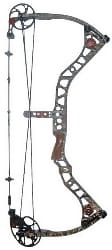
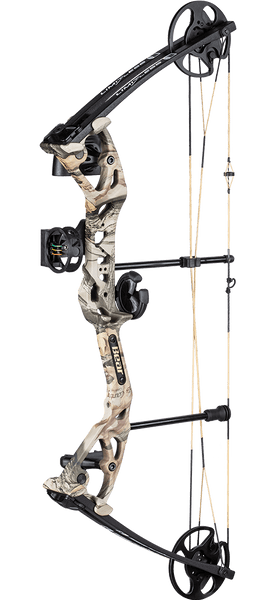
Compound bows have let-off, a feature that reduces holding weight. This makes it easier to pause and aim. Recurve bows require more strength and control, so the pause is harder but even more important.
| Bow Type | Ease of Pause | Recommended For |
|---|---|---|
| Compound | High | Beginners, Target Shooters |
| Recurve | Moderate | Traditional, Olympic Archers |
| Longbow | Low | Historical, Advanced Archers |
Arrow Release Aids
Many archers use release aids, mechanical devices that help let go of the string smoothly. These aids are common in compound archery and help reduce finger fatigue. They also make it easier to maintain a steady pause.
How “don’t Release The Arrow Until” Applies Beyond Archery
The principle of waiting until you’re ready is useful in many areas. It’s a lesson in patience, preparation, and timing.
Decision Making
In business and life, acting too soon can lead to mistakes. Waiting until you have all the information, like an archer waiting for the right aim, makes decisions smarter.
Communication
Before you speak, pause to think. This can prevent misunderstandings and arguments. The skill of pausing before action is valuable for leaders, students, and anyone who wants to improve communication.
Sports And Performance
Other sports use the same principle. Basketball players pause before shooting. Golfers line up their shot and breathe before swinging. The lesson is universal: patience improves performance.
Advanced Archery Techniques: The Power Of The Pause
Experienced archers use advanced techniques to make their pause even more effective.
Anchoring Consistently
Advanced archers use the same anchor point every time. This builds consistency and muscle memory. Some use markers on their bows or faces to help.
Shot Visualization
Many top archers visualize the shot before releasing. They imagine the arrow’s flight and landing. This mental imagery boosts confidence and accuracy.
Mindful Practice
Practicing mindfulness can help archers stay calm during the pause. Techniques like meditation or yoga improve focus and reduce stress. According to the National Archery Association, mindfulness training has helped archers improve competition results.
Practical Tips For Mastering The Pause
To improve your pause before releasing, try these tips:
- Practice slow-motion drills: Draw, aim, anchor, and hold for longer periods.
- Use video analysis: Record your shots to see where you rush or hold too long.
- Develop a mental routine: Visualize the shot and focus on breathing.
- Try different equipment: Experiment with bows and release aids to find what fits your style.
Warning: Avoid over-holding. If you pause too long, your muscles fatigue and your aim suffers. Find a balance that works for you.
Real-life Example: How Waiting Changed My Shots
When I first started archery, I missed many targets because I released too quickly. My coach advised me to pause longer and trust my aim. I began to hold for 3, 4 seconds, focusing on breathing. My accuracy improved, and I felt more confident. The lesson was clear: patience makes a difference.
Comparing Archery Release With Other Sports
Archery’s pause is similar to routines in other sports. Let’s compare:
| Sport | Pause Moment | Purpose |
|---|---|---|
| Archery | Anchor before release | Steady aim, accuracy |
| Golf | Pre-swing setup | Alignment, focus |
| Basketball | Pause before free throw | Calm nerves, precision |
| Shooting | Hold breath before trigger | Reduce movement, accuracy |
This comparison shows the universal value of pausing before taking action.

Credit: www.geeky-gadgets.com
Building Discipline Through Archery
Archery teaches discipline. The pause before releasing is a test of self-control. Over time, archers learn to trust their routine, ignore distractions, and wait for the right moment.
How Discipline Helps Beyond The Range
This discipline applies to school, work, and relationships. Learning to pause before acting can prevent costly mistakes. It builds confidence and patience.
The Role Of Coaching: Getting Help To Master The Pause
Coaches help archers master the pause. They watch your form, spot mistakes, and give feedback. Many archers improve faster with coaching than on their own.
What To Look For In A Coach
A good coach:
- Understands the importance of the pause
- Teaches mental routines
- Provides video analysis
- Gives feedback on timing and form
If you want to improve, find a coach who emphasizes patience and timing.
How To Practice “don’t Release The Arrow Until” At Home
You don’t need a fancy range to practice. Here’s how you can build the pause at home:
- Use a training bow or resistance band.
- Practice drawing, anchoring, and holding.
- Visualize the target, even if it’s a wall.
- Focus on breathing and timing.
This practice builds muscle memory and discipline. Over time, you’ll see improvement on the range.
Frequently Asked Questions
What Is The Best Anchor Point For Archery?
The best anchor point depends on your face shape and shooting style. Common anchor points include the corner of the mouth, jawline, or chin. Consistency is key; always use the same spot each time you shoot.
How Can I Avoid Over-holding And Muscle Fatigue?
To avoid muscle fatigue, practice holding for short periods (2, 5 seconds). If you feel shaky, lower your bow and reset. Using lighter bows or release aids can help reduce strain.
Does The Type Of Arrow Affect My Release Timing?
Arrow weight and material can affect release timing. Heavier arrows may require more focus on aim, while lighter arrows respond faster. Experiment to find what works best for you.
Can Mindfulness Training Improve My Archery Pause?
Mindfulness training helps many archers stay calm and focused. Techniques like breathing exercises and meditation can improve your ability to pause and wait for the perfect release.
Where Can I Find Official Archery Training Resources?
You can find training resources on the official World Archery Federation website. They offer guides, videos, and expert advice for archers of all levels. Visit World Archery Federation for more information.
Waiting for the right moment before you release the arrow is a skill that takes time to build. It’s about patience, discipline, and trust. Whether you’re shooting arrows or making decisions in life, remembering “Don’t Release the Arrow Until” can help you hit your target more often.
If you take the time to pause, focus, and wait for readiness, you’ll see better results, both on the range and beyond.