How Native Americans Made Arrowheads From Flint and Bone
Native American arrowheads were chipped from stone like flint and obsidian, or carved from bone, then attached to shafts of willow or ash and fletched with turkey or eagle feathers for stable flight. Skipping the fletching step, or using warped wood for the shaft, was the difference between an arrow that flew true and one that missed by feet. This guide covers the materials, the arrowhead-making technique, and how each piece was assembled.
Materials Used In Arrow Making
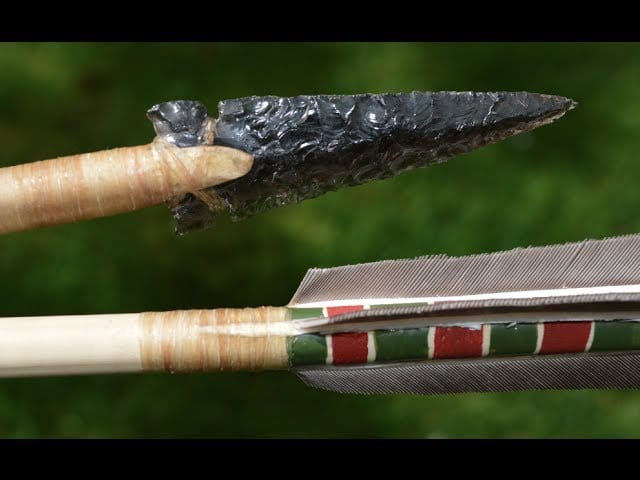
Native Americans crafted arrow tips from stoneand bone. Stone tips were sharp and durable. They often used flint and obsidian. Bone tips were lighter but also strong. Hunters chose these materials for hunting small and large animals.
Arrows needed strong shafts. Native Americans used woodfor this. They picked straight tree branches. Willow and ash were common choices. Wood shafts were shaped to be smooth. This helped arrows fly straight.
Feathers made arrows fly better. Native Americans added feathersto the back of arrows. Turkey and eagle feathers were popular. These feathers helped stabilize the flight. Fletching made arrows more accurate.

Credit: scoutlife.org
Techniques Of Crafting Arrowheads
Flint knappingis a way to shape stones into arrowheads. Native Americans used special rocks like flint and obsidian. They would hit the rock with a hard tool. This removes small pieces. The rock becomes sharp and pointy. It is very useful for hunting.
Bones were another material for arrowheads. Native Americans carved them with tools. Bones are strong and light. They can be shaped into sharp points. Bone arrowheads were good for fishing and small game. They did not break easily.
Later, metal was used for arrows. This happened after meeting Europeans. Metal is very strong. It makes the arrow fly faster. Metal arrowheads could pierce armor. Native Americans adapted to new materials well.
Assembling The Arrow
Arrowheads were made from stone, bone, or metal. Native Americans used strong glue from plant sap or animal hides. The arrowhead was attached to the shaft. They wrapped it with animal sinew for extra strength. This kept the arrowhead in place during flight.
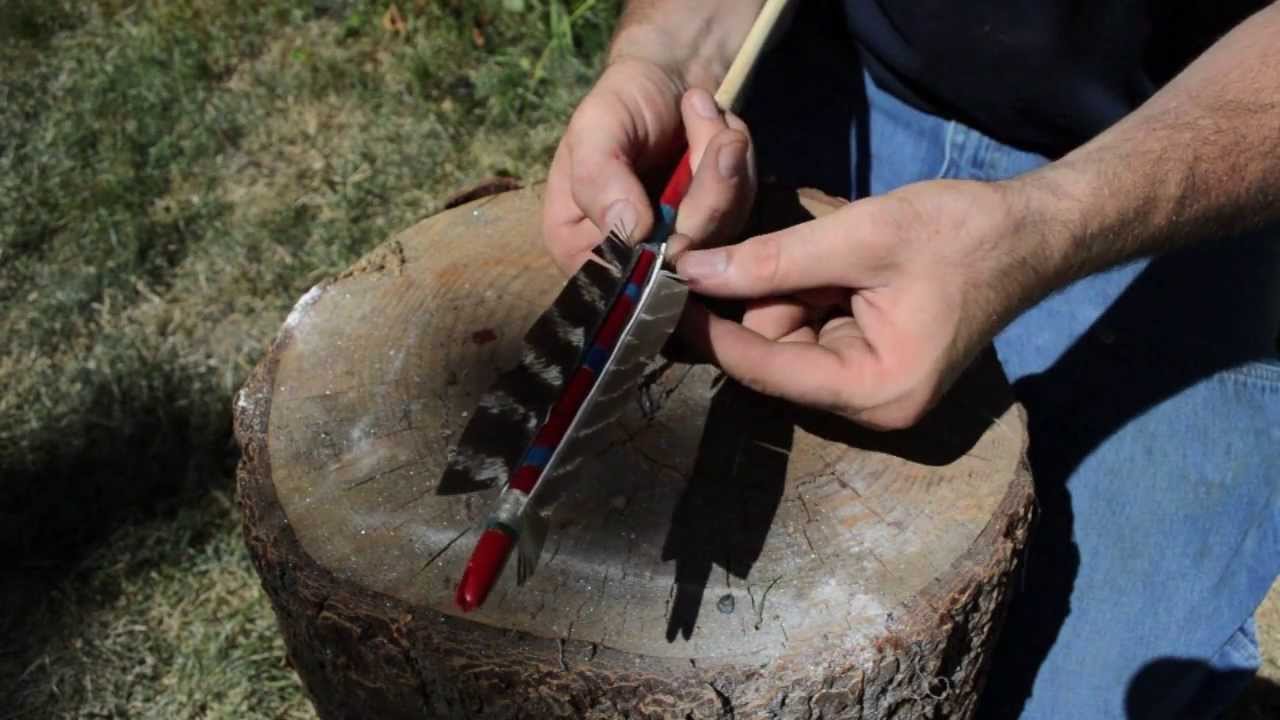
Fletching helps arrows fly straight. Feathers were used for this. They were glued onto the back of the shaft. Tied with sinew or thin strips of leather. Three feathers were often used. This created a balance in flight.
A straight shaft is key for a good arrow. Native Americans used wood from trees like ash or willow. The shaft was smoothed and straightened with care. This ensured it would fly far and true. Balance was checked by holding the arrow in the middle. Adjustments were made as needed.
Cultural Significance Of Arrows
Arrows were more than tools. They held deep symbolic value. Many tribes saw arrows as symbols of strength. They also represented protection and courage. Some tribes used arrows in ceremonies. They were a part of tribal identity. Arrows often appeared in tribal art and stories. They connected people to their ancestors. Each arrow told a unique story.
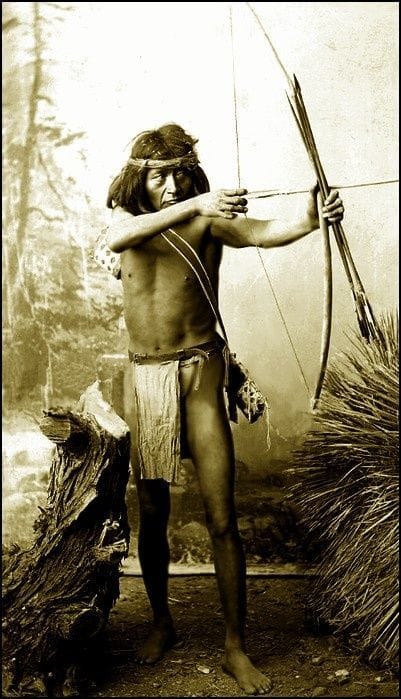
Arrows were key for hunting. They helped tribes find food. Skilled hunters crafted sharp tips. These tips ensured a quick kill. Arrows were also essential in battles. Warriors used them to defend their land. They needed speed and accuracy. Arrows gave them an advantage. They were light and could travel far. Arrows were trusted in both peace and war.
Evolution Of Arrow Craftsmanship
Native Americans learned new skills from other tribes. Trade brought new materials. They exchanged ideas and techniques. This changed how arrows were made. New materials like metal and glass were used. These made arrows stronger and sharper. Contact with settlers also brought changes. New tools helped in crafting arrows faster. Trade and contact transformed arrow craftsmanship significantly.
Today, some still make traditional arrows. They use modern tools to help. Machines cut wood and shape arrowheads. This saves time and effort. Some use synthetic materials now. Fiberglass or carbon make arrows light and strong. Yet, the spirit of the craft remains. The balance of old and new keeps the tradition alive.
Credit: www.youtube.com
Frequently Asked Questions
How Were Arrowheads Made By Native Americans?
Native Americans crafted arrowheads from stone, bone, or metal. They used flintknapping to shape stones into sharp points. This involved striking the stone with a hard tool to chip away small pieces. The resulting arrowheads were then attached to wooden shafts using sinew or plant fibers.
What Materials Did Native Americans Use For Arrows?
Native Americans used materials like wood, stone, bone, and feathers for arrows. They selected straight, sturdy wood for the shafts, while arrowheads were made from stone or bone. Feathers were used for fletching to stabilize arrows during flight. Each material was chosen for its availability and effectiveness in hunting.
How Did Native Americans Attach Arrowheads?
Native Americans attached arrowheads using sinew or plant fibers. They carved a notch at the shaft’s end, where the arrowhead was placed. Sinew, softened by soaking, was wrapped around the shaft and arrowhead. As it dried, it tightened, securing the arrowhead firmly in place for hunting or warfare.
Why Did Native Americans Make Arrows By Hand?
Native Americans made arrows by hand to ensure quality and effectiveness. Handcrafting allowed customization for specific hunting needs and environmental conditions. It ensured each arrow’s balance and precision, crucial for successful hunting. This skill was passed down generations, maintaining cultural traditions and survival techniques over centuries.
Conclusion
Native American arrow-making is a story of skill and tradition. Crafting arrows required knowledge of materials and careful attention. They used stone, wood, and feathers. Each arrow was unique and served a purpose. Their techniques passed down through generations. The process showed respect for nature and hunting.
These arrows were not just tools. They were a part of culture and survival. Understanding this tradition helps appreciate their way of life. The legacy of their craftsmanship remains important today. It connects us to history and the ingenuity of Native American peoples.