How To Bow Hunt Elk In Arizona
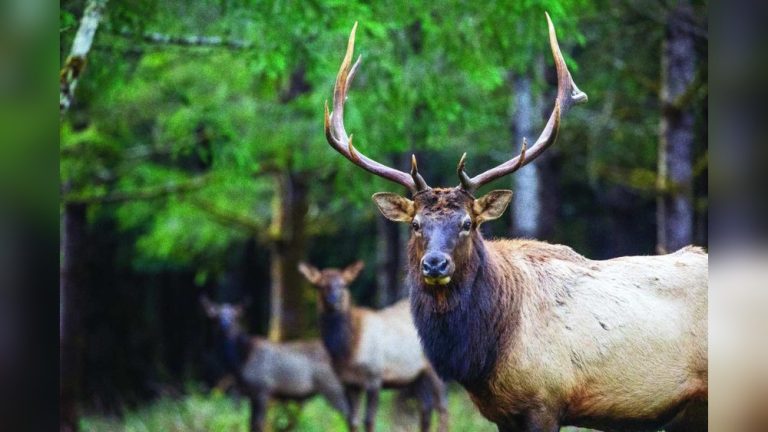
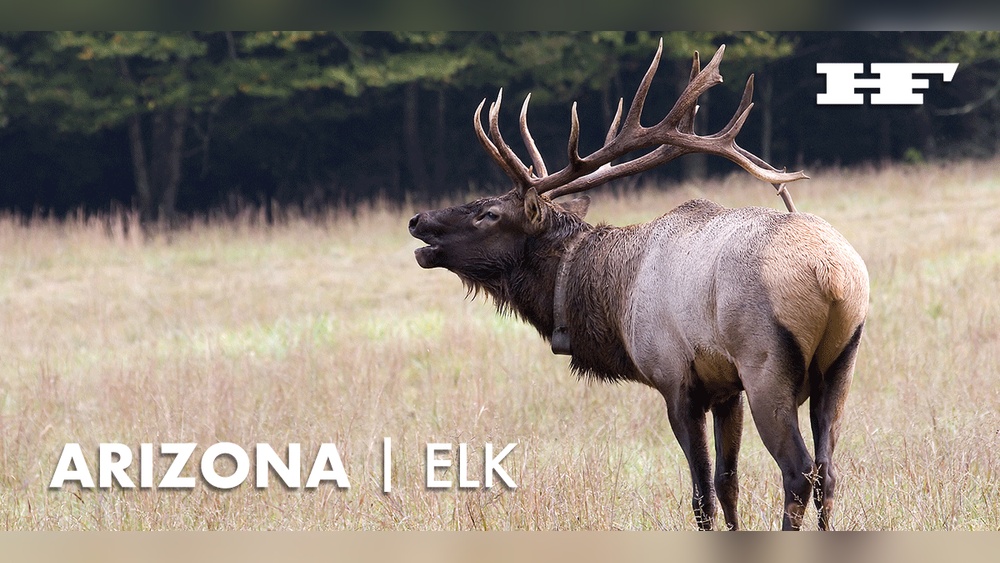
The Arizona backcountry presents a challenge and an allure that few hunting experiences can rival. With its vast stretches of pine forest, rugged canyons, and high plateaus, Arizona is a prime destination for bow hunters seeking elk, one of North America’s most iconic big game animals. Chasing elk with a bow in this state isn’t just a test of marksmanship; it demands an understanding of elk behavior, terrain navigation, and the nuances of Arizona’s unique hunting regulations.
Over the past decade, Arizona has consistently ranked among the top states for trophy elk, with hunters harvesting bulls that regularly make record books. But success here requires more than luck. Drawing a coveted elk tag, mastering stealth, and adapting to unpredictable weather conditions all play essential roles.
Whether you’re a seasoned archery hunter or preparing for your first Arizona elk hunt, understanding the region’s specific challenges and opportunities is vital for a safe, ethical, and rewarding adventure.
Key Takeaways
- Arizona elk bow hunts are highly regulated and require advance planning and understanding of the draw system.
- Mastering elk behavior, calling techniques, and terrain navigation is essential for success.
- Choosing the right gear, scouting effectively, and understanding local regulations can significantly improve your odds.
- Safety, ethics, and respect for both wildlife and land are paramount.
- Real-world case studies highlight the diversity of approaches and strategies for Arizona elk bow hunting.

Credit: www.bowhunter.com
Understanding Arizona Elk Hunting Regulations
Navigating Arizona’s hunting regulations is the first and most critical step toward a successful elk bow hunt. The Arizona Game and Fish Department (AZGFD) strictly manages elk populations to maintain healthy herds and quality hunting experiences.
License And Tag Requirements
To bow hunt elk in Arizona, you must secure both a valid hunting license and an elk tag for your chosen unit. The process is competitive, Arizona uses a lottery-style draw system, which means patience and planning are key.
- Hunting License: Available to residents and non-residents. As of 2026, a resident license costs $37, while non-residents pay $160.
- Elk Tag: Tags are issued via draw, with application periods typically opening in January and results announced in March or April.
The Draw Process
The elk tag draw in Arizona is a bonus point system, favoring applicants who have applied unsuccessfully in prior years. It’s common for hunters to wait several years to draw a top-tier unit.
| Unit | 2026 Applications | Available Tags | Success Rate (%) |
|---|---|---|---|
| Unit 9 | 6,120 | 100 | 8.2 |
| Unit 10 | 5,870 | 120 | 10.5 |
| Unit 23 | 7,340 | 80 | 6.1 |
Season Dates And Legal Methods
Arizona’s archery elk seasons typically run from late August through mid-September, coinciding with the rut. Legal archery equipment includes compound bows, recurve bows, and longbows with a minimum draw weight of 30 pounds.
Regulations And Ethics
- Shooting distance limits are not mandated, but ethical shots are encouraged (generally under 50 yards).
- Broadhead requirements: Must be at least 7/8 inch in width.
- Mandatory reporting: All successful hunters must report their harvest within 48 hours.
For the most up-to-date regulations, consult the Arizona Game and Fish Department website.

Credit: outdoors-international.com
Preparing For Your Arizona Elk Bow Hunt
A successful elk hunt starts long before the season opens. Preparation involves scouting, physical conditioning, and assembling the right gear.
Scouting And Mapping
Arizona’s elk habitat ranges from ponderosa pine forests at 7,000 feet to lower elevation juniper and grassland. Scouting, either in person or virtually, helps you identify feeding areas, bedding sites, and travel corridors.
- On-the-ground scouting: Visit your unit in summer to learn the terrain, locate water sources, and observe elk sign.
- Digital scouting: Use tools like OnX Hunt or Google Earth to mark trails, glassing points, and water tanks.
Physical Conditioning
Elk hunting in Arizona is physically demanding. Elevations can exceed 8,000 feet, and daily hikes may cover 5, 10 miles.
- Focus on cardio, leg strength, and endurance.
- Acclimate to higher altitudes if you’re coming from out of state.
- Practice hiking with a loaded pack to simulate real conditions.
Gear Selection
Choosing the right gear for Arizona’s variable conditions is crucial.
| Essential Gear | Purpose | Recommended Features |
|---|---|---|
| Compound Bow | Primary weapon | 60-70 lb draw, quiet release |
| Broadheads | Effective penetration | Fixed or mechanical, 100-125 grain |
| Optics | Spotting elk | 10×42 binoculars, rangefinder |
| Clothing Layers | Temperature regulation | Moisture-wicking, camo pattern |
| Backpack | Carry essentials | Hydration system, meat hauling frame |
Pro Tip:
Test your gear in similar terrain before your hunt. Break in boots, practice shooting from awkward angles, and carry your fully loaded pack on training hikes.

Credit: shadowvalleyoutfitters.com
Mastering Elk Behavior And Calling Techniques
Understanding elk behavior and mastering calling techniques are fundamental skills for the Arizona bow hunter. Elk are highly vocal and social during the rut, making them susceptible to well-timed calls.
Understanding The Rut
The rut is the peak of elk breeding activity, usually from late August to mid-September in Arizona. Bulls become more vocal and aggressive, seeking to gather and defend harems of cows.
- Early rut: Bulls bugle to locate cows and challenge rivals.
- Peak rut: Intense calling, with bulls responding aggressively to cow calls and bugles.
- Post-rut: Bulls become more wary and less vocal.
Elk Vocalizations And Calls
Hunters use a variety of calls to mimic elk sounds:
- Bugle: Imitates a bull elk; used to challenge or locate other bulls.
- Cow call: Mimics the sound of a female elk; used to attract bulls.
- Chuckles and grunts: Add realism to bugles, signaling dominance.
Success comes from matching the intensity and timing of your calls to the stage of the rut.
Real-world Example: Successful Calling Strategy
When I hunted Unit 7 West in 2026, heavy bugling in the early morning led me to a basin where I set up downwind from a herd. Using a series of soft cow calls followed by a short bugle, I enticed a satellite bull to break away from the group, offering a 35-yard shot.
Scent Control And Concealment
Elk have an exceptional sense of smell. Always hunt with the wind in your favor, and use unscented soaps and detergents for all clothing and gear.
- Set up downwind of likely elk travel routes.
- Wear camo patterns that blend with Arizona’s varied habitats.
Movement And Patience
Elk respond best to subtle movement and patience. Avoid over-calling and remain still after making a call. Let elk close the distance rather than trying to stalk aggressively.
Navigating Arizona Elk Terrain And Weather
Arizona’s diverse landscapes and unpredictable weather can both help and hinder your hunt. Being prepared for the state’s unique conditions will increase your odds of success and keep you safe.
Topography And Habitat
Arizona elk inhabit a mix of pine forests, aspen groves, and open meadows at higher elevations, as well as juniper woodlands at lower levels. Each habitat demands different hunting tactics:
- High country: Glassing from ridges and ambushes near water are effective.
- Low country: Still-hunting and spot-and-stalk approaches work well.
Navigating And Mapping
Carry physical maps, a GPS, and backup batteries. Many areas have limited cell service. Mark water sources, bedding areas, and escape routes on your map.
Weather Patterns
- September: Expect cool mornings (40, 50°F) and warm afternoons (70, 80°F).
- Monsoon storms can bring sudden downpours and lightning.
- Early snow is possible above 8,000 feet.
Dress in layers, pack rain gear, and monitor forecasts. Sudden weather changes can alter elk movement patterns.
Hydration And Altitude
Arizona’s high elevation and dry climate can lead to dehydration and altitude sickness. Drink plenty of water, and bring electrolyte supplements.
Example: Overcoming Terrain Challenges
A hunter in Unit 23 faced steep canyons and thick brush. By focusing on travel corridors between water and bedding areas, they successfully intercepted a herd moving at dawn, highlighting the importance of understanding terrain-driven elk movement.
Strategies For Scouting And Locating Elk
Finding elk in Arizona requires a blend of preseason scouting and real-time adaptation during your hunt.
Preseason Scouting
- Visit your chosen unit months in advance.
- Look for fresh tracks, droppings, rubs, and wallows.
- Identify high-use water holes and feeding meadows.
In-season Adaptation
Elk move in response to hunting pressure. If you encounter other hunters or find fresh sign has vanished, shift your focus to less-accessible areas.
Glassing And Spotting
Use binoculars and spotting scopes to scan distant hillsides at dawn and dusk. Elk often feed in open areas early and late, bedding in cover during the day.
Tracking And Sign Interpretation
- Tracks: Fresh tracks in mud or dust indicate recent activity.
- Rubs: Bulls scrape trees with their antlers to mark territory.
- Wallows: Muddy pits where bulls roll to cool off and scent mark.
Water Sources
In Arizona’s arid climate, water is a magnet for elk. Focus your efforts on springs, seeps, and man-made tanks, especially during dry spells.
Example: Adaptive Scouting
During a dry September in Unit 10, hunters who focused on remote water tanks saw greater success than those hunting traditional feeding areas. The ability to adapt scouting efforts based on current conditions is a hallmark of experienced elk hunters.
Essential Bow Hunting Gear For Arizona Elk
The right equipment can make or break your hunt. Arizona’s terrain and climate demand durable, reliable gear that adapts to changing conditions.
Bow And Arrow Selection
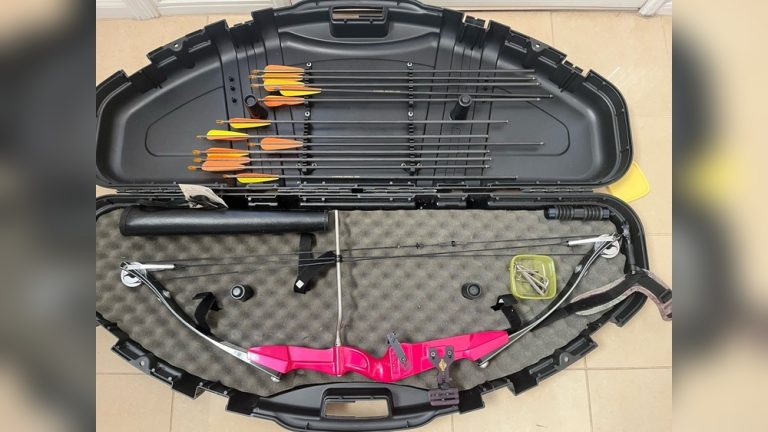
- Compound bows are most popular for their power and accuracy. Many hunters use 60, 70 pound draw weights for effective penetration.
- Arrows should be matched to your bow’s draw weight and length. Carbon shafts with high FOC (front-of-center) improve flight and impact.
Broadheads
Arizona allows both fixed-blade and mechanical broadheads. Choose quality heads with a minimum width of 7/8 inch.
- Fixed-blade: Reliable and rugged.
- Mechanical: Fly like field points, larger cutting diameter.
Clothing And Footwear
- Base layers: Moisture-wicking to manage sweat.
- Outerwear: Silent, breathable, and camouflaged.
- Boots: Waterproof, well broken-in, and supportive for rocky terrain.
Optics And Navigation
- 10×42 binoculars for glassing.
- Rangefinder to ensure accurate shot placement.
- GPS unit or mapping app for navigation.
Survival And First Aid
- Emergency bivy or shelter.
- Fire starter and headlamp.
- First aid kit for minor injuries.
Meat Care Supplies
- Game bags to protect meat from dirt and insects.
- Cooler or ice for warm weather hunts.
Packing List Example
Here’s a sample packing list for a 5-day Arizona elk bow hunt:
- Bow, arrows, broadheads
- Rangefinder, binoculars
- GPS and maps
- Water filtration system
- Multi-tool and knife
- Headlamp and spare batteries
- Layered clothing and rain gear
- Game bags and cooler
- Food and electrolyte tablets
Field Tactics: Stalking, Ambushing, And Shot Placement
Once you’ve located elk, your tactics in the field will determine your success.
Stalking
Arizona’s open terrain can make stalking challenging but rewarding.
- Move slowly, using cover to break your silhouette.
- Keep the wind in your face to avoid detection.
- When closing the final distance, take advantage of noise from wind or elk movement.
Ambush Hunting
Setting up near water sources, trails, or wallows is effective, especially during hot weather.
- Arrive before dawn and remain still for extended periods.
- Set up with the sun at your back to avoid being silhouetted.
Decoy Use
Elk decoys can draw curious bulls within range during the rut. Use in combination with calling for best results.
Shot Placement
Ethical shot placement is critical. Aim for the vital zone (behind the front shoulder, one-third up the body) for a quick, humane kill.
- Practice shooting from kneeling, sitting, and awkward positions.
- Limit shots to distances you can consistently group arrows (usually under 50 yards).
Example: Effective Ambush
In my experience hunting Unit 8, setting up on a wind-blown ridge above a wallow produced a 25-yard broadside shot at a 6×6 bull, a testament to the effectiveness of patience and location.
Safety, Ethics, And Meat Care In The Field
Successful elk bow hunters in Arizona prioritize safety, ethical hunting, and responsible meat care.
Hunter Safety
- Carry a map, GPS, and let someone know your itinerary.
- Be prepared for sudden weather changes and temperature swings.
- Carry enough water and a basic survival kit.
Ethical Hunting Practices
- Only take shots you are confident will result in a clean, humane kill.
- Respect property boundaries and all hunting regulations.
- Retrieve all game meat promptly and minimize waste.
Field Dressing And Meat Preservation
Warm temperatures can spoil meat quickly.
- Field dress and skin your elk as soon as possible.
- Hang quarters in the shade and allow air circulation.
- Use game bags to keep meat clean.
- Transport meat to a cooler or processor as soon as possible.
Leave No Trace
Pack out all trash, avoid damaging vegetation, and respect other hunters and land users.
Pro Tip:
If solo hunting, consider using a lightweight game cart or partnering with another hunter to help pack out meat efficiently.
Real-world Case Studies: Arizona Elk Bow Hunting Success
Learning from the experiences of successful Arizona elk bow hunters can provide valuable insights for your own hunt.
Case Study 1: Public Land Archery Success
A hunter drew a tag for Unit 9 after six years of applying. Focusing on remote basins far from roads, he used a combination of cow calls and spot-and-stalk tactics. After several close encounters, persistence paid off with a 40-yard shot on a mature bull at sunrise.
Case Study 2: Overcoming Adverse Weather
During an unusually wet September in Unit 23, another bow hunter adapted by targeting elk near temporary ponds formed by rain. By glassing from ridgelines and moving quickly between storms, he located a herd and made a successful stalk in soft, wet ground.
Case Study 3: First-time Nonresident Hunter
A nonresident drew a Unit 10 tag and hired a local guide. Extensive preseason scouting by the guide identified key bedding areas. The hunter practiced daily with his bow for months prior, leading to a confident, 32-yard shot on the third morning of the hunt.
Key Lessons Learned
- Perseverance and adaptability are critical.
- Local knowledge and scouting significantly increase your chances.
- Investing in physical and shooting preparation pays off in high-pressure moments.
Frequently Asked Questions
What Are The Best Elk Hunting Units In Arizona For Bow Hunters?
Some of the most coveted units for archery elk hunting in Arizona include Unit 9, Unit 10, Unit 23, and Unit 1. These units consistently produce large bulls and have robust elk populations. However, these units are also the most competitive to draw, often requiring multiple years of bonus points. For hunters seeking shorter wait times, consider less-known units with slightly lower trophy potential but higher odds of drawing a tag.
Can I Hunt Elk On Public Land In Arizona?
Yes, the majority of Arizona elk hunts occur on public lands managed by the U.S. Forest Service or the Bureau of Land Management. Access is generally excellent, but hunters should always verify land status and respect private property boundaries. Some units have land access restrictions or require special permission, so consult maps and the AZGFD regulations before your hunt.
How Do I Increase My Odds Of Drawing An Arizona Elk Tag?
Building bonus points by applying annually is the best way to improve your chances in the draw. You can also consider applying for archery-only or cow elk hunts, which are generally less competitive than rifle bull hunts. Some hunters apply as a group to maximize chances, and others use hunt strategies that focus on units with historically higher tag availability. For more details, review draw statistics and strategies at the official AZGFD Draw Information page.
What Is The Average Shot Distance For Elk With A Bow In Arizona?
Most successful archery elk shots in Arizona are taken at distances between 20 and 40 yards. The dense vegetation and varied terrain often limit visibility and shot opportunities. Practicing at various distances, angles, and real-world scenarios is crucial to ensure ethical shot placement when the opportunity arises.
What Should I Do If I Wound An Elk And Can’t Recover It?
If you wound an elk, immediately mark the last place the animal was seen and begin a careful search for blood or sign. Follow the trail methodically, and use all available daylight. If you cannot recover the animal after a thorough search, report the incident to the AZGFD as required.
Ethical hunters do their utmost to recover all wounded game and should never take questionable shots.
Arizona’s elk bow hunting opportunities are among the best in the country, but success requires a blend of preparation, patience, and respect for the land and animals. By understanding the regulations, preparing both physically and mentally, and employing effective field strategies, you can experience the thrill of a truly challenging and rewarding hunt.
Whether you’re chasing bugling bulls on a remote ridgetop or waiting patiently in a shadowed meadow, the pursuit of Arizona elk with a bow is an adventure you’ll never forget.