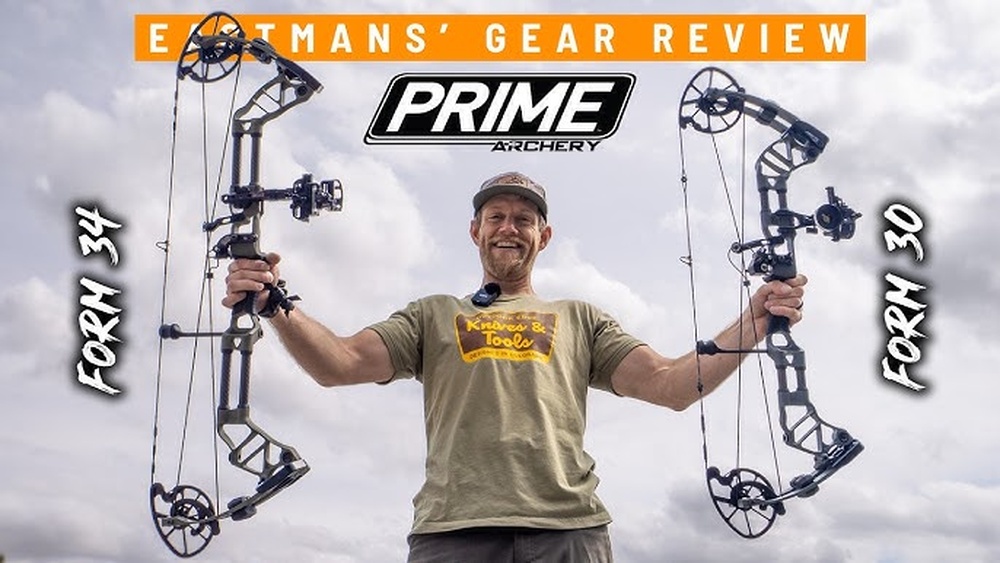
Compound Bow 30 Vs 34: Which Size Is Best for You?
Archery is a sport that blends precision, patience, and the right equipment. One of the most debated topics among archers is the choice between a 30-inch and a 34-inch compound bow. The difference might seem small, but it affects everything, from comfort and stability to accuracy and ease of use. If you’re trying to decide which size fits your needs, you’re in the right place. We’ll explore the unique features, advantages, and real-world considerations for both 30-inch and 34-inch compound bows. By the end, you’ll have the knowledge to make a confident choice based on facts, not just opinions.


What Does Compound Bow Size Mean?
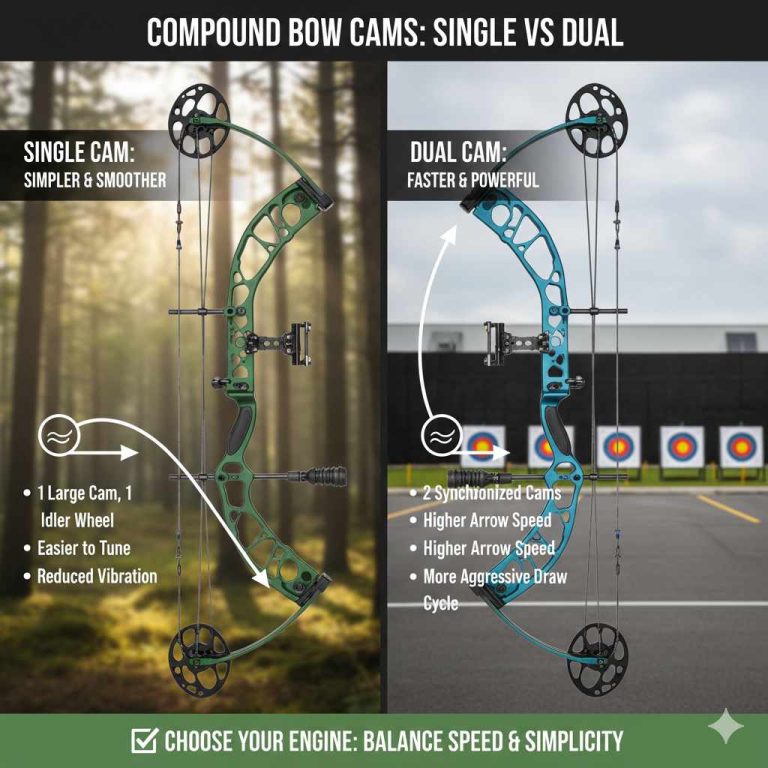
The “30” and “34” refer to the axle-to-axle length, the distance between the two axles where the cams (the round or oval mechanisms at each end) are mounted. This measurement affects how the bow feels, how it handles, and how well it performs in different situations. It’s not just about height; it changes the entire shooting experience.
1. Maneuverability In Tight Spaces
30-inch bows are noticeably easier to maneuver, especially in dense woods or hunting blinds. Their compact size lets you draw and aim without bumping into branches or the blind’s sides. This is a big plus for hunters who need to react quickly in close quarters.
On the other hand, the 34-inch bows can feel cumbersome in these settings. Their longer limbs may snag or require more room to operate, making them less ideal if you hunt in thick cover.

Credit: www.youtube.com
2. Stability At Full Draw
A 34-inch bow offers greater stability when you’re at full draw. The longer axle-to-axle length creates a steadier anchor point, reducing side-to-side sway. This often translates to tighter groupings, especially for archers with less experience.
In contrast, the 30-inch bow is less forgiving of small movements. You might notice more shaking in your sight picture, particularly if you have a longer draw length.
3. Draw Cycle Smoothness
Many archers find that 34-inch bows have a smoother, more consistent draw cycle. The longer frame distributes tension evenly, making the process feel less abrupt. This can reduce fatigue during long shooting sessions.
While 30-inch bows can still draw smoothly, the shorter length sometimes creates a sharper “valley” at the end of the draw. This isn’t always a negative, but it’s worth considering if comfort is a priority.
4. Portability And Transport
If you hike long distances or travel frequently with your bow, the 30-inch bow is easier to pack and carry. It fits into smaller cases and takes up less space in vehicles.
The 34-inch bow may require a larger case and could be awkward in tight car trunks or overhead compartments.
5. Forgiveness Of Shooting Form Errors
A 34-inch compound bow is generally more “forgiving.” This means that if your shooting form isn’t perfect, the bow is less likely to magnify mistakes. The longer axle-to-axle length helps arrows fly straighter, even with minor inconsistencies.
With a 30-inch bow, form errors can cause more dramatic misses. Beginners often find the shorter bows less forgiving, especially at longer distances.
6. Bow Weight And Fatigue
30-inch bows tend to be lighter, reducing arm fatigue during long hunts or target sessions. If you shoot for hours, a lighter bow can make a real difference.
Some 34-inch models are heavier, which can cause muscle fatigue over time, unless they’re made from advanced lightweight materials.
7. Speed And Arrow Performance
Shorter bows like the 30-inch are often designed for higher arrow speed. The compact design can deliver more power to the arrow, which is helpful for hunters who want a fast, flat trajectory.
However, 34-inch bows can also be fast, depending on their cam design and draw weight. Speed isn’t only about length, but many short bows are marketed for their quick arrow flight.

Credit: www.youtube.com
8. Noise And Vibration
A longer bow, such as a 34-inch compound bow, often produces less vibration and noise upon release. This is valuable for hunters who need to stay silent in the field.
30-inch bows can be louder, with more noticeable hand shock, though modern dampening technologies have closed the gap.
9. Customization And Accessories
34-inch bows usually have more room for accessories like stabilizers, sights, and quivers. The extra space means you can fine-tune your setup for balance and performance.
On a 30-inch bow, space is at a premium. You might need to choose smaller or lighter accessories to avoid making the bow front-heavy.
10. Target Archery Suitability
If your focus is on target archery, the 34-inch bow is often preferred. Its stability and forgiveness help you shoot consistent scores, especially at longer distances.
30-inch bows are less common in tournament settings, but they can still be accurate in skilled hands.
11. Bowhunting Applications
For tree stand or ground blind hunters, the 30-inch bow shines. Its compact size is perfect for tight spots where every inch counts.
If you hunt in open fields, a 34-inch bow can offer the stability needed for long shots without getting in the way.
12. Youth And Smaller Archers
Smaller-framed archers or youth may find the 30-inch compound bow easier to handle. The lighter weight and shorter length make it more manageable.
A 34-inch bow might feel unwieldy or heavy for those with shorter arms or less upper body strength.
13. Draw Length Compatibility
If you have a long draw length (over 30 inches), a 34-inch bow provides a better fit. The geometry allows for a smoother draw and a more comfortable anchor point.
Shorter bows can “stack” at the end of the draw, making it harder to pull back fully for those with longer arms.
14. Brace Height Differences
Brace height is the distance from the grip to the string at rest. Longer bows often feature a greater brace height, which can make them more forgiving and less sensitive to form errors.
Shorter bows sometimes have a lower brace height, which increases speed but reduces forgiveness.
15. Cam System Performance
Some cam systems work better with longer axle-to-axle bows. The extra length allows for smoother rotation and less aggressive let-off.
Shorter bows need more aggressive cams to achieve high speeds, which can make the draw cycle feel “harder. ”
16. Bow Torque And Hand Position
Longer bows like the 34-inch are less prone to bow torque, the twisting of the bow when you grip it. This can help you shoot more consistently, especially when you’re tired or under stress.
Shorter bows are more sensitive to grip pressure and can twist more easily, affecting arrow flight.
17. Arrow Rest Options
A 34-inch bow offers more space for different types of arrow rests, including larger drop-away or blade rests. This gives you more flexibility in tuning your setup for accuracy.
On a 30-inch bow, you might be limited to compact rests to avoid interfering with other accessories.
18. Peep Sight Alignment
With a longer axle-to-axle bow, the peep sight tends to align more naturally with your eye at full draw. This can speed up your aiming process and improve accuracy.
Shorter bows may require more effort to align the peep sight, especially for shooters with longer faces.
19. Let-off Percentage
While both sizes can offer high let-off (the percentage of weight reduced at full draw), many 34-inch bows offer smoother let-off transitions, making it easier to hold at anchor.
Some 30-inch bows have a sharper “wall” at the end, which can surprise beginners.
20. Release Aid Compatibility
Both 30-inch and 34-inch bows work with most release aids, but longer bows may accommodate a wider range of styles. Some release aids require more space to operate smoothly, which is easier to find on a longer bow.
21. Price Range And Availability
30-inch bows are widely available and often come at a lower price, catering to beginners and hunters who want a simple, effective tool.
34-inch bows may cost more, especially if they include advanced features for target shooting.
22. Resale Value
A well-maintained 34-inch bow may hold its value better among target archers and competitors, who often look for premium features.
30-inch bows can also sell well, especially in hunting communities, but the market is broader and sometimes more competitive.
23. Setup And Tuning Difficulty
34-inch bows are generally easier to tune, especially for beginners. The increased length provides more room for error when adjusting nocking points, arrow rests, and cams.
30-inch bows require more precise tuning to avoid issues like arrow rest contact or erratic flight.
24. Limb And String Wear
Longer bows distribute stress more evenly across their limbs and strings, potentially increasing the lifespan of these components.
Shorter bows concentrate more force in a smaller area, which could lead to faster wear if not maintained properly.
25. Sight Window And Field Of View
A 34-inch bow typically offers a larger sight window, giving you a clearer view of your target. This is helpful for both hunting and target shooting.
30-inch bows have a smaller sight window, which can feel cramped for some shooters, especially when using larger sights.
26. Broadhead And Arrow Clearance
Longer bows tend to provide better clearance for broadheads and longer arrows, reducing the risk of contact that could affect flight.
With a 30-inch bow, you may need to be more careful with arrow and broadhead selection to avoid clearance issues.
27. Maintenance And Repair
Both bow sizes are relatively easy to maintain, but 34-inch bows may offer more space to work on strings, cams, and limbs. This can make self-repairs less fiddly.
30-inch bows might require smaller tools or a professional technician for certain maintenance tasks.
28. Adaptability For Different Disciplines
34-inch bows are versatile for both target shooting and 3D archery, thanks to their stability and accuracy.
30-inch bows are more specialized for hunting but can be used for casual target practice.
29. Community And Support
There’s a larger online and local community for 30-inch bows, making it easier to find tips, tricks, and troubleshooting help.
34-inch bows have strong support among competitive archers, but the community is more niche.

Credit: www.youtube.com
30. Personal Preference And Shooting Style
Ultimately, the best choice often comes down to personal preference. Some archers love the feel of a compact bow, while others swear by the stability of a longer frame.
In my experience, trying both sizes at a local archery shop made a huge difference. You’ll quickly notice which fits your body and shooting style best.
Compound Bow 30 Vs 34: Quick Comparison
To help you see the differences at a glance, here’s a direct comparison of key features:
| Feature | 30-Inch Bow | 34-Inch Bow |
|---|---|---|
| Maneuverability | High | Moderate |
| Stability | Moderate | High |
| Forgiveness | Lower | Higher |
| Portability | High | Moderate |
| Ideal For | Hunting | Target/3D |
| Beginner Friendly | Moderate | High |
Real-world Scenarios: Which Bow Fits Best?
Hunting In Dense Forests
If you hunt in thick brush, a 30-inch bow shines. Its maneuverability lets you act fast without snagging on branches.
Tournament Target Archery
A 34-inch bow is the top pick for tournaments. Its stability helps you hold steady during pressure shots.
Traveling Shooters
If you travel often, a 30-inch bow is easier to pack and less likely to run into travel restrictions due to length.
Youth Programs
Many youth archery programs start kids with 30-inch bows because they’re lighter and less intimidating.
Tall Or Long-draw Archers
If you have a longer draw length or a taller frame, the 34-inch bow usually feels more comfortable and natural.
Detailed Data: Axle-to-axle Length Impact
Let’s look at how axle-to-axle length affects shooting accuracy and comfort:
| Axle-to-Axle Length | Stability | Maneuverability | Ease of Tuning |
|---|---|---|---|
| 30 Inches | Moderate | High | Moderate |
| 34 Inches | High | Moderate | High |
Pro Tip:
Always try different bows before buying. What feels great in the store might feel different after a day in the field or on the range.
Choosing The Right Bow For You
When deciding between a compound bow 30 vs 34, ask yourself:
- Where will I shoot most, dense woods or open ranges?
- Do I value lightweight gear or maximum stability?
- Is my draw length better suited to a longer bow?
- Will I compete, hunt, or both?
Don’t let marketing or trends override your own comfort. A bow that feels right in your hands will help you shoot better and enjoy the sport more.
For more technical details on compound bows and their mechanics, you can visit the Wikipedia page on compound bows.
Frequently Asked Questions
What Is The Main Difference Between A 30-inch And A 34-inch Compound Bow?
The key difference is the axle-to-axle length, which affects stability, forgiveness, and how easy the bow is to use in tight spaces. A 30-inch bow is more compact, while a 34-inch bow is steadier and more forgiving for target shooting.
Can I Use A 34-inch Bow For Hunting?
Yes, but it may be harder to maneuver in dense cover or small blinds. Some hunters choose 34-inch bows for open fields or spot-and-stalk hunting where space isn’t as limited.
Is A Longer Bow Always Better For Beginners?
Not always. While longer bows offer more forgiveness, a shorter bow may be easier for a beginner to handle, especially if they are smaller in stature or primarily interested in hunting.