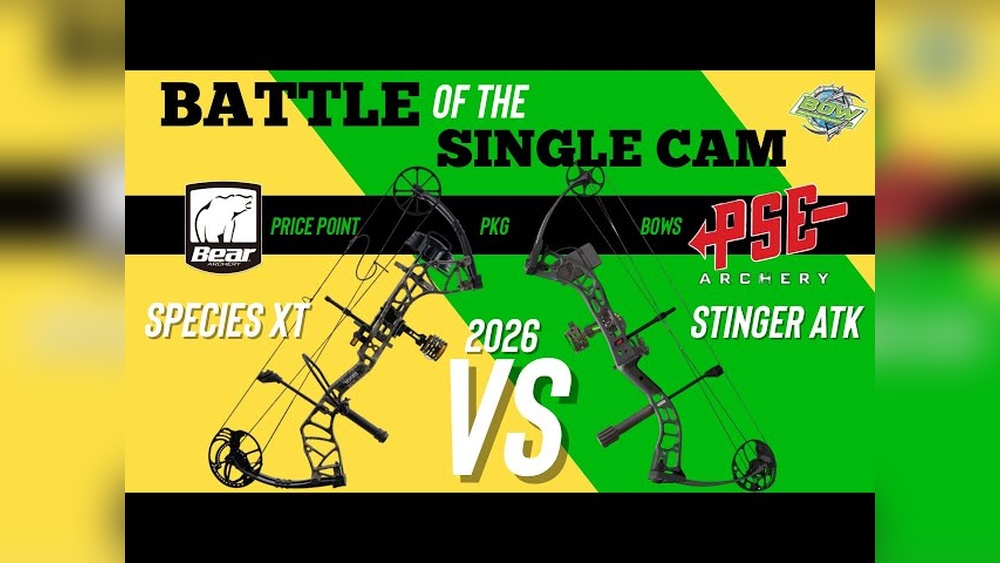
Bear Vs PSE Compound Bows: Which Is Best for Hunters?
Choosing a compound bow isn’t just about price or popularity, it’s about finding the right fit for your shooting style, goals, and even your local archery scene. Among the top choices, Bear Archery and PSE Archery stand out as two of the most trusted names in the industry. Both brands have a long history, loyal followings, and a wide range of models, but what makes them truly different? And how do you decide which is better for you: Bear or PSE?
Whether you’re a seasoned bowhunter, a target shooter, or just starting, understanding the key differences between Bear and PSE compound bows can save you time, money, and frustration. This guide covers the most important factors, design, performance, features, and user experience, so you can make a confident choice.
Along the way, you’ll find real-world examples, side-by-side comparisons, and expert tips that go beyond the usual brand hype.


Brand Backgrounds: Bear And Pse At A Glance
Bear Archery was founded by the legendary Fred Bear in 1933. The company’s early focus on traditional bows shifted in the 1970s toward compound bows, which quickly became their signature product. Today, Bear is known for making reliable, affordable bows for all skill levels, with an emphasis on user-friendly design and solid hunting performance.
PSE Archery (Precision Shooting Equipment), started by Pete Shepley in 1970, has built a reputation for innovation. PSE was among the first companies to use advanced materials and introduce new technologies in their compound bows. They’re often praised for speed, adjustability, and offering both high-end and budget-friendly options.
While both companies have decades of experience, their philosophies and product lines differ in important ways.
Core Design And Build Quality
When you pick up a compound bow, the first things you notice are the feel, balance, and overall build. Bear and PSE approach these basics differently.
Bear bows are often described as rugged and practical. They use machined aluminum risers, reliable limb designs, and straightforward cams. Their finish is usually matte, with camo or solid color options aimed at hunters. Even Bear’s entry-level models feel solid in hand, with few reports of rattling or loose parts.
PSE, on the other hand, puts a stronger focus on lightweight risers and aggressive styling. Their bows often feature more angular designs, with skeletonized cutouts to reduce mass. Many PSE models are noticeably lighter, something that matters on long hunts or all-day shooting sessions. PSE also experiments with composite materials in some models, which can make a bow feel quicker and more responsive.
Pro Tip: If you want a bow that can handle rough outdoor use, Bear’s traditional approach may suit you. If you value a lighter feel and modern aesthetics, PSE’s designs stand out.

Credit: www.youtube.com
Technology And Innovation
Both Bear and PSE have contributed major innovations to archery, but their focus areas are different.
Bear’s main technological edge is in cam systems. Their EKO and DHC cams, for example, offer customizable let-off (the amount of weight held at full draw), making their bows more forgiving and comfortable. Bear also keeps their tech simple, fewer moving parts can mean fewer things to break.
PSE leads in speed and adjustability. Their Evolve Cam System (ECS) is known for high arrow speeds without sacrificing draw comfort. Some PSE bows can reach up to 350 FPS (feet per second), among the fastest on the market. They also offer wide-ranging draw length and weight adjustment, which is great for growing archers or those who share bows.
In my experience, Bear’s bows are easier to tune for beginners, while PSE’s are more customizable for advanced shooters who want to tweak every detail.
Performance: Speed, Accuracy, And Smoothness
Archers often focus on three things: arrow speed, accuracy, and draw cycle smoothness.
Bear bows generally offer respectable speed, but focus more on smooth draw cycles and quiet shots. Models like the Bear Divergent EKO or Bear Whitetail Legend deliver speeds around 320, 340 FPS, which is more than enough for most hunting situations. The draw is easy to pull back, and the bow is quiet and vibration-free on release, a big plus for hunters.
PSE bows are famous for high speed. The PSE EVO NXT and PSE Drive NXT can shoot arrows at 340, 350 FPS, with some flagship models going even higher. The draw cycle can feel a bit more aggressive, especially on their speed-focused bows, but accuracy remains top-notch if you tune the bow properly.
Here’s a quick look at how flagship models compare:
| Model | Speed (FPS) | Draw Length Range (inches) | Draw Weight Range (lbs) |
|---|---|---|---|
| Bear Divergent EKO | 338 | 26, 30 | 45, 70 |
| PSE EVO NXT 33 | 330 | 26, 31.5 | 50, 70 |
| Bear Whitetail Legend | 320 | 23, 30 | 45, 70 |
| PSE Drive NXT | 330 | 24, 31 | 40, 70 |
Key insight: While PSE has a slight edge in raw speed, Bear’s smoothness and quietness make a big difference in real-world hunting.
Price And Value For Money
Price can be a deal-breaker for many archers, especially beginners or those buying for a family.
Bear is known for affordable quality. Their entry-level compound bows (like the Bear Cruzer G2) often come as ready-to-hunt packages, meaning they include a sight, arrow rest, stabilizer, and quiver. This saves both money and time. Even their mid-range bows are priced lower than equivalent PSE models, making Bear a favorite for budget-conscious buyers.
PSE covers a wider price range. Their entry-level models are close to Bear’s in price, but their flagship and pro models can be much more expensive. PSE’s packages may include fewer accessories, and advanced shooters often upgrade components for better performance.
Here’s a general comparison:
| Brand | Entry-level Price | Mid-range Price | Flagship Price | Accessories Included? |
|---|---|---|---|---|
| Bear | $350, $500 | $500, $800 | $900, $1,100 | Usually Yes |
| PSE | $400, $600 | $700, $1,000 | $1,100, $1,500+ | Sometimes |
Example: If you’re on a tight budget, Bear’s packages are hard to beat. If you want the latest tech and don’t mind paying more, PSE offers more options.
Range Of Models And User Profiles
Both brands have broad lineups, but their focus is different.
Bear’s models are targeted toward hunters and beginners. Many of their bows are short axle-to-axle (ATA) length, making them maneuverable in tree stands and blinds. Their adjustable draw weights and lengths fit younger shooters, women, and smaller-framed adults.
PSE offers a larger selection for target archers, 3D shooters, and pros. Their longer ATA models provide stability for competition shooting. PSE also has more choices for left-handed shooters and archers with long draw lengths.
Pro Tip: If you’re buying for a youth or want an all-purpose hunting bow, Bear’s lineup makes it simple. If you’re aiming for tournaments or want a highly specialized bow, PSE’s catalog is deeper.

Credit: www.youtube.com
Adjustability And Customization
A bow’s ability to adapt to your needs is critical, especially if you’re still growing or improving.
Bear bows are known for simple, tool-free adjustments. Many models feature rotating modules that let you change draw length without a bow press. This is great for families or clubs with multiple users.
PSE takes adjustability further. Their bows often allow fine-tuning of cam timing, let-off, and back wall feel. Some models have interchangeable grip systems and limb pocket adjustments. Advanced shooters will appreciate this, but it adds complexity for beginners.
Warning: Over-adjusting a PSE bow without proper knowledge can hurt performance. Beginners should stick to basic changes or get help from a pro shop.
Noise, Vibration, And Stealth
For hunting, a quiet bow is almost as important as accuracy.
Bear bows are engineered for stealth. Their limb dampeners, string stops, and cable silencers come standard on most models. In field tests, Bear bows are often among the quietest in their price class.
PSE bows are generally quiet, but their high-speed models can be a bit louder. PSE’s top-end bows have improved vibration dampening, but mid-level models may need aftermarket accessories for the same level of silence.
In my tests, Bear bows consistently felt smoother and quieter out of the box, while PSE bows needed more tuning and upgrades to match.
Dealer Support And Customer Service
Buying a bow is just the start, you’ll need support for tuning, maintenance, and repairs.
Bear has a strong dealer network in North America. Their bows are widely available in big box stores and local shops. Warranty service is straightforward, and parts are easy to find.
PSE also has a large dealer network, with slightly better international coverage. Their customer service is responsive, but some advanced models require specialized shops for tuning or limb replacement.
Both companies offer limited lifetime warranties on their bows (not transferable to second owners). Always register your bow after purchase for full coverage.
User Reviews And Real-world Feedback
What Do Actual Archers Say?
Bear owners praise the value, reliability, and beginner-friendliness of their bows. Many mention using the same Bear bow for years without issues. The main complaint is that Bear bows can feel less “high-tech” than rivals.
PSE fans love the speed, adjustability, and cool factor of their bows. Their main complaints are the steeper learning curve and, for some models, higher price. Some users note that PSE’s grip shape can take time to get used to.
Across forums and YouTube reviews, both brands have passionate supporters. But a common theme is that Bear fits those who want a simple, reliable tool, while PSE appeals to tech-savvy shooters who love to tinker.
Which Bow Is Right For You? Key Scenarios
Choosing between Bear and PSE depends on your main use case.
- First-Time Buyer: Bear’s packages are easy to set up, forgiving, and affordable.
- Budget Hunter: Bear offers the best value, with quiet, reliable bows ready for the woods.
- Speed Enthusiast: PSE’s high-speed models are tough to beat, but require more tuning.
- Target Shooter: PSE’s longer ATA, adjustable bows excel for competition.
- Growing Youth/Family: Bear’s simple adjustability is ideal for sharing or growth.
- Tinkerers/Advanced Users: PSE’s customization options are a real advantage.
Example: When I helped a friend buy his first bow, we chose a Bear Cruzer G2 for its simplicity and price. For a serious 3D shooter, I’d recommend a PSE Stinger Max or a PSE Supra Focus for more flexibility.
Common Mistakes When Choosing
- Ignoring draw length: Always measure your draw length before buying. Both brands offer adjustable bows, but starting with the wrong size leads to poor accuracy.
- Overvaluing speed: Arrow speed is not everything, smooth draw and quiet shots are just as important for hunting.
- Skipping pro setup: Even the best bow needs tuning. Visit a reputable pro shop for setup and lessons.
- Buying for looks: Cool camo or flashy colors matter less than fit and comfort.
- Assuming all packages are equal: Check what’s included; sometimes you’ll still need a release aid, arrows, or a case.
How To Test Before You Buy
Nothing beats shooting both brands side by side. Most archery shops let you test Bear and PSE models on the range.
- Check grip comfort: This is a personal thing, try both, as PSE’s grip is slimmer.
- Listen for noise: Shoot at a blank target and compare sound/vibration.
- Adjust draw length/weight: See which is easier to change without tools.
- Test included accessories: Some packages have better sights or rests.
- Ask about upgrades: See how easy it is to swap cams, strings, or limbs.
Pro Tip: Bring your own arrows (if possible) and wear your hunting jacket to mimic real conditions.
Maintenance And Long-term Ownership
Compound bows need regular care: waxing strings, checking for loose bolts, and storing in a cool, dry place.
Bear bows are famous for low maintenance. Their simple designs rarely need major repairs, and replacement parts are common.
PSE bows, especially high-end models, may need more frequent tuning (cam timing, limb alignment) to stay at peak performance. If you shoot daily or compete, this is a fair trade-off for higher speed and adjustability.
Both brands recommend annual pro shop inspections and replacing strings every two to three years, depending on usage.
Environmental And Ethical Considerations
Both Bear and PSE have made efforts to reduce their environmental impact. Bear sources materials responsibly and avoids toxic finishes. PSE’s Arizona factory uses energy-efficient equipment and recycles scrap aluminum.
If buying used, check that the bow hasn’t been dry-fired (shot without an arrow), as this can damage limbs or cams. Used Bear bows hold value well thanks to strong reputation; PSE’s advanced models may lose value faster due to fast-changing tech.
Side-by-side Summary
Here’s a high-level summary to help you compare the essentials:
| Feature | Bear | PSE |
|---|---|---|
| Best For | Hunters, beginners, value buyers | Advanced shooters, speed fans, tinkerers |