How Native American bows handled humidity, heat, and cold
Native-style bows change first at the materials: wood swells or shrinks with moisture, sinew tightens when dry and loosens when wet, glue joints creep in heat, and strings stiffen in cold. Ignore humidity and you’ll see twist, delamination, and string failures start showing up in your groups. Ignore cold and you’ll get slower action and accuracy loss as timing shifts. This guide breaks performance down by wood, sinew, glue, and string so you know what to watch in humid, hot, rainy, and cold weather.


How did humidity affect Native American bows?
Humidity hits the bow in a predictable order: wood takes on moisture first, then sinew tension shifts, and glue lines feel more “alive” as water softens them. Meanwhile the string can get tacky or change stretch behavior in damp air. The result is accuracy drift, reduced cast, and sometimes early edge separation.
Wood movement in damp air: swelling, loss of cast, and why stability is about seasoning
In damp air, wood absorbs moisture and swells. That swelling changes the bow’s working geometry, so the release feels less consistent and the cast drops sooner than you’d expect. Hickory is common in the East, and it can show noticeable performance loss in high humidity because the wood itself is taking on water and moving.
Sinew backing in humidity: why it can stay springy yet still risk bond stress
Sinew backing is made to bring spring and strength. When humidity rises, the sinew backing loosens slightly as it takes on moisture, and the bow can feel “alive” for a while. The risk is what the glue line is forced to tolerate while tension keeps shifting across the surface.
Hide glue in moisture: how softened adhesive changes what “fast” means before a shot
Hide glue is mixed from hide scrapings and sinew scraps, then used to bond sinew layers. When humidity stays high, the glue can soften enough that joints don’t behave as one rigid layer. The bow may still shoot at short range, though you may see less consistent timing and some creep under repeated loading.
Bowstring response: stretched feel and grip change in damp conditions
Strings respond fast. Plains bowstrings were made from sinew as well, and sinew is moisture sensitive. In wet conditions, you can feel a difference in stretchiness and grip, and that alone can change your release rhythm. Eastern-style strings could also be braided with elm bark, and they can pick up dampness differently than sinew.
According to Bowyer’s Corner-A Forgotten Ancient Technique — Humidity in the Eastern U.S. can reach 75% or more during summer. (source)
Did Native American bows work in rain?
Native-style bows may still be used in rain, but wet conditions can increase the chance of unwanted movement. Wood can swell, sinew backing can loosen, and glue lines can soften. Strings can stretch and feel different, especially if they’re moisture-sensitive sinew or braided elm bark. It’s a good idea to dry the bow and check the seams before each shot session.
Rain as repeated wetting: what causes the real damage
The damage usually isn’t one shower. It’s repeated wetting, partial drying, then wet again. Each cycle encourages edge lifting and seam stress. On sinew-backed bows, failure starts where glue lines take the most shear load, at edges and along flex zones where the bow bends most.
Drying as a repair: why you dry before you keep shooting
When the bow is wet, I treat the first minutes like setup time. I don’t assume it will “settle back.” I wipe off surface moisture, let the grip and tips air out, then shoot a few short “tuning” shots to confirm point of impact before committing.
How did heat change a wooden bow’s performance?
Heat changes what wood wants to do: some movement returns toward its drier shape, but it also encourages creep in glue joints and shifts tension relationships across wood and backing. If the bow sits loaded in hot sun, the shape can drift. If it’s repeatedly cycled from humid to hot, the glue lines can weaken over time.
Heat and wood: where shape returns and where it can creep if the bow is left under load
When wood dries from humidity, it tends to regain some of its original dimensions. That can feel like the bow “snaps back.” The problem is leaving it under load while hot. In that situation, wood and glue can keep inching toward a new equilibrium, and your brace feel changes session to session.
Heat and sinew: drying after humidity and what over-drying can do to backing behavior
After humidity, sinew backing dries and tightens. That can restore spring, but over-drying after repeated damp exposure increases stiffness and can increase stress along glue seams. Buffalo sinew backing is often layered with hide glue, and it needs protection at the surface to avoid accelerated cycling in real weather.
Hide glue under heat: why a bond can feel fine at first and still weaken with repeated cycling
A glue bond can feel solid right after it dries, especially if the surfaces sealed well. Then repeated hot sessions and reloads slowly encourage creep. I’ve seen this on glue lines where the bow looked straight, but shots spread as the season moved on.
String behavior in heat: faster tension change after sitting in sun
Heat makes strings relax and then re-tension as they cool, which can shift your reference for brace and timing. If you leave a string in direct sun, it can also get stiffer as the surface dries unevenly, changing how it grips your fingers or releases from a rest.
How do Native-style bows behave in cold weather?
Cold mainly changes feel and timing. Wood can stiffen, the bow can feel “hard,” and the action slows, which pushes your launch timing. Strings stiffen too, and the stretch feel changes. Wet-cold is worse because damp materials can freeze and thaw, turning each temperature swing into stress on glue and backing.
Cold stiffness: why a bow can feel “hard” and how that changes launch timing
In cold, the first few shots may behave differently. The bow’s stored energy release is slower, and groups can shift because the arrow leaves at a slightly different point in your process. I shoot a short warm-up set before I judge accuracy.
String performance in cold: grip, stretch, and why wet-cold is worse than dry-cold
Strings change how they flex when cold. If the bowstring has moisture, you can get a stiffening effect plus uneven stretch, and the “feel” through your fingers changes. That’s why wet-cold can be harder to manage than dry-cold: moisture can make the string’s behavior less predictable as conditions cycle between freezing and thawing.
Adhesive risk in cold: what freezing and thawing cycles do to glue lines
Hide glue is weather-sensitive because it’s designed to bond when surfaces are right, and it behaves differently as water and temperature move through the joint. Freezing and thawing cycles can loosen edges and encourage micro-separation that grows later when you load the bow.
Field storage: how to avoid condensation when moving between cold air and warm shelter
When you go from cold outdoors to a warm interior, condensation is the quiet enemy. I wrap the bow in cloth to slow moisture exchange, keep it out of direct heat sources, then check tips and seams after it comes to a stable temperature.
What changes first: wood, sinew, glue, or string?
On humid-to-wet swings, wood movement often shows up first, since the wood can swell as it absorbs moisture. Then sinew backing tension shifts, and glue lines soften enough to allow creep or edge separation. On fast wet events, string behavior changes immediately, and that can ruin accuracy before you even notice bow geometry.
Quick cause-and-effect map for humid-to-wet-to-cold shifts
If you walk from a dry place into high humidity, wood swelling is the first mechanical change. If it starts raining or the bow gets splashed, string stretchiness and grip may change fairly quickly. In cold after dampness, wet-cold stiffening and freeze-thaw risk becomes the main concern for glue lines and seams.
Why string care often fixes accuracy before the bow itself feels “broken”
Most “something’s off” days in variable weather start with the string. I’ll often see the point of impact move because the string feels different in tension and release. A dry wipe, careful handling, and a quick test shot set can recover accuracy without the bow ever looking damaged.
Where delamination starts in real life: edges, glue lines, and repeated re-wetting
Delamination risk tends to start at edges and along flex zones where glue lines see shear stress. On sinew-backed bows, the layered hide glue and buffalo sinew system does its job when protected, but repeated re-wetting keeps feeding seam stress until it lifts.
Hickory bows, osage orange, and why some woods tolerate damp air better
Hickory is a classic Eastern choice and it can suffer noticeable performance loss in high humidity because it absorbs moisture and the bow’s working shape shifts. Osage orange, associated with the southern Plains, is denser and tends to move less when protected, so its cast can hold steadier even when the air stays wet.
Hickory bows and high humidity: performance loss patterns seen with moisture-affected cast
With hickory, the bow can feel like it’s giving less punch in the first shots of humid sessions. The movement isn’t random; it follows wood swelling and the bow settling into a new moisture-conditioned shape. Eastern humidity reaching 75% or more during summer makes this more than a theoretical problem.
Osage orange: dense wood behavior and why it tends to move less when protected
Osage orange is associated with the southern Plains and it’s known for dense wood. In practice, density helps it resist moisture-induced swelling when you keep it sheltered and protected from rain splash. When water does hit it, you still dry and check, but it usually shifts less than softer species.
How seasoning changes the outcome regardless of species
Seasoned wood matters because it reduces movement from humidity. If the bow starts life with less internal water to absorb, it won’t swell as dramatically during storms and summer air. I’ve learned this the hard way: the unseasoned pieces in my shop always seemed to “learn” the weather after I mounted them.
Sinew-backed bows on the Plains: buffalo sinew, hide glue, and rattlesnake skin
On Plains-style bows, buffalo sinew backing and hide glue create a strong, springy system. It can handle power, but weather exposure threatens the glue lines and the backing if it stays wet and cycles through drying repeatedly. Rattlesnake skin covering was a practical protection layer, and Plains geometry also changes how the bow gets splashed while mounted.
Buffalo sinew backing: strength and spring, plus what happens when it’s repeatedly wet
Buffalo sinew backing is layered with hide glue. When protected from repeated wetting, it stays springy and powerful because the backing system keeps its working tension relationship with the wood. When the backing repeatedly gets wet and then dries unevenly, it relaxes and re-tightens, and seam stress accumulates.
Hide glue bonding: when it holds well and when it turns soft during moisture cycling
Hide glue is mixed from hide scrapings and sinew scraps, then used to bond sinew layers. In moisture, it softens, and that’s when glue joints creep or allow micro-separation under flex. The bow can look fine at first, then accuracy loosens as the seam behavior changes across the session.
Rattlesnake skin covering: the practical job it did for weather exposure on Plains setups
Rattlesnake skin covering adds weather protection over sinew backing. In field terms, it’s doing two jobs: it reduces direct water contact and slows drying-speed changes across the backing. That means fewer wet-dry cycles at the seam level, which is exactly where delamination risk shows up.
Plains bows (42–48 inches) and mounted use: how shorter form changes exposure and handling
Plains bows were often short, around 42–48 inches, with a reflexed gull-wing profile and mounted use. Shorter length means the bow spends less time close to ground-level mud spray and fewer random splashes reach the backing. Mounted use still exposes the string and tips, so you treat the whole system as weather sensitive.
Native bow weather response table + pre-shoot checklist
Use the table to predict what changes first when conditions swing, then use the checklist to confirm it before you commit to longer shots. I build my sessions this way because most “mystery misses” in traditional archery are material behavior problems, not form. Fast checks save time and prevent seam damage.
Component-by-component weather response table (humidity, heat, rain, and cold)
| Condition | Wood (hickory / osage orange etc.) | Sinew backing (buffalo sinew / sinew) | Hide glue (bond lines) | Bowstring (sinew / braided elm bark) |
|---|---|---|---|---|
| High humidity (humid summer air) | Swells, geometry shifts; cast can drop. Hickory can suffer noticeable performance loss in high humidity. | Loosens slightly as it takes on moisture; spring feel may stay present while tension relationships drift. | Softens; joints can creep under repeated loading, leading to edge stress. | Moisture sensitivity shows up as changed stretchiness and finger grip. |
| Rain / wet conditions | Absorbs surface water fast; repeated wetting increases movement and session-to-session variation. | Backed layers relax when wet; repeated wet-dry cycling raises seam stress and delamination risk. | Softens and weakens bonding feel; failures start at flex edges and glue lines. | Stretchiness changes in rain; can feel less predictable and release differently. |
| Heat (hot sun sessions) | Dries back toward baseline, but left loaded in heat can creep toward a new set. | Dries tighter; after humidity it can tighten hard, increasing stress at glue lines. | May feel fine initially, yet bond can weaken with repeated heat cycling. | String tension can change as it heats and cools; surface drying can stiffen release feel. |
| Cold (dry cold vs wet-cold) | Stiffens; action slows and launch timing shifts. | Stiff behavior increases; wet-cold is worse due to moisture presence and stress swings. | Freeze-thaw cycles can loosen glue lines and seed micro-separation. | Grip and stretch feel change; damp strings behave more erratically in cold. |
Practical pre-shoot checklist for the next 5 minutes before you nock an arrow
- Dry and inspect: wipe wood limbs and check edges for lifting along glue seams.
- Confirm string feel: pinch-test stretchiness and finger grip; if it feels “wrong,” dry and retest.
- Check backing stability: look for gaps or bubbling where sinew meets glue lines.
- Verify brace behavior: set brace the same way each time; heat and dampness can shift your reference.
- Storage swing check: if you moved from warm to cold or cold to warm, allow temperature stabilization before shooting.
Failure-case walkthrough: what to check first when conditions swing fast
- If impacts spread right after rain: check the string first (wet stretchiness), then edges and glue lines.
- If the bow feels “hard” and timing slips in cold: warm-up a few shots, then reassess timing and string feel.
- If you feel creep across humid shots: inspect glue line softness indicators and stop if seams lift.
- If you see separation at flex edges after repeated damp exposure: treat it as a backing seam failure, not a form problem.
Why do modern bows have handles when Native American bows didn’t?
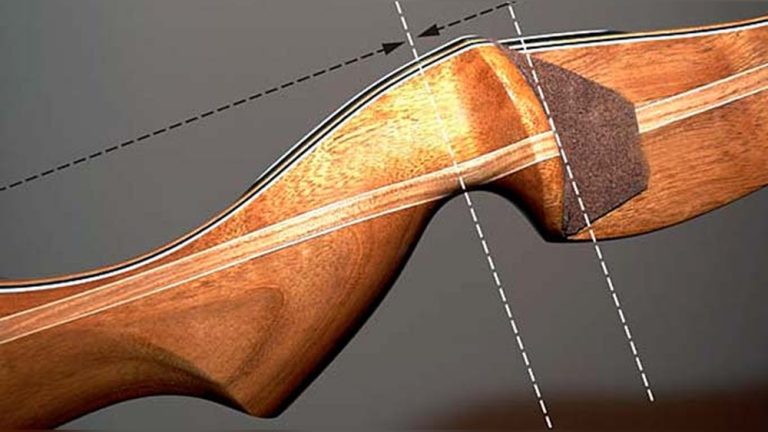
A “handle” on later designs is mainly about how the bow is held and loaded. Early grips and brace concepts can keep hand contact off the limb structure that’s most sensitive to moisture and movement. If your traditional bow’s wood and sinew change with humidity, your grip method and how you control contact matter as much as any added handle.
What a “handle” was doing mechanically on later designs
Handles help distribute force and provide a consistent grip position. That can reduce how much hand pressure influences limb torsion during the shot. With weather-sensitive wood and string behavior, consistency helps, especially when humidity or cold has already shifted your baseline feel.
How traditional grip and brace concepts changed the way weather contact mattered
Traditional grips aim to keep pressure stable while the bow works naturally. If humidity has loosened sinew tension or softened glue joints, changing grip pressure can increase seam stress. That’s why I treat grip changes as a tuning variable whenever weather swings.
How to adapt grip and bow handling when your bow is moisture sensitive
If you shoot a sinew-backed setup, your best adaptation is to keep your contact consistent and your drying routine reliable. I also manage how long the bow stays out in damp air before shooting.
Frequently asked questions
What bow materials resisted moisture better?
Denser woods like osage orange tend to move less when protected, and seasoning reduces how much any species swells when humidity rises. Rattlesnake skin covering over sinew backing helps limit direct exposure and slows wet cycling. Still, hide glue and moisture-sensitive strings can be affected, so protection and drying habits decide how well a setup survives.
How did Native American bowstrings respond to wet conditions?
Bowstrings respond quickly in wet weather. Plains bowstrings made from sinew can change stretchiness and finger grip as moisture enters the material. Eastern-style strings could be braided elm bark, which also picks up dampness and changes how it behaves during release. The practical result is timing drift and accuracy loss if you don’t dry and retest.
What should I know before shooting a traditional bow in cold or wet weather?
Cold slows the action and changes string stretch feel, so warm up before you judge groups. Wet-cold is more serious because freeze-thaw cycles stress glue lines. In rain, dry and inspect seams and edges first, then shoot a short test set. If the bow feels “off” quickly, treat string behavior as the first culprit.