Finger Shooting vs Release Aid: Which Setup Fits You?
Choose finger shooting on a compound if you want a simpler setup, shorter effective draw comfort, and bare-hand control; choose a release aid if you need cleaner arrow launch, easier repeatability, and tighter groups at hunting or target distances. Pick the wrong setup and you usually fight anchor inconsistency, poor tune, and lost accuracy. This guide compares anchor behavior, control, and field conditions so you can match the bow setup to your shooting style.
Finger shooting vs release aid: the short answer
Compound bows are often shot with a release aid, because the last contact point before arrow launch is easier to repeat. Finger shooting can still work, but only when the bow is set up for it and the archer accepts more sensitivity to anchor drift, glove fit, and string wear.
| Decision factor | Finger Shooting | Release Aid | Winner |
|---|---|---|---|
| Anchor consistency | More dependent on face contact and hand placement | More repeatable because the release system is the last contact point | Release Aid |
| Learning curve for hunting | Simple feel, but harder to repeat under pressure | Easier for most hunters to build a repeatable shot | Release Aid |
| Glove and weather compatibility | Poorer with thick gloves, cold hands, and wet strings | Better in gloves, rain, and cold weather | Release Aid |
| String wear | More direct string contact, so wear can increase | Less direct string contact | Release Aid |
| Shot feel | Direct and familiar | More controlled, but less bare-hand feel | Finger Shooting |
Anchor consistency
Finger shooting wins on simple contact, but the anchor point can shift faster because the hand, jaw, and string all work together at once. A release aid separates the string from the fingers, which makes the anchor point easier to repeat shot after shot.
Learning curve for hunting
For most hunters, the release aid is the easier path to a stable shot sequence. Finger shooting asks for more discipline in face pressure, string alignment, and hand position when the body is cold, bent, or rushed.
Gloves, weather, and string wear
Cold hands and wet conditions reduce feel with fingers first. Direct finger contact can also add noise and string wear, so anyone switching to fingers on a compound should expect different maintenance and a more careful setup.
How finger shooting and release aids work on a compound bow
Finger shooting puts direct string contact under the archer’s fingertips, so the bow is controlled by hand pressure and face references alone. A release aid moves that contact point into a mechanical system, which usually improves repeatability and reduces hand interference.
Finger contact and direct string control
Finger shooting can feel natural because the shot breaks from the string with no mechanical device in between. That simplicity comes with a trade-off: the shooter must control anchor point, finger tension, and string alignment with more precision, especially at hunting distance.
Wrist-strap release basics
A wrist-strap release is attached to the wrist and is a common hunting option because it is fast to grab and stable under pressure. The trigger travel and trigger weight matter a great deal; too light can cause accidental shots, while too heavy can make the hunter punch harder.
Thumb release basics
A thumb release is thumb-fired and usually feels different from wrist-strap releases because the hand controls the shot more directly. It gives precise control, but it also asks for a steadier execution and a cleaner understanding of trigger pressure.
Finger shooting vs release aid at a glance
The core trade-off is simple: fingers give a bare-hand feel and a simpler setup, while release aids give cleaner execution and easier repeatability. That difference matters most when anchor control, weather, and pressure start to stack up.
| Factor | Finger Shooting | Release Aid | Winner |
|---|---|---|---|
| Anchor repeatability | Moderate to low under pressure | High with a consistent release system | Release Aid |
| Setup simplicity | Very simple if the bow is set for fingers | Requires selecting and tuning the release | Finger Shooting |
| Shot control | Direct, but less insulated from torque | Better control of trigger behavior and execution | Release Aid |
| Maintenance load | More string wear to monitor | Less direct string wear | Release Aid |
What changes for anchor consistency
Anchor point is the reference point on the face or jaw, and it has to be repeatable. With fingers, that reference is easier to disturb because the string, face, and hand are all interacting at once; with a release aid, the system is more mechanically fixed.
What changes for string wear
Direct finger contact can increase string wear, so the bow owner should expect a different maintenance rhythm when moving away from a release aid. That does not make fingers invalid. It just changes what needs watching.
Which setup gives you the most repeatable anchor?
Release aids give the most repeatable anchor because they reduce how much the fingers, wrist, and string position can move the shot. Finger shooting can work, but anchor drift shows up faster under pressure, especially when the archer is cold, tense, or wearing gloves.
Why anchor drift shows up faster with fingers
With fingers, the shooter is managing contact pressure on the string and face at the same time. Small changes in finger placement can shift the string hand position enough to move the arrow’s launch path.
Why release aids help repeatability
The release system becomes the last contact point before arrow launch, so it standardizes that part of the shot. That is one reason many first-season compound bow hunters do better with a wrist-strap release.
How face and jaw reference points change the shot
A repeatable reference on the jaw or face matters more than most beginners expect. If that reference changes from shot to shot, the arrow leaves at a slightly different angle even if the sight picture looks the same.
Say your group opens from 3 inches to 8 inches only when the hunt begins and your face feels cramped in a jacket collar. That is usually an anchor-repeatability problem, not just a sight problem.
Which setup gives you better trigger control and shot execution?
Release aids give better trigger control because the shot can be separated from finger pinch and string contact. The downside is that trigger settings matter: too light can cause accidental shots, and too heavy can make shooters punch the trigger instead of executing the shot cleanly.
Trigger travel and trigger weight explained
Trigger travel is the amount of movement before the release fires, and trigger weight is the resistance needed to fire it. On hunting releases, adjustable trigger travel and tension are important because they help the shooter match the trigger to the way they aim and settle the pin.
How trigger settings affect punching and accidental shots
A trigger that is too light can go off before the archer is ready. A trigger that is too heavy can push the shooter into a hard punch, which often pulls the bow off line at the worst moment.
How release choice can affect target panic
Target panic is a shot execution problem tied to anticipation. A surprise shot or a back-tension style execution can help, but release choice matters too; a poorly tuned release can feed the habit, while a calmer trigger setup can reduce it.
A common first-timer mistake is cranking the trigger so light that the shot fires during aim wobble, then blaming the bow when the problem is really shot anticipation plus bad trigger setup.
Which setup fits hunting, gloves, and cold weather best?
Release aids fit hunting conditions better because field shots often happen in gloves, rain, cold hands, or awkward body positions. Fingers can still be used, but the setup has to be more carefully matched to weather, clothing, and the need for repeatability.
Why field conditions favor repeatability
Hunting pressure changes body position and focus. A consistent release system is easier to run when the archer is half-crouched, twisted in a tree stand, or wearing layers that alter string feel.
How gloves and wet hands affect finger shooting
Gloves reduce string feel and make anchor points harder to judge. Wet hands and wet strings also change friction, which makes finger shooting less predictable than it is on a dry target line.
Why wrist-strap releases are common for hunters
Wrist-strap releases are common because they are fast to get on the string and easy to keep ready while holding a bow at full draw. For most first-season compound bow hunters, that mix of speed and consistency is hard to beat.
Where thumb releases fit in hunting use
Thumb releases are a better fit for hunters who want handheld control and are willing to practice their shot execution. They can work very well, but they are less forgiving than a wrist-strap release if the shooter has not built a stable trigger habit.
Decision matrix: choose fingers, a wrist-strap release, or a thumb release
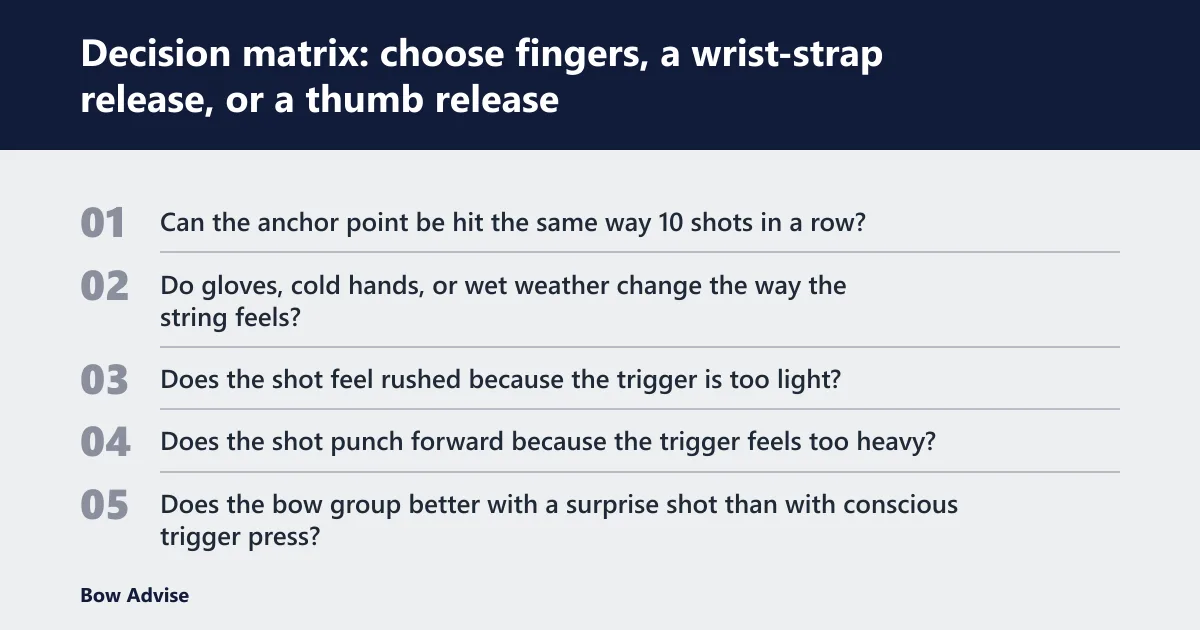
This matrix scores each setup against the factors that matter most for compound bow use. The scores reflect general fit, not a universal ranking, because anchor behavior, body size, glove use, and hunting pressure all change the right answer.
| Criteria | Finger Shooting | Wrist-Strap Release | Thumb Release |
|---|---|---|---|
| Anchor consistency | 2/5 | 5/5 | 4/5 |
| Learning curve | 3/5 | 5/5 | 3/5 |
| Glove compatibility | 2/5 | 5/5 | 4/5 |
| Target panic risk | 3/5 | 4/5 | 4/5 |
| Hunting practicality | 2/5 | 5/5 | 4/5 |
Finger shooting
Finger shooting scores best when the archer wants direct feel and already has disciplined anchor behavior. It loses points in hunting practicality because gloves, cold weather, and pressure make the shot harder to repeat.
Wrist-strap release
The wrist-strap release is the safest general pick for most beginners and first-season hunters. It is attached to the wrist, fast to get on the string, and the most forgiving option when the shot happens in bad weather or awkward positions.
Thumb release
The thumb release sits between the other two. It gives more precise control than a wrist-strap model, but it also asks more of the shooter’s trigger discipline and practice routine.
One-page self-test checklist
- Can the anchor point be hit the same way 10 shots in a row?
- Do gloves, cold hands, or wet weather change the way the string feels?
- Does the shot feel rushed because the trigger is too light?
- Does the shot punch forward because the trigger feels too heavy?
- Does the bow group better with a surprise shot than with conscious trigger press?
- Is the bow set up for fingers, or is it already tuned for a release system?
- Is hunting use the main goal, or is this mostly casual target practice?
- Does the current setup create visible string wear, noise, or anchor drift?
Must-have
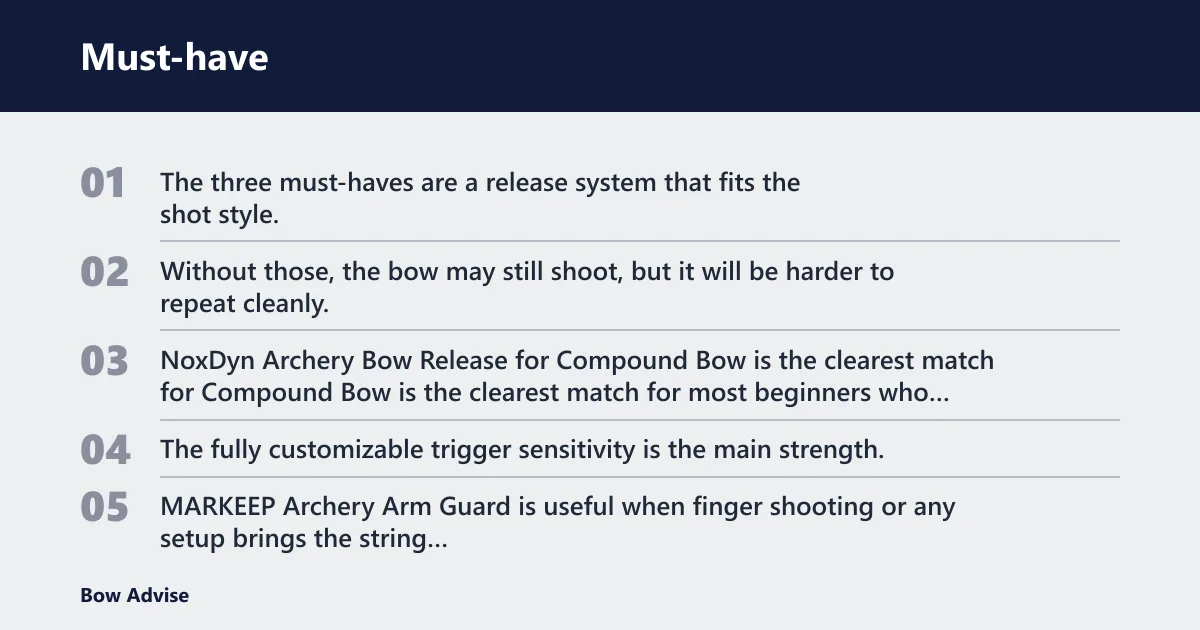
The three must-haves are a release system that fits the shot style, a stable anchor reference, and a setup that matches the actual field conditions. Without those, the bow may still shoot, but it will be harder to repeat cleanly.
 Our pickNoxDyn · 4-Finger Adjustable Sensitivity Thumb Release Aid
- Precision-engineered from aircraft-grade aluminum alloy
- Fully customizable trigger sensitivity for crisp shots
- Ambidextrous for left & right handed archers
Drawback: Heavier than bare-handed shooting; adds mechanical complexity to setup.$28.99Price as of 12 Oct 2026View on Amazon →As an Amazon Associate we earn from qualifying purchases. Prices and availability are accurate as of the date shown and are subject to change.
- Precision-engineered from aircraft-grade aluminum alloy
- Fully customizable trigger sensitivity for crisp shots
- Ambidextrous for left & right handed archers
NoxDyn Archery Bow Release for Compound Bow is the clearest match for most beginners who want a wrist-style hunting release. The fully customizable trigger sensitivity is the main strength, but the drawback is that a sensitive trigger still needs careful setup to avoid accidental shots or trigger punching.
 Also greatMARKEEP · MARKEEP Archery Arm Guard, Adjustable Breathable
- Advanced 3D air fabric for breathability
- Fully adjustable 2/3 strap system with buckles
- Lightweight & flexible design conforming to arm
Drawback: May feel restrictive during high-heat or prolonged use.$6.89Price as of 12 Oct 2026View on Amazon →As an Amazon Associate we earn from qualifying purchases. Prices and availability are accurate as of the date shown and are subject to change.
- Advanced 3D air fabric for breathability
- Fully adjustable 2/3 strap system with buckles
- Lightweight & flexible design conforming to arm
MARKEEP Archery Arm Guard is useful when finger shooting or any setup brings the string closer to the forearm. It is lightweight and adjustable, but it does not solve anchor drift or trigger issues, so it belongs in the support category rather than the accuracy category.
 Pair with itZelerdo · Zelerdo 4 Pack Leather Archery Finger Tabs
- High quality cowskin material, soft and flexible
- Protects fingers from injury during training
- 4-pack suitable for recurve bows and practice
Drawback: Fits most right-handed archers; left-handed users may need alternatives.$9.99Price as of 12 Oct 2026View on Amazon →As an Amazon Associate we earn from qualifying purchases. Prices and availability are accurate as of the date shown and are subject to change.
- High quality cowskin material, soft and flexible
- Protects fingers from injury during training
- 4-pack suitable for recurve bows and practice
Zelerdo 4 Pack Leather Archery Finger Tabs makes sense for archers who are committed to finger shooting and want a basic protective layer. The main drawback is that finger tabs help comfort more than consistency, and they still require a bow set up for fingers.
Nice-to-have
Nice-to-have gear helps the shooter refine one weak point, but it should not be confused with the main setup decision. These items improve fit, comfort, or aiming clarity after the shooting style is already chosen.
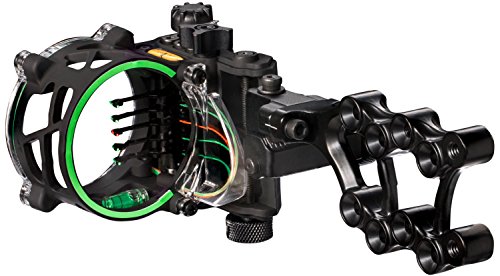 Upgrade pickTrophy Ridge · Trophy Ridge Fix Bow Sight, 5 Fiber Optic Pins
- Micro-adjustable pins for dependable precision
- Second-axis adjustment for increased accuracy
- Ultra-bright 0.019" horizontal fiber optic pins
Drawback: Higher cost; specialized sight system for compound bows.$87.43Price as of 12 Oct 2026View on Amazon →As an Amazon Associate we earn from qualifying purchases. Prices and availability are accurate as of the date shown and are subject to change.
- Micro-adjustable pins for dependable precision
- Second-axis adjustment for increased accuracy
- Ultra-bright 0.019" horizontal fiber optic pins
Trophy Ridge Fix Bow Sight is a useful aiming aid for shooters building a hunting setup around repeatability. A sight can help with hold and reference, but it will not correct poor anchor control, and that limit matters more when deciding between fingers and a release aid.
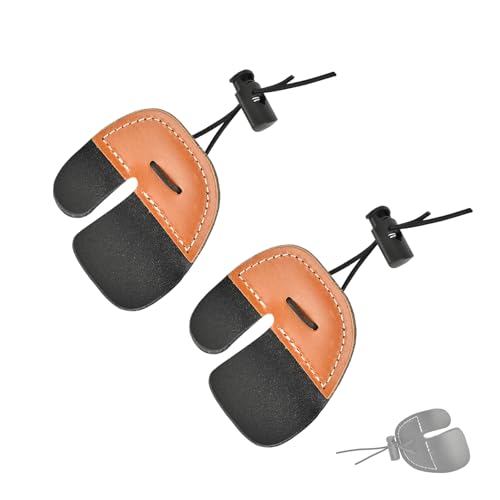 Budget pickSPG · SPG Leather Archery Finger Tab – 2 Pack
- Double-layer premium leather construction
- Adjustable & secure fit via elastic slider
- Unbeatable value with 2-pack inclusion
Drawback: Limited to right-handed users; only leather material options.$7.99Price as of 12 Oct 2026View on Amazon →As an Amazon Associate we earn from qualifying purchases. Prices and availability are accurate as of the date shown and are subject to change.
- Double-layer premium leather construction
- Adjustable & secure fit via elastic slider
- Unbeatable value with 2-pack inclusion
SPG Leather Archery Finger Tab is a low-cost option for traditional-style finger shooting practice. Its value is clear, but it is a poor fit if the bow is already tuned for a wrist-strap or thumb release.
Consumables and spares
Consumables are the items that wear, loosen, or need replacement. This is where finger shooters and release users start to diverge, because direct string contact changes maintenance expectations.
SPG Leather Archery Finger Tab fits here as a wear item for finger shooters who want spares. The two-pack helps with replacement planning, but the tab is still a consumable, not a fix for poor form.
Zelerdo 4 Pack Leather Archery Finger Tabs also belongs in this section because it gives multiple backups. The drawback is the same as any tab: it protects fingers, but it does not remove the consistency demands of finger shooting on a compound.
Budget setups
The right budget depends on whether the shooter is choosing finger contact, a wrist-strap release, or a more controlled thumb release. The table below uses only the listed prices and keeps the setup logic simple.
| Setup tier | Suggested gear | Price | Why it fits |
|---|---|---|---|
| Starter | SPG Leather Archery Finger Tab | $7.99 | Lowest-cost entry for finger shooting practice if the bow is tuned for fingers |
| Mid | NoxDyn Archery Bow Release for Compound Bow | $28.99 | Good fit for a first hunting release because trigger sensitivity is adjustable |
| Serious | Trophy Ridge Fix Bow Sight + NoxDyn Archery Bow Release for Compound Bow | $87.43 + $28.99 | Better for shooters building a more repeatable hunting setup around anchor control and clean aiming |
Choose Finger Shooting if… / Choose Release Aid if…
Choose finger shooting if the bow is set up for fingers, you want bare-hand control, and you can keep anchor point repeatable without relying on winter gloves or wet-weather luck. Choose a release aid if you hunt often, need cleaner arrow launch, or want the better path for consistency under pressure.
Choose finger shooting if…
- You are using a compound bow that is actually set up for fingers.
- You shoot mostly in mild conditions with bare hands or thin gloves.
- You accept more string wear and more attention to anchor discipline.
- You prefer direct feel over mechanical trigger control.
Choose release aid if…
- You want the most repeatable anchor point.
- You hunt in cold, wet, or glove-heavy conditions.
- You want a better learning curve for hunting and field execution.
- You need adjustable trigger travel and trigger weight to manage shot quality.
Frequently asked questions
Should I use fingers or a release aid on a compound bow?
Most shooters should start with a release aid, especially for hunting, because it improves repeatability and is easier to manage under pressure. Finger shooting still works if the bow is set up for it and the archer wants a simpler, bare-hand feel with more attention to form.
Is it okay to shoot a compound bow with fingers?
Yes, but only when the bow is set up for fingers. That setup usually demands tighter anchor discipline, more attention to string wear, and more care with weather and glove fit than a release-based setup.
Will a release aid improve my accuracy?
For many shooters, yes, because it reduces finger torque and makes anchor behavior more repeatable. It does not fix poor aim or bad trigger habits by itself, so the release still has to be matched to the shooter and tuned correctly.
What release aid is best for beginners?
A wrist-strap release is the best beginner choice for most compound bow hunters. It is attached to the wrist, fast to get on the string, and more forgiving in hunting conditions than a handheld thumb release.
Do fingers wear a compound bow string faster?
Yes, direct finger contact can increase string wear. That matters most for shooters who switch from a release aid to fingers without adjusting maintenance expectations or inspecting the serving regularly.
What is the difference between a wrist strap release and a thumb release?
A wrist-strap release is attached to the wrist and is usually fired with a trigger while the bow is held in the hand. A thumb release is thumb-fired and handheld, which gives more direct control but usually asks for more refined trigger discipline.