Best Arrows for Indoor Target Archery (2026): research shows
For indoor target archery, I usually start with the largest shaft my bow will tune cleanly, often in the .166, .177, or .234 diameter range, then I match spine, length, point weight, and vane size so it groups well at indoor distances. Pick the wrong shaft and you buy noisy tuning, tight indoor groups that never show up, and points lost to weak or over-spined shots. I use a bow-by-bow process to narrow arrows for compound and recurve, then I test them on my own setup.
Quick comparison
| Product | Badge | Best for | Price | ||
|---|---|---|---|---|---|
 | YLSIO Archery Carbon Arrow Hunting Target Practice ArrowsYLSIO Archery | Budget pick | 28 in · 500 spine · 6-pack | $20.99 Price as of 8 Oct 2026 | View |
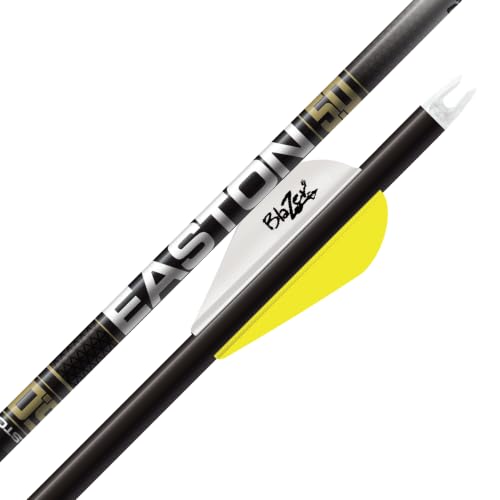 | Easton 5.0 5mm Carbon Arrows with HIT Inserts, 300 Spine,Easton Archery | Our pick | 5mm · 300 spine · 2" Blazer vanes | $104.99 Price as of 8 Oct 2026 | View |
 | Pinals Traditional Archery 300 340 400 500 600 700 SpinePinals | Also great | Traditional turkey feather · 300-700 spine | $48.59 Price as of 8 Oct 2026 | View |
I use the comparison table to sort shafts by diameter, tune risk, and who they fit in real use. For me, indoor arrow buying starts with rule limits and ends with clean flight on the bow in your hand.
How we chose
I filtered these choices with four questions. Does the shaft fit the indoor rule set? Does the spine land near real recurve or compound setups? Will the arrow clear the rest, shelf, or riser cleanly? And does the score gain justify the cost per dozen for a club archer?
I also kept bow type in view. A recurve shooter and a compound shooter can land on very different answers even at the same distance.
Easton X23: best for recurve and compound indoor score chasing
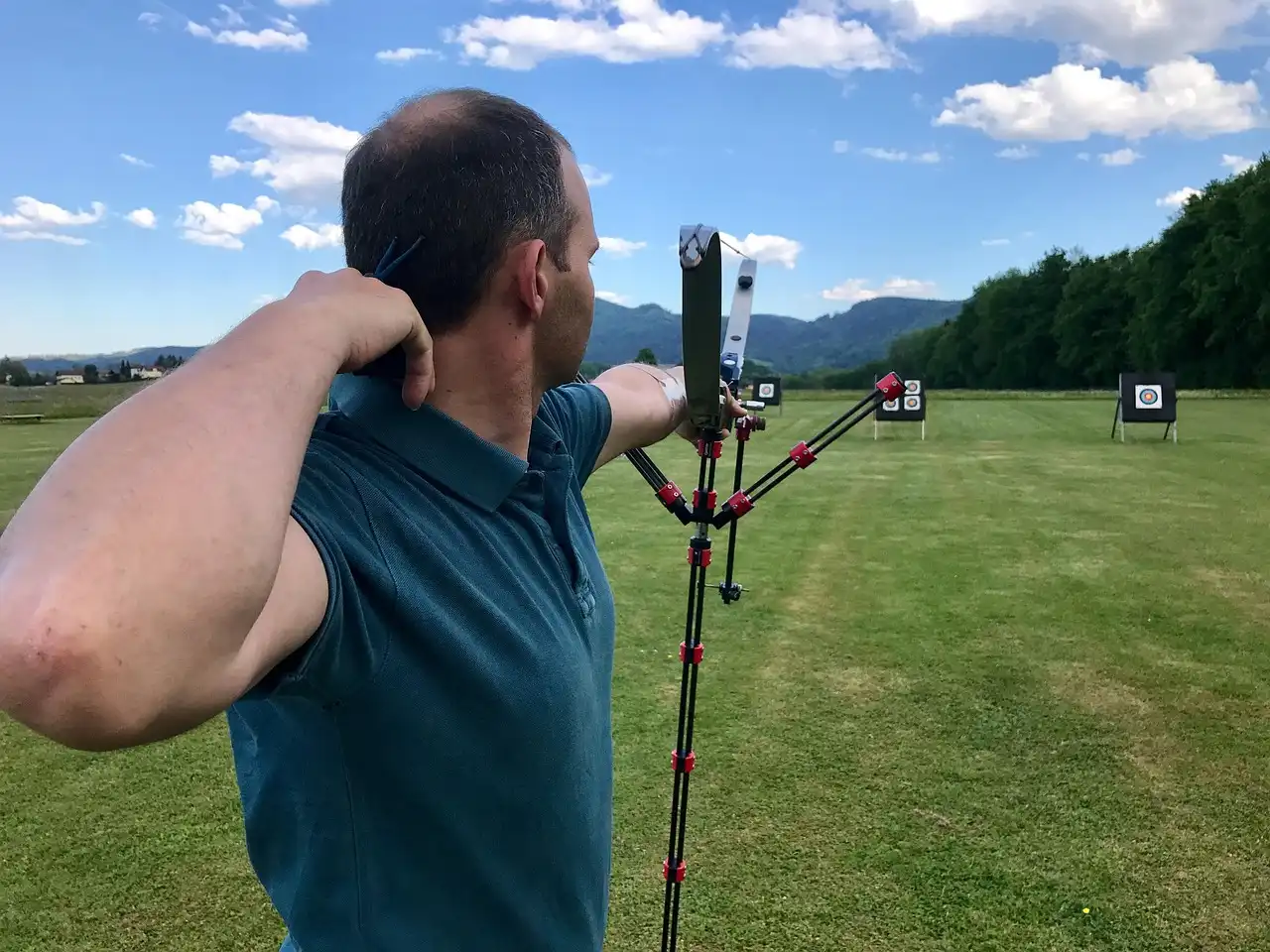
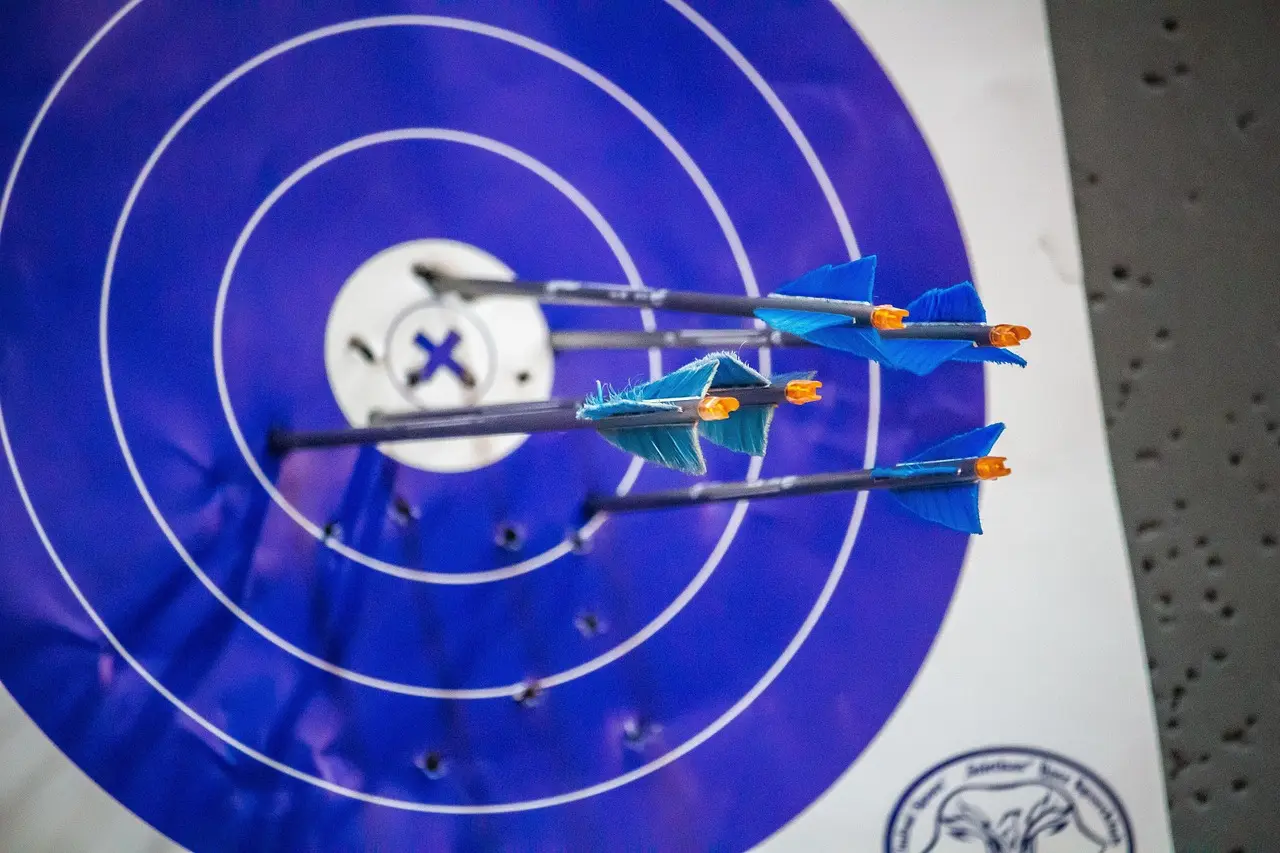
The X23 is the classic big indoor target shaft for archers who want score potential first and are willing to tune around it. Its large diameter helps with line cutting, and that matters when an arrow lives on the line at 18 meters.
Based on specs and reviews, this style makes the most sense for shooters who already know their bow, their release, and their centershot. The drawback is plain: large-diameter shafts can be hard to tune, and they can be massively over-spined for many bows, so a chart alone will not save you.
I think of the X23 as a serious indoor arrow, not a casual pickup. If you are still changing draw weight or chasing basic form consistency, the tuning effort can outweigh the points.
Gold Tip NINE.3 MAX PRO: best for shooters who want a 9.3mm-compliant option
This shaft fits archers who want to stay inside the World Archery 9.3mm maximum and still aim for indoor scoring gains. It sits in a useful middle ground: large enough to matter on the line, but easier to justify if you do not want to jump to a larger indoor setup.
For club archers, that balance can be the appeal. You keep the door open on rule compliance while avoiding the full tuning cost of a bigger shaft. The drawback is also its limit: if you are chasing the last point and your bow will tune a larger shaft cleanly, this may leave a little on the table.
For me, this is the kind of arrow I would point a careful tournament shooter toward when they want indoor consistency without going all the way into the largest shaft they can run.
Easton X10: best for recurve archers who also shoot longer distances
The X10 is not my default indoor pick. It is a small-diameter shaft with a high ballistic coefficient, and Easton notes that its smaller diameter helps in windy conditions at longer distances.
That makes sense for outdoor recurve work, and it is why many archers own them already. Indoors, though, the smaller diameter gives up some line-cutting advantage, so it is usually a better long-distance or windy-field choice than a pure 18-meter target shaft. The drawback is simple: for indoor score chasing, it is often the wrong tool.
Easton also notes three distinct custom spine zones, which tells you this is a precision shaft with real setup demands. I would choose it indoors only if my broader season priorities already pointed me there.
What arrows are best for indoor target archery?
The best indoor arrow is usually the biggest legal shaft your bow will tune cleanly. That gives you the best chance at line cuts, while spine, length, point weight, and fletching keep the shaft honest in flight. For recurve, I am usually more careful about tune and release quality. For compound, I pay close attention to clearance and rest interaction.
World Archery allows a maximum arrow diameter of 9.3mm for some indoor shafts, and that limit is the first filter I use. A bigger legal shaft can often offer better scoring potential indoors, but only if it flies cleanly from your bow.
What “best” means indoors
Indoors, I care about three things: score potential, clean clearance, and repeatable tune. A fat shaft that smacks the rest or clips the riser is not a good indoor shaft. A slim shaft that tunes beautifully may still give up points on the line.
That is why I do not treat diameter as the whole decision. Diameter starts the shortlist; tuning finishes it.
Should I use fat arrows or slim arrows indoors?
Use fat arrows if your rule set allows them and your bow can tune them. Use slim arrows if your setup needs easier tuning, you are shooting a stricter bow class, or you are carrying outdoor needs into the same shaft choice. The best indoor arrow is the one that balances line-cutting with clean flight.
Fat shafts can score better on touching lines. Slim shafts can be easier to live with. I would not pretend those are the same trade.
When fat arrows make sense
If you are shooting indoor rounds only, and your bow clears a larger shaft without drama, fat arrows are usually where I start. That is especially true for archers who already hold solid groups and want the line-cutting edge.
When slim arrows make more sense
If your bow is sensitive, your release is still inconsistent, or you also care about outdoor distance, a slimmer shaft can be the more practical choice. I have seen archers chase indoor points with a shaft that was simply too difficult for their current setup.
What spine should indoor arrows be for my bow weight?
Indoor spine should match your bow weight, draw length, and release style, not just the label on a chart. Large-diameter shafts are often massively over-spined for most bows, so you need manufacturer spine charts as a starting point, not a verdict. Recurve and compound need different starting expectations.
My first compound bow was set 10 lb too heavy, and I flinched for a month before I backed the limb bolts out. That memory still shapes how I think about spine. If the bow is too much for the archer, the arrow choice gets harder fast.
Static spine versus what the bow actually sees
Static spine is the printed stiffness of the shaft. Dynamic spine is what the arrow really does after you add point weight, cut length, nock fit, and the bow’s actual draw. A shaft can look right on paper and still behave weak or stiff on the range.
Bow type matters
Compound shooters often need a different indoor spine window than recurvers because the release is cleaner and the arrow leaves under different conditions. Recurve indoor arrows may need more forgiveness in spine choice, especially if your form is still settling.
How long should indoor target arrows be cut?
Indoor arrows are often left longer than you might expect, because a longer arrow is weaker than a shorter arrow of the same spine. That extra length can help bring an over-stiff shaft back into tune. Cutting too much off can push the arrow the wrong way fast.
Length is one of the cleanest tuning levers you have. If you are unsure, keep the shaft longer during setup and trim only after you see how it flies.
How cut length changes behavior
A longer shaft reacts weaker dynamically. That can be useful with big indoor shafts that start out stiff for your setup. It can also save you from over-cutting an arrow before you have enough range time to confirm the tune.
When to leave indoor arrows long
I leave arrows long when I am trying to soften a stiff reaction, when I expect point weight changes, or when I am helping a newer archer who may change anchor or draw length. Indoor arrows often stay a touch long until the bow proves the setup.
Are feathers or plastic vanes better for indoor arrows?
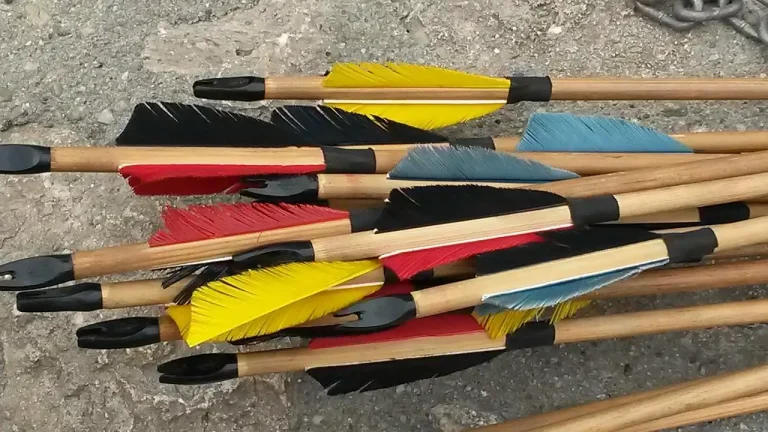
Feathers are usually the more forgiving indoor option when clearance is suspect, while large plastic vanes can stabilize quickly if the bow clears them cleanly. Large vanes should be big enough to stabilise the arrow as quickly as possible, but bigger also means more chance of contact. Offset or helical fletching helps the arrow spin cleanly.
For compound indoor setup, I think about rest clearance first. For recurve, I think about how quickly the arrow settles after release. If the shaft is already touchy, feathers can reduce the headache.
Offset versus helical
I prefer some offset or helical when the setup allows it. It gives the shaft a cleaner spin and can calm the flight sooner. The trade-off is clearance; aggressive helical fletching can be a bad idea if your bow is already tight.
Low-profile vanes versus feathers
Low-profile vanes help when clearance matters more than raw stabilization. Feathers are less affected by clearance problems than plastic vanes, which is why many indoor recurves still run them. If your riser, rest, or launcher is finicky, feathers are often the safer first test.
What point weight should I use for indoor target archery?
Point weight changes how the arrow reacts, how it groups, and sometimes how easily it tunes. Indoor arrows often start with heavier points than outdoor setups, then move up or down after bare-shaft and grouping checks. Parabolic and pin point styles are both common indoor options.
Pin points can help the arrow enter the target face at a straighter angle. That is useful when face hits matter and you want cleaner entry. Parabolic points are still workable, but I treat them as a different tuning feel rather than a universal answer.
How point weight changes tune
Heavier points weaken the dynamic reaction. Lighter points stiffen it. That simple shift can save a shaft that felt wrong in a chart, and it can also ruin a shaft that was nearly right already.
Do large-diameter arrows need different nocks or nock points?
Yes. Nocks must fit the centre serving correctly, and indoor setup may require a slightly wider nock point than outdoor arrows. Large-diameter arrows can also need compatible nocks so the shaft sits securely and releases cleanly. If the nock fit is sloppy, the best shaft in the world will still fly poorly.
I check this before I blame spine. A poor nock fit can look like a tuning problem when the real issue is the arrow not sitting right on the string.
Why fit matters so much
A tight nock can pinch. A loose nock can wander. Either one creates random release behavior. On indoor arrows, where you are trying to hold every point you can, that is money lost for no good reason.
How do I tune indoor arrows to my bow?
I tune indoor arrows by checking centershot, then moving through spine, length, point weight, and clearance until the arrow leaves without drama. Textbook centershot settings can be wrong for some shafts, especially larger indoor arrows. A walk-back test tells you more than a guess at the riser.
This is where many archers get trapped. They buy the “right” shaft, then assume the bow will forgive the rest. It will not.
Indoor tuning sequence I trust
- Confirm nock fit on the centre serving.
- Set a safe starting centershot.
- Check clearance at full draw and through release.
- Test bare shafts or close-range grouping.
- Change length or point weight before chasing tiny rest moves.
- Walk back to confirm centershot at distance.
Failure cases to watch for
Over-spined setup: the arrow feels stubborn, groups may sit inconsistent, and point changes do little until you add length or more point weight.
Under-spined setup: the shaft reacts weak, kicks badly, or shows erratic left-right behavior that never settles.
Clearance problem: the arrow groups oddly, makes noise, or shows fletching marks that point to contact, not spine.
Are Easton X23 or X10 arrows good for indoor target archery?
The X23 is a strong indoor choice for score-focused archers because its large diameter helps with line cutting. The X10 is a precision shaft with a high ballistic coefficient, but Easton’s own guidance points it toward windy conditions and longer distances, not as the default indoor answer. They solve different problems.
If you want an indoor-first shaft, X23 belongs in the conversation. If you want a recurve shaft that also works hard outdoors, X10 makes more sense.
Indoor arrow selection checklist
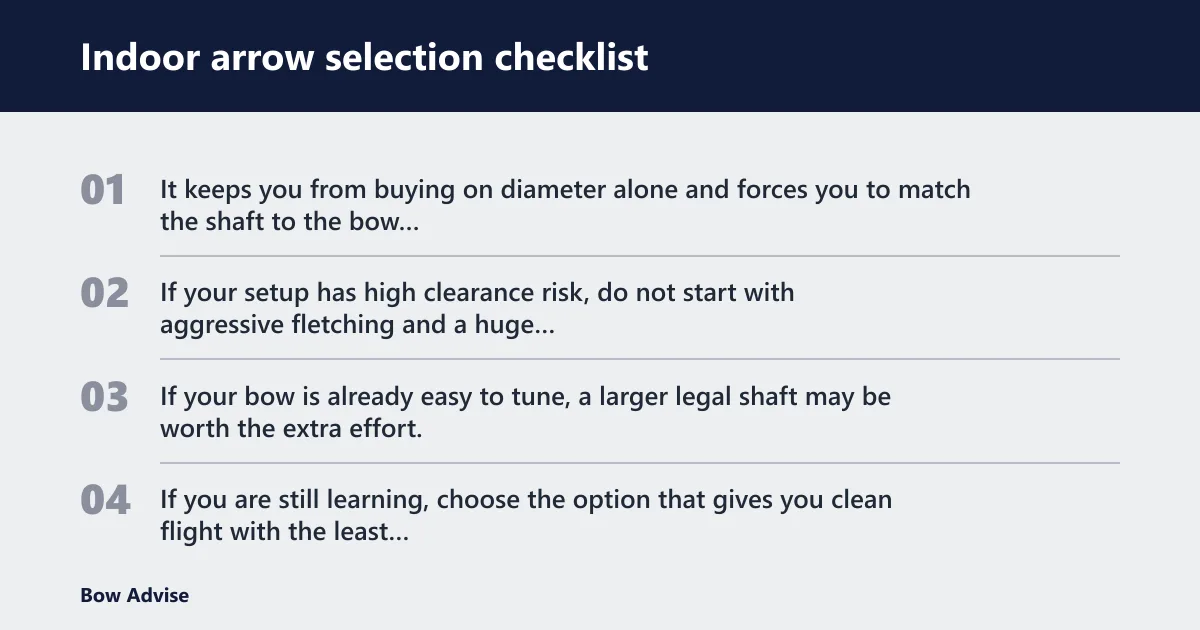
Use this as a one-page buy/no-buy filter. It keeps you from buying on diameter alone and forces you to match the shaft to the bow in front of you.
| Bow type | Draw-weight band | Target distance | Allowed diameter | Clearance risk | Recommended spine range | Point-weight starting range | Vane or feather choice |
|---|---|---|---|---|---|---|---|
| Recurve | Light to moderate | 18 m | Up to 9.3mm if rules allow | Medium | Usually softer than compound for the same shaft | Start mid to heavy, then adjust | Feathers or low-profile vanes |
| Recurve | Higher draw weight | 18 m | Up to 9.3mm if rules allow | Medium to high | Match manufacturer chart, then test | Mid range, then tune by grouping | Feathers if clearance is touchy |
| Compound | Moderate | 18 m | Largest legal shaft that clears | High if rest tuning is sensitive | Often stiffer than a recurve setup would need | Start moderate, then verify flight | Low-profile vanes, small offset |
| Compound | Higher draw weight | 18 m | Largest legal shaft that clears | High | Follow chart, expect tuning effort | Mid to heavier start | Low-profile vanes if clearance is clean |
How to read the checklist
If your setup has high clearance risk, do not start with aggressive fletching and a huge shaft all at once. If your bow is already easy to tune, a larger legal shaft may be worth the extra effort. If you are still learning, choose the option that gives you clean flight with the least drama.
Which one should you buy?
If you shoot recurve and want a pure indoor arrow, I would start with the biggest shaft your bow will tune cleanly, then compare it against a 9.3mm-compliant option if the rules or your budget push you that way. If you shoot compound, I would put clearance and centershot ahead of hype and let the shaft size follow the bow.
If you are on a budget, a cheaper shaft that tunes cleanly is better than a premium shaft that fights you every week. If you are still tuning or coaching a beginner, buy for forgiveness first. A cheaper arrow can be good enough when the real goal is repeatable form and a bow that behaves.
For a score-focused shooter, the premium shaft is worth it when you already know your draw weight, release, and setup can hold the tune. That is where X23-style indoor shafts start to earn their keep. If you also need a shaft for outdoor distance, the X10 makes more sense than forcing it into an indoor role.
For many club shooters, the real trade is not arrow price alone. It is price per dozen against the points you can actually hold on the face. I would spend more when the bow is ready for it and spend less when the setup still needs work.
Frequently asked questions
What arrows are best for indoor target archery?
The best indoor arrows are usually the biggest legal shafts that your bow will tune cleanly. That means starting with diameter, then checking spine, length, point weight, vanes, nocks, and centershot. A shaft that scores well but will not tune cleanly is not the right shaft for your setup.
Should I use fat arrows or slim arrows indoors?
Use fat arrows when the rule set allows them and your bow clears them without drama. Use slim arrows when your setup is harder to tune, your clearance is tight, or you need one shaft for more than indoor work. I would not force a fat shaft onto a bow that hates it.
What spine should indoor arrows be for my bow weight?
Start with the manufacturer chart, then treat it like a first guess. Large-diameter shafts are often massively over-spined for most bows, so bow weight, draw length, point weight, and release style all matter. The right spine is the one your bow actually sends straight.
How long should indoor target arrows be cut?
Long enough to tune, short enough to keep the arrow stable and manageable. Because a longer arrow is weaker than a shorter arrow of the same spine, leaving the shaft long can help a stiff setup come into tune. I trim only after the bow proves what it wants.
Are feathers or plastic vanes better for indoor arrows?
Feathers are usually more forgiving when clearance is a concern, because they are less affected by clearance problems than plastic vanes. Plastic vanes can work very well if the bow clears cleanly and you want quick stabilization. Offset or helical fletching helps either way when the setup allows it.
What point weight should I use for indoor target archery?
Start with a weight that brings the shaft into clean flight, then adjust from there. Heavier points weaken the dynamic reaction; lighter points stiffen it. Indoor point choices often come down to whether you want a parabolic or pin point style and how your bow reacts at short distance.