Arrow Vanes vs Feathers: How to Choose for Your Setup
Choose feathers for traditional recurves, barebow, and broadhead hunting when you need fast correction or forgiveness. Choose vanes for compounds, bad weather, and tight-clearance setups. Pick the wrong one and you risk fletching contact, weak broadhead control, or a setup that groups fine in calm air and falls apart in rain. This guide breaks down clearance, weather, tuning, and use case so you can match the fletching to the bow.
This guide is part of our Arrow dynamics in archery series.
Vanes or feathers: which fits your setup?
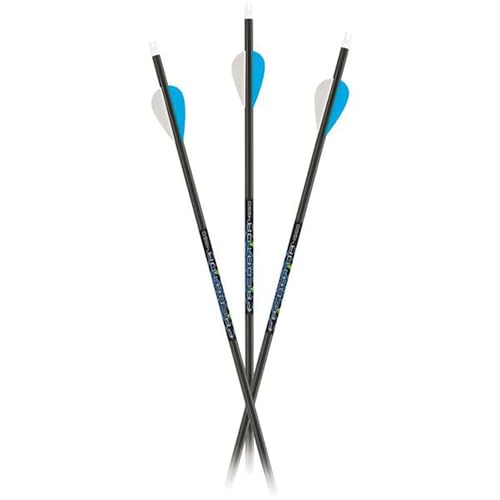
| Decision factor | How to choose arrow vanes | feathers for your setup | Winner |
|---|---|---|---|
| Bow and rest fit | Best with compounds, drop-away rests, and containment rests | Best with recurves, shelves, and simple rests | Tie |
| Weather resistance | Waterproof and better in rain | Absorb water and can lose shape in wet weather | How to choose arrow vanes |
| Forgiveness on contact | Stiffer, but less forgiving if they hit shelf or cables | Soft and more forgiving on shelf contact | feathers for your setup |
| Broadhead stability | Strong choice for hunting arrows and broadhead control | Can work, but moisture and contact matter more | How to choose arrow vanes |
| Noise and maintenance | Usually quiet enough, durable, and low maintenance | Quieter in flight, but need more care and dry storage | Tie |
Bow and rest fit
Vanes fit modern compound setups better because drop-away rests and containment rests reduce clearance problems. Feathers fit recurves, barebow rigs, and shelf-shot traditional bows because they tolerate touch better when the arrow leaves a simple rest or the shelf itself.
The right answer starts with contact risk. If the arrow may brush the shelf, plunger, cable guard, or rest arm, feather forgiveness matters more than vane stiffness.
Weather resistance
Vanes win when rain, dew, or wet grass are part of the plan. Plastic vanes are tough and waterproof, and the guide is right to treat water as a major decision point because feathers can soak up rain and lose performance.
Feathers still work well in dry conditions, but once they get wet they can go limp, curl, and steer inconsistently. That matters more than many beginners expect.
Forgiveness on contact
Feathers are the safer choice when there is any real chance of shelf contact. Their soft, flexible structure gives them a better chance to survive a brush with the bow and still guide the arrow acceptably.
Stiff vanes can bounce off the shelf or a marginal rest setup and ruin flight. That is why traditional and barebow shooters so often start with feathers.
Broadhead stability
Broadheads make fletching choice more important because they magnify tiny steering errors. In many setups, vanes are a practical choice for compound hunting arrows when the goal is stable flight with fixed blades, especially with modern rests.
Field points should be used first for tuning and comparison. If field points group but broadheads plane or drift, the setup is telling you that stabilization, clearance, or tune still needs work.
📊 The page identifies Bohning Blazer Vanes as a 2 in, 100-pack. Source: Feathers vs Vanes: Which Arrow Fletching Is Best for You?.
How fletching choice changes arrow flight
Fletching stabilizes the arrow by creating rear drag, which helps the shaft settle point-first. Feathers and vanes both do that job, but they do it with different tradeoffs: feathers are lighter and more forgiving, while vanes are tougher and more resistant to weather.
Stability and steering
Stability is not only about how fast an arrow settles. It also depends on how hard the fletching has to work after release, how clean the launch is, and whether the arrow is carrying a field point or a broadhead that wants to plane.
A broadhead setup usually benefits from more dependable steering than a field-point practice arrow. That is why vane choice often matters more on hunting arrows than on casual target arrows.
Speed loss and why it is usually secondary
Any fletching adds drag, so any choice trades a little speed for control. The better question is whether the arrow arrives on target consistently, because a few feet per second mean little if clearance is poor or the group opens up.
For most beginners, stability should come before speed. A clean tune with the right fletching beats a faster arrow that flies inconsistently.
Why point weight and arrow speed matter
Heavier points and slower arrows usually need reliable steering, because they can be more sensitive to release errors and broadhead planing. Faster arrows still need stabilization, but they may be less forgiving if the fletching choice creates too much contact or too much drag.
That is why a hunting compound with a fixed-blade head often leans toward vanes, while a traditional recurve with a simple point and shelf contact often leans toward feathers.
Feathers: where they win and where they fail
Feathers are lighter, soft, and forgiving on contact, which makes them a strong choice for recurve and barebow setups. They are also quieter in flight, but they absorb water and need more care in wet conditions.
Why feathers suit recurve and barebow setups
Recurve bows and barebow setups often launch arrows from a shelf or simple rest, so contact is more likely. Feathers handle that reality better than stiff vanes, and that is why traditional archers keep returning to them.
When shelf contact is part of the system, feather forgiveness is not a small advantage. It is often the difference between a usable arrow and one that tears itself apart at launch.
Shelf contact and forgiveness
Feathers can flex, flatten, and recover from light contact better than plastic vanes. That matters on barebow rigs, traditional wooden bows, and recurve setups with minimal accessories.
Suppose a beginner recurve shoots clean field-point groups until the arrow clips the shelf on a few releases. Feathers may still give acceptable flight, while vanes can show a hard kick, extra noise, or a clear left-right miss.
Rain, wear, and maintenance tradeoffs
Feathers absorb water, so rain is a real failure case rather than a minor inconvenience. Once wet, they can lose shape and slow down stabilization, which is why they are a poor fit for damp hunting sits or wet target lines.
They also need more maintenance. Creases, crushed barbs, and dirty feathers all reduce consistency faster than most plastic vanes will show wear.
Vanes: where they win and where they fail
Plastic arrow vanes are tough, waterproof, and standard for many compound and hunting setups. They fit modern rests well, but they need good clearance because stiffer material is less forgiving if the arrow brushes the bow.
Why vanes suit compound bows and modern rests
Compound bows typically pair well with vanes because drop-away rests and containment rests reduce contact risk at release. That makes vane durability and weather resistance more valuable than feather softness.
For many hunting compounds, vanes are the default because they keep working in damp weather and hold shape through repeated use. The setup is built around cleaner clearance, so the vane can do its job without much compromise.
Water resistance and durability
Vanes shrug off water, which makes them dependable in rain, snow, and wet grass. They also hold up better to repeated shooting and transport than feathers, so they suit arrows that see hard use.
That durability has a cost. If a vane starts with poor clearance, the stiffness can turn a small interference problem into a bigger flight problem.
What happens when clearance is poor
If a vane hits a shelf, cable, or launcher arm, it can kick the arrow hard enough to destroy broadhead consistency. On a compound, that can show up as tearing, erratic broadhead groups, or a loud launch that never really tunes out.
Can you use vanes on a traditional bow? Sometimes, yes, but only when the arrow leaves with enough clearance to avoid contact. On many shelf-shot bows, feathers remain the safer starting point.
Setup decision matrix: choose by bow, rest, and use
The best choice depends on failure mode first. Match the fletching to the bow type, rest type, weather exposure, and whether the arrow is meant for hunting or target work.
| Setup | Rest type | Weather exposure | Use | Best fletching |
|---|---|---|---|---|
| Beginner recurve | Shelf or simple rest | Dry or indoor | Target | Feathers |
| Barebow traditional | Shelf contact likely | Dry to mixed | Target or 3D | Feathers |
| Compound hunting bow | Drop-away rest | Wet or variable | Hunting | Vanes |
| Compound target bow | Containment or tuned rest | Dry or controlled | Target | Vanes |
| Traditional bow with clean clearance | Simple rest, no hard contact | Dry | Target | Either, with feathers safer |
| Broadhead hunting arrow | Any setup that tunes well | Any, but especially wet | Hunting | Vanes on compounds; feathers on traditional bows if clearance stays clean |
Recurve and barebow setups
For recurves and barebow rigs, feathers are usually the first choice because shelf contact is common and forgiveness matters more than durability. That is especially true for beginners who have not fully tuned center shot, plunger pressure, or arrow spine yet.
Start with feathers if the bow is simple, the rest is minimal, or the release window is not perfectly clean. A traditional setup that needs to recover from occasional contact has little reason to start with stiff vanes.
Compound bows with drop-away or containment rests
For compounds, vanes are usually the better fit because the rest system is designed to keep the arrow away from the bow at launch. That is exactly the environment where durable, waterproof fletching pays off.
Containment rests and drop-away rests are common on hunting and target compounds for a reason. They reduce contact risk and let the vane do what it does best: stabilize a broadhead-capable arrow in real weather.
Hunting arrows versus target arrows
Hunting arrows deserve the stricter standard. Broadheads need stable arrow flight, and field points should be used first to compare tuning before broadhead testing begins.
Target arrows can be a little more flexible in setup choice if clearance is clean and weather is controlled. Still, if the same arrow may later carry a fixed blade, vanes are usually the safer long-term option on a compound.
Our picks by need

These picks follow the setup problem first, not the marketing claim. The right product depends on whether the arrow needs forgiveness, weather resistance, or a clean path through a modern rest.
Best choice for a traditional or shelf-shot recurve: SHARROW 50pcs Turkey Feather Fletching

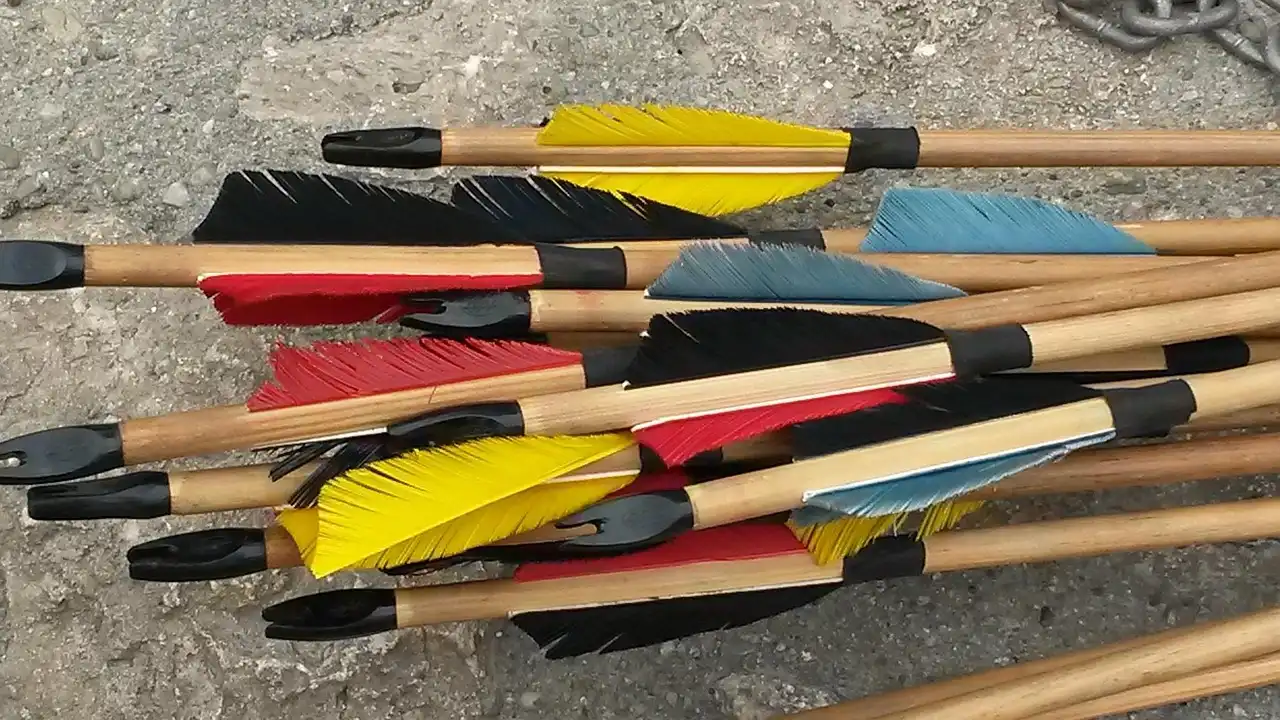
SHARROW’s real turkey feathers fit the traditional use case better than stiff vanes because they are lighter and more forgiving on shelf contact. The 3-inch option is a practical starting point for recurve and barebow arrows that need smoother recovery after release.
One drawback is obvious: feathers are not the best answer for wet weather. They can soak up rain, so this is a better pick for dry target work and traditional setups than for damp hunting conditions.
Best choice for a hunting compound: Bohning Blazer Vanes
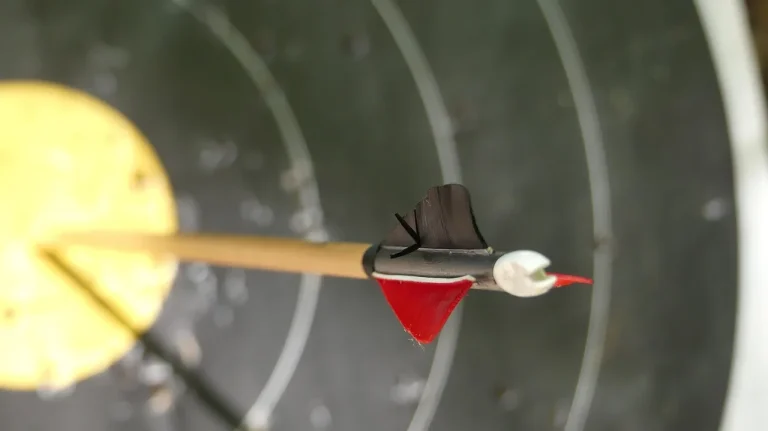
Bohning Blazer Vanes are the vane style most compound hunters reach for when clearance and broadhead control matter. The spec sheet callout here is a 2 in, 100-pack, and the brand’s long-running popularity since 2005 fits the standard compound-and-hunting use case.
The drawback is also clear: a short, stiff vane is not forgiving if the bow has unresolved clearance problems. If the rest is not tuned or the arrow is brushing anything on release, a vane this firm can make the problem louder, not smaller.
Best choice for wet-weather shooting: Bohning Blazer Vanes
When weather is the failure mode, waterproof vanes win. Vanes shrug off water, while feathers can soak up rain, so a compound hunter or outdoor target archer gets more predictable flight in bad conditions with plastic fletching.
The downside is that vanes still need a clean path. They solve moisture trouble, not bad clearance, so they work best when the bow already has a reliable rest and tune.
Best choice if you need maximum forgiveness: KTGCOZS Pack of 50 Archery Spiral Feather 1.75inch Spin Vanes

This is a feather-style option built for archers who need softer contact behavior and a compact 1.75 inch profile. The right-wing layout and spiral design suit the shooter who is trying to soften a marginal shelf or rest situation rather than chase maximum weather resistance.
Its drawback is the same one that follows every feather: moisture sensitivity. It is a better fit for dry traditional or recurve work than for rain-soaked hunting days.
Mistakes to avoid
The most common mistake is choosing by habit instead of by failure mode. A compound with good clearance usually wants vanes, while a shelf-shot recurve that clips the bow usually wants feathers.
- Do not ignore rest clearance. Shelf contact, plunger contact, and cable guard interference can ruin vane flight quickly.
- Do not assume broadheads will tune the same as field points. Use field points first, then confirm with broadheads.
- Do not choose three-fletch or four-fletch without a reason. Most arrows use three fletchings set 120 degrees apart, while four-fletch setups exist for specific clearance or steering needs.
- Do not use feathers in wet conditions and expect them to behave like vanes. Wet feathers can go limp and lose control authority.
- Do not assume vanes are always quieter. Feathers are usually quieter in flight, while vanes can make a slight whoosh.
A common first-timer mistake is putting stiff vanes on a barebow recurve with a shelf that still brushes the arrow. The group may look fine indoors, then open up as soon as contact starts repeating every shot.
Suppose a hunting compound shoots field points well, but fixed blades start planing left. That often points to a tuning issue, a clearance issue, or a fletching choice that is too weak for the broadhead and point weight combination.
Three-fletch or four-fletch: choose for the problem, not the trend
Three-fletch is the common default because it is simple, familiar, and usually sufficient. The 120-degree layout balances steering and drag without adding extra contact points or extra setup time.
Four-fletch is a niche choice for specific clearance or steering needs. It can help in some setups, but it should not be treated as automatically better than three-fletch.
Verdict
Choose feathers if you shoot a recurve, barebow, or shelf-contact traditional setup, or if you want maximum forgiveness on a bow that is still in a rough tuning phase. Choose vanes if you shoot a compound, especially with a drop-away or containment rest, or if rain, broadheads, and durability are your main concerns.
If the arrow may hit the bow, start with feathers. If the arrow must survive weather and guide a broadhead cleanly, start with vanes.
Frequently asked questions
Should I use arrow vanes or feathers for my compound bow?
Most compound bows pair better with vanes because modern rests reduce clearance problems and vanes handle weather better. If the setup already has a clean launch and the arrow will carry broadheads, vanes usually give the safer path to consistent flight. Feathers only make sense if the system has a special contact issue that vanes cannot solve.
Are feathers better than vanes for a recurve bow?
Usually yes, especially for recurves shot from a shelf or simple rest. Feathers are lighter and more forgiving on contact, which matters when the arrow is more likely to brush the bow during release. Vanes can work on a recurve, but only when clearance is clean and weather is controlled.
Do vanes work better in wet weather than feathers?
Yes. Vanes shrug off water, while feathers can soak up rain and lose performance. That difference matters on wet target lines, cold mornings, and hunting sits where damp fletching can change arrow flight enough to show up on the target.
How many fletches should an arrow have, three or four?
Three fletches are the common starting point, and they are usually set 120 degrees apart. Four-fletch setups exist, but they are a specialty choice for clearance or steering needs rather than a universal upgrade. Most beginners should start with three unless a specific problem points elsewhere.
What vane size is best for hunting arrows?
There is no universal size that wins every time, but hunting arrows usually need enough vane to stabilize broadheads without creating avoidable clearance issues. Shorter vanes are common on compounds with good rest setup, while larger or more aggressive options may help when broadhead control is the main concern.
Will feathers help if my arrow hits the rest or shelf?
Yes, more often than vanes. Feathers are softer and more forgiving on contact, so they usually recover better when a recurve or traditional setup clips the shelf. That does not fix a bad tune, but it can reduce the damage from light contact.
How does fletching choice affect arrow stability and speed?
Fletching stabilizes the arrow by adding rear drag, but that drag also costs a little speed. Feathers often stabilize quickly and forgive contact, while vanes keep their shape better and are more dependable in weather. The right tradeoff depends on whether your setup needs stability, clearance, or broadhead control most.