
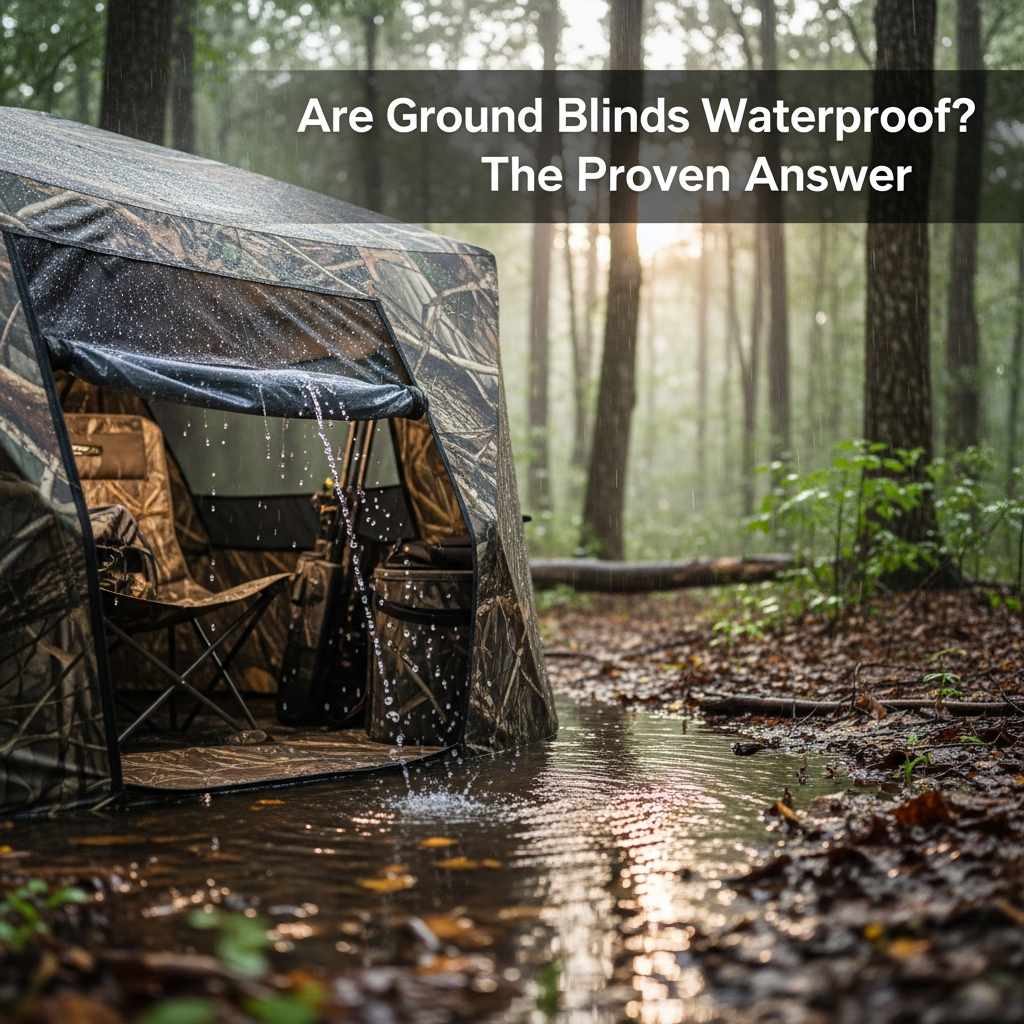
Most ground blinds are water-resistant, not fully waterproof. They can handle light rain and morning dew, but heavy, sustained downpours will likely cause leaks through seams and fabric. However, you can significantly improve their water resistance with simple, effective waterproofing treatments to stay dry and comfortable during your hunt.
There’s nothing worse than being cold and wet in your ground blind. You’re settled in, waiting for the perfect moment, and then the rain starts. A slow drip turns into a steady stream, soaking your gear and your spirits. It’s a frustrating experience that can ruin a hunt. Many new hunters wonder if they bought the wrong blind. The good news is, you probably didn’t. Most blinds just need a little help to stand up to the weather. I’m here to show you exactly how to do it. We’ll explore what makes a blind water-resistant and walk through the simple steps to keep the rain out for good.
Waterproof vs. Water-Resistant: What’s the Real Difference?
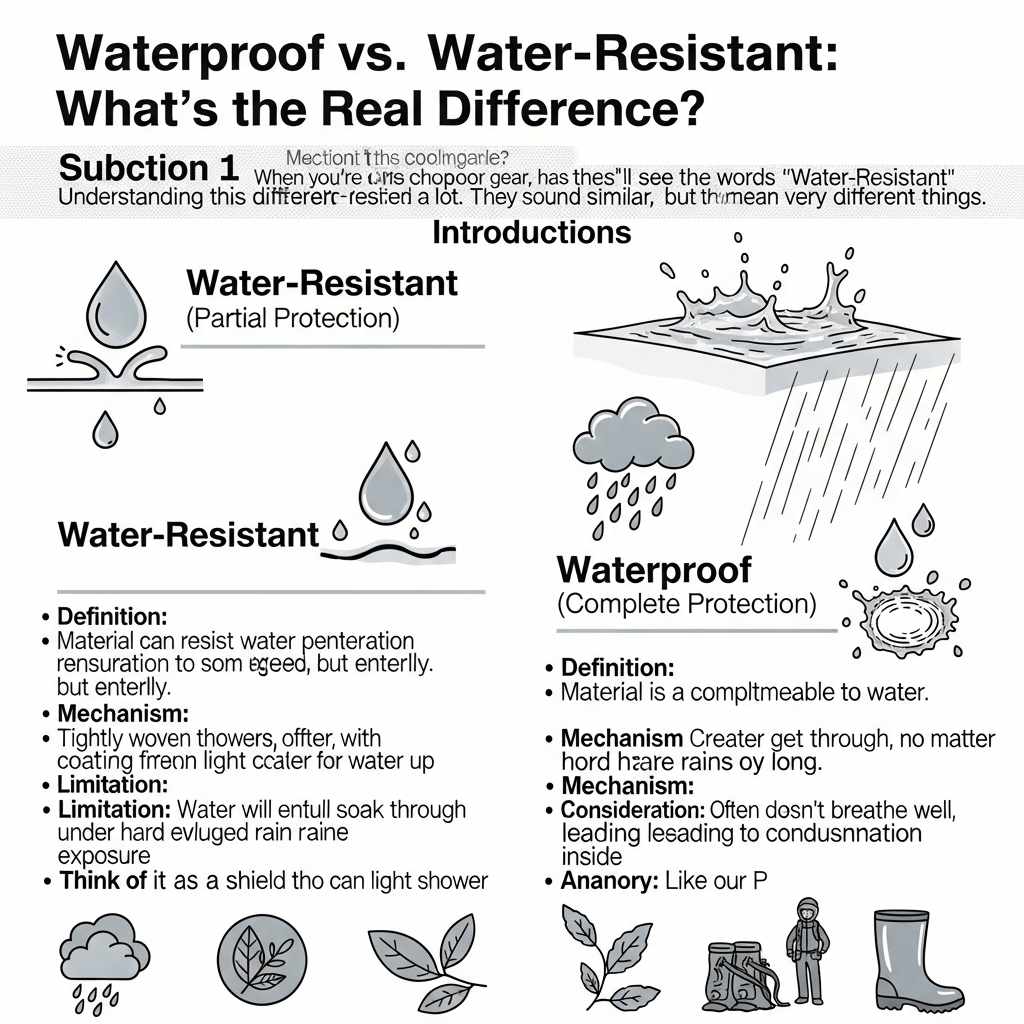
When you’re shopping for outdoor gear, you’ll see the words “waterproof” and “water-resistant” used a lot. They sound similar, but they mean very different things. Understanding this difference is the first step to staying dry.
Water-resistant means the material can resist water penetration to some degree, but not entirely. Think of it as a shield that can handle a light shower, mist, or morning dew. The fabric is tightly woven, and it might have a light coating to make water bead up and roll off. However, under heavy rain or prolonged exposure, water will eventually soak through.
Waterproof means the material is completely impermeable to water. No water can get through, no matter how hard it rains or how long you’re out there. True waterproof materials, like a rubber rain boot or a PVC poncho, often don’t breathe well. This can lead to condensation building up inside.
Most ground blinds are designed to be water-resistant. This is a practical choice by manufacturers. It keeps the cost down and allows the fabric to have some breathability, which reduces moisture buildup inside the blind on a cool morning. But for a hunter, this means you need a plan for when the weather turns truly wet.
What Makes a Ground Blind Water-Resistant?
The level of water resistance in a ground blind comes down to three main factors: the fabric, the coating, and the construction. When you know what to look for, you can make a much smarter choice when buying a new blind or evaluating your current one.
The Fabric Material
Almost all ground blinds are made from synthetic fabrics like polyester or nylon. These materials are chosen because they are durable, lightweight, and naturally repel water better than natural fibers like cotton.
- Polyester: This is the most common material. It’s strong, resists stretching and shrinking, and is very resistant to UV damage from the sun. Its fibers don’t absorb water easily, helping it dry quickly.
- Nylon: Often found in higher-end blinds, nylon is exceptionally strong and abrasion-resistant. It’s a bit more expensive than polyester but offers excellent durability.
The thickness of the fabric is also important. This is often measured in “denier” (D). A higher denier number, like 300D or 600D, means a thicker, more durable, and generally more water-resistant fabric than a 150D fabric.
The Protective Coating
The fabric itself is only part of the equation. To boost water resistance, manufacturers apply a coating to the inside of the fabric. The most common type is a polyurethane (PU) coating. This thin layer acts as a barrier, preventing water from seeping through the tiny gaps in the fabric’s weave. A thicker PU coating provides more water resistance but can also make the fabric stiffer and less breathable.
The Construction and Seams
A blind’s weak points are almost always the seams, zippers, and windows. This is where pieces of fabric are stitched together, creating thousands of tiny holes for water to sneak through.
High-quality blinds address this with taped seams. This means a waterproof tape has been applied over the stitching on the inside of the blind, sealing off those needle holes. If you turn a blind inside out and see clear or fabric tape covering the stitch lines, you know it’s been built to offer better protection from rain.
Understanding Fabric Ratings: A Simple Guide
Sometimes you’ll see numbers on a blind’s packaging that look confusing. These ratings tell you about the fabric’s durability and water resistance. Here’s a simple table to help you decode them.
| Rating Type | What It Means | What to Look For |
|---|---|---|
| Denier (e.g., 150D, 300D, 600D) | This measures the thickness and weight of the fabric fibers. A higher number means a thicker, more durable, and tear-resistant fabric. | For good durability and water resistance, look for a blind with at least 300D fabric. 600D is even better for harsh conditions. |
| Hydrostatic Head (e.g., 1500mm) | This is a technical measurement of how waterproof a fabric is. It tells you how tall a column of water the fabric can hold before it starts to leak. | A 1500mm rating is a good starting point for a hunting blind, capable of handling moderate rain. Anything higher is excellent. |
These numbers give you a great way to compare blinds. A 600D blind with a 2000mm hydrostatic head rating will keep you much drier than a 150D blind with no water rating listed.
The Proven Answer: Why Your Blind Leaks
So, we know most blinds are water-resistant, not waterproof. But why exactly do they leak during a steady rain? It usually comes down to a few key areas.
- Untaped Seams: This is the number one culprit. Rainwater hits the blind, runs down the fabric, and finds its way through the stitch holes along the seams.
- Worn-Out Coatings: Over time, the PU coating on the inside of your blind can degrade. Folding, unfolding, sun exposure, and dirt can cause it to crack or peel, creating spots where water can get through.
- Zippers: Standard zippers are not waterproof. Rain can easily seep through the zipper teeth, especially on doors and windows. Some premium blinds use water-resistant zippers, but most do not.
- Windows: Shoot-through mesh windows are great for concealment, but they offer zero protection from rain. Even windows with fabric covers can leak around the edges if not designed perfectly.
- Fabric Saturation: In a prolonged downpour, even good quality water-resistant fabric can become saturated. Once the fabric is soaked, water will start to seep through.
How to Make Your Ground Blind Waterproof: A 5-Step Guide
The best news is that you don’t have to buy a new blind to stay dry. With a little bit of work, you can dramatically improve the water resistance of your current blind. Here’s how to do it.
What You’ll Need:
- A bucket of warm water
- Mild soap (like dish soap)
- A soft brush or sponge
- Seam sealer (look for one designed for tents or outdoor gear)
- Waterproofing spray (choose a silicone-based or synthetic fabric formula)
- A clean cloth
Step-by-Step Instructions:
Set Up and Clean Your Blind: Set your blind up outdoors on a clear, sunny day. Mix some mild soap with warm water and gently scrub the entire exterior of the blind with a soft brush or sponge. Pay extra attention to any dirty or muddy spots. Dirt and grime can prevent waterproofing products from bonding to the fabric. Rinse it thoroughly with clean water and let it air dry completely. Don’t ever put your blind in a washing machine!
Inspect for Damage: Once the blind is dry, carefully inspect every inch of it. Look for any small rips, tears, or holes in the fabric. Check the seams for any loose or broken threads. Small holes can be easily fixed with a gear repair patch, which you can find at most outdoor stores.
Seal the Seams: This is the most important step! From the inside of the blind, apply a thin, even layer of seam sealer directly onto all the stitch lines. This includes the roof, walls, and around the windows and doors. Most seam sealers come with a small brush applicator. Take your time and be thorough. Let the seam sealer cure completely according to the manufacturer’s instructions, which usually takes a few hours.
Apply the Waterproofing Spray: With the blind still set up, spray the entire exterior with your waterproofing spray. Hold the can about 6-8 inches away from the fabric and apply a light, even coat. Work in a methodical pattern, like mowing a lawn, to ensure you don’t miss any spots. Pay special attention to the seams you just sealed on the inside. You want to protect the exterior thread as well. For more information on different types of fabric coatings, the National Park Service offers great insights on gear care.
Wipe and Dry: After applying the spray, take a clean, damp cloth and wipe away any excess drips or runs. This helps ensure an even coating. Now, let the blind air dry completely. Do not fold it up or store it until you are 100% sure it is dry, as this can cause mildew. It’s best to leave it set up overnight if possible.
That’s it! You’ve just transformed your water-resistant blind into a highly effective rain shelter.
Choosing the Right Waterproofing Products
Walking into an outdoor store can be overwhelming with all the different waterproofing products on the shelf. Here’s a simple breakdown to help you choose the right ones for your blind.
| Product Type | Best For | Pros | Cons |
|---|---|---|---|
| Seam Sealer | All stitched seams on the inside of the blind. This is non-negotiable for true water resistance. | Creates a permanent, flexible, and waterproof barrier over stitch holes. Very effective. | Takes time to apply carefully. Must be fully cured before folding the blind. |
| Silicone-Based Sprays | Heavy-duty waterproofing for synthetic fabrics like polyester and nylon. | Extremely durable and long-lasting. Excellent water repellency. | Can sometimes slightly darken the fabric color. Has a strong smell until fully cured. |
| Water-Based Sprays | General-purpose waterproofing. Good for refreshing a factory coating. | Low odor and environmentally friendly. Easy to clean up. | May not be as durable as silicone-based sprays and may require more frequent reapplication. |
For a hunting blind, I always recommend a high-quality seam sealer and a silicone-based waterproofing spray for the best and longest-lasting results.
More Tips for a Dry and Comfortable Hunt
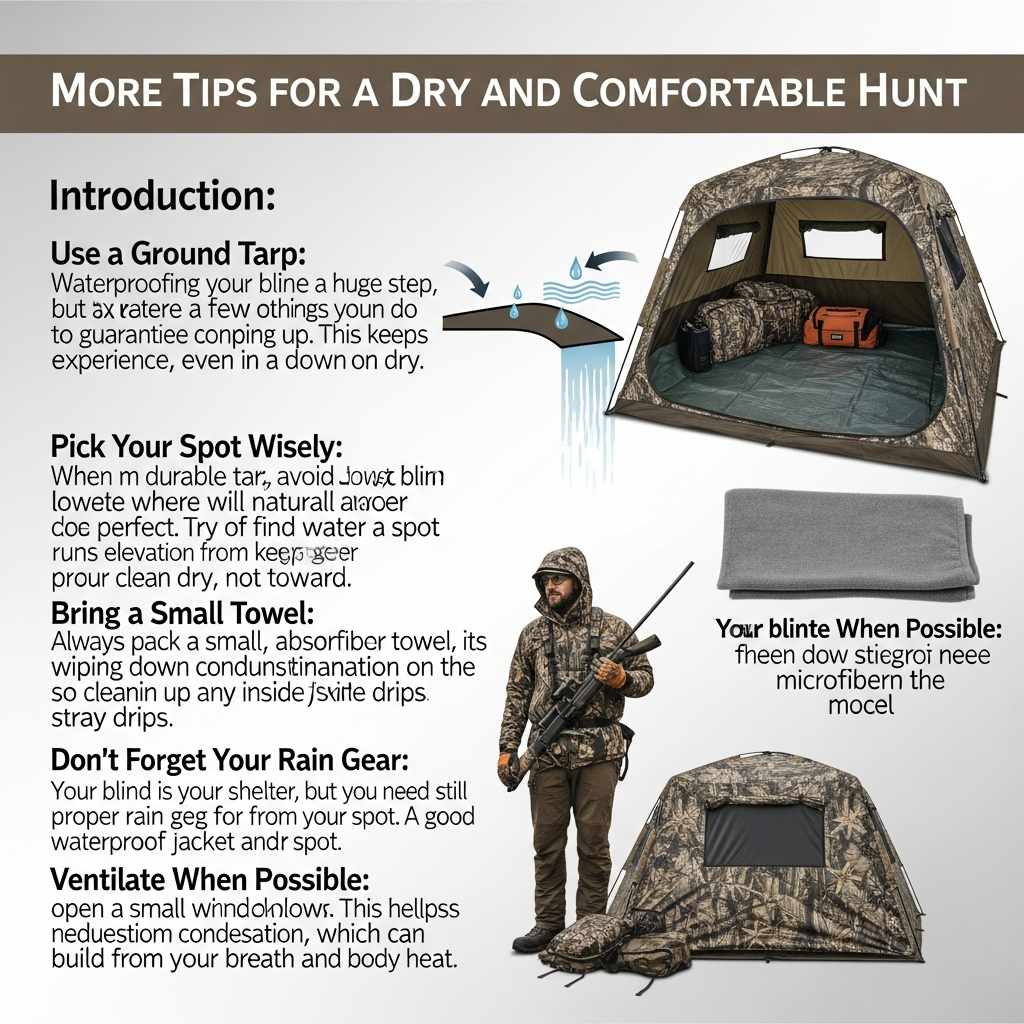
Waterproofing your blind is a huge step, but there are a few other things you can do to guarantee a dry and comfortable experience, even in a downpour.
- Use a Ground Tarp: Place a small, durable tarp on the floor inside your blind. This prevents moisture from the ground from seeping up and keeps your gear clean and dry.
- Pick Your Spot Wisely: When setting up your blind, avoid low-lying areas where water will naturally pool. Try to find a spot with a slight elevation so water runs away from your blind, not toward it.
- Bring a Small Towel: Always pack a small, absorbent microfiber towel. It’s perfect for wiping down condensation on the inside walls or cleaning up any stray drips.
- Don’t Forget Your Rain Gear: Your blind is your shelter, but you still need proper rain gear for walking to and from your spot. A good waterproof jacket and pants are essential.
- Ventilate When Possible: If the rain lets up, open a small window to allow air to circulate. This helps reduce condensation, which can build up from your breath and body heat.
Frequently Asked Questions (FAQ)
Can I use a regular tent waterproofing spray on my ground blind?
Yes, absolutely. Ground blinds and tents are typically made from very similar materials, like polyester and nylon with PU coatings. A waterproofing spray designed for a tent will work perfectly on your blind. Just make sure to get one formulated for synthetic fabrics.
How often should I re-waterproof my ground blind?
A good rule of thumb is to reapply a waterproofing spray at the beginning of every hunting season. If you hunt frequently in wet conditions, you might want to do it twice a season. You can test your blind by flicking some water on it. If it beads up and rolls off, you’re good. If it soaks in, it’s time for a new coat.
Will waterproofing my blind make the fabric noisy?
Most modern waterproofing sprays are designed to dry without making the fabric stiff or noisy. High-quality silicone sprays cure to a flexible finish that shouldn’t change the sound of the fabric. To be safe, avoid thick, heavy applications. A couple of light, even coats are much better than one heavy one.
What’s the main difference between a cheap and an expensive ground blind’s water resistance?
The main differences are in the quality of materials and construction. An expensive blind will typically use a higher denier fabric (like 600D), have a thicker factory PU coating, and feature fully taped seams from the start. A cheaper blind often uses thinner 150D fabric and may have no seam taping at all, making it much more likely to leak.
Can a waterproofed ground blind handle heavy snow?
A waterproofed blind will shed melting snow effectively. However, the bigger concern with heavy snow is the weight. Hub-style ground blinds are not designed to support heavy snow loads, which can cause the poles to bend or break. Always clear snow off the roof of your blind periodically to prevent damage.
Does waterproofing spray affect the camouflage pattern?
Most waterproofing sprays designed for outdoor gear will not noticeably affect the color or pattern of your camouflage. Some silicone-based sprays might slightly darken the color, but it’s usually very subtle and won’t compromise your concealment. If you’re concerned, you can test the spray on a small, inconspicuous area first, like the storage bag.
Conclusion: Hunt Comfortably in Any Weather
So, are ground blinds waterproof? The proven answer is no—not right out of the box. Most are highly water-resistant, which is a great start. But the real secret to a dry hunt lies in your own hands. By understanding the weak points like seams and zippers and taking an afternoon to properly clean, seam seal, and waterproof your blind, you can create a shelter that will stand up to even the most persistent rain.
Don’t let a bad weather forecast keep you at home. A little preparation turns your blind into a reliable sanctuary, allowing you to stay focused, comfortable, and patient. After all, the best hunting often happens in the kind of weather that keeps other people inside. Now you have the knowledge to stay out there with them, dry and ready for the perfect shot.