3 Man Ground Blind VS 2 Man: Essential Showdown
Deciding between a 3-man ground blind versus a 2-man blind depends on your hunting party size, required comfort, and gear storage needs. For single or duo hunters, a 2-man offers portability, but the 3-man provides superior space for drawing bows or accommodating an extra person and gear.
Welcome, fellow archers and bowhunters! Choosing the right ground blind is like picking the perfect arrow—it affects everything that happens next. Are you struggling to decide if you need that extra space or if a smaller blind will do the trick? It’s a common question, especially when packing gear and hunting partners are involved. Too small, and you’re cramped trying to draw your bow. Too big, and you’re hauling extra weight!
Don’t worry; we are going to break down the essential differences between a 3-man ground blind versus a 2-man setup. By the end of this guide, you’ll have the clear-cut knowledge to pick the perfect hideout for your next venture. Let’s get your setup right so you can focus on the shot!
3 Man Ground Blind VS 2 Man
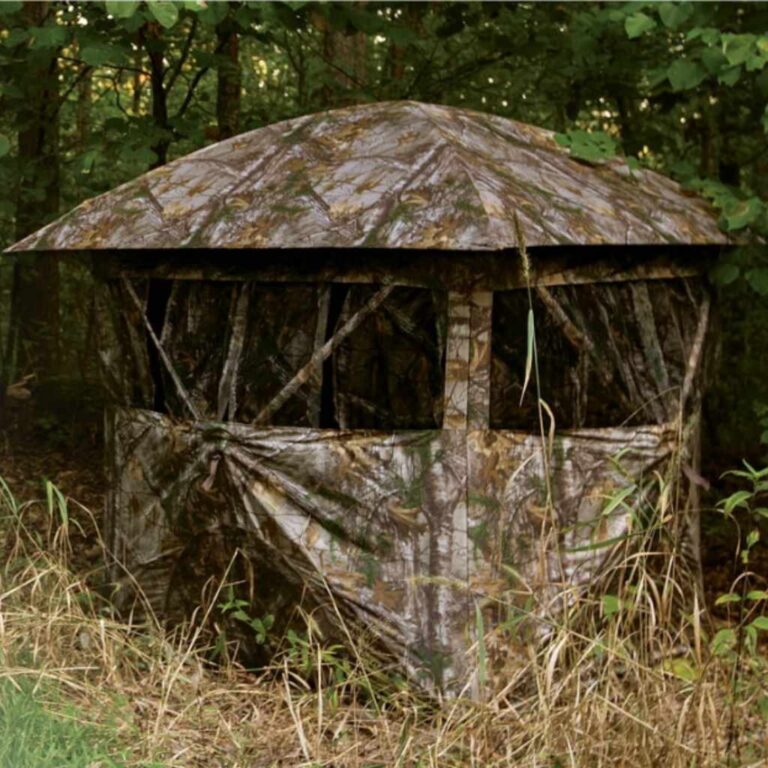
Before we dive into the size comparison, let’s make sure we are on the same page about what a ground blind does. A ground blind is essentially a portable, pop-up shelter designed to break up your human silhouette—which animals are extremely good at spotting. Think of it as camouflage you can sit inside.
For beginners, the key takeaway is that ground blinds offer concealment and protection from the elements (sun, wind, light rain). When you are starting out, a simple, reliable blind is a huge confidence booster.
The Core Difference: Square Footage and Footprint
The biggest difference between a 2-man and a 3-man blind is simple: space. That extra space translates directly into comfort, maneuverability, and how much gear you can store unseen.
Think about the listed capacity—2-man or 3-man—as a comfort rating rather than a strict legal limit. A “2-man blind” might physically fit two people sitting shoulder-to-shoulder, but can they both comfortably draw a compound bow at the same time? Probably not!
What Size Really Means in Archery
For archers, space isn’t just about sitting; it’s about the draw cycle. Drawing a long bow, especially a compound bow with a heavy draw weight, requires room to move your body without bumping fabric walls. Bumping the blind fabric can create noise or cause movement that alerts game. This is crucial for safety and success.

The 2-Man Ground Blind Showdown: Pros and Cons
The 2-man blind is often the entry point for solo hunters or duos just starting out. It strikes a balance between concealment and portability. If you hike long distances to your spot, this size is very appealing.
Advantages of a 2-Man Blind
- Portability: They pack down smaller and weigh less, making them ideal for scouting trips or long treks back into public land areas.
- Faster Setup/Takedown: Less fabric means less time fighting the hub system to fold it up when the weather turns or the day ends.
- Lower Cost: Generally, 2-man models are significantly less expensive than their larger counterparts.
- Better Concealment for Solo Use: If you are hunting alone, a 2-man blind feels spacious and reduces wasted fabric space that could be visible to animals.
Disadvantages of a 2-Man Blind
- Limited Movement: If you are a right-handed shooter and your partner is left-handed, sharing a small space can lead to accidental contact or restricted draw angles.
- Gear Clutter: Storing backpacks, scent control sprays, extra calls, and a decoy inside can quickly take up the remaining floor space.
- Shorter Draw Window: You often have less distance between your seated position and the window opening, making the full draw cycle tighter.
The 3-Man Ground Blind Showdown: Pros and Cons
The 3-man blind offers what many experienced hunters crave: room to breathe. This extra size often converts into operational space, which is invaluable when the hunt gets serious.
Advantages of a 3-Man Blind
- Drawing Comfort: This is the biggest win. Two experienced archers can comfortably draw their bows without interfering with each other, even if one is sitting slightly forward of the other.
- Gear Storage: You can keep all your vital gear (like scent-free clothes bins or extra water bottles) tucked away in the corners, completely out of the line of sight of the windows.
- Better Visibility & Flexibility: More window space, or simply more area to sit back from the window, allows for better situational awareness without having to constantly crane your neck.
- Versatility: It can comfortably seat a hunter and two children/junior archers, or one hunter and a videographer/spotter.
Disadvantages of a 3-Man Blind
- Bulk and Weight: They are noticeably heavier and larger when packed down. This matters if you are carrying everything on foot.
- Slower Setup: More material means more poles and hubs to manage, leading to slightly longer setup times—time you might not want to spend exposed before sunrise.
- Higher Cost: More fabric and stronger hub systems naturally raise the price tag.
Side-by-Side Comparison: 3 Man Ground Blind VS 2 Man
To make the decision crystal clear, let’s look at a typical comparison chart. Remember, these are general guidelines; always check the actual dimensions listed by the manufacturer!
| Feature | Typical 2-Man Blind | Typical 3-Man Blind |
|---|---|---|
| Footprint (Approx.) | 58″ x 58″ to 60″ x 60″ | 70″ x 70″ to 80″ x 80″ |
| Packed Size | Compact (easier for ATV or backpack carry) | Larger and bulkier (requires more vehicle space) |
| Comfort for 2 Archers | Good, but requires careful positioning. | Excellent; ample room for drawing bows. |
| Solo Comfort | Very comfortable, lots of room for gear. | Extremely spacious; bordering on excessive for one person. |
| Weight | Lighter (often under 15 lbs) | Heavier (often 18–25 lbs) |
| Price Point | Lower to Mid-Range | Mid to High-Range |
Crucial Considerations for the Beginner Archer
When you are mastering your anchor point and release, every detail matters. Don’t let your blind become a hindrance. Here are the top three things beginners must consider when choosing between the sizes, focusing on how you shoot.
1. Your Draw Length and Bow Style
This might seem technical, but it’s vital. A longer bow (like a longer axle-to-axle compound or a traditional recurve) requires more space behind you to come to full draw without hitting the back wall of the blind. If you shoot 30+ inch draw length, the extra depth of a 3-man blind is often worth the trade-off in weight.
For reference, established archery safety guidelines stress keeping clear space around the archer for effective movement (USAA provides general tips on safe shooting areas, which applies to blind discipline as well).
2. Camouflage Effectiveness vs. Size
While bigger often means more space, it can sometimes mean more fabric to check for light leaks. A larger blind has more seams and more material to worry about keeping taut and correctly positioned. Smaller blinds are often easier to inspect quickly for pinholes where light might escape.
Tip: Always hunt with your headlamp off, looking through the mesh screening before you enter to identify any potential light spots that could silhouette you.
3. Transportation Method
How are you getting to your spot? This is the real-world factor that wins debates.
- ATV/Truck Hunting: If you are driving right up to your set location, weight and packed size matter very little. Go for the 3-man for maximum comfort.
- Long Walk/Hike-In: If you are hiking a mile or more, every pound counts. A 2-man blind strapped properly to a good hunting pack is far superior to hauling a heavy 3-man blind over rough terrain.
Making the Final Decision: Who Should Buy Which Blind?
Let’s synthesize this information to give you a clear recommendation based on your current hunting style.
Choose the 2-Man Blind If:
- You primarily hunt alone.
- Your main hunting method involves long-distance scouting and hiking into remote areas.
- You are on a tighter budget.
- You shoot a shorter draw length bow and don’t need much room behind you.
Choose the 3-Man Blind If:
- You frequently hunt with one partner and both of you shoot a bow.
- You are hunting whitetail deer from a comfortable, destination-based setup (i.e., driving close).
- You want maximum room to organize gear, lay down temporarily, or use specialized equipment (like cameras or spotting scopes) inside without crowding the windows.
- You have a longer draw length (29+ inches) and need unobstructed room to shoot.
Setting Up Your Ground Blind Safely and Effectively
No matter which size you choose, proper setup is 90% of the battle. A poorly set up large blind is worse than a perfectly set up small one. Here’s the essential beginner checklist for a great setup.
Step-by-Step Blind Deployment
- Scout and Clear the Area: Before deployment, clear away debris, sharp sticks, or anything that could poke through the floor material. Look up—are there dangling branches that will sway in the wind? Trim them if possible.
- Orient the Blind: Position the blind so that the main shooting windows—the ones you plan to use most often—are facing into the wind or towards the most likely approach angle of the animal.
- Deploy the Frame: Pop the corners out using the push-out hub system. Take your time to ensure every corner pole locks securely into place before moving to the next.
- Stake It Down (Crucial Step!): Even on a calm day, stake every single corner and side loop. Wind can catch a large blind like a sail, causing it to shift or blow away, taking your cover with it! For extra security on large blinds, consider using rope tie-downs to nearby trees or sturdy ground anchors.
- Brush In: This is where you hide the last bit of artificiality. Use natural materials gathered nearby (grass, dead sagebrush, small limbs) to lightly cover the exterior roof and edges. Do not overload the frame, but break up the straight lines.
- Window Management: Open only the windows you need. Keep the side windows where you aren’t actively shooting closed. Use the mesh screen if included, or keep the main flaps completely open just a crack so you can see out and allow for slow opening later.
Archery Gear Organization Inside the Blind
The secret weapon of the larger 3-man blind is its ability to hide your clutter. Clutter equals noise, and noise equals busted hunts. Organization minimizes costly fumbles.
Use these strategies to keep your space clear:
- The Back Corner Stash: Designate one corner furthest from your shooting window—usually the “back” corner when facing your target—as your gear zone. Store backpacks, lunch, extra broadheads, and trash bags here.
- Silent Access Solutions: Never place your release aid or rangefinder on the floor where you might step on it. Use small adhesive hooks (like tiny carabiner clips) inside the blind walls to hang these frequently needed items just above seat level.
- Tarp It: If you bought a 2-man, consider laying down a small, thin piece of dark tarp or rubber mat on the floor before you set up. This dampens noise from your boots shuffling on crunchy leaves or twigs underneath.
Maintaining Your Ground Blind: Longevity Tips
Whether you bought a 2-man or a 3-man, you want it to last many seasons. Ground blinds often fail due to poor care, not poor manufacturing.
Post-Season Care Checklist
When you get home, don’t just throw the blind in the garage. Do this:
- Dry Completely: Never store a ground blind damp or wet. Mildew will destroy the fabric coating and the integrity of the seams quickly. Hang it in a dry area (like a garage or covered porch) until it is bone dry.
- Check the Frame: Inspect the hub systems and telescoping poles for bending or stress fractures. If you notice rust, clean it and apply a light touch of silicone spray to the moving joints.
- Repair Small Tears: Use specialized fabric mending tape (often waterproof and camo-colored) to immediately repair any snags or small tears. Caught early, a small hole won’t become a massive canvas tear next season.
For guidance on maintaining specialized equipment like high-end bows, always consult manufacturer guidelines or certified archery technicians. For example, the Archery UK safety guidelines emphasize checking all gear integrity regularly, which applies universally to your supportive equipment like blinds.

Frequently Asked Questions (FAQ)
Q1: Can a 3-man blind really fit three adult hunters comfortably?
A: Realistically, for bowhunting where drawing space is needed, a 3-man blind comfortably fits two active archers plus gear, or three very cozy, non-shooting spotters. It’s best seen as a “Four-Person Shelter” rather than a “Three Active Archer” blind.
Q2: Is a 2-man blind too visible when set up in a big field?
A: A 2-man blind is smaller, meaning it presents a smaller visual profile to distant game. If you are hunting in open terrain where deer approach from far away, its smaller size can actually be an advantage for concealment, provided you brush it in well.
Q3: Which size is easier to silence when getting in and out?
A: The smaller 2-man blind is generally easier to silence because there is less fabric to manipulate. However, the 3-man blind gives you more “buffer space” to move around quietly far away from the door opening.
Q4: If I only shoot a traditional recurve, does the blind size matter less?
A: Yes, slightly. Traditional recurves are often shorter and require less rear clearance than modern compound bows. A 2-man blind will likely be plenty roomy for two recurve shooters. However, the advantage of space for organizing gear remains.
Q5: Should I buy a blind made of heavier material just because it’s bigger?
A: Material weight (measured in Denier) is separate from size. Heavier material lasts longer and handles weather better, but it adds significant weight to your pack. Aim for medium Denier (around 150D–300D) for a good balance of durability and manageable weight, regardless of whether it’s a 2-man or 3-man.
Q6: How do I stop my ground blind fabric from flapping in the wind?
A: Use all the provided stakes! Additionally, when you cannot stake down firmly (like on concrete or hardpan dirt), use sandbags or dedicated tie-down weights placed strategically on the floor edges inside the blind. Never let the fabric flap near your setup time.
Conclusion: Your Comfort Equals Confidence
When pitting the 3-man ground blind versus the 2-man, there isn’t a single “best” answer—only the best answer for your specific situation. For the beginner focused on learning the fundamentals of stealth and shot execution, an oversized blind (the 3-man) often buys you valuable room to practice your draw without restriction, provided you can handle the extra bulk during transport.
Conversely, if your success hinges on covering long distances over rugged terrain, the lighter, more compact 2-man blind allows you to arrive fresh and ready to hunt, rather than exhausted from carrying unnecessary pounds. Consider your transportation,