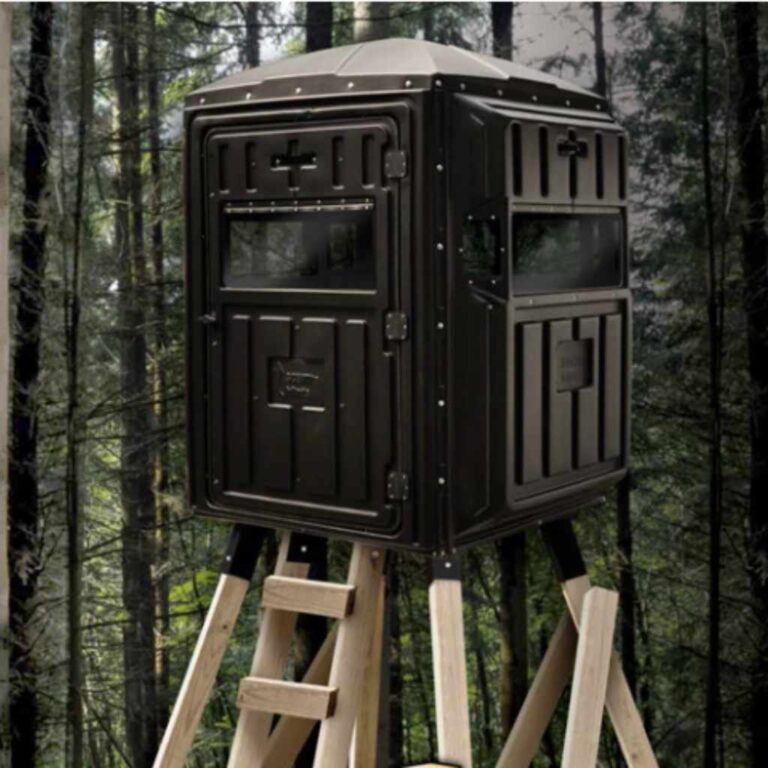
Are Ground Blinds Effective? Proven Essential Facts
Yes, ground blinds are highly effective for many hunting and wildlife photography situations. Their effectiveness hinges on proper setup, camouflage, and understanding animal behavior. When used correctly, they offer excellent concealment, comfort, and reliable shooting lanes, making them a fantastic tool for beginners and seasoned enthusiasts alike.
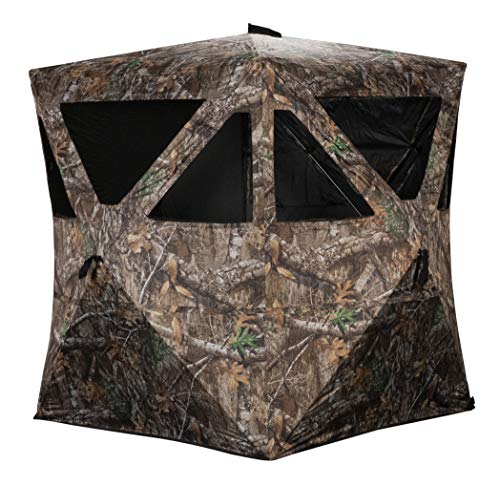
Rhino Blinds
Rhino Blinds R100-RTE 2 Person Hunting Ground…
- R100 fits 2 people and has a 65" center height, hub to hub 63" x 63", and floor space 49;5" x 49;5"
- Constructed of a true 150 denier polyester - 150 denier thread in both the horizontal and vertical weave
- Rhino Blinds are easy to set up and take down - with a little practice setting the blind up can be accomplished quickly in as litt…
As an Amazon Associate I earn from qualifying purchases.
Hello there, and welcome! If you’re new to the world of archery or hunting, figuring out the best way to stay hidden can feel confusing. You might wonder, “Are ground blinds effective for me?” Especially when you see all the gear out there,
it’s easy to feel overwhelmed wondering which setup really works. Rest assured, that’s a very common question! Ground blinds are fantastic tools when you know how to use them. This guide will break down exactly why they work, how to use them effectively, and the simple secrets to success. We’ll keep things straightforward so you can get out there with confidence. Let’s dig into the proven facts about ground blind effectiveness!
Why Ground Blinds Are a Beginner’s Best Friend
When you are focusing on your aim, the last thing you need is to worry about being seen. Ground blinds solve a huge problem for new archers and hunters: concealment. They act as a ready-made hideout that requires far less practice to master than natural concealment.
The Primary Advantages of Using a Ground Blind
Ground blinds offer several immediate benefits compared to trying to hide behind a tree or in a makeshift brush pile.
- Instant Cover: They pop up quickly, offering immediate 360-degree concealment without waiting days for brush to grow or gathering tons of materials.
- Weather Protection: They keep you dry from rain and shield you from harsh wind, which helps you stay focused longer.
- Comfort: You can often set up a chair inside, making long waits much more comfortable than sitting on the cold ground.
- Shooting Windows: Modern blinds are designed with wide, adjustable windows, allowing for many shooting angles once your target is close.
Understanding Effectiveness: It’s About Concealment, Not Magic
To answer the core question, “Are ground blinds effective?” we must define what makes them effective: breaking up your outline. Animals, especially deer and turkey, are much more worried about vertical lines and movement than they are about a static, irregularly shaped object.
A good ground blind works because it creates an unnatural silhouette that blends into the background clutter of tall grass, bushes, or timber. If setup correctly, the animal sees a bush, not you inside. If set up poorly, it looks like a square box sitting awkwardly in the field, which spooks wildlife instantly.
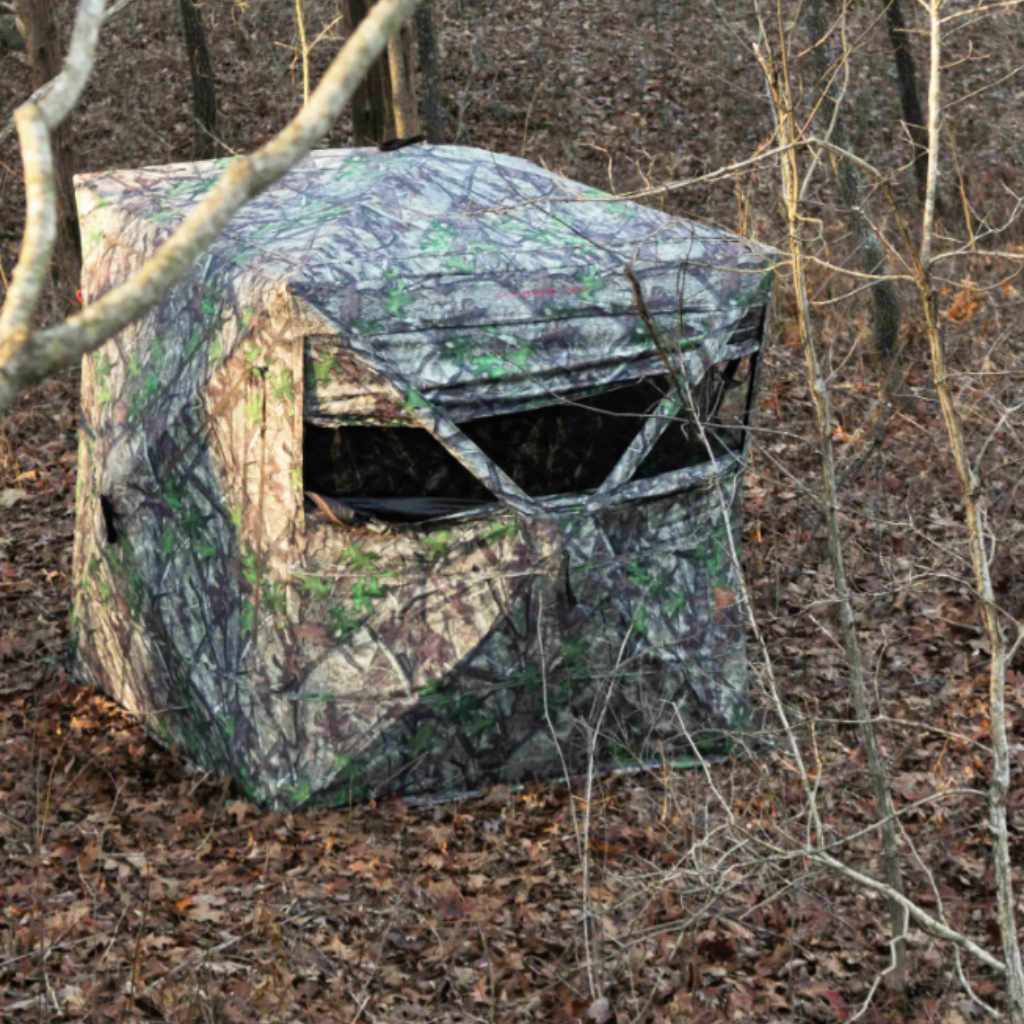
Proven Essential Facts: How Ground Blinds Achieve Concealment
Effectiveness isn’t automatic; it’s the result of following a few key principles. Think of these facts as the instruction manual for making your blind disappear.
Fact 1: Proper Placement is More Important Than Camo Pattern
You can have the most expensive, high-tech blind fabric available, but if you place it wrong, it will fail. Placement dictates whether an animal walks past the blind or stares right at it.
Step-by-Step Placement Guide:
- Identify Travel Corridors: First, watch where animals naturally move. Place the blind just off the edge of this path, not directly in the middle of it.
- Use Natural Cover as a Backstop: Always try to set your blind up near existing features like thickets, a line of trees, or a large rock feature. This helps blend the blind’s edges.
- Avoid Skylining: Never place your blind on the crest of a hill or ridge where its top edge cuts sharply against the bright sky. The sky silhouette is a major alarm bell for game.
- Consider the Sun: Position the blind so the sun is either shining directly on your target area (illuminating them) or shining onto the back of the blind, keeping the entrance shaded.
Fact 2: Breaking Up the Hard Lines is Crucial
Ground blinds are usually rectangular or dome-shaped. These hard, geometric shapes give them away instantly. Effectiveness requires softening those edges. This is where adding natural material comes in.
Essential “Edge Blending” Techniques:
- The “Skirt”: Pay attention to the bottom edge where the fabric meets the ground. If you leave a gap, light shines in, or an animal’s eye catches a glimpse of your boot. Stake the skirt down tightly or gently pile dead leaves, pine needles, or dirt around the entire base.
- Top and Side Overlays: Never rely solely on the factory camo. Use natural materials like leafy branches, tall grasses, or even burlap draped over the top and sides. This breaks up the manufactured pattern and texture.
- Avoid “Suspicious” Shapes: If your branches stick out too far or look unnaturally arranged, they draw attention. Think fuzzy and irregular, not pointy and structured.
Fact 3: Silence and Staging Matter More Than You Think
Animals rely heavily on sound and subtle movement. A blind only works if you are silent inside it.
Creating a Silent Interior:
This is often where beginners feel they’ve failed. You need preparation inside the blind before the animal arrives.
- Pre-Stage Your Gear: Before you sit down, place your bow, quiver, calls, and water bottle exactly where you need them. Clattering gear while an animal is 50 yards out is a quick way to end your setup.
- Floor Management: If you are sitting on bare fabric, every tiny movement or shifted footstep will make noise against the ground. Use a ground mat or a piece of old carpet (in a non-dominant color) to dampen your footsteps.
- Door Discipline: Decide which door you will use and keep the other ones completely closed and zipped until you absolutely need to use them. Opening a zipper slowly is still often too loud for cautious animals.
For further reading on how animals perceive movement and sound, resources from university extensions often provide excellent scientific backing. For instance, studies on wildlife monitoring often detail the importance of minimizing observable movement. (Example reference for general wildlife behavior studies: Resources from state university agroforestry or wildlife departments often publish relevant studies.)
Ground Blind vs. Natural Cover: A Beginner Comparison
To truly understand if ground blinds are effective, let’s compare them to the alternative—building a natural blind entirely from scratch.
Effectiveness Comparison Table
| Feature | Ground Blind (Pop-up) | Natural Blind (Brush/Debris) |
|---|---|---|
| Setup Time | 5–15 minutes | Hours or days of work |
| Concealment Quality | Excellent immediately, requires blending | Varies; excellent if maintained perfectly |
| Comfort/Weather | High (Waterproof, shade, room for chair) | Low (Exposed to elements, often cramped) |
| Portability | High (Folds down small) | Zero (Fixed location) |
| Cost for Beginner | Moderate initial investment | Low material cost, high time cost |
As you can see, for a beginner looking for reliable effectiveness starting today, the ground blind wins on speed and initial comfort, which directly translates to staying focused longer.
Selecting the Right Ground Blind for Maximum Effectiveness
Not all blinds are created equal. Choosing the right model directly impacts how effective you will be, especially concerning visibility from the animal’s perspective.
Key Features That Boost Effectiveness:
1. Window Design and Visibility
Look for blinds with multiple window options. Flexibility is key to being prepared for any angle.
- Silent Open/Close: Windows that use magnetic strips or silent buckles are vastly superior to noisy zippers when you need to adjust your view.
- Shoot-Through Mesh: Many quality blinds come with mesh panels you can shoot through. This is fantastic for beginners because it allows you to aim and shoot while maintaining full visual concealment.
- Vertical vs. Horizontal: Have at least one tall window (vertical) for standing shots (great for archery) and several horizontal windows for panoramic viewing.
2. Material and Noise Dampening
Effectiveness relies on being quiet. If the fabric slaps against the pole framework when the wind blows, you’ve lost the element of surprise.
- Stiff Poles: Blinds with robust, thick poles tend to flap less in the wind than flimsy, cheap models.
- Brush Straps: Good blinds include exterior loops or straps designed to hold natural materials (like branches) securely onto the blind exterior, aiding in that crucial edge blending (Fact 2).
- Dark Interior: The inside material should be dark (usually black or very dark brown). This reduces light reflection and makes it harder for light shadows to betray your presence through the mesh.
Fact 4: The Science of Shooting Holes (Window Management)
This is critical for archery. Many beginners leave the shoot window wide open, hoping to see better. This is usually a mistake until the animal is committed.
The Rule of Thumb: Keep the window opening as small as possible while maintaining a clear line of sight to your intended target zone. Partially opening a window means the animal sees a small hole but might not register it as a threat. A huge open space, however, screams “danger.”
When you are ready to shoot, open the window only enough—smoothly and silently—to clear your bow limbs throughout the full draw cycle. Many archers find shooting out of the corner of a window (called “shooting from the corner”) slightly reduces the noticeable movement of the bow arm compared to centering the shot directly through the middle.
Setting Up for Archery Success Inside the Blind
Your ground blind is an extension of your shooting stance. If your inside setup is wrong, your accuracy suffers, no matter how well hidden you are. Are ground blinds effective for shooting? Yes, but only if your form isn’t compromised.
Optimizing Your Interior Shooting Space
You need stability and consistent reference points inside the confined space.
- Chair Height Matters: If using a chair, ensure it’s stable and doesn’t wobble. Low-profile directors’ chairs or specialized hunting seats are often best. The height determines the angle of your shot and where your sight picture lines up with the window.
- Tripod and Rest Placement: If you use a crossbow or practice with a compound bow resting on a stand, map out where that rest will go before you sit down. It must be placed where it won’t bump the fabric when you draw or release.
- Practice Drawing Inside: This is a non-negotiable step for effectiveness. Practice drawing your bow fully inside the blind configuration you plan to use (sitting or standing). Ensure your limb tips do not touch the fabric walls. Hitting the fabric during the draw or release creates noticeable vibration and sound. You might need to use a smaller window opening than you are used to.
- Quiver Management: Never keep your quiver on your hip inside a pop-up blind—it takes up too much room and rattles. Mount your quiver to the inside wall of the blind near your shooting side (if the blind allows a secure attachment) or place it on the floor directly behind you.
Common Ground Blind Mistakes That Kill Effectiveness
We’ve covered what works, but knowing what doesn’t work helps beginners avoid frustrating setups. These are the rapid-fire confidence killers.
The “Top 5 Pitfalls” List:
- Forgetting to Stake It Down: A light gust of wind can move an unstaked blind slightly, causing immediate noise and movement that alerts game. Always use all provided stakes and tie-downs, even on calm days.
- Ignoring the Floor: Walking directly on the blind floor without a mat or layer of leaves underneath causes noise every time you shift your feet to aim.
- Peeking Through the Mesh Constantly: Resist the urge to constantly stare through the mesh. Animals watch intensely for movement. Wait until you are 100% sure the animal is in range and stable, then peek briefly.
- Using Too Much Scent: Because you are closer to the ground than in a tree stand, your scent cone is wider on the ground level. Use scent control sprays liberally, especially on your boots and gear, as animals heavily use their noses near the ground.
- Shooting Near a Wrongly Camouflaged Window: If you pile brush against a window opening, make sure the branches aren’t so thick that they impede your arrow path or cause the arrow to brush against them upon exiting. This is known as “fletching interference.”
Advanced Technique: Using Ground Blinds for Different Species
The effectiveness of a ground blind changes depending on what you are hunting or observing.
Deer Hunting with a Ground Blind
For deer, high vulnerability comes when they are extremely close (under 20 yards). This closeness makes ground blinds ideal, as deer often drop their heads while browsing, making the height advantage of a tree stand less necessary.
Effective Placement: Set up 15–25 yards perpendicular to a trail or feeding area.
Best Window Use: Use a wide horizontal window for maximum field of view, but keep it mostly closed until the deer is committed.
Turkey Hunting with a Ground Blind
Turkeys have incredible eyesight and are notoriously wary of unnatural shapes. This is where the blending (Fact 2) becomes most important.
Effective Placement: Place the blind directly against a solid line of brush or a large bush, using the blind as a foundation for a natural structure rather than as the structure itself.
Best Window Use: Use a small, central window with high-quality shoot-through mesh. You need a clear view for the precise head-shot area, but you must minimize the exposed opening.
When tracking effectiveness for turkeys, remember that the USDA Forest Service and other wildlife management groups emphasize the importance of minimizing hard lines when dealing with birds, as they are highly sensitive to geometric shapes.
Wildlife Photography/Observation
For photographers, ground blinds are simply essential. They allow equipment setup (tripods, large lenses) that would be impossible to carry up a tree. The stability offered by setting up on the ground leads to sharper, clearer images.
Maintaining Your Ground Blind for Long-Term Effectiveness
A ground blind isn’t a “one-and-done” purchase. To maintain effectiveness season after season, you need to care for the material.
Routine Maintenance Checklist:
- Cleaning: After use, wipe down muddy spots. Do not use harsh chemicals or detergents, as these can ruin the waterproofing and fade your camo pattern. A gentle rinse with water is usually enough.
- Drying: Never fold up a damp blind. Always ensure it is completely dry before storing, preferably by setting it up in the sun for a few hours after your last use. Mildew ruins fabric and material integrity.
- Rod Inspection: Always check the flexible poles before setting up. If a fiberglass pole is cracked, it can snap under tension, perhaps even breaking inside the fabric sleeve, which makes future setup impossible.
- Storing: Store the folded blind in a cool, dry place, ideally in the mesh bag it came with, rather than a plastic trash bag, to allow air circulation.

Frequently Asked Questions (FAQ) for Beginners
Q1: Do I need to leave my ground blind out all season?
A: It depends on the weather and the game. For deer, leaving it out for a week or two helps local animals get used to it (habituation). However, if heavy storms are forecast, or you won’t be using it for a long time, taking it down and storing it dry protects the fabric lifespan.
Q2: Can I use a ground blind while standing up to shoot archery?
A: Yes, many modern blinds are tall enough for standing shots, which is often preferred for drawing a compound bow. Check the center height measurement before buying. Make sure there is enough clearance above your head to draw your bow without hitting the ceiling fabric.
Q3: Is it safe to use a heater inside a ground blind?
A: Safety comes first. If you use an approved, small, enclosed propane heater, ensure the blind is one made of fire-retardant material. You MUST crack a window open or use the overhead vent for proper ventilation to prevent carbon monoxide buildup. Never leave heaters unattended.
Q4: How close should I set up my ground blind to the shooting target?
A: For archery, ideally, you want the animal to be within your effective range, usually between 15 and 30 yards. Setting up too far relies heavily on perfect placement, while setting up too close risks spooking them when they walk past your setup area.
Q5: What is the most important thing I need to buy besides the blind itself?
A: A good ground mat or piece of carpet to place under your feet. Noise control from the ground up is essential for maintaining concealment when you move even slightly.
Q6: Will the smell of the new blind fabric scare animals away?
A: Yes, new synthetic fabrics have a distinct smell. It is crucial to air the blind out completely outdoors for several days before you use it for hunting,
Related pick: Check today's price on Amazon