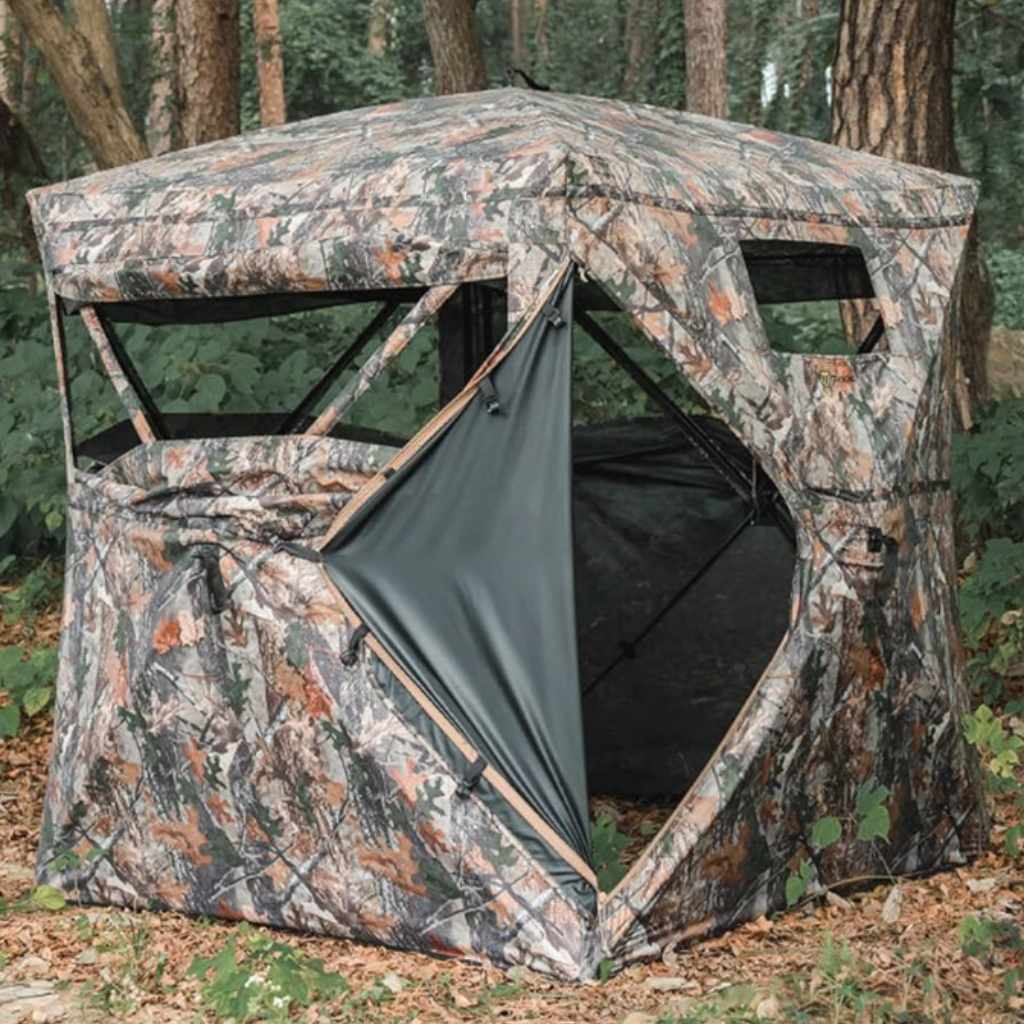
Are Deer Scared of a Ground Blind? Proven Secret!
Deer are naturally wary, but they usually become accustomed to a properly set up ground blind quickly. The secret is to introduce the blind slowly, letting the deer see it as a normal part of the landscape rather than a sudden threat. Proper placement and scent management are key to success.
Welcome! If you’re just starting out with hunting or wildlife observation, setting up your first ground blind can feel a little intimidating. You’ve got your gear ready, but you keep wondering: Will that big deer spook the second it sees that new fabric box? It’s a very common worry! Deer have sharp eyes and keen instincts. However, I am here to tell you that ground blinds are incredibly effective when used correctly.
We are going to walk through the simple, proven steps to make your blind invisible to cautious deer, turning that lump of fabric into your best hidden spot. Let’s build your confidence and get you set up successfully!
Are Deer Scared of a Ground Blind? The Honest Answer
The simple answer is: sometimes, yes, especially at first. Deer are creatures of habit and are naturally wary of anything new or out of place in their environment. A bright, oddly shaped object appearing overnight is something they will definitely investigate with high suspicion. They don’t fear the fabric itself; they fear the unknown shape and movement associated with it.
However, this wariness doesn’t last forever. With a little patience and the right technique, deer treat a well-placed ground blind like a bush or a fallen log. They will walk right by it, often ignoring it completely. The goal is not to trick the deer into thinking the blind isn’t there, but rather to make it look like something natural and safe that belongs there.
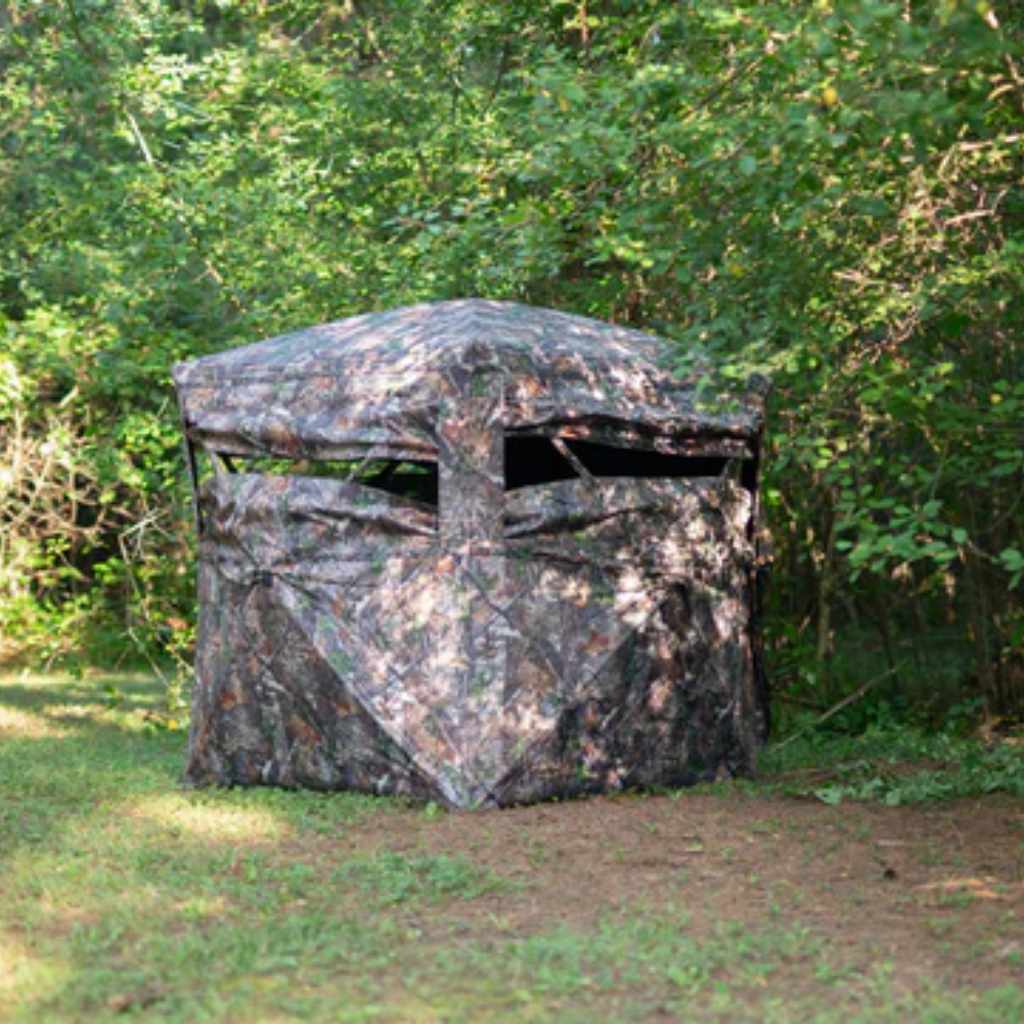
The Winning Strategy: Making Your Ground Blind Feel Natural
The “secret” isn’t a special product—it’s a proven process. This process focuses on scent control, placement, and, most importantly, allowing the deer time to acclimate. Think of yourself as an interior decorator convincing the deer the blind is a permanent, harmless fixture.
Step 1: Pre-Season Setup and Scent Control
Rookie mistake number one: setting up your blind the morning you plan to use it. Deer notice sudden, large changes. You need to eliminate that ‘new’ smell and ‘new’ look.
Scent Management for Fabric
New blinds often smell strongly of chemicals, plastic, or factory storage. Deer can smell this from a long way off. You need to weather the blind before you deploy it.
- Wash it lightly: Use scent-free soap (or even better, just let rain do the work). Avoid harsh detergents with perfumes.
- Air it out: Set the blind up in your yard or garage for several days, letting the sun and wind bake off the factory odors.
- Rubdown (Optional but Helpful): If you hunt frequently, gently rub local dirt, dead leaves, and pine needles onto the exterior fabric. This helps it blend visually and scent-wise.
Placement: The Art of Blending In
Where you put the blind is just as important as how you camouflage it.
- Use Existing Cover: Never place a blind in the middle of an open field that never had cover before. Position it near natural structures like dense thickets, large bushes, or at the edge of a woodline.
- Look for “Dead Zones”: Deer often avoid areas with sudden changes in terrain or light. Place the blind where the transition between shadow and light is already broken up by branches or brush.
- Avoid Creating Straight Lines: Deer patterns follow irregular, natural lines. Try to angle the blind slightly rather than setting it perfectly parallel to a fence line or trail.
Step 2: Camouflage Techniques That Fool the Eye
Once the blind is placed, we need to break up its boxy shape. The human eye sees straight lines easily, but deer are looking for outlines.
Breaking Up the Silhouette
This is where you transition from a temporary shelter to a natural feature.
- Natural Materials are Key: Gather local brush, branches, grasses, and even corn stalks (if in season).
- Stake Branches Around the Base: Secure branches firmly around the bottom corners and sides of the blind. You want to hide the bottom edge entirely so it looks like it is growing out of the ground.
- Utilize the Roofline: If possible, lay some light brush or flexible branches across the top of the blind. This eliminates the tell-tale flat roof shadow.
Use of Vegetation Lacing
Most modern blinds have webbing or loops designed for camouflage.
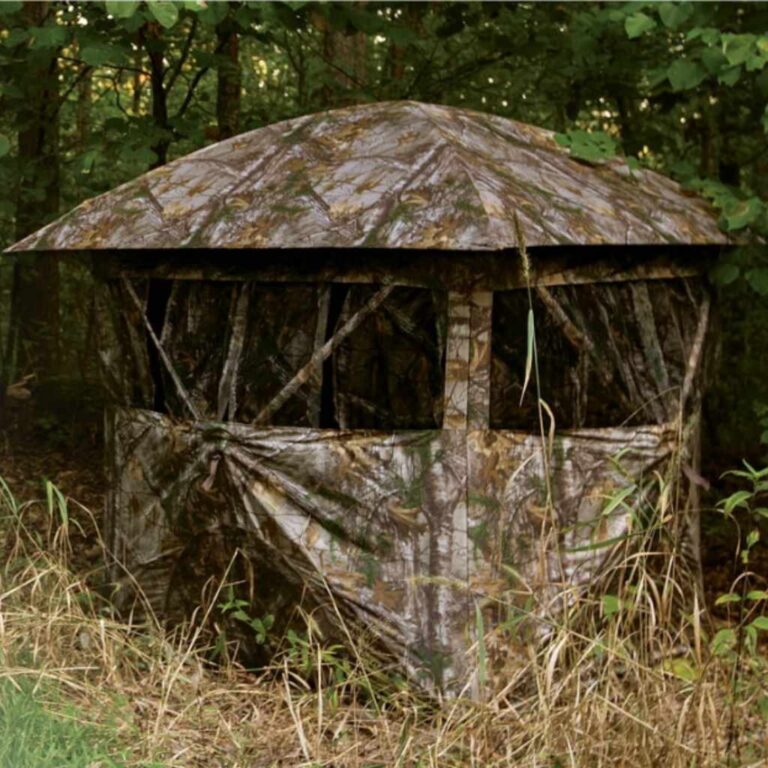
Use these loops to lace in natural materials. The goal is to create visual depth. If light can pass through gaps in your added brush, the blind looks less solid and intimidating. If you are using a burlap material over the blind, use natural twine to secure it so it bunches and looks like rough bark or thick weeds.
Step 3: The Acclimation Period (The Most Important Step)
This is the “proven secret” for truly nervous deer herds:
Time beats everything. You must give the deer time to accept the blind as part of their normal travel route.
The “Slow Reveal” Method
If you are hunting an active area, do not sit in the blind the first three days it is up.
| Day(s) | Action Taken | Deer Response Goal |
|---|---|---|
| 1-3 | Leave blind completely untouched. Do not approach it again until ready to use it or add more minor camouflage. (Scent Management is critical here.) | Deer investigate the new object while you are absent, normalizing its presence. |
| 4-7 | If necessary, make minor camouflage adjustments during the middle of the day (when deer are least active) or at night. | Deer accept the blind as stationary cover, as no threat has emerged from it. |
| 8+ | Begin using the blind for short observation periods without hunting gear. Sit in it quietly for 30 minutes, then leave. | Deer associate entry/exit with routine activity, not focused predation. |
By allowing the deer to see your blind sitting empty for several days, they conclude it poses no threat because nothing has jumped out of it. They have time to smell it, walk around it, and realize it’s just another piece of the landscape.
Step 4: Managing Access and Exit Strategy
Deer don’t just get scared when they see the blind; they get scared when they see you approaching or leaving the blind, or when you make a mistake while inside.
The Approach
Your approach path is critical. If you stomp through the dry leaves 10 minutes before dawn, the deer know a human was there, even if they don’t see the blind yet.
- Use established paths: Walk the route you have already walked many times before to check on your trail cameras or feeders.
- Manage noise discipline: Walk slowly. If you must snap a twig, pause for 30 seconds afterward to see if any ambient noise covers the sound.
- Avoid “Blind Stalking”: Never walk directly toward the blind when deer are likely feeding nearby. Approach from a direction that keeps the blind between you and the deer whenever possible.
Entry and Exit Procedures
This is when most hunters accidentally spook the game.
- Wait for Low Light: Always enter the blind at least 30 minutes before legal shooting light (or when deer are least likely to be moving, often mid-day if you are scent-checking).
- The Quiet Door Swing: Zippers are loud. Open the zipper just enough to slip inside, then close it slowly. If your blind has a flap door, secure it gently.
- Settle Down Immediately: Once inside, stay still for 10–15 minutes before you start gathering your gear. Let the minor sounds of settling fabrics fade before you start drawing a bow or setting up rests.
Ground Blind vs. Other Cover: Why Ground Blinds Win (When Used Right)
Many beginners might ask why they shouldn’t just rely on a tree stand or natural cover. Each has its place, but the ground blind offers unique benefits for novices, provided they master the scent and acclimation steps.
Pros and Cons of Ground Blinds for Beginners
| Feature | Ground Blind Advantage | Ground Blind Challenge |
|---|---|---|
| Concealment (Visual) | Excellent disruption of human silhouette; allows movement. | Can look out of place if not properly camouflaged with local brush. |
| Scent Control | Keeps scent low to the ground and contained, making it easier to manage than a high tree stand. | The fabric traps your scent, requiring diligence in pre-season airing. |
| Ease of Use | No climbing required; easy to set up for multiple users (great for taking a friend or youth). | Can be bulky to transport, and setup can take longer than just sitting under a tree. |
| Movement | Allows natural movement (shaking a leg, adjusting position) without being seen. | Large movements (like drawing a bow) must still be done slowly and deliberately towards a window opening. |
For maximum success, especially when bow hunting from the ground, you need excellent scent dispersion control. Scent control is mandatory, regardless of your setup. Even if the deer cannot see your blind, a strong human scent plume drifting downwind will cause them to avoid the area entirely. For more information on best practices for managing scent on property, check out guidance from agricultural extension offices, such as those provided by state university systems regarding wildlife management principles.
Addressing Specific Deer Worries: Sight, Sound, and Smell
Deer evaluate threats using three main senses. Your ground blind setup must account for all three.
The Sight Factor: Breaking Up the Shape
Deer are excellent at spot-testing movement. If they see motion, they bolt. If they see a shape that matches a known predator, they bolt. They are less concerned with stationary, natural-looking shapes.
Windows and Ports: Keep your shooting ports partially covered, or only open the one you need at the last minute. A gaping black hole can look unnatural. Use mesh or fabric flaps where possible to maintain the illusion of dense cover, only pulling them back far enough to see clearly.
The Sound Factor: Muffling and Managing Noise
Compared to the height of a tree stand, ground blinds increase the volume of sound traveling to the deer. Every rustle of fabric translates instantly to the deer’s ears.
Use the acclimation period to train yourself. When you are inside your camouflaged blind, practice moving extremely slowly. If you need to reach for an arrow or adjust your seat, move only centimeters at a time over several minutes. The fabric will naturally muffle some noise, but slow, deliberate movement is the ultimate cure.
The Smell Factor: Never Underestimate the Wind
A deer’s sense of smell is estimated to be 20 times better than a human’s. They do not fear the blind; they fear what it contains.
Wind Direction is King: Always position your ground blind so that the prevailing wind carries your scent away from where the deer are expected to approach. If the wind shifts even slightly during the day, you must reassess your setup. If the wind is blowing toward the feeding area, pack up and move to another blind or wait for a better day. No amount of camouflage can hide your odor.
For beginners learning about wind dynamics, remember that wind direction can change dramatically based on topography. Hills and valleys funnel air. Always check local weather reports for predicted wind shifts before settling in for a long sit.
Troubleshooting: My Deer Still Won’t Come Near the Blind!
If you’ve followed the setup and acclimation rules and the deer are still acting nervous when passing your blind, don’t give up! It is time to troubleshoot the three variables.
Scenario 1: Deer Look, Stop, and Back Away
This usually means the shape is too obvious, or the initial scent period failed.
- Fix: Add more natural cover. Use taller branches, cover the ground immediately in front of the blind with leaves, or slightly change the angle of the blind if possible. If you skipped the air-out period, you might need to leave it alone for another week.
Scenario 2: Deer Approach but Stop a Certain Distance Away
If they stop 50 yards out and stare, they smell something unusual or they sense your presence through subtle movement.
- Fix: Review your scent protocols. Did you enter or exit wearing the same clothes you drove in with? Did you touch the fabric? Use scent elimination spray liberally on yourself and your entry path.
Scenario 3: Deer Ignore the Blind Completely, But Only When I Am Inside
If deer walk by fine when the blind is empty, but spook when you are inside, it is almost always an issue of movement or sound.
- Fix: You are moving too quickly. Practice drawing your bow or raising your binoculars/camera inside the blind in your backyard where the deer cannot see you. Make sure you are practicing the exact movements you will use during your actual sit. Patience is your best hunting tool here.
Final Confidence Boost for Beginners
Taking that leap from practicing in the open to setting up in real cover is exciting but nerve-wracking. Remember, deer are curious animals. They are often more curious about a new object than immediately fleeing from it, provided that object doesn’t immediately smell or sound like a threat.
By taking the time to set up naturally, managing your scent meticulously, and most importantly, giving the deer time to get used to the new fixture, you remove the element of surprise. When the blind is no longer a surprise, it’s just furniture. You’ve got this coach cheering you on!
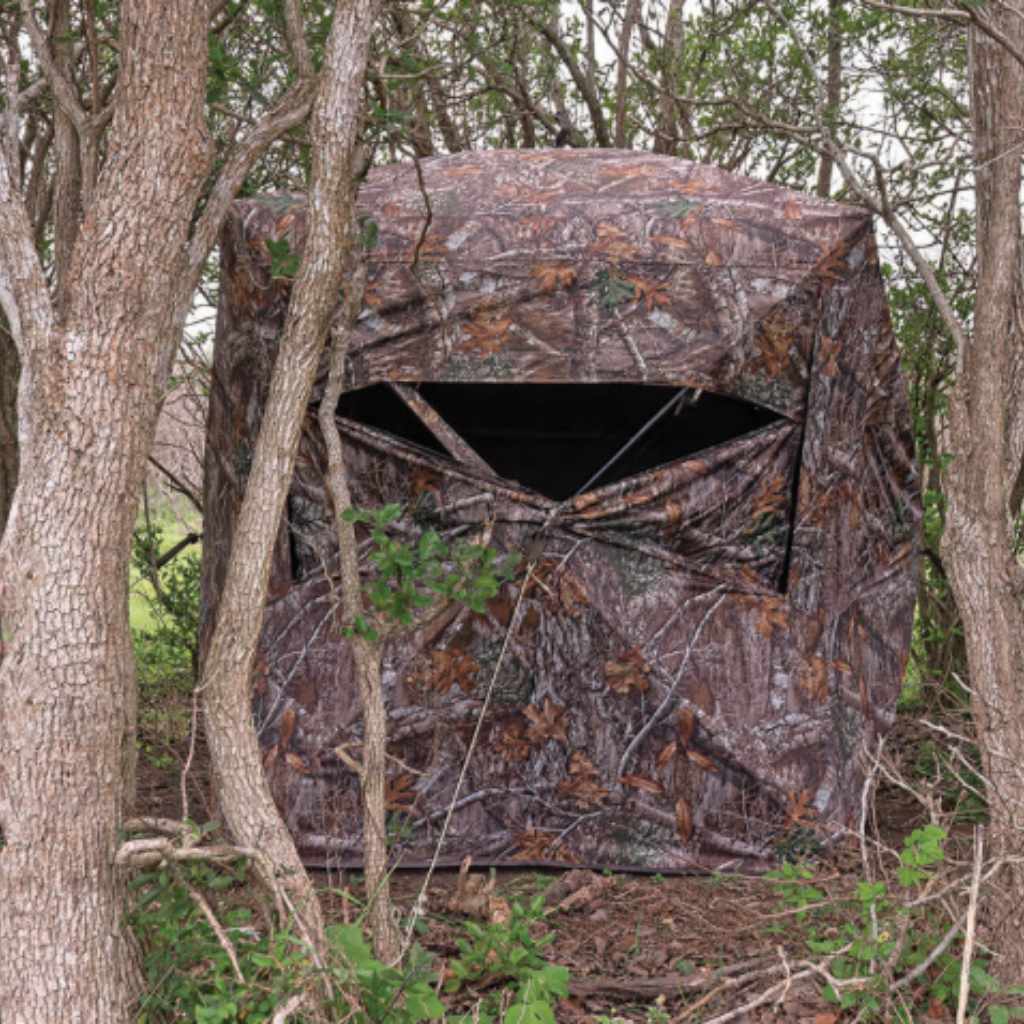
Frequently Asked Questions (FAQ) for Ground Blind Users
Q1: How long does it usually take for deer to accept a new ground blind?
A: It varies based on the deer’s local pressure and curiosity, but generally, aim for 5 to 10 full days of the blind sitting undisturbed. If the area is heavily pressured by hunters, it might take longer.
Q2: Can I use artificial camo tape or netting on my ground blind?
A: Yes, artificial camo netting can help break the shape, but always layer it with some natural vegetation from the immediate area. Purely artificial materials often reflect light differently than the surrounding environment, which can still look fake to a deer’s eye.
Q3: Should I place my ground blind near a scrape or a feeder?
A: Placing it near a feeding area works well for the acclimation period because deer are focused on eating and may be less vigilant. However, if deer become extremely cautious near the feeder, move the blind slightly off the direct line for better shooting angles and less direct scrutiny.