Are Pointy Elbows Normal? What You Need to Know
Most people don’t think much about their elbows, until they notice something unusual. If you’ve looked at your arm and wondered, “Are pointy elbows normal? ” you’re not alone. Many people notice that the tip of their elbow sticks out more than expected, or feels especially sharp.
This can lead to questions about health, appearance, or even pain. The truth is, elbows come in many shapes and sizes. Some are round, others are more pointed. But what does this really mean? Is it a sign of a problem, or is it just a normal part of your body’s design?
Let’s take a close look at what causes pointy elbows, when it’s normal, and when it might need a doctor’s attention. We’ll also explore how elbow shape is determined, what changes to watch for, and common myths about pointy elbows.
By the end, you’ll have a clear, simple understanding of this common concern.
What Causes Pointy Elbows?
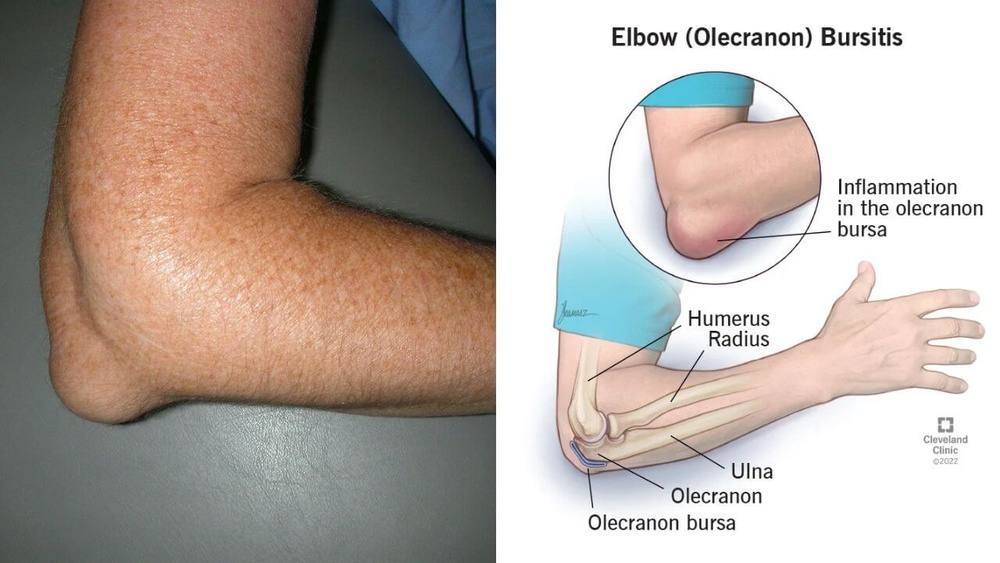
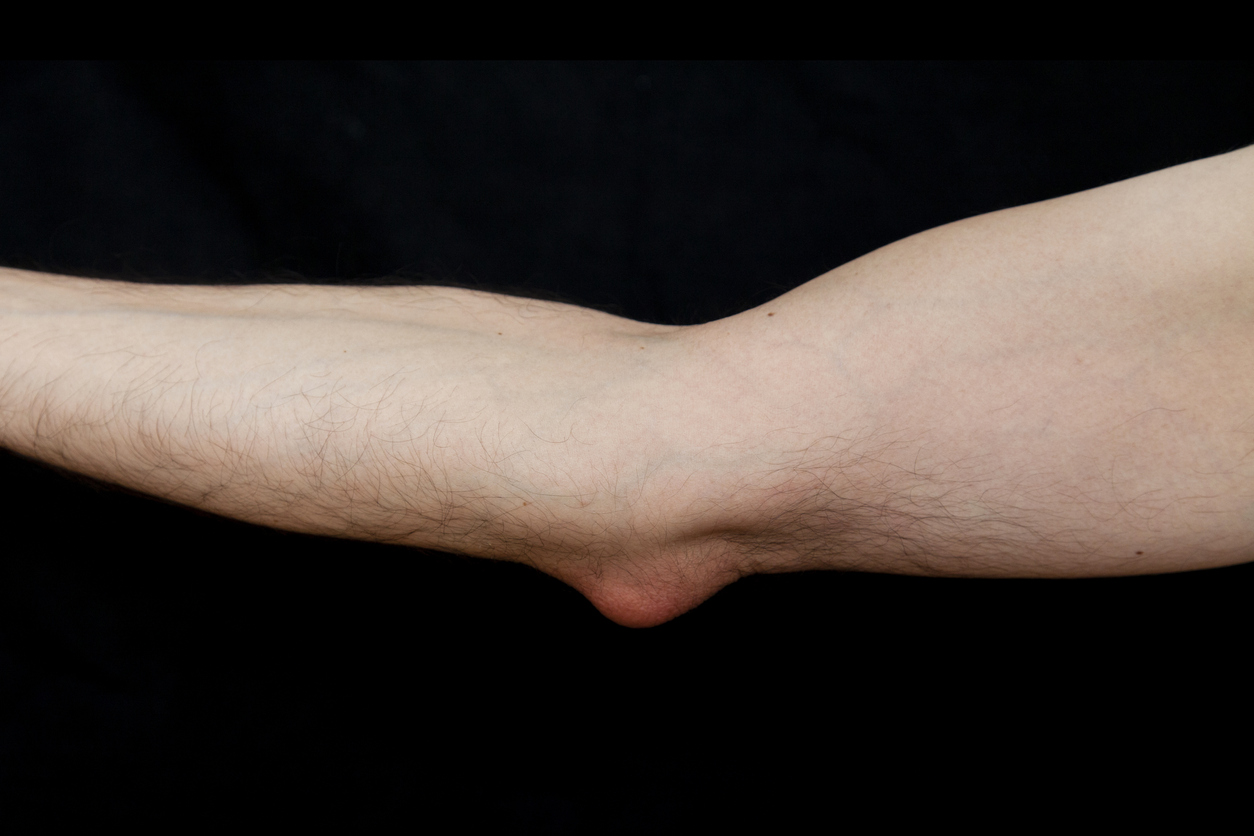
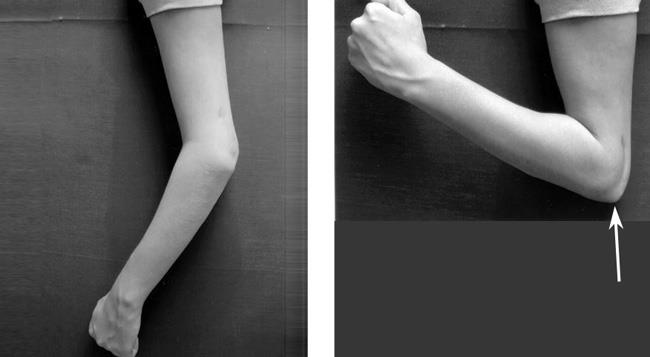
The elbow is a joint where three bones meet: the humerus (upper arm), the radius, and the ulna (forearm). The part that feels pointy is called the olecranon process, which is the tip of the ulna bone. This bony tip sticks out behind the elbow and is covered by a thin layer of skin and soft tissue.
Natural Variation In Bone Shape
One of the most important things to know is that bone shapes vary naturally among people. Just like some people have sharper chins or cheekbones, some have more prominent olecranon processes.
- Genetics play a large role. If your parents or siblings have pointy elbows, you might too.
- Body fat and muscle affect how pronounced the elbow appears. People with less fat or muscle around the elbow joint often notice a sharper, more defined tip.
Age And Body Composition
Children and people with low body fat often have more visible and pointy elbows. As people gain weight or muscle, the elbow may appear less sharp.
- Thin individuals: Less padding means bones stand out more.
- Older adults: As people age, they may lose fat and muscle, making the bones more noticeable.
Example:
If you compare a young athlete’s elbow to someone who is overweight, you’ll often see the bone is much more visible in the athlete, simply because there’s less tissue covering it.
Is It Normal To Have Pointy Elbows?
In most cases, yes, pointy elbows are completely normal. The shape of your elbow is mainly determined by your bones and the amount of soft tissue around them. If you have always had sharp elbows and they don’t hurt or look swollen, it’s just how your body is built.
When Pointy Elbows Are Normal
- No pain or swelling: If your elbow looks pointy but feels normal, there is usually no cause for concern.
- Symmetry: If both elbows look similar, it’s a sign that it’s just your natural shape.
- No recent changes: If your elbow has always looked this way, it’s likely normal.
When To Be Concerned
There are times when a change in your elbow’s appearance may signal a medical issue. Watch for:
- Sudden swelling or pain
- Redness or warmth
- A lump that grows or feels soft
- Difficulty moving the elbow
If you notice any of these signs, it’s a good idea to talk to a doctor. Sometimes a pointy elbow can be caused by an injury, infection, or other health condition.
The Anatomy Of The Elbow: Why Does It Look Pointy?
To understand why some elbows are pointy, it helps to look at the elbow’s anatomy.
| Structure | Role | Impact on Appearance |
|---|---|---|
| Olecranon process | Forms the tip of the elbow | Main cause of pointy look |
| Skin and fat | Covers and pads the bone | Thicker tissue = less pointy |
| Bursa | Small fluid sac for cushioning | Swelling can make elbow look rounder or larger |
The olecranon process is a strong, bony projection. It acts as a lever for muscles and protects the joint. There is very little tissue between the bone and skin here, so it can feel especially sharp.
Common Myths About Pointy Elbows
There are several myths and misunderstandings about pointy elbows. Let’s clear them up:
- Myth: Pointy elbows are a sign of illness.
- Reality: For most people, they are just a normal feature.
- Myth: Only thin people get pointy elbows.
- Reality: While more visible in thin people, anyone can have a pronounced elbow tip.
- Myth: Pointy elbows mean you have arthritis or bone problems.
- Reality: Arthritis usually causes pain, swelling, or stiffness, not just a sharp elbow.
- Myth: You can “fix” pointy elbows with exercise.
- Reality: Muscle can pad the elbow slightly, but the bone shape won’t change.
Pro Tip: If you’re worried about your elbow’s shape, compare it to photos of healthy elbows online or ask a doctor for a quick check during a routine visit.

Credit: www.titaniumphysique.com
When Pointy Elbows Are Not Normal
While most pointy elbows are harmless, there are some health issues to know about.
Elbow Bursitis
The bursa is a small sac of fluid that cushions the elbow. Sometimes it becomes swollen or inflamed, a condition called olecranon bursitis. This can make the elbow look swollen, red, or tender.
Causes include:
- Repeated pressure (leaning on elbows)
- Injury or trauma
- Infection
- Medical conditions (like gout or rheumatoid arthritis)
Symptoms of bursitis are:
- Swelling at the tip of the elbow (may look like a golf ball)
- Pain or tenderness
- Warmth or redness
- Difficulty bending the arm
If you suspect bursitis, see a doctor. Treatment may include rest, ice, or medication.
Elbow Fractures
A direct hit or fall can cause a fracture at the tip of the elbow, making it appear more pointy or misshapen. Fractures usually cause severe pain, swelling, and trouble moving the arm.
Seek medical help right away if you suspect a fracture.
Bone Spurs Or Growths
Rarely, a bone spur (extra bone) or a benign growth can make the elbow look or feel sharper. These are unusual and often come with other symptoms like pain or trouble moving the arm.
Infections And Other Health Issues
Sometimes, an infection can cause swelling or changes at the elbow. This is more likely if you have:
- A cut or injury near the elbow
- Fever or chills
- Red, hot, or rapidly swelling skin
An infected elbow needs quick medical attention.
How To Tell If Your Pointy Elbow Is A Problem
Most people can check their own elbows for signs of trouble. Here’s a simple guide:
- Look for symmetry: Are both elbows shaped the same?
- Check for pain: Is there discomfort, even when not moving?
- Feel for swelling: Is one elbow bigger than the other?
- Notice changes: Did the elbow change shape suddenly?
If everything seems normal except for the shape, your elbow is likely healthy. If you notice any warning signs, make an appointment with your doctor.
Example: In my experience, I once noticed my right elbow was suddenly swollen and painful after leaning on a desk for hours. It turned out to be mild bursitis, which got better with rest and ice.
Credit: www.bone-joint.com
Differences Between Pointy And Rounded Elbows
People often wonder why some elbows look round while others appear sharp. Here’s a comparison:
| Feature | Pointy Elbow | Rounded Elbow |
|---|---|---|
| Bone prominence | Very visible | Less noticeable |
| Soft tissue padding | Thin or minimal | Thicker |
| Common in | Thin or muscular people | People with more fat/muscle |
| Associated symptoms | Usually none | Usually none |
Remember, both shapes are normal as long as there is no pain or swelling.
How Elbow Shape Changes Over Time
Elbow shape can change with age, weight, muscle mass, or injury.
Childhood
Children tend to have pointier elbows because they have less fat and muscle. As they grow, their elbows may become less sharp if they gain weight or muscle.
Adulthood
In adults, elbow shape stays fairly constant unless there’s major weight change or injury.
Older Age
As people age, they often lose muscle and fat, making bony points like the elbow more visible. Some older adults notice their elbows feel sharper even if nothing is wrong.
How To Care For Your Elbows
Even if your elbows are pointy, a few habits help keep them healthy:
- Avoid prolonged pressure: Don’t lean on elbows for long periods.
- Protect during sports: Use elbow pads if you play contact sports or do activities like skateboarding.
- Moisturize skin: The skin over the elbow can get dry and cracked.
- Watch for changes: Check for swelling, redness, or pain.
When To See A Doctor
Most pointy elbows do not need medical care. But see a doctor if you notice:
- Sudden swelling, especially if it’s red or warm
- Severe pain or loss of movement
- A growing lump or deformity
- Signs of infection (fever, pus, chills)
For most people, a quick visit to a primary care doctor or orthopedic specialist can rule out serious problems. If you have health questions about your joints, always consult a professional for advice.
Cosmetic Concerns: Can You Change The Shape Of Your Elbows?
Some people feel self-conscious about pointy elbows, especially when wearing short sleeves. While there’s no safe way to change the bone shape, you can try a few things:
- Build muscle: Strength training can add a bit of padding to the area.
- Gain a healthy amount of weight: More fat tissue can make bones less prominent, but only if medically appropriate.
- Use clothing: Long sleeves or elbow pads can hide the shape if it bothers you.
There are no proven creams, exercises, or surgeries that safely change elbow bone shape for cosmetic reasons.
Warning: Be careful with any “miracle” treatments or products claiming to reshape bones. These are not supported by medical science.
Cultural And Social Views On Pointy Elbows
In some cultures, body features like sharp elbows have specific meanings or are mentioned in jokes and idioms. For example, “pointy elbows” is sometimes used humorously online to critique appearance, but these comments are not based on health or science.
It’s important to remember that body diversity is normal, and differences in elbow shape are just part of human variation.
Data On Elbow Shape: What Do We Know?
There is little formal research on the exact number of people with pointy versus rounded elbows. Most medical literature focuses on elbow injuries or diseases, not appearance.
However, studies on body composition show that body fat percentage strongly influences how bony points appear. According to the Centers for Disease Control and Prevention (CDC), adults with lower body fat often have more visible bones, including elbows.
| Body Fat % | Elbow Appearance |
|---|---|
| Under 15% (men), under 25% (women) | Pointier elbows common |
| 15-25% (men), 25-35% (women) | Moderately visible elbows |
| Above 25% (men), above 35% (women) | Rounded elbows more common |
For more on body composition, see the CDC’s guide on body fat and health.
Practical Tips For Living With Pointy Elbows
If you have pointy elbows and want to avoid discomfort or injury:
- Use a soft pad or cushion when resting elbows on hard surfaces.
- Stretch and strengthen your arms to support the joint.
- Wear protective gear for sports or manual work.
- Keep the skin moisturized to prevent cracking.
Pro Tip: If you notice dry, thickened skin over your elbows, try applying a thick cream at night and covering with a soft cloth.
Credit: www.orthoinfo.org
Non-obvious Insights About Pointy Elbows
- Pressure sores can develop: People with very bony elbows, especially those who are bedridden or use wheelchairs, have a higher risk of developing sores (ulcers) on the skin over the elbow. This area needs special care to prevent skin breakdown.
- Nerve sensitivity: The ulnar nerve runs just behind the elbow (“funny bone”). In people with sharp elbows, this nerve is closer to the surface, making bumps more painful. This is why hitting your “funny bone” can be so intense.
Most people don’t realize these risks until they experience pain or skin issues themselves.
Frequently Asked Questions
Why Do My Elbows Hurt When I Lean On Them?
Pain from leaning on your elbows is often due to pressure on the bursa or nerves, especially if your elbows are bony. Using a pad or cushion can help prevent discomfort.
Can Weight Gain Make My Elbows Less Pointy?
Yes, gaining weight, especially muscle or fat around the arms, can make elbows appear less sharp. However, you should only try to gain weight for medical reasons, not just for appearance.
Are Pointy Elbows A Sign Of A Health Problem In Children?
No, most children have prominent elbows due to low body fat and developing muscles. Unless there is pain, swelling, or other symptoms, it is considered normal.