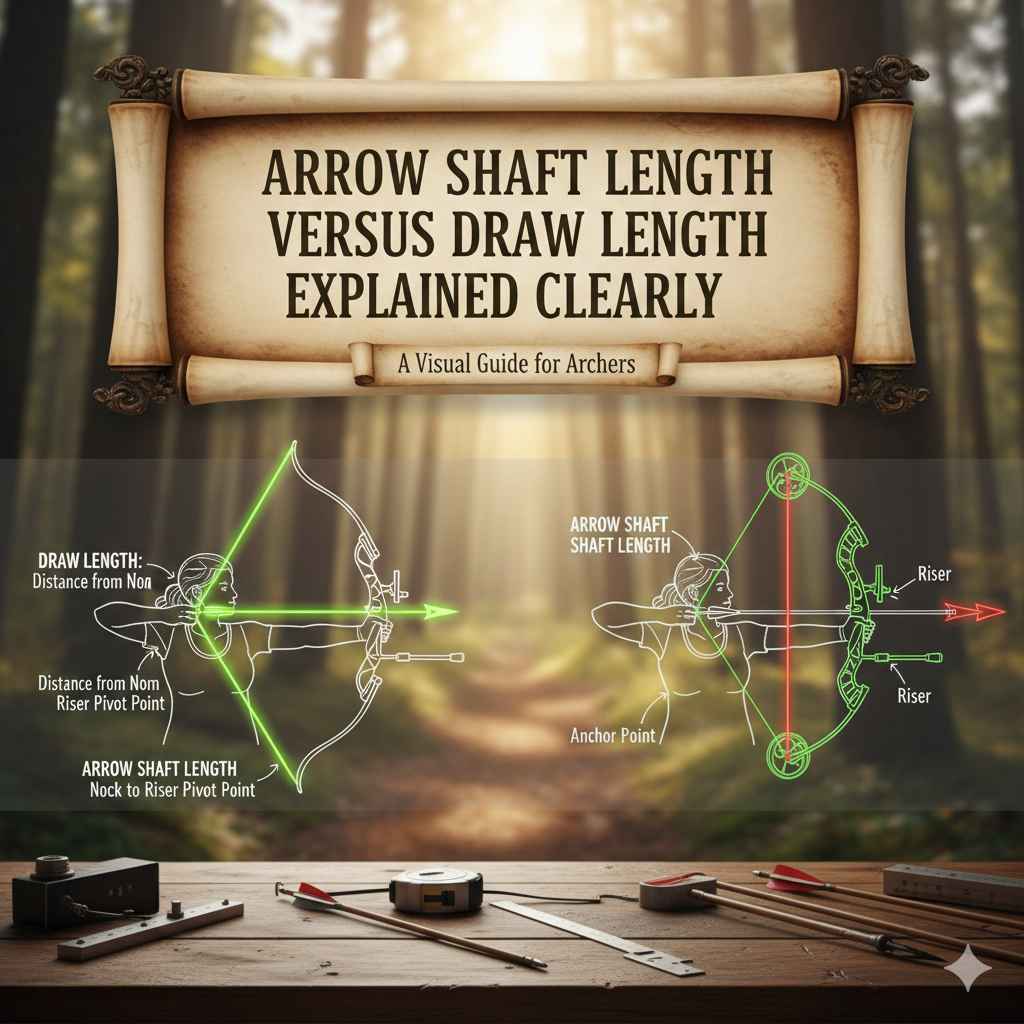
Figuring out the right Arrow Shaft Length vs Draw Length: Clear Guide can feel tricky when you’re starting archery. It’s common to get confused by all the numbers and terms. But don’t worry, it’s easier than it seems! This guide will break down everything you need to know in simple steps. We’ll show you how to measure and pick the right arrow length so you can start shooting accurately. Let’s get started and make archery more fun.
What Matters: The Basics of Arrow Length
Choosing the correct arrow length is one of the most important things for hitting the target. If your arrows are too short, they might fall off the bow when you draw. If they’re too long, they might stick out too far and be less accurate. This is where understanding Arrow Shaft Length vs Draw Length: Clear Guide comes into play. Think of it like buying shoes; the correct size means a perfect fit and good performance. The same is true for arrows and your bow.
What is Draw Length?
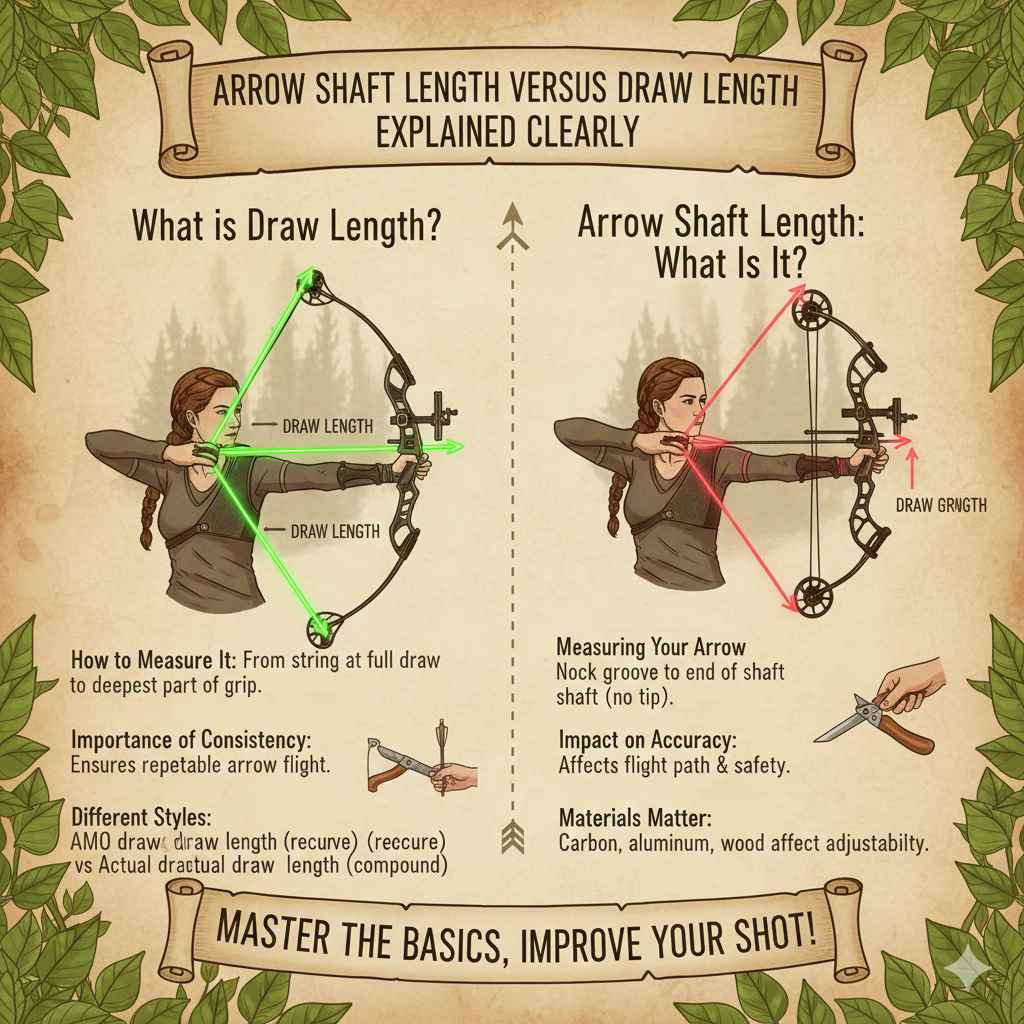
Draw length is the distance from the string at full draw to the deepest part of the bow’s grip. It’s a personal measurement, just like your shoe size. Getting this number right is the first step toward getting the right arrow length. A consistent draw length will make your shots more predictable, and this will improve your shooting. There are a few different ways to find your draw length, and we’ll look at them in a bit.
- How to Measure It: The easiest way is to have someone measure your draw length as you are shooting. Stand up straight, and draw the bow back as you normally do, and have a friend measure from the string at full draw to the deepest part of the grip.
- Importance of Consistency: Consistency is important. Your draw length must stay the same every time you shoot to get repeatable arrow flight and tighter groups.
- Different Styles: Bow styles impact draw length. Compound bows, recurve bows, and longbows may have different ways of measuring and finding the right draw length. For example, a recurve bow is measured by what is called the “AMO draw length” while a compound bow can be measured with what is called the “actual draw length.”
The draw length is a core part of what allows you to shoot your best and keeps you safe at the same time. Many archers find that they need a little bit of adjusting when they first start, so don’t be scared to experiment a little bit and ask for help at your local archery shop if you are having issues.
Arrow Shaft Length: What Is It?
Arrow shaft length is the exact distance from the nock groove (where the string sits) to the end of the shaft. This measurement doesn’t include the arrow tip. The correct arrow shaft length is closely linked to your draw length. It ensures the arrow sits safely on the bow and allows for proper flight. If your arrow is too short, you risk the arrow falling off the bow and hurting yourself. If your arrow is too long, then the arrow will weigh more and you may have issues with arrow flight. Both issues will prevent you from accurate shooting.
- Measuring Your Arrow: The easiest way to measure is by using an arrow cutting tool. This helps make precise measurements. You can also measure it by lining up the arrow and drawing back your bow.
- Impact on Accuracy: The right length improves the arrow’s flight path. Accuracy depends on many factors, and arrow shaft length is a basic one that impacts the flight path of your arrow.
- Materials Matter: Different arrow shaft materials may impact the correct length and the amount that the arrow can be adjusted for fine-tuning.
Arrow shaft length is a key step in getting set up and ready to enjoy archery. There is a lot more to know about archery, but you have the basics down so you can begin to improve.
Finding Your Perfect Arrow Length
Now that we understand the basics, let’s explore how to find the ideal arrow length. It’s like finding the perfect pair of jeans; you want something that fits just right. Knowing your draw length is the starting point, but other things matter too. This guide walks you through the steps to get the right arrow for you. We’ll explore the measuring process, safety tips, and provide some guidelines. Having the right arrow length is essential for safety, and we always want to be shooting safely.
Measuring Your Draw Length
Finding your draw length is like measuring your arm length. There are different ways, but all are simple. One is to use a measuring tape with a measuring stick. Another way is to use the wingspan method, which can give you a quick estimate. You can also visit a local archery shop where an expert can help you.
- Wingspan Method: Measure your wingspan (the distance from fingertip to fingertip when your arms are spread out). Divide this number by 2.5, and you will have your estimated draw length. This is good for a quick estimation.
- Using a Draw Length Measuring Tool: These tools are specifically designed to measure your draw length easily. Simply draw the bow, and the tool gives you the exact measurement. This is one of the easiest ways to get your draw length.
- Professional Help: The best is visiting a local archery shop. Experts have the experience and the right equipment to get the perfect measurement.
It’s important to measure your draw length accurately and consistently. This ensures you buy the correct arrow length and get the best results. Take the time to measure your draw length a few times, and take an average.
Calculating Arrow Shaft Length
Once you know your draw length, calculating your arrow shaft length is easy. You’ll need to add a bit of extra length for safety. This is a very important step and helps prevent the arrow from falling off of the bow.
- Add the “Safety Factor”: Add 1-2 inches to your draw length. This extra length helps keep the arrow safely on the bow.
- Consider Bow Style: Recurve and compound bows might need slightly different safety factors.
- Check with an Expert: Your archery shop can advise the right length for your specific setup.
There are some online arrow calculators that you can use, but these are based on estimates, so you will want to get your bow into the shop to make sure the arrow shaft length is right for you. Your arrow shaft length needs to work with your draw length, so keep that in mind when you are calculating the correct arrow length.
Safety and Adjustments
It’s important to prioritize safety and know how to make adjustments. It can feel like a lot to learn, but with a few tips, you can feel confident in your decision.
- Arrow Flight Considerations: The goal is to get a perfect arrow flight. If your arrows are not flying well, there might be other issues.
- Check the Arrow Spine: Make sure your arrow spine matches your bow’s draw weight.
- Professional Tuning: Ask for professional tuning at a local archery shop.
Correct arrow length is key for safety. This helps to prevent accidents and improves your accuracy. If you’re unsure, always seek professional advice. Once you get these down, you will be on your way to becoming a good archer.
Comparing Arrow Shaft Length to Draw Length: The Table
Let’s compare arrow shaft length and draw length to help make things clear. The main difference lies in how we measure each and what each measurement tells us. In this table, we’ll see the key differences, how they work together, and how they affect your archery.
| Feature | Draw Length | Arrow Shaft Length |
|---|---|---|
| Definition | Distance from the string to the grip when drawn. | Length from nock groove to the end of the shaft. |
| Measurement Method | Typically, measured by drawing the bow and measuring, or using the wingspan method. | Measured with an arrow-cutting tool after calculating from the draw length, and with the arrow nocked. |
| Purpose | Determines the bow’s fit to the archer. | Determines the proper fit of the arrow to the bow, ensuring safety and good arrow flight. |
| Importance | Provides a consistent and comfortable shooting position. | Essential for safe and accurate shooting. |
| Impact of Incorrect Length | May cause inconsistent shots and improper form. | Can result in unsafe shooting conditions and cause the arrow to fall off the bow, impacting accuracy. |
This table simplifies the differences and shows how these measurements work together to improve your shooting. Remember, they are both important for a safe and enjoyable archery experience.
Common Issues and Troubleshooting
Sometimes things don’t go as planned, and you might have problems with your arrow length. Don’t worry, it’s all part of the process. Here are some of the most common issues you might face and how to fix them.
Arrow Flight Problems
Arrow flight problems can mean a few things: The arrow might wobble, curve, or hit the target sideways. Several causes might be the arrow spine, the arrow shaft length, or your shooting style. But with some adjustment, you will get it figured out.
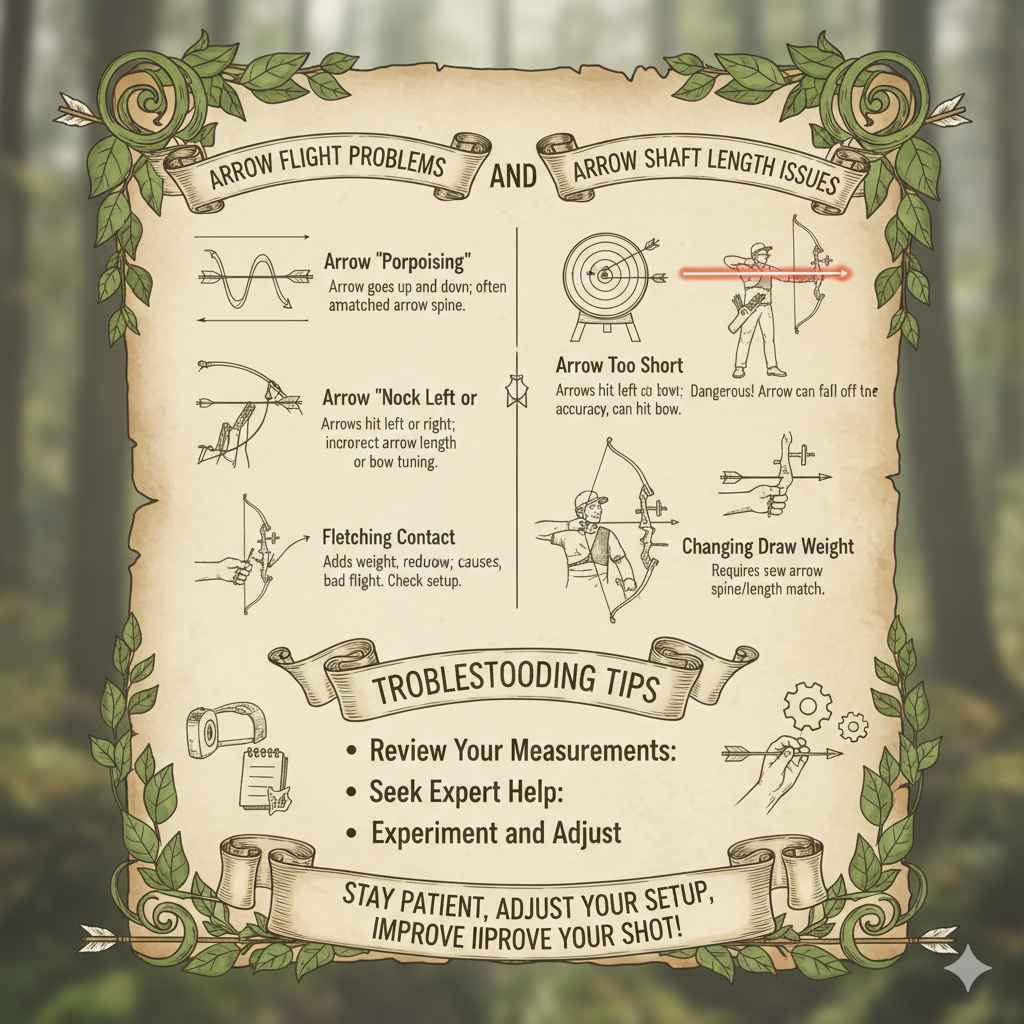
- Arrow “Porpoising”: The arrow goes up and down as it flies. This usually means the arrow spine is not matched to the bow.
- Arrow “Nock Left or Nock Right”: The arrow impacts to the left or right of your target. This might be from the arrow not being at the right length.
- Fletching Contact: Fletchings can rub against the bow or other parts during flight, causing bad flight.
The best way to fix arrow flight problems is to check everything. Start by checking your draw length and arrow length. Check for any problems with your bow’s setup. Often, a quick adjustment is all it takes.
Arrow Shaft Length Issues
The wrong arrow shaft length can affect your shooting. You want the arrow shaft to be just right. This way, you don’t have to worry about the arrow hitting your bow. But if you have issues, there are steps to fix the problems.
- Arrow Too Short: This can be dangerous and cause the arrow to fall off the bow when drawn.
- Arrow Too Long: This can make your arrow heavy and impact accuracy.
- Changing Draw Weight: Changes in draw weight also affect the best arrow spine, which can require new arrows.
Measure your draw length and calculate your arrow shaft length to solve these issues. Visit an archery shop to make sure your setup is perfect for you.
Troubleshooting Tips
When you have problems with your arrow shaft length and draw length, here are some helpful tips to fix the issues.
- Review Your Measurements: Check your draw length and make sure it hasn’t changed.
- Seek Expert Help: Visit a local archery shop. They will check your setup.
- Experiment and Adjust: Fine-tune your setup, but never give up.
It’s important to stay patient and adjust your setup as needed. Most common issues are easy to fix with some practice and the right guidance.
Frequently Asked Questions
Question: How do I measure my draw length without a measuring tool?
Answer: Use the wingspan method: Measure your wingspan (fingertip to fingertip) and divide the result by 2.5. This gives you an estimated draw length.
Question: What’s the main difference between draw length and arrow shaft length?
Answer: Draw length is the distance from the string to the grip at full draw. Arrow shaft length is the distance from the nock groove to the end of the shaft.
Question: How much extra length should I add to my draw length for arrow shaft length?
Answer: Generally, add 1-2 inches to your draw length for safety.
Question: Can I cut my arrows at home?
Answer: It’s best to have your arrows cut at an archery shop. They have the proper tools, and can ensure the arrow is cut safely.
Question: How often should I re-measure my draw length?
Answer: It’s good to re-measure every year or if you feel your shooting is off.
Final Thoughts
Now you have a better idea of how Arrow Shaft Length vs Draw Length: Clear Guide applies to your archery practice. You now know the basics of arrow shaft length and draw length, and how to measure and calculate the right arrow length for your bow. You also explored how to troubleshoot any issues you might face. These are key for safe, accurate, and enjoyable archery. Remember, archery is a sport of precision, and the right equipment is key. There’s a lot more to learn in archery, and this guide is just the beginning. Keep practicing, and don’t hesitate to ask for help from archery shops or other archers. This will help your skills improve. Take your time, enjoy the process, and get ready to hit those targets!