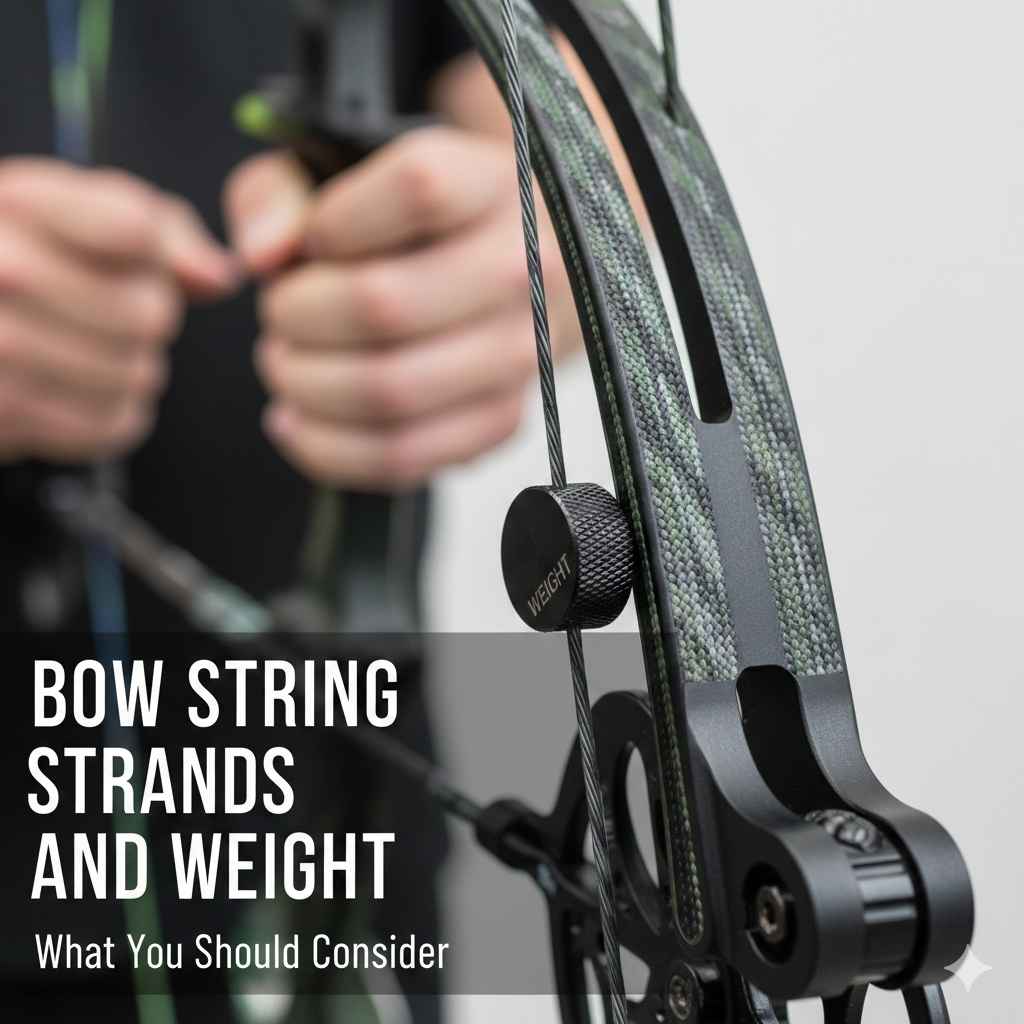
Figuring out Bow String Strands vs Weight: What You Need to Know can be a bit tricky when you’re starting with archery. It’s common to feel a little lost with all the terms and how they affect your shots. But don’t worry! This guide will break it down into simple steps, so you’ll be shooting with more confidence. We’ll explore how the number of strands and the overall weight of your bow string can impact your archery experience. Let’s get started!
What Exactly Are Bow String Strands?
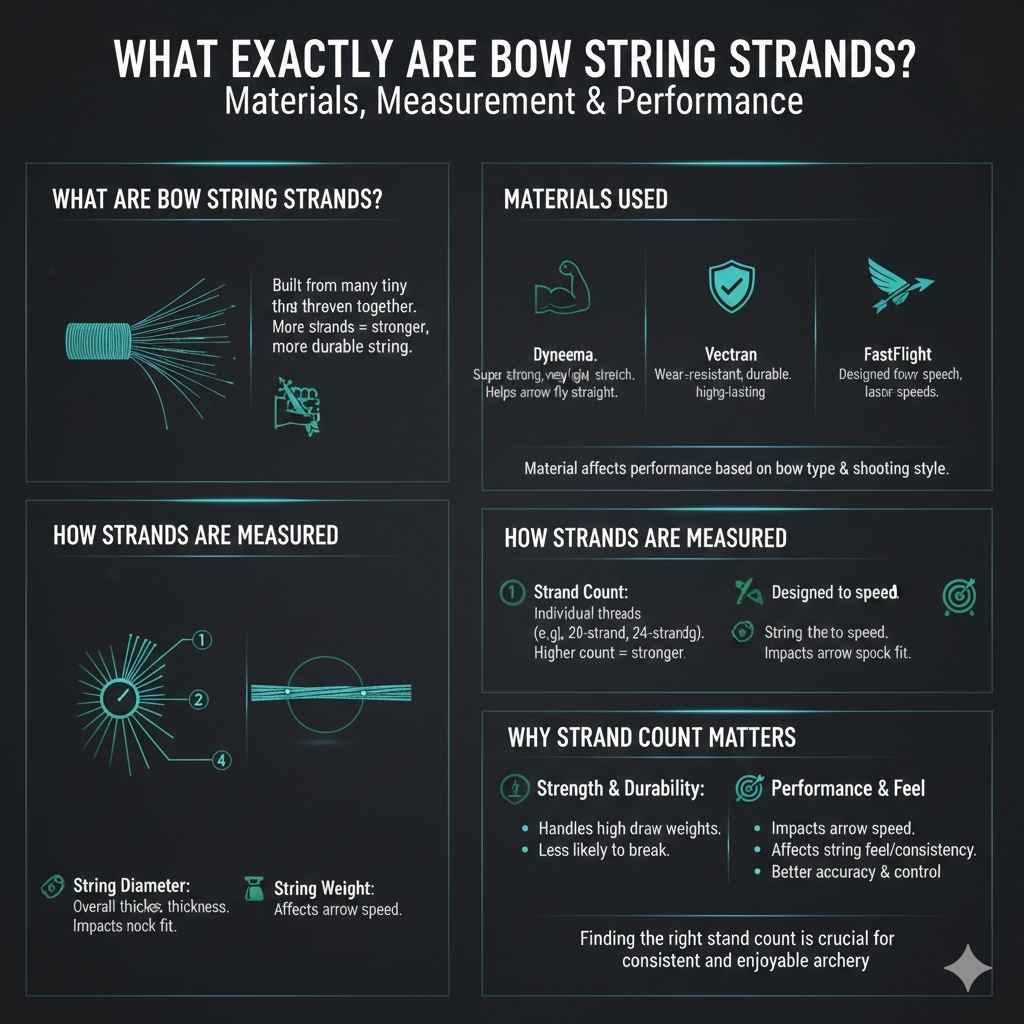
Bow strings are built from many tiny threads, or strands. Imagine a rope made of many smaller ropes woven together; that’s similar to a bow string. The number of these strands is really important because it affects how strong and durable your string is. More strands generally mean a stronger string that can handle more force from the bow. It also influences how the string feels when you draw it back and shoot the arrow. This first section explores what strands are made of, how they’re measured, and why they’re a fundamental part of archery.
Materials Used in Bow String Construction
Bow strings aren’t just made from any old string. They use special materials that can handle a lot of stretching and releasing. These materials are super strong and don’t break easily. Commonly used materials include Dyneema, Vectran, and FastFlight. Each material has slightly different properties that affect the performance of the string. Dyneema is known for its high strength and low stretch, while Vectran offers great durability and stability. FastFlight, another option, is often used because it shoots arrows quickly. Choosing the right material depends on your bow type and your shooting style, but the materials selected impact performance.
- Dyneema: Dyneema is super strong and very light. Think of it like a super-powered version of string! It stretches very little, which helps the arrow fly straight and true. Its strength comes from its molecular structure, which lets it handle a lot of force.
- Vectran: Vectran is another excellent material that is resistant to wear and tear. It’s tough and can last a long time, making it a reliable choice for archers. Vectran is known for its dimensional stability, which means it doesn’t change much in size or shape, even under stress.
- FastFlight: FastFlight is designed for speed. It has a low stretch and helps transfer energy quickly to the arrow. This can result in faster arrow speeds and flatter trajectories, which is great for target shooting and hunting.
How Strands Are Measured
When someone talks about the number of strands in a bow string, they’re referring to the individual threads that make up the string. Think of it like counting the number of threads in a rope. The more strands, the thicker the string. This thickness impacts how well the string can handle the pull of the bow and how it affects the feel of the shot. The measurement of these strands is crucial because it influences the overall strength and performance of the bow string.
- Strand Count Numbers: The number of strands is usually indicated on the bow string packaging or by the string maker. You might see a string advertised as “20-strand” or “24-strand,” which tells you how many threads are woven together. A higher strand count generally means a stronger string.
- String Diameter: The diameter of a string also matters. While the strand count indicates the number of individual threads, the overall diameter gives an indication of the string’s thickness. A thicker string might require a larger nock on the arrow, so your arrows fit properly.
- String Weight: While not the same as strand count, the overall weight of the string is another factor. A heavier string can affect arrow speed slightly, so archers sometimes consider the weight alongside the strand count.
Why Strand Count Matters for Performance
The strand count impacts how your bow shoots and feels. More strands often mean greater strength, which is important for handling the bow’s force. It can also slightly change how the string feels against your fingers when you draw the bow. Finding the right strand count can lead to better accuracy and control. Selecting the correct strand count for your specific setup (bow and draw weight) results in consistent and enjoyable experiences.
- Strength and Durability: More strands typically mean a stronger string, which is less likely to break under the strain of repeated use. This is especially important for bows with higher draw weights (the amount of force needed to pull back the string).
- Arrow Speed: A bow string’s weight and flexibility can impact arrow speed. While the difference might be small, archers who shoot professionally carefully consider the string material and strand count to get a slight advantage in speed.
- Feel and Consistency: The number of strands affects how the string feels when you draw it back and release the arrow. Some archers prefer a certain feel for their shots, and the strand count plays a part in that.
The Impact of Weight on Bow String Performance
The weight of a bow string might seem like a small detail, but it can play a surprising role in how your bow performs. Heavier strings can slightly reduce arrow speed, while lighter strings help the arrow fly faster. Understanding this relationship helps you pick the right string for your shooting goals. From material density to the overall amount of material, the weight of the string matters.
How String Weight Affects Arrow Velocity
The weight of the bow string has an interesting effect on how fast the arrow flies. Because every part of the bow system affects the arrow’s journey, even a small change to the bow’s components can make a difference. Every piece of the bow system—the bow, the string, and the arrow—work together to propel the arrow forward. When you release the string, the stored energy is transferred to the arrow, causing it to move at speed.
- Increased Arrow Speed: A lighter bow string transfers more energy to the arrow when you release. The lighter the string, the less energy is needed to move the string itself, which leaves more energy to propel the arrow. A faster arrow means it can travel farther and more directly to its target.
- Decreased Arrow Speed: A heavier bow string absorbs more energy during the shot, leaving less energy for the arrow. Heavier strings might also slow down the bow’s overall performance.
- Consistency: Choosing the right string weight can help maintain consistency in your shots. You’ll find that your arrows hit in similar places on the target each time, which improves your scores.
Factors Influencing Bow String Weight
String weight isn’t a fixed number; several factors affect it. The materials used, how many strands are in the string, and even the length of the string contribute to its weight. Different materials have different densities, and a string made from denser material will weigh more than a string of the same length made from a lighter material. The number of strands also increases the overall weight. The length of the string also plays a role: a longer string will naturally weigh more than a shorter one, even when made of the same materials.
- Material Density: Different materials have different densities, which means they weigh different amounts for the same volume. For example, a string made from a dense material will be heavier than a string of the same size made from a lighter material.
- Strand Count: A string with more strands will generally be heavier. Each additional strand adds to the string’s overall weight, impacting how it affects arrow speed.
- String Length: A longer string will always weigh more than a shorter one, as there is more material. If you make a string longer, the extra material contributes to its weight. This is important to remember if you’re trying to build a lighter bow setup.
Balancing Weight and Performance
Choosing the right bow string means finding a balance between weight and other aspects of performance. You want a string that is strong enough to handle the pull of your bow, yet not so heavy that it slows down your arrows. Some archers might prioritize speed, while others focus on durability and feel. Finding the right mix requires some experimentation. Remember, the perfect bow string is the one that allows you to shoot your best.
- Draw Weight: Consider your bow’s draw weight. If you have a bow with a higher draw weight, you’ll need a stronger string, which may weigh slightly more.
- Shooting Style: Your shooting style can also affect your bow string choice. If you’re shooting for speed, you might choose a lighter string. If you prioritize durability, you might choose a string made with materials that can handle wear and tear.
- Personal Preference: Many archers like the feel of certain strings. Choosing a string that feels good to you can boost your confidence and enjoyment when shooting.
Choosing the Right Strands and Weight for Your Bow
Finding the correct strand count and weight for your bow is essential to making sure you have the best archery experience. It’s like finding the right pair of shoes for a run: the right fit makes all the difference. Matching your string to your bow and shooting style can improve accuracy, arrow speed, and overall shooting feel. There’s no single “best” string; instead, it’s about what works best for your specific setup and shooting style.
Matching Strands to Your Bow Type
Different types of bows often need different types of strings. For example, a compound bow and a recurve bow may require different strand counts. The bow’s design and the forces it generates influence the kind of string that will work best. Some bows are also designed to work with particular string materials, so it is important to find the right combination of strands and material for your setup. Always consult your bow’s manual or a bow specialist for advice on the best string for your bow.
- Compound Bows: Compound bows are known for their mechanical advantage and higher draw weights. They often need strings with a higher strand count to handle the greater forces involved.
- Recurve Bows: Recurve bows typically have lower draw weights than compound bows. The correct strand count for a recurve bow depends on the specific bow, your draw weight, and the string material used.
- Longbows: Longbows often use a string with a lower strand count and are often made from natural materials like Dacron. This is due to the lower draw weights and different design.
Calculating the Correct String Length
Calculating the correct string length is another key aspect. An improperly sized string will affect the bow’s performance and potentially cause damage. The correct length is determined by the type of bow and the dimensions. Always consult the bow’s manual or the manufacturer’s recommendations for your specific bow model. Proper string length helps maintain the right brace height, a key factor in archery.
- Manufacturer Specifications: Always check your bow’s specifications. The manufacturer usually provides the recommended string length for your bow model.
- Brace Height: After installing the string, check your bow’s brace height. This is the distance from the string to the deepest part of the bow’s grip. The brace height should be within the manufacturer’s recommended range for optimal performance.
- Adjusting String Length: Sometimes you might need to adjust the string length slightly to achieve the correct brace height. Consult a bow technician if you need help.
Practical Considerations and Testing
Choosing the right string can involve some experimentation. You might test different string materials or strand counts to see what works best for you. Keeping a record of your setup and the results can help you find the best string for your bow. Make adjustments and testing to fine-tune your setup. Don’t be afraid to try different combinations to discover what feels right and gives you the best results. It is important to remember to take safety precautions.
- Start With Recommendations: Begin with the string recommendations for your bow.
- String Material: Test out different string materials. You might find that some materials feel better and work more efficiently for your shooting style.
- Consistency and Accuracy: Keep track of your scores and shot patterns when testing. You’ll easily see which strings give you the most consistent results.
Common Mistakes to Avoid With Bow Strings
Even experienced archers can make mistakes with bow strings. Here are some of the most common errors to avoid, and steps you can take to make sure you get the most out of your archery experience. By being aware of these common issues, you can prevent problems and keep your bow in top shape.
Ignoring Bow String Maintenance
Failing to maintain your bow string can lead to its early failure and affect your shooting. Bow strings are often overlooked. Strings endure a lot of wear and tear, and taking care of them is crucial. Checking your string regularly helps spot any issues before they become serious. Here is how you can perform maintenance on a bowstring to extend its useful life.
- Regular Inspections: Regularly inspect your string for any signs of wear. Check for fraying, broken strands, or damage around the serving (the wrapped area that protects the string).
- Waxing the String: Applying wax to your string helps protect it from moisture and friction. It is a simple step that significantly increases the life of your string. Be sure to use a wax specially made for bow strings.
- String Replacement: It’s important to replace your string when it shows signs of wear, or at least every one to two years, depending on how often you shoot. A worn string is likely to break, which is a hazard.
Using the Wrong String for Your Bow
Using the wrong string for your bow can lead to poor performance and potentially cause damage. Not all bows are alike. Using the wrong kind of string is like using the wrong fuel in your car: it won’t perform well, and it could cause issues. Using the correct string can provide a safer and better experience, allowing you to use your bow to its full potential.
- Mismatched Materials: Make sure you choose a string material that is suitable for your bow. Some bows work best with high-performance materials like Dyneema or Vectran.
- Incorrect Length: Using the wrong string length is one of the most common errors. An incorrect string length will lead to issues with your brace height.
- Ignoring Draw Weight Limits: Be mindful of your bow’s draw weight limits. If your bow is rated for a certain draw weight, make sure your string is rated for that weight as well.
Overlooking String Serving and Nock Fit
The serving on your bow string (the wrapping around the string) and how your arrows fit on the string are crucial. Issues with either of these can disrupt your shot. A poorly maintained serving can come loose, potentially damaging your string. The nock fit on your arrows must match the string’s thickness to help the arrow launch straight and true. Serving and nock fit are often overlooked, but are critical to your archery setup.
- Serving Damage: Regularly check your serving for wear and tear. If the serving is damaged, it can cause the string to fray. Replace the serving or the entire string if necessary.
- Nock Fit: Your arrows need to fit snugly on your string. If the nock is too loose, the arrow will not launch consistently. If it’s too tight, it can pinch the string and affect your shot.
- Proper Nock Alignment: Ensure that your nock is properly aligned on the string. Poor nock alignment will affect arrow flight.
Frequently Asked Questions
Question: How often should I replace my bow string?
Answer: It’s best to replace your bow string every one to two years, or sooner if you notice signs of wear, such as fraying or broken strands.
Question: Can I use any type of string material for my bow?
Answer: No, you should choose a string material that is suitable for your bow. Check your bow’s manual or ask a bow technician for the best materials for your bow.
Question: What’s the purpose of bow string wax?
Answer: Bow string wax helps protect the string from moisture and friction, extending its life and maintaining its performance.
Question: How do I know if my string length is correct?
Answer: Use the manufacturer’s recommended string length for your bow and measure your brace height after installing the string. Make adjustments until the brace height is in the correct range.
Question: Does the number of strands affect my arrow speed?
Answer: Yes, the number of strands can slightly affect arrow speed. Fewer strands might result in slightly faster arrow speeds, but more strands typically provide greater strength and durability.
Final Thoughts
When it comes to Bow String Strands vs Weight: What You Need to Know, you’ve learned a lot about how these two things impact your archery experience. We’ve explored how the number of strands and the weight of your bow string influence strength, speed, and accuracy. From choosing the correct string for your bow type to understanding the importance of proper maintenance, you’re now equipped with the knowledge to make informed decisions.
Remember that choosing the right bow string can be a journey of experimenting with different setups to find what works best for your style and your bow. So, get out there, test your setup, and enjoy the process of becoming a better archer! Remember to always prioritize safety and consult with experts if you have any questions.