

Imagine watching a group of sparrows fluttering around your garden, their cheerful chirping adding life to your surroundings. But then, a thought crosses your mind—can these little birds get bird flu?
It’s a question that might seem trivial at first, but understanding it could be crucial for anyone who values the health of their feathered friends and the safety of their environment. As you dive into this article, you’ll uncover surprising insights and essential information about sparrows and their susceptibility to avian influenza.
Your curiosity is about to be satisfied, and your concerns addressed. Keep reading to discover how bird flu can impact sparrows and what you can do to protect them.
Credit: feederwatch.org
Sparrows And Bird Flu
Bird flu is a disease that affects many birds. Sparrows are small birds often seen in cities and parks. While sparrows are not the main carriers, they can still be affected. Bird flu spreads through contact with infected birds. It can also spread through bird droppings or feathers.
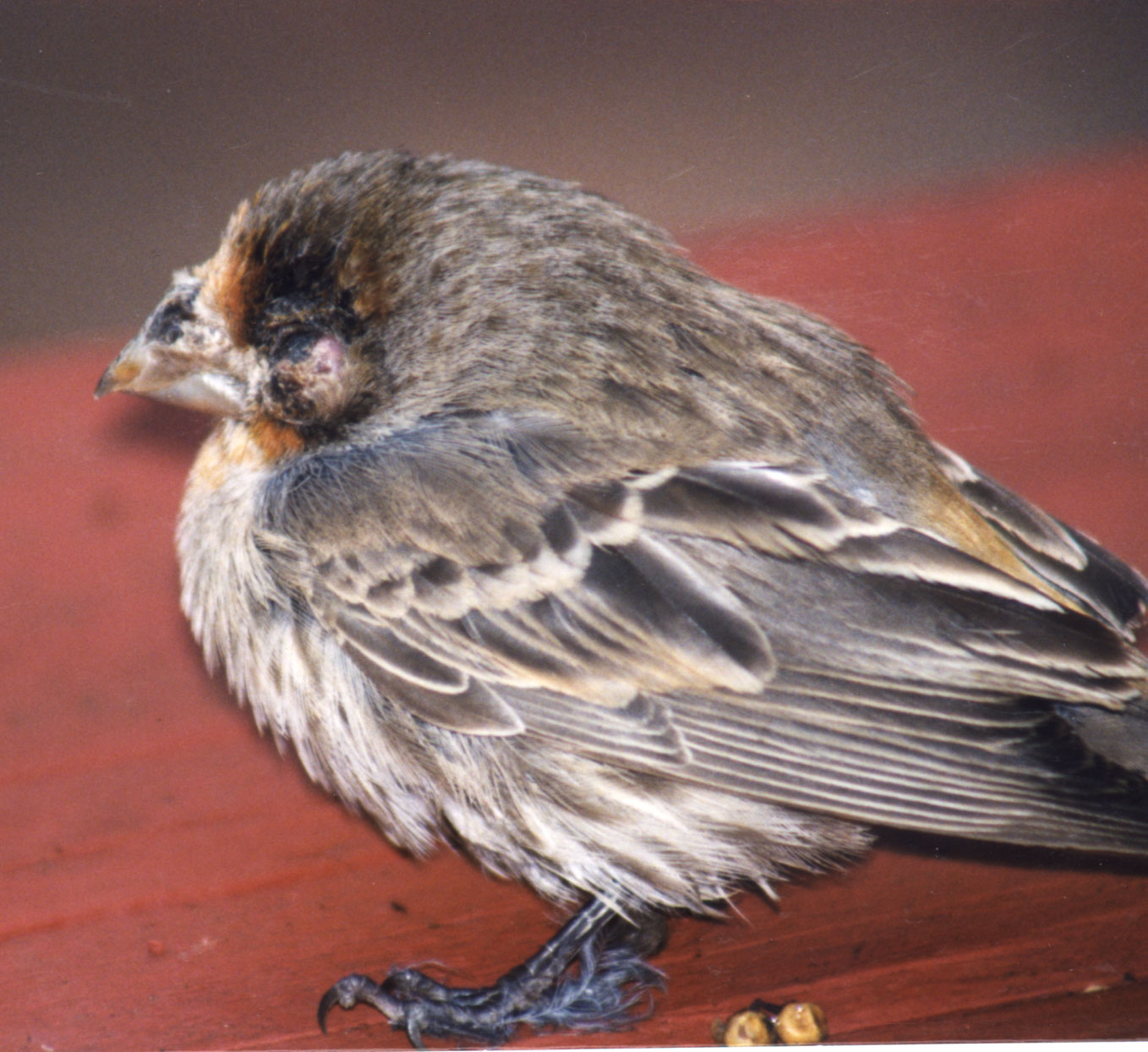
Infected sparrows may show signs of illness. They might appear weak or have trouble flying. Sometimes, sparrows have swollen eyes or loss of appetite. It’s important to keep an eye on any unusual behavior. These symptoms can indicate they are sick.
Keeping bird feeders clean helps prevent diseases. Watching sparrows from a distance is safer. Avoid direct contact with wild birds. If you see a sick sparrow, it’s best to call animal experts. They know how to handle sick birds properly.
Understanding Bird Flu
Bird flu is a type of virus. It mainly affects birds. Some types can make birds very sick. The virus can spread quickly among birds. Wild birds often carry the virus. They might not look sick. But they can spread it to others. This flu can be dangerous to many birds.
Bird flu spreads in different ways. Birds can catch it through contact. Sharing water or food can spread the virus. Touching bird droppings is another way. The virus can also spread through the air. Close spaces make it easier to spread. Farms with many birds are at risk. Keeping birds healthy is important. Clean environments help stop the virus.
Sparrows’ Susceptibility
Sparrows have tiny bodies and quick metabolisms. This affects how they fight diseases. Their immune system is not as strong as some birds. Bird flu can spread faster in them. They live in groups. This makes them easy targets for viruses. Virus spreads quickly among them.
Sparrows often live near humans. They pick up food scraps from the ground. This brings them close to other birds. Diseases spread easily this way. Dirty places and crowded areas make them sick. Pollution and bad weather can weaken their health. They get stressed and this lowers their defenses. Stress makes it hard to fight off sickness.

Credit: www.reddit.com
Research Findings
Scientists have studied if sparrows can get bird flu. Some studies say sparrows can catch it. Bird flu is a virus. This virus affects birds. It spreads from one bird to another. Sparrows are small birds. They live near humans. This makes them easy to study. Researchers watch sparrows closely. They look for signs of bird flu. This helps to understand the disease better.
| Year | Number of Cases |
|---|---|
| 2020 | 5 |
| 2021 | 8 |
| 2022 | 12 |
Data shows cases are rising. Sparrows need monitoring. This helps control the spread.
Impacts On Sparrow Population
Bird flu can make sparrows very sick. They might feel weak and tired. Feathers can become ruffled and messy. Sneezing and coughing are common signs. Some sparrows may have trouble breathing. Diarrhea and loss of appetite are possible. The sick sparrows may need special care. Bird flu can spread fast among them. Protecting sparrows is important to keep them healthy.
Bird flu can change sparrow numbers. Many sparrows might get sick at once. Sick sparrows can spread the virus quickly. Fewer healthy sparrows means fewer babies. Population can drop if many sparrows die. Sparrow groups may move to safer places. Watching their numbers helps understand the impact. Protecting sparrows helps keep their numbers stable.

Credit: www.youtube.com
Preventive Measures
Regular monitoringis key for bird health. Watch sparrows closely. Look for any signs of sickness. This helps catch problems early. Surveillancetools are useful. Use them to track bird movements. They help in spotting unusual patterns. Report any strange behavior quickly. This keeps the bird community safe.
Community knowledge is important. Teach others about bird flu risks. Share tips on keeping sparrows healthy. Encourage everyone to watch sparrows. This builds a strong network. People should know how to spot sick birds. Awareness helps in quick action. It reduces the spread of disease.
Global Implications
Sparrowsplay a big role in nature. They help spread seeds. This helps plants grow in many places. If sparrows get sick, fewer seeds spread. This changes the plant life around us. Other animals may also suffer. They might lose their food source. This is how one small change can affect many.
Humans live close to sparrows in cities. People often feed sparrows. This can spread diseaseslike bird flu. When sparrows get sick, they can pass it to other birds. Children might touch sick birds. It is important to teach safety. Keeping distance from wild birds can help. Washing hands after contact is also good.
Frequently Asked Questions
Can Sparrows Transmit Bird Flu To Humans?
Sparrows can potentially carry bird flu, but transmission to humans is rare. Human infections usually occur through direct contact with infected birds or their droppings. It’s important to practice good hygiene when handling birds to minimize risk.
Are Sparrows More Susceptible To Bird Flu?
Sparrows can be susceptible to bird flu, but not as much as poultry. The virus affects various bird species differently. Wild birds, including sparrows, can carry the virus without showing symptoms, acting as vectors.
How Can Sparrows Spread Bird Flu?
Sparrows can spread bird flu through their droppings, feathers, and secretions. The virus can survive in the environment, posing a risk to other birds. Keeping domestic birds away from wild birds helps prevent transmission.
What Are The Symptoms Of Bird Flu In Sparrows?
Symptoms of bird flu in sparrows can include respiratory distress, lethargy, and decreased appetite. However, many sparrows may carry the virus without showing any symptoms. Monitoring wild bird populations helps detect and manage outbreaks.
Conclusion
Sparrows can contract bird flu, but cases are rare. Most sparrow populations remain unaffected. Bird flu mainly impacts poultry and wild waterfowl. Sparrows’ risk is lower due to their habitat. Wildlife experts study bird flu to understand its spread. Awareness helps in controlling outbreaks.
Protecting sparrows and other birds is crucial. Regular monitoring keeps bird flu in check. Understanding bird flu’s impact aids in prevention. Stay informed to protect local wildlife. Bird health is important for our ecosystem. Sparrows play vital roles in nature’s balance.
Supporting healthy bird populations benefits everyone.