
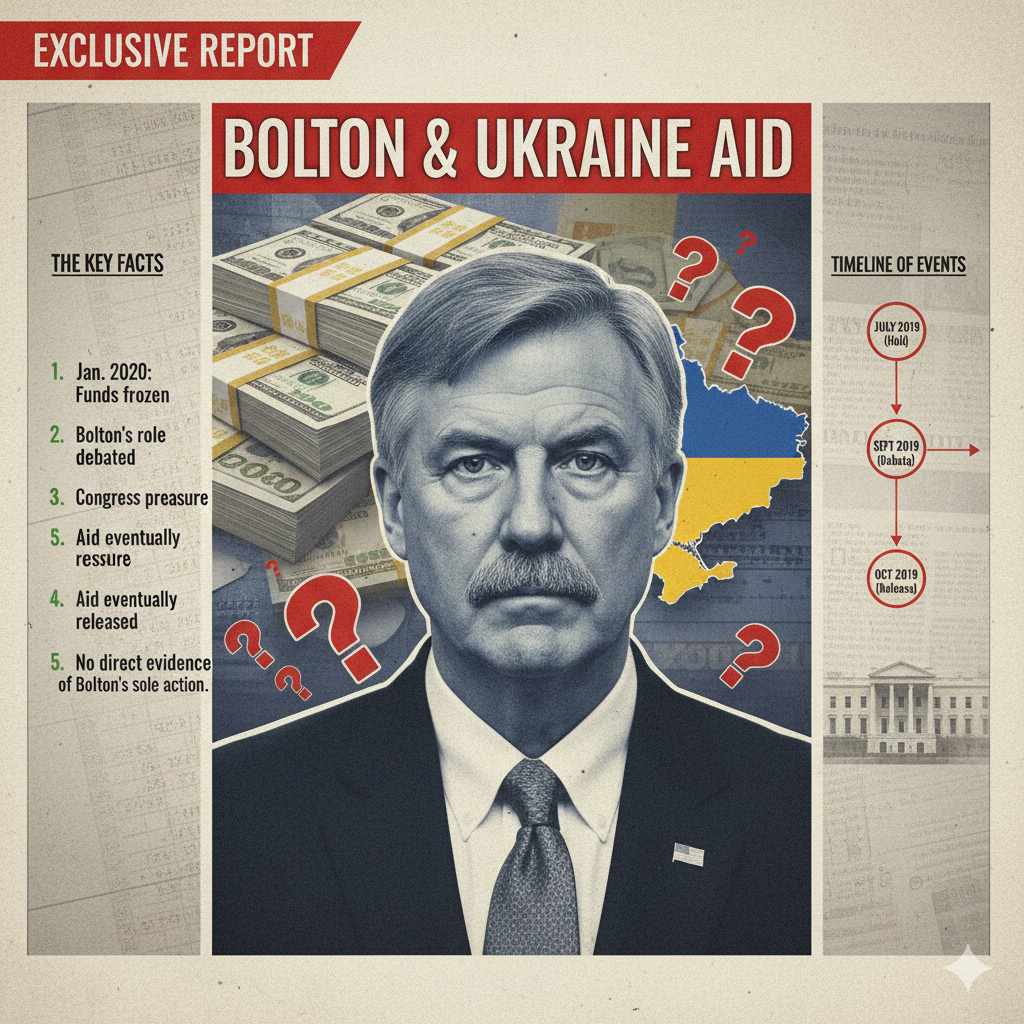
No, John Bolton did not release the aid money to Ukraine. In fact, he strongly opposed the decision to withhold the aid and argued for its release. The aid was ultimately released on September 11, 2019, one day after Bolton had already left his position as National Security Advisor.
Have you ever heard a news story and felt like you were missing a key piece of the puzzle? The story about U.S. aid to Ukraine in 2019 is one of those. Many people were involved, and the details can get confusing. You might have heard John Bolton’s name and wondered about his exact role. Did he approve the aid? Did he block it? It’s a common point of confusion.
Don’t worry, we are going to clear it all up. This guide will walk you through the key facts in simple, easy-to-understand steps. We will look at what the aid was for, why it was held back, and what John Bolton actually did. By the end, you will have a clear picture of this important event.
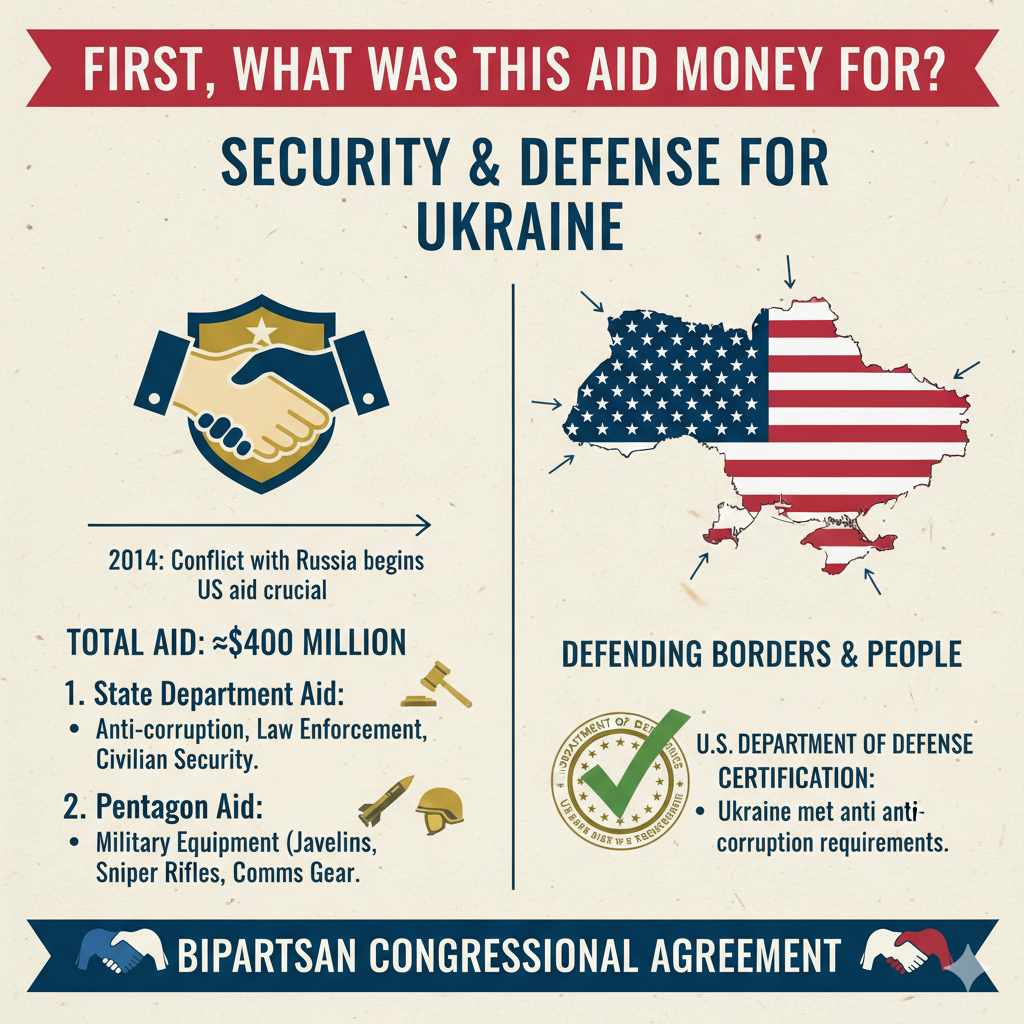
First, What Was This Aid Money For?
Before we dive into who did what, it helps to understand the aid itself. This wasn’t just a simple cash payment. It was a significant support package approved by the U.S. Congress to help Ukraine. The main purpose was to strengthen Ukraine’s security and defense.
Ukraine has been in a conflict with Russia since 2014. The aid from the United States was crucial for helping Ukraine defend its borders and its people. Think of it as providing the necessary tools and training to a friend in need.
The total aid package was nearly $400 million. It was divided into two main parts:
- State Department Aid: This portion was for things like anti-corruption programs, law enforcement training, and civilian security.
- Pentagon Aid: This was military aid, including equipment like Javelin anti-tank missiles, sniper rifles, and communications gear.
Both parts were considered vital. The U.S. Department of Defense had certified that Ukraine was meeting the anti-corruption requirements needed to receive the aid. For years, providing this support had bipartisan agreement in Congress, meaning both major political parties supported it.
| Type of Aid | Amount (Approximate) | Purpose |
|---|---|---|
| Department of Defense (Pentagon) | $250 million | Military equipment, training, and lethal defensive weapons. |
| Department of State | $141 million | Security assistance, law enforcement support, and anti-corruption efforts. |
Why Was the Aid Suddenly Put on Hold?
In the summer of 2019, things changed. In July, President Donald Trump ordered the aid to be frozen. The official order came from the Office of Management and Budget (OMB), which controls government spending. This move surprised many officials in the government, including diplomats and military leaders.
The reason for the hold became a central point of a major political investigation. President Trump expressed concerns about corruption in Ukraine. He also wanted European countries to contribute more to Ukraine’s defense. However, testimony and reports later revealed another reason. The President and some of his associates were also interested in Ukraine announcing two specific investigations:
- An investigation related to a Ukrainian energy company, Burisma, where the son of his political rival, Joe Biden, had served on the board.
- An investigation into a disproven theory that Ukraine, not Russia, had interfered in the 2016 U.S. election.
These requests were most famously made during a phone call on July 25, 2019, between President Trump and Ukrainian President Volodymyr Zelensky. The hold on the aid was seen by many as leverage to pressure Ukraine into announcing these investigations. This situation is what sparked a whistleblower complaint and eventually led to an impeachment inquiry in the U.S. House of Representatives. You can read a declassified version of the whistleblower complaint on the U.S. House Intelligence Committee’s website right here.
What Was John Bolton’s Role in All This?
Now we get to the main question: where did John Bolton fit in? As the National Security Advisor, Bolton was one of the President’s top advisors on foreign policy and defense. His job was to provide information and recommendations to keep the country safe.
From the very beginning, John Bolton was against holding the aid. He believed that supporting Ukraine was critical for U.S. national security interests, especially to counter Russian aggression in the region. He saw the aid as a vital tool for a key strategic partner.
According to testimony from other officials and details from Bolton’s own book, “The Room Where It Happened,” he took several steps to try and get the aid released.
Bolton’s Actions Against the Hold
- He Argued Directly with the President: Bolton repeatedly advised President Trump that releasing the aid was the right thing to do for U.S. interests.
- He Convened Meetings: He organized meetings with other top officials, like Secretary of State Mike Pompeo and Secretary of Defense Mark Esper, to build a unified front to convince the President to release the funds.
- He Voiced His Discomfort: Fiona Hill, a former top Russia expert on the National Security Council, testified that Bolton was very alarmed by the effort to pressure Ukraine. She recalled him describing the situation as a “drug deal” that he wanted no part of.
- He Never Supported the Freeze: At no point did Bolton support the decision to freeze the aid. He saw the move as dangerous and not based on any sound national security strategy.
It is very important to understand that the National Security Advisor does not have the power to release funds. That authority lies with the President and is carried out by agencies like the OMB. Bolton could advise, argue, and persuade, but he could not sign a paper to release the money himself. His role was to be a voice of opposition from inside the White House.
A Clear Timeline: Bolton’s Departure and the Aid Release
The timing of events makes it very clear that Bolton did not release the aid. The sequence is everything. Looking at the key dates helps remove all the confusion. A simple timeline shows exactly what happened and when.
| Date | Event | John Bolton’s Status |
|---|---|---|
| Mid-July 2019 | The Office of Management and Budget (OMB) officially freezes the Ukraine aid at President Trump’s direction. | National Security Advisor, actively opposing the hold internally. |
| Late August 2019 | News of the aid hold begins to become public knowledge, causing concern in Congress. | National Security Advisor, continuing to push for the aid’s release. |
| September 9, 2019 | Three House committees announce an investigation into the hold on the aid money. | National Security Advisor. This is his last full day in the job. |
| September 10, 2019 | John Bolton leaves his position as National Security Advisor. | No longer in the White House. |
| September 11, 2019 | The White House informs Congress that the aid will be released. | Private citizen. |
| September 12, 2019 | The OMB officially releases the hold on the funds. | Private citizen. |
As you can see, the decision to release the aid came the day after John Bolton left his job. He was not in the government when the money was finally unfrozen. The release happened due to growing pressure from Congress, government officials, and the public.
Why Is There So Much Confusion About This?
If the facts are this clear, why do people still ask if Bolton released the aid? The confusion is understandable. Political stories with many characters and fast-moving events can be hard to follow. There are a few key reasons for the mix-up.
Bolton’s Role in the Impeachment Inquiry
After he left the White House, John Bolton became a central figure in the impeachment inquiry against President Trump. Many officials testified about his strong opposition to the aid hold. Congress wanted to hear from him directly, but he did not testify at the time. His name was in the news constantly, connecting him to the Ukraine aid story in a major way. Because he was such a prominent critic of the hold, some people may have assumed he had a role in ending it.
His Book, “The Room Where It Happened”
In 2020, Bolton published a book that provided a detailed, behind-the-scenes account of his time in the White House. A large part of the book focused on the Ukraine issue. He confirmed his deep disagreement with the President’s actions. The book made huge headlines and put him back in the center of the story. This reinforced the connection in people’s minds between Bolton and the Ukraine aid, even if the details of his role weren’t always clear in the news coverage.
The Complexity of Government Roles
The inner workings of the U.S. government can be complex. It’s not always obvious who has the power to do what. The title “National Security Advisor” sounds very powerful, so it’s natural to think that person could control something like foreign aid. However, as we’ve seen, his role was advisory. The final decision-making and budgetary power rested elsewhere. This misunderstanding of government roles is a common source of confusion on many topics.
Key Takeaways: The Simple Facts
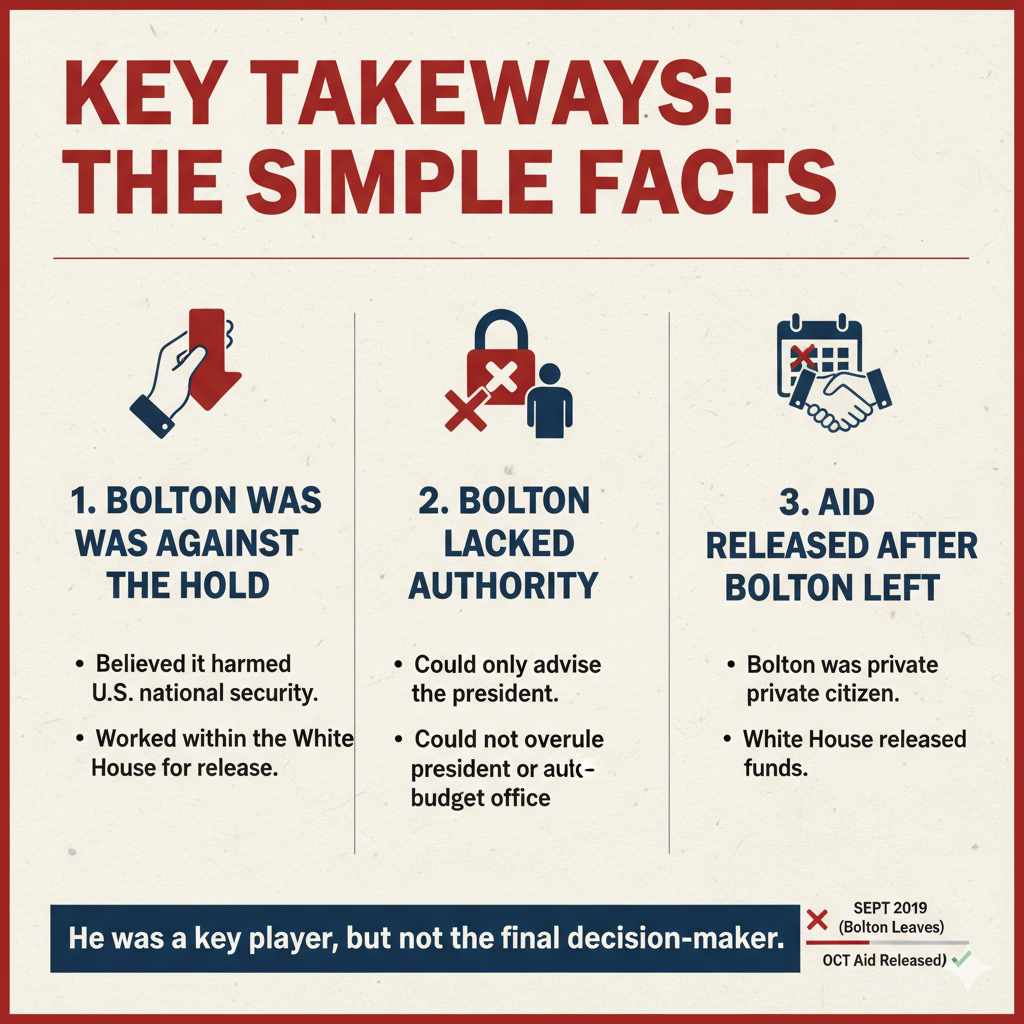
Let’s boil it all down to the most important points. If you remember nothing else from this guide, remember these three things:
- John Bolton was against the aid hold. He believed holding the money was a mistake that harmed U.S. national security. He worked from within the White House to get the aid released.
- Bolton did not have the authority to release the aid. As National Security Advisor, he could only advise the president. He could not overrule the president or the budget office.
- The aid was released after Bolton left his job. The timeline is clear. John Bolton was a private citizen when the White House finally decided to release the nearly $400 million in aid to Ukraine.
Understanding these facts helps you see the complete picture. It shows that while Bolton was a key player in the discussions, he was not the person who made the final decision to release the funds.
Frequently Asked Questions (FAQ)
1. So, did Bolton release the aid money to Ukraine?
No. John Bolton was a strong opponent of the decision to freeze the aid and argued for its release, but he did not have the authority to do so. The aid was officially released the day after he left his position as National Security Advisor.
2. Why did John Bolton leave the White House?
John Bolton and President Trump had numerous disagreements on major foreign policy issues, including how to handle North Korea, Iran, and Afghanistan. The Ukraine aid hold was one of many points of friction. President Trump announced on Twitter that he had fired Bolton, while Bolton maintained that he had offered to resign the night before.
3. What was the “drug deal” Bolton mentioned?
According to testimony from his former aide, Fiona Hill, Bolton used the term “drug deal” to describe the effort by other officials to pressure Ukraine into conducting investigations for the President’s political benefit. He saw it as an improper and dangerous action separate from official U.S. foreign policy.
4. How much money was the aid package?
The total aid package was approximately $391 million. This was divided between the Department of Defense ($250 million) for military hardware and the State Department ($141 million) for broader security initiatives.
5. Was the aid ever actually given to Ukraine?
Yes. After the hold was lifted in September 2019, the full amount of aid was delivered to Ukraine. The funds were used for their intended purposes of bolstering Ukraine’s defense and security.
6. Who actually made the decision to release the aid?
The decision to release the aid was ultimately made by President Trump. The release came after intense pressure from Congress, bipartisan lawmakers, and officials within his own administration, and as the issue was becoming a major public scandal.
7. What is the Office of Management and Budget (OMB)?
The OMB is a White House agency that manages the federal budget. It was the OMB that officially put the “hold” on the Ukraine aid funds, following a directive from the President. It is one of the most powerful agencies in the executive branch. You can learn more about its function at the official White House website.
Conclusion: A Clear Answer
The question of “did Bolton release the aid money to Ukraine” has a very clear answer: he did not. In fact, the evidence shows he was one of the loudest voices inside the White House arguing against the hold. He saw the security assistance to Ukraine as a critical part of U.S. foreign policy and fought to have it restored.
The timeline of events proves that the aid was released only after he had departed from his role as National Security Advisor. The confusion surrounding his role often stems from his vocal opposition and his central place in the news coverage that followed, especially during the impeachment inquiry and after the release of his book.
Understanding the facts of this story is not just about one person or one event. It’s about seeing how government works, how decisions are made, and how different officials can play very different roles. By breaking it down into simple facts and a clear timeline, the picture becomes much less confusing. You now have a solid understanding of what really happened with John Bolton and the aid to Ukraine.