

Yes, the Pentagon is actively releasing aid to Ukraine. Following the passage of a major aid package in April 2024, weapons and supplies are being delivered. However, the process is ongoing, and deliveries happen in stages, not all at once. This aid is critical for Ukraine’s defense efforts.
You may have heard a lot of news about U.S. aid for Ukraine. One minute it seems stuck, and the next, it’s on its way. This can be confusing. Many people wonder if the money and weapons have actually been sent. The good news is, you don’t need to be a political expert to understand what’s happening.
We are here to help clear things up. This guide will walk you through the essential facts in simple, easy-to-understand terms. We will explain what the aid package is, how the Pentagon sends help, and what is being delivered. You will get a clear picture of the entire process, step by step.
What is the Ukraine Aid Package? A Simple Breakdown
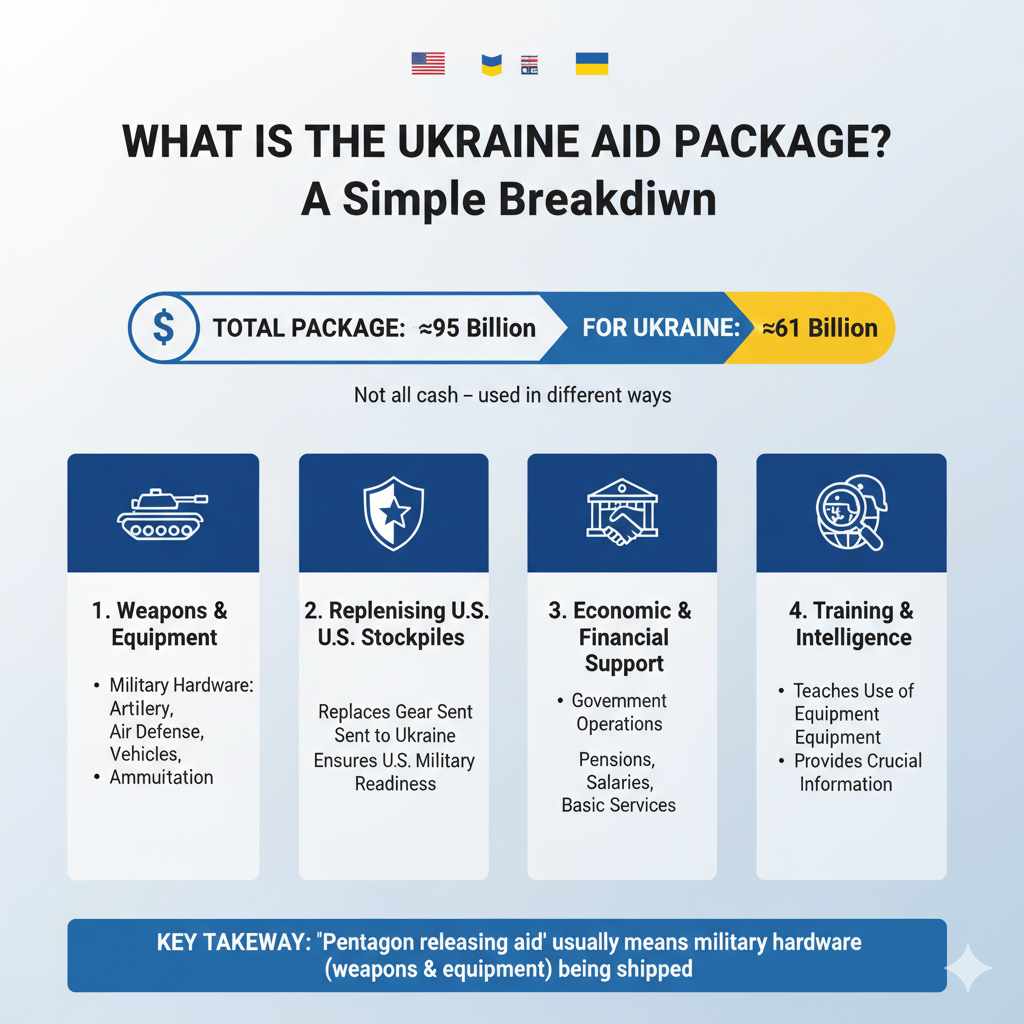
In April 2024, the U.S. government approved a large funding bill to help several countries, with a significant portion dedicated to Ukraine. While the total package was around $95 billion, about $61 billion was set aside for Ukraine-related needs. But it’s important to know that not all of this money is sent directly to Ukraine in cash.
Instead, the money is used in different ways to support Ukraine’s defense. Think of it like a big budget with different spending categories. The goal is to provide military equipment, training, and economic support to help Ukraine defend itself.
Here’s a simple look at where the money goes:
- Weapons and Equipment: The largest part of the funding is for military hardware. This includes everything from bullets and artillery shells to advanced air defense systems and armored vehicles.
- Replenishing U.S. Stockpiles: Some of the money is used to replace the weapons and ammunition that the U.S. sends to Ukraine from its own military reserves. This ensures the U.S. military stays ready.
- Economic and Financial Support: A portion helps the Ukrainian government continue to operate. This can include paying for things like pensions, salaries for first responders, and keeping basic services running.
- Training and Intelligence: Funds are also used to train Ukrainian soldiers on how to use the equipment they receive and to provide valuable intelligence support.
Understanding this breakdown is key. When you hear about the Pentagon releasing aid, it usually refers to the military part of this package—the weapons and equipment that are being shipped out.
How Does the Pentagon Send Aid to Ukraine?
The Pentagon doesn’t just load everything onto one big plane. It uses two main methods to get military aid to Ukraine. Each method has a different purpose and timeline. Knowing the difference helps explain why some aid arrives quickly while other items take more time.
Presidential Drawdown Authority (PDA)
This is the fastest way to send aid. The Presidential Drawdown Authority, or PDA, allows the President to take weapons, ammunition, and equipment directly from existing U.S. military stockpiles and send them to a partner nation in an emergency.
Think of it like this: if a friend needs flour to bake a cake right now, you would give them a bag from your own pantry. You wouldn’t go to the store and buy a new one for them. That’s what a drawdown is. It’s quick and provides immediate help.
The Pentagon has used PDA many times to rush critical supplies to Ukraine. This is often what you hear about in the news when a new aid package is announced and shipments begin within days.
Ukraine Security Assistance Initiative (USAI)
The second method is the Ukraine Security Assistance Initiative, or USAI. Unlike a drawdown, USAI involves buying brand-new equipment from defense manufacturers. The U.S. government places an order with a company, the company builds the equipment, and then it’s sent to Ukraine.
Using our baking analogy again, this is like ordering flour online for your friend. It won’t arrive today, but it’s on its way. This method is slower but has important benefits. It doesn’t take from U.S. military stocks, and it supports the defense industry. USAI is often used for more complex systems or to plan for Ukraine’s long-term defense needs.
Here is a table that makes the difference clear:
| Feature | Presidential Drawdown Authority (PDA) | Ukraine Security Assistance Initiative (USAI) |
|---|---|---|
| Source of Equipment | Existing U.S. military stockpiles | New equipment from manufacturers |
| Speed of Delivery | Very fast (days to weeks) | Slower (months to years) |
| Best For | Urgent, immediate battlefield needs | Long-term defense and planning |
| Impact on U.S. Stocks | Temporarily reduces U.S. stockpiles | Does not affect U.S. stockpiles |
So, Has the Aid Actually Been Released? Tracking the Shipments
Yes, aid started moving very quickly after the $61 billion package was signed into law. The Pentagon announced the first new shipments almost immediately, using the fast PDA method to get critical supplies to the front lines as soon as possible.
For example, within days of the bill’s passage, the U.S. Department of Defense announced a $1 billion package. This package was designed to meet Ukraine’s most urgent needs and included items that could be sent right away.
Some of the first items released include:
- Air Defense Missiles: Crucial for protecting Ukrainian cities and troops from air attacks.
- Artillery Shells: 155mm and 105mm rounds, which are essential for holding defensive lines.
- HIMARS Rockets: Ammunition for the highly effective High Mobility Artillery Rocket Systems.
- Armored Vehicles: Including Bradley Infantry Fighting Vehicles and Mine-Resistant Ambush Protected vehicles (MRAPs).
- Anti-Tank Weapons: Javelin and TOW missiles to counter armored threats.
It’s important to remember that “released” means the package has been approved and the process of gathering and shipping has begun. The logistics are complex. Equipment is gathered from bases around the world, loaded onto planes and ships, and transported into Ukraine through neighboring countries. This process is continuous, with new shipments arriving regularly.
Why Was There a Delay in the First Place?
You might be wondering why this new aid package took so long to get approved. The delay was due to a lengthy political debate in the U.S. Congress. For several months, lawmakers debated the size and scope of the aid package. There were disagreements about funding priorities and how best to support Ukraine while also addressing other national issues.
This period of uncertainty created major challenges for Ukraine. Without a steady supply of ammunition and weapons from the U.S., Ukrainian forces had to ration shells and conserve resources. This made it very difficult for them to defend against attacks and hold their ground on the front lines.
The final passage of the bill in April 2024 was a huge relief for Ukraine and its allies. It unlocked the flow of aid and allowed the Pentagon to restart the critical shipments that had been on hold. The delay highlighted just how important this assistance is for Ukraine’s ability to continue its defense.
What Kind of Aid is Ukraine Receiving?
The aid being sent to Ukraine is diverse and tailored to its most pressing battlefield needs. The Pentagon works closely with Ukrainian military leaders to understand what they need most. The packages include a mix of basic supplies and advanced technology.
Critical Ammunition
This is perhaps the most important category. Modern warfare uses a huge amount of ammunition, especially artillery shells. Without a constant supply, an army cannot effectively defend its territory. The new aid includes millions of rounds of ammunition for artillery, mortars, and small arms.
Air Defense Systems
Protecting soldiers and civilians from missiles, drones, and aircraft is a top priority. The U.S. is sending interceptor missiles for systems like the Patriot and the National Advanced Surface-to-Air Missile System (NASAMS). These systems are highly effective at shooting down incoming threats and saving lives.
Armored Vehicles
To move troops safely and conduct offensive operations, Ukraine needs armored vehicles. The aid packages include vehicles like the Bradley Fighting Vehicle, which can transport soldiers while providing fire support, and MRAPs, which are designed to protect against mines and ambushes.
Here is a table showing some examples of the equipment and its main job on the battlefield:
| Equipment Type | Example | Primary Role on the Battlefield |
|---|---|---|
| Artillery | 155mm Shells | Provide long-range fire to attack enemy positions and support troops. |
| Air Defense | Patriot Missiles | Intercept and destroy incoming ballistic missiles and aircraft. |
| Armored Vehicle | Bradley Fighting Vehicle | Transport soldiers safely and provide direct fire support in combat. |
| Anti-Tank Weapon | Javelin Missile | Destroy enemy tanks and other armored vehicles from a distance. |
| Logistics | Tactical Vehicles | Transport supplies, fuel, and ammunition to the front lines. |
How Does This Aid Make a Difference on the Ground?
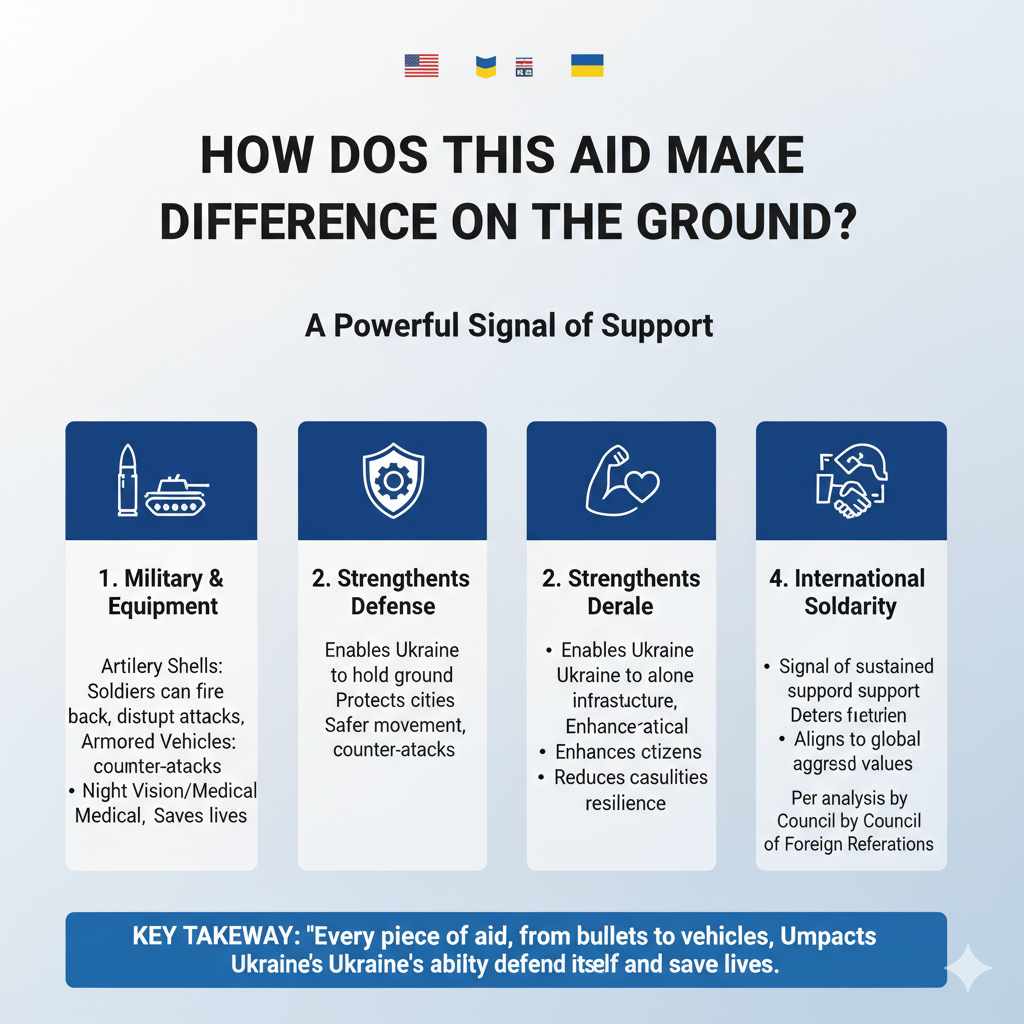
Each piece of equipment sent to Ukraine has a direct impact. When you hear about a shipment of 155mm artillery shells, it means Ukrainian soldiers can fire back at enemy positions instead of having to retreat. It means they can disrupt enemy attacks and better protect their own lines.
When a new shipment of air defense missiles arrives, it means another Ukrainian city has a better chance of protecting its power plants, hospitals, and homes from destruction. It gives civilians a greater sense of security and allows the country to function.
Armored vehicles allow Ukrainian forces to maneuver more safely and effectively. They can be used to transport troops to where they are needed most or to lead counter-attacks to reclaim territory. Every piece of equipment, from a night vision device to a medical kit, plays a role in saving lives and strengthening Ukraine’s defense.
The aid is not just about equipment; it is also a powerful signal of support. It boosts the morale of Ukrainian soldiers and citizens, showing them that they are not alone in their fight. According to analysis from institutions like the Council on Foreign Relations, consistent international support is a crucial factor in Ukraine’s resilience.
FAQ: Your Questions About Ukraine Aid Answered
Is all of the $61 billion going directly to Ukraine?
No, not all of it goes directly to the Ukrainian government. A large portion is used by the U.S. to buy new weapons for Ukraine (USAI) and to replace equipment sent from U.S. stockpiles. This approach supports Ukraine’s defense while also maintaining U.S. military readiness.
How long will it take for all the aid to arrive?
It will not arrive all at once. Aid sent via Presidential Drawdown Authority (PDA) arrives quickly, often within weeks. Aid procured through the Ukraine Security Assistance Initiative (USAI) takes much longer—months or even years—because the equipment has to be manufactured first.
Who decides what specific aid to send?
The decision is a collaborative process. The U.S. Department of Defense and the Department of State work very closely with Ukrainian military officials. Ukraine makes requests based on its most urgent battlefield needs, and the U.S. determines what it can provide from its own stocks or procure from manufacturers.
Is the U.S. the only country sending aid?
No, the U.S. is the largest single provider of military aid, but many other countries are also providing significant support. European nations, Canada, Australia, and others have sent weapons, financial aid, and humanitarian assistance. This international coalition is vital to supporting Ukraine.
How is the aid tracked to prevent misuse?
The U.S. has several oversight and tracking measures in place. This includes personnel in Ukraine who help monitor the equipment, as well as strict reporting requirements. The goal is to ensure that the aid is used for its intended purpose. The Congressional Research Service provides detailed reports on these accountability measures.
What happens when this aid package runs out?
This is an ongoing concern. The current aid package is designed to support Ukraine for a significant period, but the duration depends on the intensity of the conflict. Future support will likely require additional legislation and funding approval from the U.S. Congress and partner nations.
Where can I find official information on aid to Ukraine?
For the most reliable and up-to-date information, it is best to consult official sources. The U.S. Department of Defense website (defense.gov) and the U.S. Department of State website (state.gov) regularly publish press releases and fact sheets detailing the aid packages.
Conclusion: What to Remember About U.S. Aid to Ukraine
Navigating the news about military aid can feel complicated, but the core facts are straightforward. The Pentagon is actively releasing the aid to Ukraine that was approved in the major 2024 funding package. This process is well underway, with critical weapons and ammunition already making a difference on the battlefield.
Remember that the aid arrives in waves, not all at once. Some of it comes quickly from U.S. stockpiles, while other equipment is newly built and takes longer to arrive. This steady flow is designed to meet both Ukraine’s immediate needs and its long-term defense goals.
This support is a lifeline for Ukrainian soldiers and civilians, providing them with the tools they need to protect their homes and their future. By understanding these key facts, you now have a much clearer picture of how the U.S. is helping Ukraine in its ongoing struggle for freedom and security.