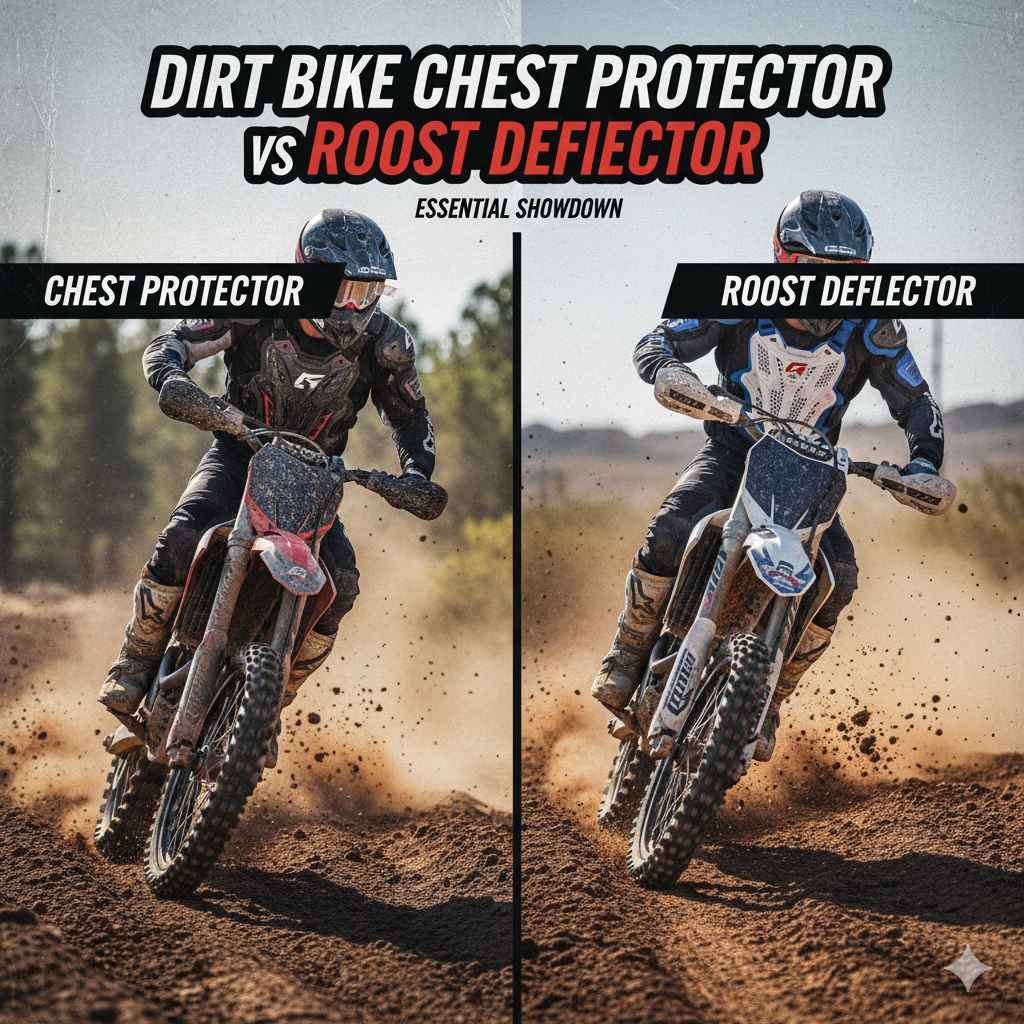
Dirt Bike Chest Protector Vs Roost Deflector: Essential Showdown
Dirt bike chest protectors offer full upper body coverage against impacts and roost, while roost deflectors focus only on chest and back protection from flying debris. Beginners often choose the lighter roost deflector, but the full chest protector provides superior, all-around safety for aggressive riding or racing.
Welcome to the track! Buying your first pieces of protective gear can feel like learning a whole new language. You hear terms like “chest protector” and “roost deflector,” and they sound similar, leading to confusion. Which one do you actually need for safe riding? Don’t worry; this is a very common sticking point for new dirt bike riders.
We are going to break down the differences simply. Think of me as your friendly coach, ready to explain exactly what each piece does and when you should use it. By the end of this guide, you will know precisely which piece of armor is right for your skill level and riding style.
Let’s clear up the confusion and get you protected so you can focus on having fun and improving your skills!
Dirt Bike Chest Protector Vs Roost Deflector: The Essential Showdown
When you gear up for dirt biking, protection is non-negotiable. The biggest question new riders face is what kind of upper body armor to wear. While both items guard your core, they are designed for different levels of protection and coverage. Understanding the distinction between a full chest protector and a simple roost deflector is crucial for making the right investment in your safety.
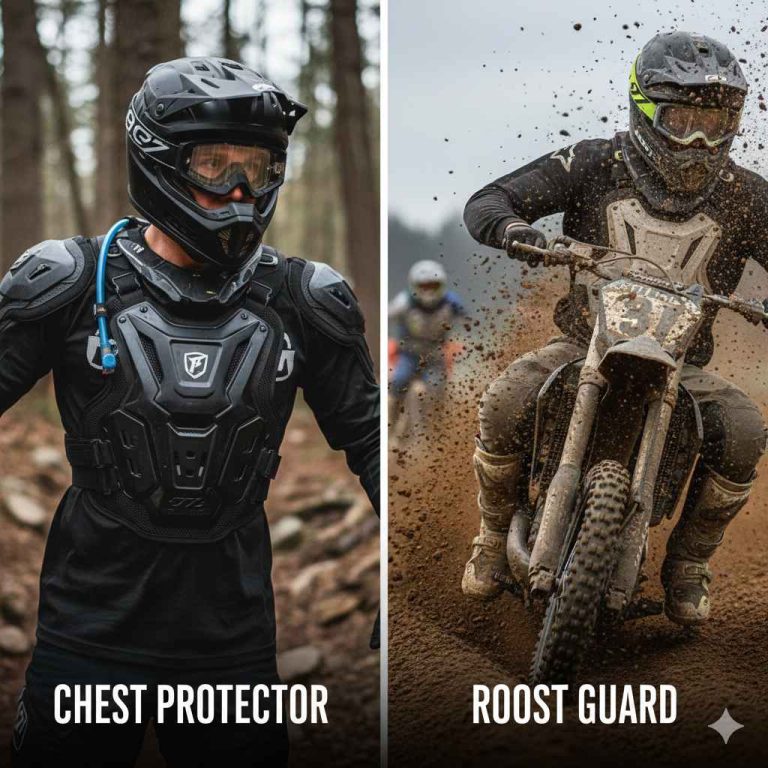
What is a Roost Deflector? (The Minimalist Guard)
A roost deflector is the lighter, more minimal option. Its main job is to protect your chest and back from “roost”—the spray of rocks, dirt, and debris kicked up by the rear tire of the bike ahead of you. Imagine riding behind someone whose back tire is throwing gravel at highway speed; that’s what this gear fights against.
Roost deflectors are typically made of a hard plastic shell mounted on a foam or lightweight plastic base. They often sit higher on the shoulders or are designed to be worn under a jersey.
Key Features of a Roost Deflector:
- Focus: Direct protection against flying debris (roost).
- Coverage: Primarily covers the sternum, upper chest, and upper back.
- Design: Very light and less bulky.
- Wearability: Often designed to work well with neck braces.
- Ventilation: Usually offers excellent airflow due to minimal material.

What is a Full Dirt Bike Chest Protector? (The Complete Armor)
A full dirt bike chest protector is the heavyweight champion of upper body protection. It does everything a roost deflector does—protects against roost—but adds significant coverage against hard impacts, like hitting a tree, falling over, or getting hit by a bike.
These protectors cover much more real estate. They extend lower down your torso, wrap further around your ribs, and often include shoulder and sometimes even bicep padding. They are built with multiple hinged panels to allow movement while offering comprehensive coverage.
Key Features of a Full Chest Protector:
- Focus: Protection from both roost and significant impact forces.
- Coverage: Includes chest, sternum, back, ribs, and often shoulders/biceps.
- Design: More robust, featuring hard plastic plates over energy-absorbing foam.
- Adjustability: Features extensive strapping systems for a secure fit.
- Compatibility: Must be worn over the jersey, or sometimes the jersey fits over it.
Dirt Bike Chest Protector Vs Roost Deflector: Side-by-Side Comparison
To make the choice clear, let’s lay out the pros and cons of each piece side by side. This comparison will help you weigh coverage against comfort and cost.
| Feature | Roost Deflector | Full Chest Protector |
|---|---|---|
| Primary Role | Deflecting flying debris (roost). | Impact absorption and roost protection. |
| Coverage Area | Chest/Sternum and upper back only. | Chest, back, ribs, shoulders, and sometimes arms. |
| Bulk/Weight | Low bulk, very lightweight. | High bulk, noticeably heavier. |
| Neck Brace Compatibility | Excellent; designed to fit well with braces. | Good, but can sometimes interfere with fit depending on the model. |
| Beginner Suitability | Good for casual trail riding or low speeds. | Recommended for all new riders in any situation. |
| Cost | Generally less expensive. | Generally more expensive due to more materials. |
When Should a Beginner Choose Which Protector?
As a beginner, safety should always come first. While a roost deflector seems attractive because it’s lighter and cheaper, we generally steer new riders toward more coverage, especially when learning in group settings or on busy tracks.
Why Beginners Should Lean Towards a Full Chest Protector:
When you are new to dirt biking, falls are part of the learning curve. You haven’t developed the muscle memory to keep your body upright perfectly yet. A full chest protector shields your ribs and sternum from direct impact with the ground, handlebar ends, or pegs when you inevitably tip over.
Furthermore, if you ride with friends or follow experienced riders, you will catch roost. Even small stones hitting your bare chest or just a thin jersey at speed can be painful and cause bruising. The full protector removes that distraction entirely.
- Learning Curve Protection: You will fall; the protector manages those impacts better.
- Rib Protection: Rib injuries are nasty and take a long time to heal. Full protectors offer critical rib cage coverage.
- Long-Term Investment: While more expensive initially, upgrading later means you might sell your basic roost deflector. Start with comprehensive protection.
- Neck Brace Integration: Many high-quality chest protectors offer better mounting points or dedicated clearance for integrating a neck brace (a very important safety device, especially for motocross).
When is a Roost Deflector Sufficient?
A roost deflector might be adequate only in very specific, low-risk scenarios for a rider who has developed some skill:
- Riding solo on remote, well-maintained trails where impact risk is minimal.
- Riding at very slow, beginner paces where full-throttle roost isn’t an issue.
- Riders who prioritize ventilation heavily and ride exclusively in extreme heat, provided they accept the lower impact protection.
Coach Salman’s Takeaway: If you are practicing jumps, riding tracks, or riding in groups, skip the roost deflector for now. Go for the full chest protector. The small discomfort of added weight is nothing compared to a broken rib.
Focusing on Fit: Ensuring Your Gear Works
No matter which style you choose—chest protector or roost deflector—if it doesn’t fit correctly, it won’t protect you properly. Poorly fitting armor shifts around during a crash, leaving vital areas exposed.
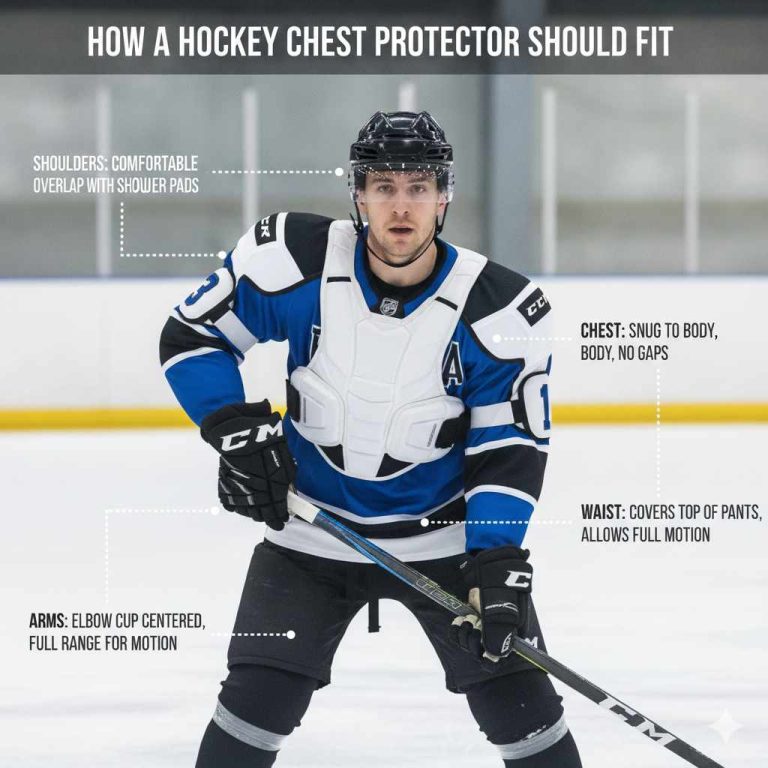
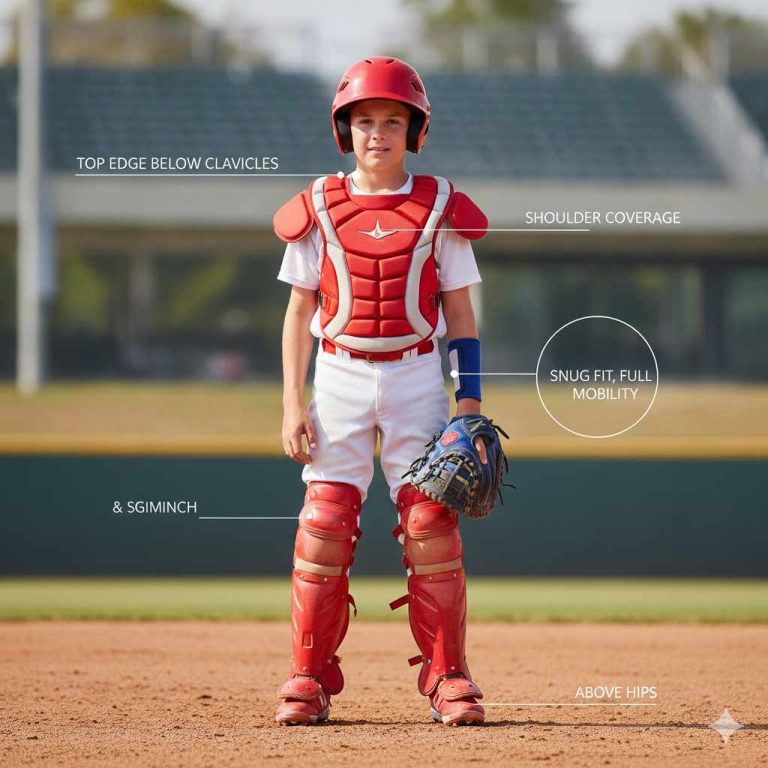
How to Properly Fit Your Chest Protector (or Deflector)
Getting the fit right is just as important as the brand or price tag. Follow these steps to ensure your armor stays put when you need it most.
- Try Before You Buy (If Possible): Wear your typical riding jersey underneath the protector when testing the fit.
- Check Coverage: Ensure the bottom edge sits securely over your abdomen/waist area without riding up when you bend forward. The top edge should not restrict your neck or shoulders when looking up.
- Strap Check: Tighten all the shoulder and side straps. You should be able to fit one finger snugly under the straps, but no more. The armor should feel snug but not restrict your breathing or movement excessively.
- Shoulder Cup Placement: If the unit has shoulder pieces, they must sit squarely over your actual shoulder joint. If they are too far inward, they won’t protect the joint during a fall.
- Test Movement: Reach your arms forward as if reaching for the handlebars. The protector should move with your body, not slide independently of you.
Understanding Protection Standards and Materials
Dirt bike protective gear adheres to certain safety standards, though often less strictly defined for chest protection compared to helmets. Look for certifications that indicate the gear has undergone testing for impact absorption.
Materials Matter: Hard Shell vs. Soft Shell
Most quality upper body protection uses a combination of materials. Understanding these helps you appreciate the value in a pricier piece of gear:
- Polypropylene/ABS Plastic (Hard Shell): This outer layer is what takes the initial hit. It is designed to spread the force of an impact over a larger surface area. The harder the plastic, the more durable it generally is against sharp objects.
- Foam Padding (Impact Absorption): This is the cushioning layer, usually high-density foam or specialized impact foam like EVA. Its job is to crush slightly during an impact, absorbing the energy before it reaches your body. Better protectors use multi-density foam that compresses progressively.
- Vented Panels: Modern protectors feature numerous cutouts and mesh panels to allow air to flow, preventing overheating. This is a major advantage over older, solid plastic designs.
For a fantastic resource on safety in motorsports, you can look at general guidelines from safety organizations, such as those often supported by institutions focusing on sports safety research. While specific dirt bike certifications vary, understanding energy absorption principles is key. For instance, organizations like the National Highway Traffic Safety Administration (NHTSA) provide general knowledge on impact forces that govern all protective gear design.
Neck Braces: How Protectors and Deflectors Interact
If you plan on riding motocross or jumping frequently, you should research neck braces. A neck brace supports your head and limits extreme hyperflexion or hyperextension of the neck, preventing serious spinal injuries. How your chest protector interacts with this device is vital.
Compatibility Checklist:
- Roost Deflectors and Braces: Roost deflectors are usually very thin, making them excellent for wearing directly under a neck brace without adding significant height or bulk.
- Full Chest Protectors and Braces: Many full chest protectors are designed with specific cutouts or rear supports that allow the neck brace to sit correctly on your collarbone and back without pushing your head up too high. If the brace sits too high, it won’t function correctly.
- The “Fit Sandwich”: The ideal setup for high-risk riding is often: Body -> Neck Brace -> Full Chest Protector -> Jersey. This order ensures the brace anchors properly.
If you buy a quality full chest protector, check the manufacturer’s notes on neck brace compatibility. Many brands sell adapter kits to fine-tune the height relationship between the brace and the protector.
Cost Considerations: Budgeting for Protection
As a beginner, budgeting is important. You want good protection without emptying your wallet before you even buy the bike! Here is a general guide to what you can expect to pay, keeping in mind that quality safety gear is an investment, not an expense.
| Gear Type | Entry-Level Price Range (USD) | High-End/Race Price Range (USD) |
|---|---|---|
| Roost Deflector | $40 – $75 | $80 – $120 |
| Full Chest Protector | $90 – $150 | $160 – $300+ |
Remember, while a $50 roost deflector is better than nothing, spending $100 on a reliable entry-level full protector often provides significantly better impact dispersion materials and a more secure strapping system, leading to better protection for the long run.
Maintenance and Care for Your Upper Body Armor
Whether you choose the lighter roost deflector or the heavy-duty chest protector, proper care ensures it lasts and remains effective. Plastic and foam degrade over time, especially with exposure to sweat, dirt, and sun.
Simple Cleaning Steps:
- Rinse Immediately: After every ride, spray off the heavy mud and dirt. Allowing dried mud to cake on can stress the plastic mounts.
- Hand Wash: Use mild soap (like dish soap) and lukewarm water. Gently scrub the plastic and foam. Never use harsh chemicals or abrasive brushes, as these can degrade the protective foam.
- Air Dry Only: Never put plastic armor in a washing machine or dryer. High heat breaks down plastics and foam elasticity. Hang it in a shaded, well-ventilated area to dry completely.
- Inspect Straps: Check all buckles, Velcro, and adjustment straps monthly. If the plastic is cracked or the foam is heavily compressed or crumbling, it’s time for a replacement, as its energy-absorbing capability is compromised.

FAQ: Dirt Bike Chest Protector vs. Roost Deflector Made Simple
Q1: Can I wear my chest protector over my jersey?
A: Most modern full chest protectors are designed to be worn under your jersey for a snug fit and to keep roost out of the gaps. However, some larger, older models or specific racing models might require wearing them over the jersey. Always check the manufacturer’s instructions.
Q2: Is a roost deflector okay if I only ride on flat trails?
A: If you are riding alone, slowly, and on smooth terrain where you know you won’t fall or encounter other riders kicking up debris, a roost deflector offers minimal protection. However, even on flat trails, you can crash, so many coaches still recommend the lower end of a full chest protector for rib safety.
Q3: Do I need a chest protector if I already wear a good motocross jacket?
A: Motocross jackets often have light padding, but they are not designed for hard impact absorption like a dedicated chest protector. A true chest protector uses hard plastic shells specifically engineered to handle high-force, direct hits common in dirt biking accidents. For anything beyond very casual riding, use a dedicated protector.
Q4: How often should I replace my dirt bike armor?
A: If you are in frequent crashes, replace it immediately if you see deep cracks in the plastic or if the foam feels permanently flattened. Generally, even with good care, most manufacturers recommend inspecting and considering replacement every 3 to 5 years due to material fatigue from sweat and UV exposure.
Q5: What is the main difference between a motocross chest protector and an enduro chest protector?
A: Motocross protectors are usually bulkier, offering maximum front/back impact protection for high-speed, high-impact racing. Enduro protectors are often lighter, prioritize ventilation (since enduro riders sweat more covering long distances), and are sometimes designed to integrate better with hydration packs.
Q6: Will a chest protector restrict my breathing while riding?
A: A properly sized and adjusted chest protector should not restrict your breathing. If it does, it means the straps are too tight, or the unit is too large for your torso, causing the lower edge to press into your stomach when you lean forward. Re-adjusting the straps usually fixes this common beginner issue.
Conclusion: Making the Confident Choice for Your Ride
We’ve covered the ground from the minimal defense of the roost deflector to the comprehensive armor of the full chest protector. As you look forward to hitting the dirt, remember that this choice is fundamentally about weighing risk against comfort.
For the beginner dirt biker—the person still mastering clutch control, learning proper body positioning, and navigating new terrain—the extra peace of mind and superior coverage offered by a full dirt bike chest protector is almost always the wiser choice. It handles the unexpected falls and the unavoidable flying rocks, allowing you to focus your mental energy on hitting your lines and enjoying the ride.
Invest wisely in protection. When your gear fits well and you trust its capability, you gain the confidence to push your limits safely. Now that you understand the difference, you can gear up feeling prepared and protected for every adventure on two wheels!