
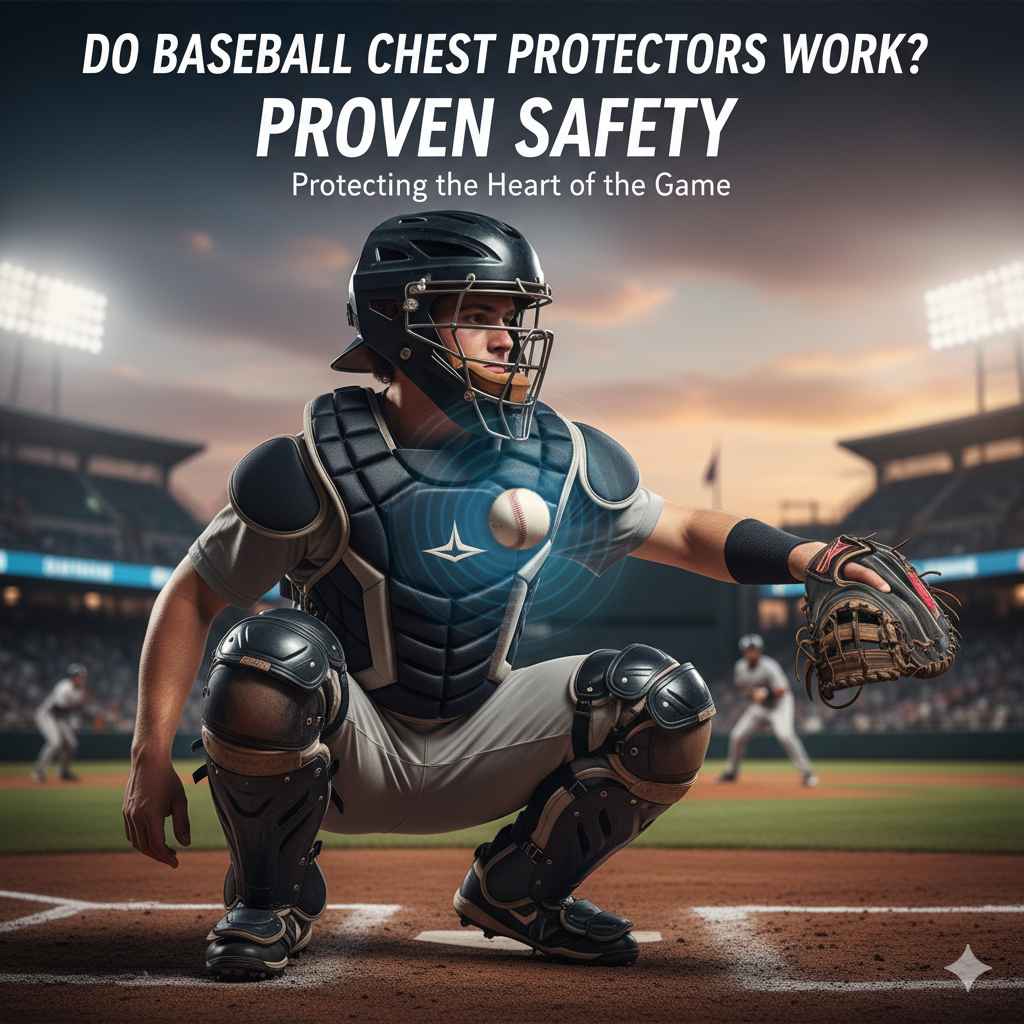
Do baseball chest protectors work? Yes, modern baseball chest protectors are highly effective safety gear. They are designed using advanced, impact-absorbing materials that significantly reduce the risk of serious injury from foul tips, wild pitches, or collisions, offering proven protection for catchers and coaches.
Welcome! If you’re new to catching or just starting to think about gear safety, you might wonder if that bulky vest really makes a difference. It’s easy to look at a chest protector and think it’s just extra padding. But when you’re standing behind the plate, taking foul balls traveling near 100 mph, reliable protection is everything. Getting the right gear shouldn’t feel confusing or overwhelming. We are here to simplify exactly how these protectors keep you safe, what makes them effective, and how to choose the best one for you. Let’s look closely at the science behind the gear so you can step onto the field with confidence.
The Essential Role of Chest Protectors in Baseball Safety
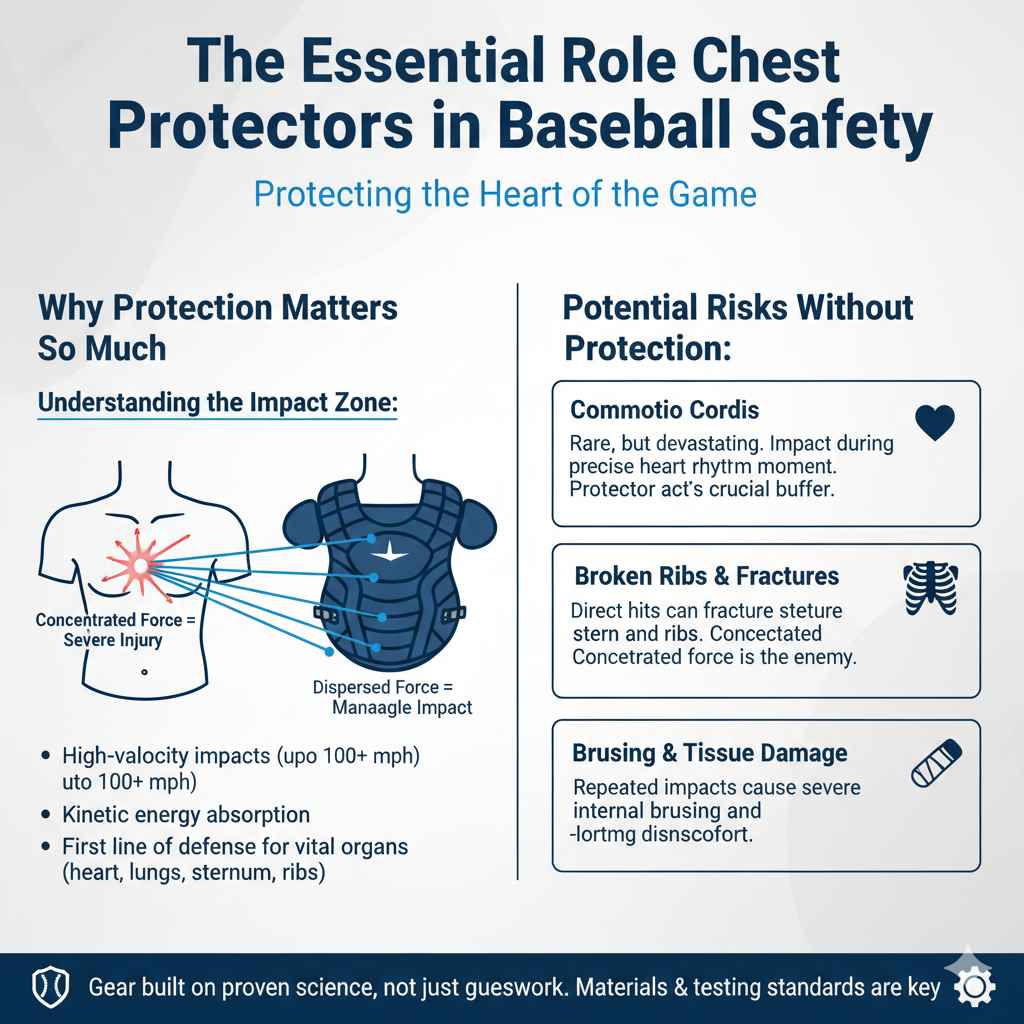
Catching is often called the toughest position on the field. You are constantly exposed to high-velocity impacts. A chest protector isn’t just an option; it’s a necessity. Its primary job is to absorb and disperse kinetic energy before it reaches vital organs like the heart and lungs, or sensitive areas like the sternum and ribs.
Think of it like this: When a baseball hits a hard, flat surface, all that force goes into one tiny spot. The chest protector spreads that force out over a much larger area. This spreading action is what turns a potentially serious injury into a manageable sting. For anyone catching, this piece of equipment is your first line of defense.
Understanding the Impact Zone: Why Protection Matters So Much
When a catcher is hit by a pitch or a foul tip, the impact energy is extreme. Modern fastballs can reach speeds exceeding 100 mph. Even a glancing foul tip carries significant force. Without protection, these impacts can lead to several serious issues:
- Commotio Cordis: This rare but devastating condition occurs when a sharp, blunt impact hits the chest directly over the heart during a precise moment in the heart’s electrical cycle. A proper chest protector acts as a crucial buffer against this risk.
- Broken Ribs and Sternum Fractures: Direct, concentrated hits can easily fracture the bony structure protecting your internal organs.
- Bruising and Soft Tissue Damage: Even if nothing breaks, repeated hard hits can cause severe internal bruising and long-term discomfort.
Because the risks are so high, understanding the materials and testing standards that make a protector effective is key to making an informed choice. We need gear built on proven science, not just guesswork.
How Modern Chest Protectors Work: The Science of Safety
If you want to know if baseball chest protectors work, you need to look inside them. The effectiveness isn’t magic; it’s smart engineering using specialized materials. Today’s protectors are far beyond simple foam padding.
Key Components and Materials Used in Protection
Most high-quality chest protectors use a layered approach to absorb shock. Different materials handle different types of force:
- Outer Shell: Usually made of high-density, durable plastic or a tough synthetic fabric. This layer handles abrasion and disperses the initial shock across the surface area.
- Impact-Absorbing Core: This is the heart of the protection. Modern cores often use advanced foams, like dual-density foam or proprietary materials that compress significantly upon impact, absorbing the energy slowly rather than instantly resisting it.
- Inner Lining (Liner): A soft, moisture-wicking material rests against the player’s body. This layer adds comfort and helps manage sweat, keeping the padding stable.
Many high-end models also incorporate technologies similar to those seen in motorcycle or hockey gear. These include rigid plastic inserts or carbon fiber plating embedded within the foam layers to provide extra stiffness exactly where needed, like over the sternum.
Testing Standards: Proving the Protection
How do we know these materials actually work? They must pass rigorous testing. In the United States, safety equipment often adheres to standards set by organizations like the ASTM International (formerly American Society for Testing and Materials), which develops technical standards for many products, including sports equipment. While specific league standards can vary, the general goal is consistent:
- The equipment must withstand repeated impacts from standardized projectiles (like baseballs or weighted objects) simulating game speed.
- The force transmitted through the protector to a sensor underneath must remain below a predetermined threshold deemed safe for human tissue.
When you see protective gear that meets recognized safety standards, you can be more confident in its proven ability to work under pressure.
Types of Chest Protectors and Who Needs Them
Not every player needs the same level of protection. The requirements for a professional catcher are different from those of a Little League player or a coach practicing soft toss. Choosing the right type ensures maximum safety without sacrificing mobility.
1. Traditional Catcher’s Chest Protectors
These are the most heavily padded and are mandatory for players in competitive leagues catching high-velocity pitches. They cover the chest, abdomen, and throat area.
Who uses them: Catchers at high school, college, and professional levels.
2. Coaches’ and Umpire’s Protectors
These are often slightly lighter than full catcher’s gear but still offer substantial protection. They focus more on the chest area and may have less abdominal coverage, as they don’t typically involve squatting or taking pitches directly.
Who uses them: Coaches standing near the batter during batting practice or plate umpires.
3. Protective Vests (Sleeveless/Under-Jersey)
These are much less bulky and are designed to fit snugly under a jersey. They offer protection against lower-velocity impacts or as a secondary layer of protection against errant throws or accidental contact.
Who uses them: Players in recreational leagues, younger players, or anyone seeking minor impact relief without the bulk of full gear.
Here is a quick comparison to help you decide:
| Protector Type | Primary Use | Padding Level | Mobility |
|---|---|---|---|
| Traditional Catcher | Game play catching | Maximum | Moderate |
| Coach/Umpire | BP, Umpiring | High | Good |
| Protective Vest | Light practice, recreational play | Medium/Low | Excellent |
Sizing and Fit: The Key to Effective Protection
A chest protector that doesn’t fit correctly cannot work effectively. If it’s too large, it can shift, leaving vital areas exposed. If it’s too small, it might restrict movement or fail to cover the lower ribs.
Step-by-Step Guide to Measuring for a Chest Protector
Most manufacturers size protectors based on the length from the collarbone (suprasternal notch) down to the waist or the top of the hip bone. Always consult the specific sizing chart for the brand you are considering.
- Locate the Collarbone Notch: Find the dip at the base of your throat where your collarbones meet. This is your starting point (Point A).
- Identify the Waist/Hip Line: This is usually where the protector should naturally end—just above the belt line or where the hips begin to curve outward (Point B).
- Measure: Using a soft tape measure, measure the distance between Point A and Point B while standing straight.
- Check the Coverage: Try the protector on. You should be able to move your arms freely, and the bottom edge should cover your midsection. The sternum area must be centered.
Remember, the fit should allow for comfortable squatting and reaching. If the protector bunches up when you bend, it’s too long or sized incorrectly.
The Importance of Adjustability
Modern protectors use heavy-duty strapping systems. These adjustable straps are vital because they allow you to secure the protector tightly against your body. A snug fit ensures that when a ball hits the protector, the force is transferred directly into the padding, rather than allowing the padding to slide away from the impact point.
Look for harnesses that offer multiple adjustment points—over the shoulders, around the sides, and often a separate strap for the throat guard (if applicable).
Maintenance and Care: Keeping Your Protector Working
Even the best gear needs care. Over time, sweat, dirt, and repeated impacts can degrade the protective materials. Proper maintenance ensures your protector continues to offer the safety you rely on.
Cleaning Your Chest Protector Safely
Never throw your protector into a washing machine or dryer. The harsh spinning and high heat can break down the foam structure and ruin the plastic components.
Here is the safe cleaning method:
- Wipe Down: Use a damp cloth with mild soap (like dish soap) to wipe down the exterior shell and the inner padding. This removes surface dirt and sweat residue.
- Rinse Gently: Wipe again with a cloth dipped only in clean water to remove soap residue.
- Air Dry Completely: Hang the protector in a well-ventilated area away from direct sunlight or extreme heat. This is crucial; damp padding can foster mildew. Allow it to dry fully before storing.
Inspecting for Wear and Tear
Before every season, and periodically throughout, perform a thorough visual inspection. This is where you check if the protector is still doing its job.
What to look for:
- Cracks in Plastic: Check the outer shell for deep cracks, especially around the edges or where straps attach.
- Flattened Foam: Feel the padding. If any section feels noticeably thinner or permanently compressed where it used to be thick, that area has lost its shock-absorbing capability.
- Strap Integrity: Ensure all buckles, clips, and Velcro are strong and not frayed or broken. Loose straps mean poor fit, which equals poor protection.
If you notice significant damage to the core padding, it’s time for a replacement. Protecting your health is always worth the investment in new equipment.
Chest Protectors vs. Body Armor: What’s the Difference in Sport?
Sometimes beginners confuse sports protection with true body armor. While both aim to stop projectiles, the materials and testing standards are designed for different impact profiles. Understanding this helps set realistic expectations about what a baseball chest protector does.
| Feature | Baseball Chest Protector | Military/Police Body Armor |
|---|---|---|
| Primary Threat | Blunt force trauma (baseball impact) | High-velocity projectiles (bullets) |
| Goal of Protection | Energy dispersion and cushioning | Stopping penetration |
| Material Focus | Flexible foams, rigid plastic shells | Ceramic plates, Kevlar weave |
| Comfort/Mobility | High mobility required for athleticism | Secondary concern to penetration resistance |
As the table shows, the baseball protector is specialized for blunt force trauma from a relatively small, hard object (the ball). It focuses on cushioning the blow and spreading the load, rather than stopping a sharp, super-high-speed projectile designed to pierce materials. This focus allows for lighter, more flexible gear that athletes can actually wear comfortably for a full game.
The Legal and Safety Requirements in Youth Baseball
For younger players, safety standards are often much stricter, which is a good thing! Many governing bodies in youth sports have mandates regarding protective equipment to reduce risk during formative years.
NOCSAE Standards and Certification
While NOCSAE (National Operating Committee on Standards for Athletic Equipment) is most famous for its standards regarding baseball helmets, the principle of certified safety testing applies broadly. Look for confirmation that the gear you buy meets modern recognized safety benchmarks. Organizations like the American Youth Baseball Congress (AYBC) often require specific padding standards for catchers.
When purchasing gear for younger athletes, always check with the league director or governing body first. They will specify if there are non-negotiable standards for chest length, throat guard attachment, or impact rating. Adhering to these requirements directly confirms that the equipment is certified to work against the expected forces in that age group’s play.
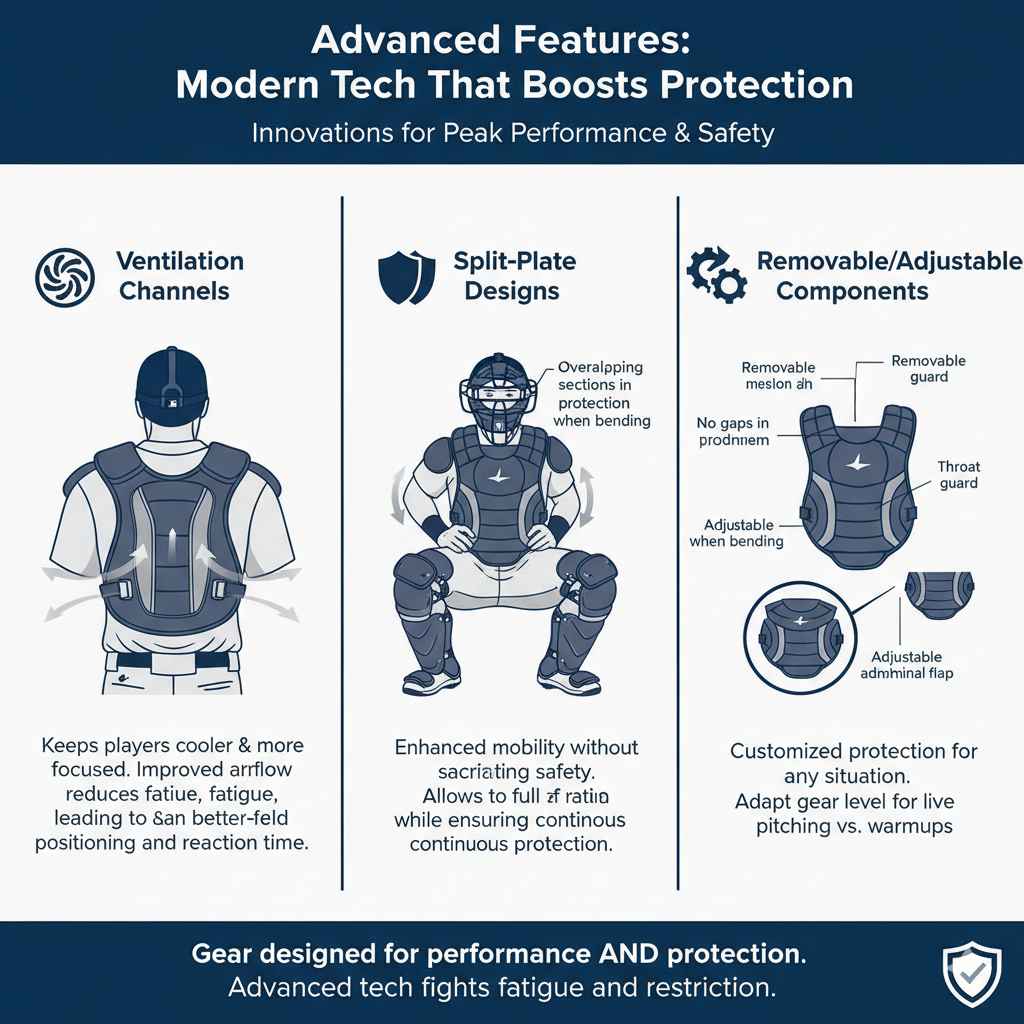
Advanced Features: Modern Tech That Boosts Protection
Manufacturers are constantly innovating. If you are investing in a top-tier protector, you might encounter newer features designed to enhance the core safety function:
- Ventilation Channels: While not directly impact-related, excellent airflow keeps the player cooler. A cooler player is a more focused player, and focus leads to better positioning—which is its own form of safety!
- Split-Plate Designs: Instead of one solid piece, many protectors have overlapping plates, especially in the abdomen area. This allows for a better range of motion when squatting while ensuring that even when bent, there is no gap between protective sections.
- Removable/Adjustable Components: Some high-end models allow you to remove or adjust the throat guard or the abdominal flap. This means you can customize the protection level based on whether you are catching live pitching or just throwing warmups.
These features ensure that the protector doesn’t just protect you from impact; it protects you from fatigue and restriction, allowing you to perform your best.
Frequently Asked Questions (FAQ) About Baseball Chest Protectors
Q1: Do I need a chest protector if I am just coaching batting practice?
A: Yes, absolutely. Coaches often face pitches just as hard as catchers do, especially when standing near the plate area. A dedicated coach’s protector is highly recommended to guard against wild pitches or line drives back up the middle. Safety first!
Q2: Can I use my old catcher’s chest protector from high school in an adult league?
A: You can, provided it is in excellent condition (no cracks or flattened foam). However, professional and high-level adult leagues sometimes require gear that meets specific modern certifications. Always check league rules, but generally, if the gear is intact, it still offers protection.
Q3: How often should I replace my chest protector?
A: For daily, heavy use (like a travel team player), inspect it yearly and plan to replace it every 3–5 years, or immediately if you notice major compression or cracking in the padding. If you only play casually, it can last much longer.
Q4: Is a chest protector uncomfortable, and will it slow me down?
A: Modern protectors are designed for athletic movement. While they are bulky, the lighter materials and good strap systems mean they shouldn’t severely hinder your speed or mobility. A good fit is key; if it feels like it’s slowing you down, you may need a lighter model or a better size.
Q5: What is the difference between a catcher’s protector and an umpire’s protector?
A: Umpire protectors often cover slightly more of the upper torso and have less emphasis on abdominal coverage designed for the catcher’s squat. Both provide significant protection, but the catcher’s gear is usually shaped specifically for that low stance.
Q6: Do throat guards on chest protectors really work?
A: Yes. A throat guard is essential protection against foul tips aimed directly at the throat or under the chin area. It ensures that even if the main chest piece shifts slightly, that crucial, vulnerable area remains covered.
Conclusion: Trusting Your Equipment for a Confident Game
We’ve covered the science, the fit, and the maintenance, and the answer remains clear: modern baseball chest protectors absolutely work. They are engineered safety devices that use layered materials to absorb and distribute the intense force of high-speed impacts, drastically reducing the risk of severe injury. Whether you are a dedicated catcher receiving hundreds of pitches a game or a coach running drills, this equipment is non-negotiable for long-term health in the sport.
Your focus on the field should always be the game—the pitch, the play, the next throw. You can only achieve that true focus when you trust that your gear is performing its job flawlessly in the background. Choose a protector that fits perfectly, maintain it well, and inspect it regularly. When you do this, you aren’t just wearing extra padding; you are equipping yourself with proven, reliable safety technology, allowing you to play the game you love confidently, safely, and for many seasons to come.