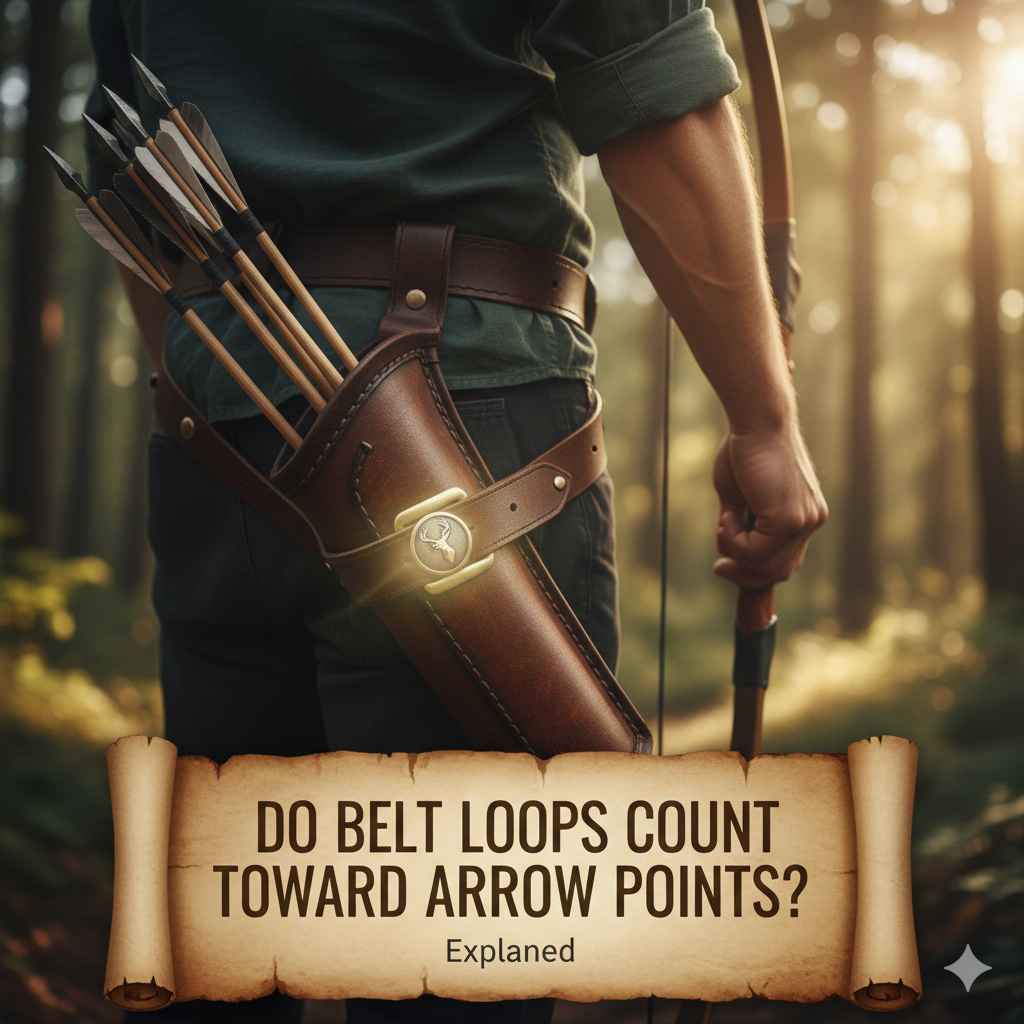
Many folks starting out in archery get a little puzzled about the rules. One of the most common beginner questions is, Do Belt Loops Count Toward Arrow Points? It can seem tricky to figure out what parts of your clothing or gear are considered part of your “arrow points.” Don’t worry, we’ll break it down super easily. This post is all about making the rules crystal clear, step by step, so you’ll know exactly what counts. We’ll start with the basics, then get into some examples. Ready?
What Are Arrow Points, Anyway?
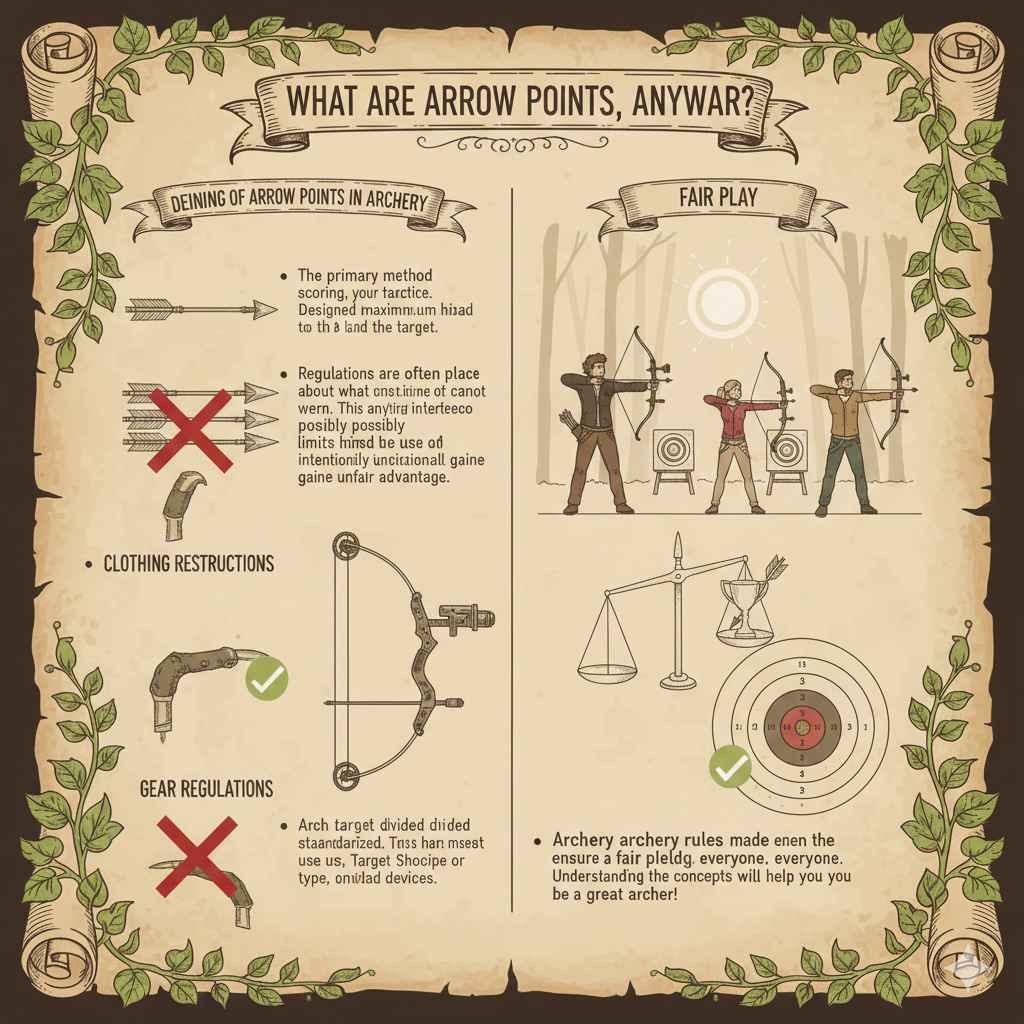
Before answering the core question, let’s explore what an “arrow point” even means. In archery, the goal is to score points by hitting a target. The target has different scoring zones, with the center usually worth the most points. Your “arrow points” are the things that add up to determine your total score. These are usually the arrows themselves, but some other items like certain clothing or accessories can sometimes be added. This is to ensure fair play, and that you are hitting the target, not a part of your outfit or your bow.
Defining Arrow Points in Archery
In archery competitions and rules, “arrow points” have a specific meaning. They are the things that define how your score is calculated. This is especially important in events where the amount of points awarded can make a significant difference. Arrows are usually the primary contributors to your score. But, depending on the rules of the particular event or competition, other items can be added, and are also considered to be a part of the arrow point total. The idea is to make sure your score is fair and reflects where your arrows hit.
- Arrows: The primary method for scoring, your arrows directly contribute to your score based on where they land on the target.
- Clothing Restrictions: Regulations are often in place about what can or cannot be worn. This can include anything that might possibly interfere with the arrow hitting the target, or something that could be used to intentionally or unintentionally gain an unfair advantage.
- Gear Regulations: Archery gear is often standardized to ensure fairness. Rules usually limit what kind of equipment you can use, such as bow type or aiming devices.
- Target Definitions: Each target is divided into scoring zones, and your score is based on which zones your arrows hit.
- Fair Play: Overall, archery rules are made to ensure a fair playing field for everyone.
In archery, the definition of what constitutes an “arrow point” helps determine how the rules apply to you and other competitors, and these points dictate how many points you can receive. This helps keep things fair and keeps all archers on the same level of competition. Understanding these concepts will help you be a great archer!
The Question of Belt Loops
Now, let’s get to the core issue: do belt loops count toward arrow points? This query comes up a lot since belt loops are part of your clothing, and clothing can sometimes play a role in competitions. The rules change depending on the organization or event, but generally, belt loops are not regarded as part of your “arrow points.” However, a quick look into event rules will always be helpful!
Belt Loops and Archery Regulations
The rules on whether belt loops count can differ. Usually, belt loops are not considered part of your “arrow points.” This is mostly because they are a standard part of most people’s clothing and don’t provide a competitive advantage. This approach keeps the sport easy and fair, especially for newcomers. However, some tournaments or archery organizations might have specific rules, so it is always a good idea to check before competing, to be sure.
- General Rules: Belt loops are not usually counted in your arrow points.
- Fairness: The core idea is to keep it fair for everyone.
- Competitive Advantage: Belt loops don’t give you any advantage when shooting arrows.
- Specific Rules: Always review the rules of the event or organization.
When you explore the rules, you’re better prepared for the competition. Understanding these points makes things simple and helps everyone enjoy the sport. You will also get a deeper dive into archery itself. Always look over the specific rules of the event or organization you’re participating in. This will clear up any confusion and help you know what to expect. That is why it is critical to know if Do Belt Loops Count Toward Arrow Points?, and the answer is usually no.
Arrow Points and Scoring: The Basics
Scoring in archery might sound tricky at first, but it is easy once you understand the basic concepts. You score by hitting the target with your arrows. The target has various scoring zones, and the points you get rely on where your arrows land. Understanding the rules is key to keeping everything fair, but it also allows you to focus on your skills and how to increase your score.
How to Score in Archery
Archery scoring is a straightforward process. The target is divided into scoring zones, each with a different point value. These zones are usually indicated by colors or rings, with the center (the “gold” or “X”) being worth the most points. After shooting your arrows, you inspect the target to see which zone each arrow hit. You then add up the points from all your arrows to get your total score.
- Target Zones: Targets are separated into multiple zones. The middle typically gives you the highest points.
- Arrow Placement: Your score depends on where your arrow lands.
- Point Values: Each zone has a set point value.
- Total Score: Add up all the points from your arrows to calculate your final score.
- Fair Play: Scoring rules guarantee fairness for everyone.
Understanding these scoring rules ensures fairness in competitions. This also lets you see your progress and track how your skills are developing. By studying how scoring works, you will be able to assess your skills and improve your shooting skills, which is the most rewarding aspect of archery. Also, it’s just plain fun to add up your points!
Clothing and Archery: What Matters
Clothing matters a bit in archery, even if belt loops are not usually a factor. The main idea is that clothes should not get in the way of shooting or offer any unfair help. It is crucial to dress comfortably, with clothes that allow you to move freely. You do not want something that might get snagged on your bow or arrows. So, let us explore some of the considerations of attire in archery.
Clothing Guidelines for Archery Competitions
When you take part in archery, wearing appropriate clothing matters. The main goal is to be comfortable and make sure your clothing does not interfere with your shooting. There are some guidelines that most events follow. For example, clothing should be of a reasonable length. Anything that might possibly get caught on the bow or the arrow. Also, clothing that is too loose can cause problems while shooting. Always read any specific clothing rules for the competition you are participating in.
- Comfort: Wear clothing that is comfy and lets you move.
- Restrictions: Stay away from anything that may offer an unfair advantage.
- Safety: Be certain your clothing won’t tangle with your bow or arrows.
- Event Rules: Check for any specific rules for the competition you’re joining.
These simple guidelines help ensure fair competition. They also contribute to the overall safety and enjoyment of the sport. Dressing properly helps everyone to focus on their shooting and have fun.
Real-Life Examples and Scenarios
Let’s check out a few examples and scenarios to show how all of this plays out in real life. These will bring the key points to life, making it easier to grasp the concepts. Consider what happens when you are in competition, and when the rules matter the most. From the scoring rules to the clothing requirements, understanding these examples is important. Here are some real-life instances of how arrow points and the rules in archery competitions can affect your score.
Scenario 1: Standard Archery Competition
Suppose you are in a standard archery competition. During the shooting, you hit the target with your arrows. The arrows land in several scoring zones, each giving you a different amount of points. You inspect the target, calculate the points of each arrow, and add it all up. Your score is what determines if you win. The judges have set the rules, making sure you are in competition fairly.
- Arrows: You shoot a series of arrows at the target.
- Scoring: You check the target and see where the arrows landed.
- Points: You add up all the points.
- Score: The higher your score, the better your place in the competition.
This is a fundamental example of how the rules of archery function. Scoring will depend on arrow placement. This scenario explains how each part of the competition, from your gear to your placement, counts toward the overall scoring and what determines how you place.
Scenario 2: Understanding Tournament Rules
Suppose you are in a tournament with strict rules. Before the event, you read and understand all the requirements. You notice the rules specifically say that belt loops aren’t part of your scoring. When you start shooting, you focus on where your arrows land, knowing that your belt loops won’t affect your score. This way, you understand the rules. You follow them, and concentrate on your archery skills.
- Rules Review: You study the competition’s requirements.
- Belt Loops: You see belt loops aren’t included in the scoring.
- Focus: You concentrate on hitting the target.
- Competition: You compete fairly and enjoy the process.
In this second scenario, you follow the rules of the event. Understanding all the rules helps you compete better. Because you know the scoring rules, you concentrate on your skills. This is a common way to see the impact of understanding the rules.
Gear and Accessories: What’s Allowed
Knowing about gear and accessories in archery is as vital as understanding the rules. Gear is all the equipment you use to shoot your bow. You want to make sure your equipment meets the competition’s requirements. From your bow to your arrows to other accessories, understanding what is and is not allowed is very important for fair play. Let’s delve into the details of gear and accessories used in archery.
Allowed Archery Gear and Accessories
Certain equipment is often permitted in archery. Knowing what is allowed is crucial for fair play. The types of bows, like recurve or compound bows, are often regulated. Arrows must adhere to certain specifications. Accessories, like sights or stabilizers, have rules based on the competition. Familiarizing yourself with these rules is essential for making sure your gear is allowed.
- Bows: You will want to be sure you are using the correct bow. Recurve and compound bows are often used.
- Arrows: Arrows must match particular standards.
- Sights: Sights might be allowed for aiming help.
- Stabilizers: These help the bow stay steady.
- Other Accessories: Quivers, armguards, and gloves may be needed.
These gear guidelines ensure that everyone competes fairly. Knowing the rules of what is allowed also helps you in selecting and using your equipment. All of this can have an impact on your score.
Statistics on Archery’s Popularity
Archery is gaining popularity, but where does the sport stand in the world? Let’s explore some statistics that demonstrate its growth and appeal. This will give you insights into how many people practice archery and where it is the most popular.
Archery’s Growth and Global Reach
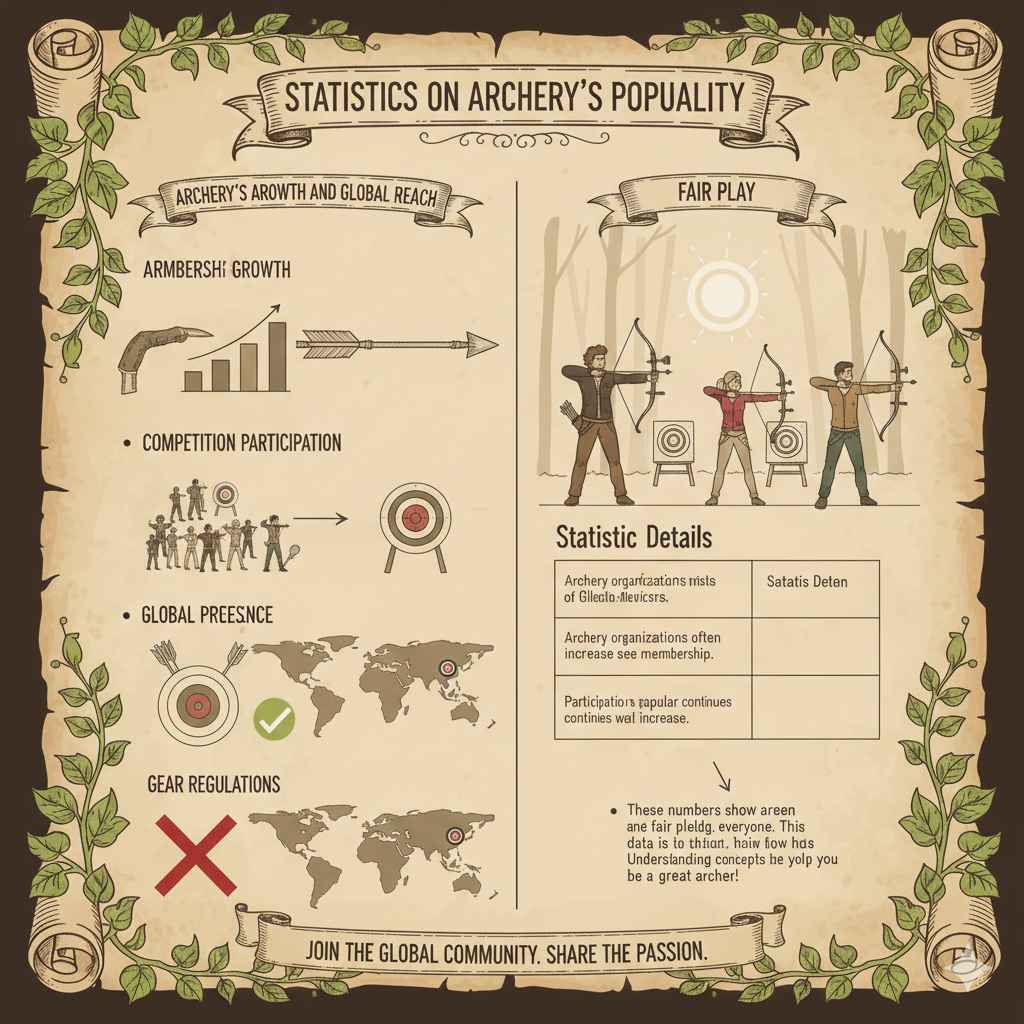
Statistics help us see the popularity of archery. They also help us see how the sport is being played. Numbers from archery organizations and competition attendance tell the popularity story. This also shows where archery is rising in popularity. This data offers some insight into archery’s rise.
| Statistic | Details |
|---|---|
| Membership Growth | Archery organizations often see an increase in membership numbers. |
| Competition Participation | Participation in archery tournaments continues to increase. |
| Global Presence | Archery is a popular sport in many different countries. |
These numbers show archery’s global reach and growing appeal. This data offers a look at how archery is growing and becoming more well known.
Frequently Asked Questions
Question: Does the type of bow matter for scoring?
Answer: No, the type of bow itself does not affect how you score. The rules are the same regardless of whether you’re using a recurve, compound, or other type of bow. Your score depends on where your arrows land on the target.
Question: Are there rules about the number of arrows I can shoot?
Answer: Yes, usually there are rules that control the number of arrows you can shoot during a competition or a round. These rules are put in place to ensure a fair and level playing field for everyone. The rules specify the number of arrows you will shoot at any time, or the amount of time you have to take the shot.
Question: Can I use any type of arrows?
Answer: Usually, there are rules about the kinds of arrows you can use. This helps keep things fair. Usually, these rules cover arrow materials, length, and other things. Make sure your arrows meet the rules of the competition.
Question: What happens if my arrow breaks the scoring ring line?
Answer: If your arrow touches or breaks a scoring ring line, the arrow is scored at the higher value. This means if your arrow just barely touches the line, you get the points for the zone with the higher value.
Question: Are coaching or help from the sidelines allowed during the competition?
Answer: The rules on coaching or help from the sidelines differ from competition to competition. Many organizations do not permit any help from the sidelines, as that would give an advantage to the archer. To ensure a fair competition, check the competition rules before the start.
Final Thoughts
So, do belt loops count toward your arrow points? Typically, the answer is a simple no. Belt loops are just clothing, and the arrow points primarily come from the placement of your arrows on the target. Understanding what comprises your “arrow points” is key to enjoying archery and following the rules. It’s about arrows, the target, and making sure the competition is fair for everybody. Keep practicing, keep learning, and pay attention to those rules. Archery is a rewarding sport. It’s really about your aim and your skill. Now go out there and have fun!