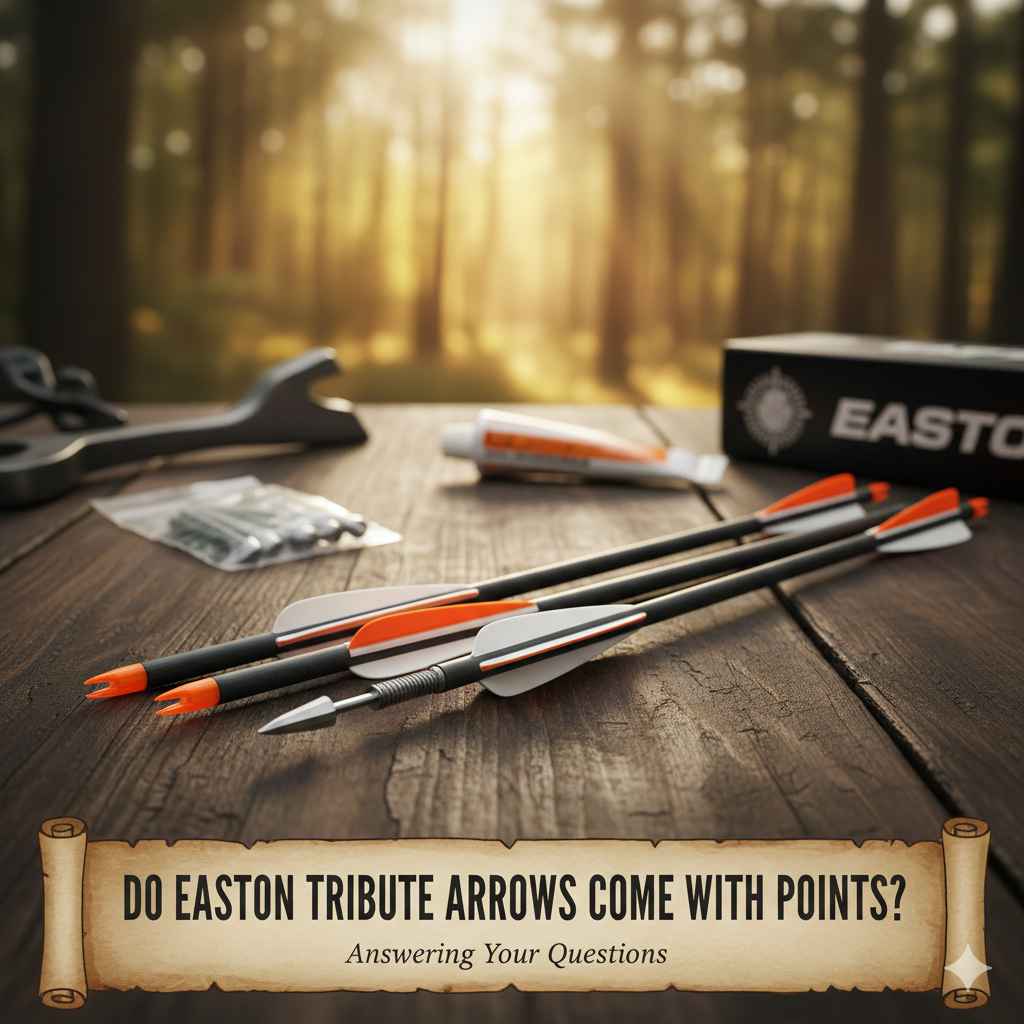
A common question for archers starting is, Do Easton Tribute Arrows Come With Points? Getting your arrows ready can seem tricky when you are new. It’s easy to wonder about all the parts and pieces. But don’t worry! This guide will break it down simply. We’ll explore everything you need to know, from the arrow itself to the arrowheads, and how to get your arrows set for the shooting range. Let’s see how these arrows come!
What Are Easton Tribute Arrows?
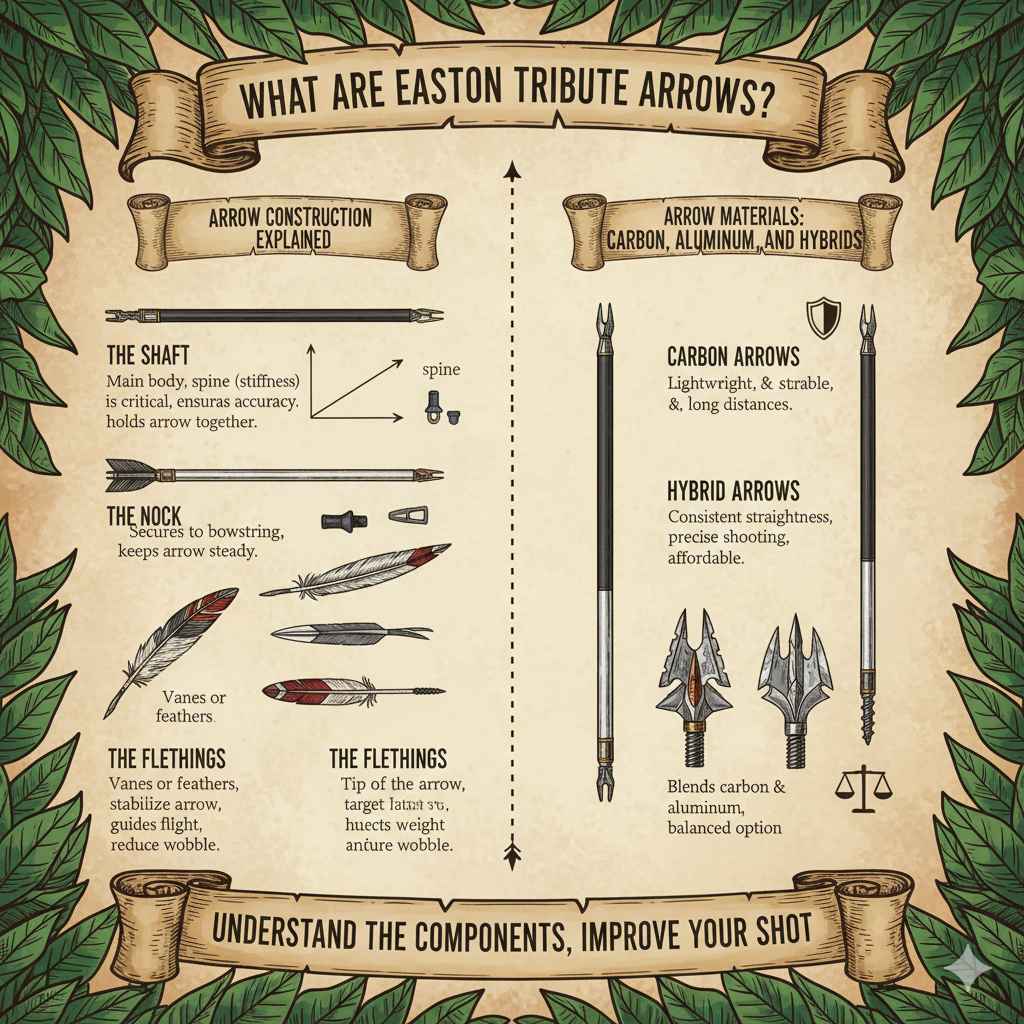
Easton Tribute arrows are a popular choice for target shooting and bowhunting. These arrows are known for their quality, accuracy, and durability. They are made from high-quality materials to ensure consistent performance. Many archers value the Easton Tribute arrows for their reliability, making them a great option for both beginners and experienced shooters. They often make a solid foundation for any archer’s gear.
The construction of an arrow plays a large part in its flight characteristics. Factors like spine, weight, and straightness determine how well it will fly and where it will land on the target. The Tribute line often offers a good balance of these factors. This balance is especially useful for those looking to improve their technique.
Arrow Construction Explained
Understanding the components that make up an arrow is helpful. Arrows are made of various parts that work together to achieve accurate and consistent flight. Knowing these parts will help you understand whether or not you are getting what you need. From the shaft to the fletching, each element contributes to the arrow’s performance. Knowing these parts helps you customize your arrows to fit your style of shooting.
- The Shaft: This is the main body of the arrow. It’s typically made from carbon fiber, aluminum, or a combination of the two. The shaft’s spine (stiffness) is a critical factor in how the arrow flexes during flight, impacting accuracy. The shaft should be straight to ensure accuracy. The shaft is what holds the arrow together.
- The Nock: The nock is a small piece at the back of the arrow. It clips onto the bowstring, securing the arrow to the bow before it’s released. Nocks come in various sizes and shapes, fitting different bowstrings. The nock helps keep the arrow steady when it is drawn.
- The Fletchings: These are the vanes or feathers attached to the arrow shaft near the nock. They guide the arrow in flight, helping it stabilize and fly straight. Fletchings come in different sizes, shapes, and materials. Their placement and angle can affect the arrow’s trajectory.
- The Point or Broadhead: This is the tip of the arrow. The point is used for target practice and field shooting. Broadheads are designed for hunting. They come in various weights and are threaded to screw into the arrow shaft. The choice depends on the type of shooting you do.
Arrow Materials: Carbon, Aluminum, and Hybrids
The material of an arrow significantly influences its performance. Carbon arrows are popular because they are lightweight, durable, and offer good performance. Aluminum arrows are known for their consistent straightness and are often used for target shooting. Hybrid arrows, which combine carbon and aluminum, aim to provide the best of both worlds. The choice of material impacts arrow weight, spine, and overall flight characteristics, which is why it’s important to understand each kind of material.
Carbon arrows are a top pick for many archers due to their lightweight design and the ability to withstand abuse. Aluminum arrows, with their consistency, are a great choice for target practice. Hybrid arrows use a combination of these elements. Each material has its advantages, so it’s a matter of matching your arrows with your personal shooting needs.
- Carbon Arrows: These arrows are very strong and light. This combination makes them an excellent choice for hunting and target practice, particularly at longer distances. They can withstand a lot of punishment. These arrows are ideal for shooters who want a balance of speed and durability.
- Aluminum Arrows: These arrows are known for their straightness, making them good for precise shooting. They are a good choice for those who are focused on consistent shot placement and are often found in competitive archery settings. They can be more affordable and are great for training.
- Hybrid Arrows: These arrows blend carbon and aluminum. The goal is to maximize the best features of both materials. These arrows give you good performance with added benefits such as enhanced durability. They’re a balanced option that suits various types of shooting.
Does the Easton Tribute Arrow Come With Points? The Answer
Now, let’s address the question: Do Easton Tribute Arrows Come With Points? The answer is: it depends. Often, Easton Tribute arrows are sold as “bare shafts.” This means the arrows do not come with points installed. They also don’t usually include fletchings or nocks. This lets archers personalize their arrows to their exact needs. It’s common practice in archery to buy your own points and other components. You can customize the setup of your arrows to get the performance that you want.
Buying bare shafts gives archers control over their setup. It allows you to select the arrow points that fit your specific shooting requirements. If you’re into target practice, you might choose field points. For hunting, you’ll need broadheads. Bare shafts also allow you to choose the weight of your points, allowing you to fine-tune your arrow’s flight characteristics and overall setup.
What to Expect When Buying Easton Tribute Arrows
Knowing what to expect can help ensure you’re prepared to set up your arrows correctly. When purchasing Easton Tribute arrows, you should know that you will likely need to purchase the arrow points separately. This is a standard practice in the archery world. That lets you customize your arrows to fit your bow, style, and goals. It also is your responsibility to add the finishing touches.
- Bare Shafts: Most Easton Tribute arrows are sold as bare shafts. This simply means you will receive the arrow shafts without points, fletchings, or nocks attached. This gives you freedom in choosing the components.
- Separate Components: You’ll need to buy your points, nocks, and fletchings separately. Make sure the points you pick fit the arrow’s thread size and weight that you want. You should also ensure that the nocks and fletchings are compatible with your bow setup.
- Customization: By choosing your components, you can perfectly tailor your arrows to suit your needs. You can choose different point weights, fletching styles, and nock types. This customization will help you make arrows that work for your equipment and style.
The Importance of Selecting the Right Arrow Points
Choosing the correct arrow points is a crucial step. It impacts the arrow’s flight path, accuracy, and overall performance. The weight and type of point you select should be based on your type of shooting, bow setup, and arrow spine. Proper point selection is critical to ensuring your arrows fly straight. These choices will significantly affect your arrow’s flight.
For target practice, field points are ideal. These are bullet-shaped tips designed to easily penetrate targets and reduce damage to the arrows. For hunting, you’ll need broadheads. These are designed to expand upon impact, causing more damage and increasing the chance of a clean kill. In both cases, the weight of the point affects the arrow’s overall weight, which influences how it flies.
For example, if you shoot field points, the weight can influence the arrow’s trajectory. Heavier points will cause the arrow to drop sooner. Lighter points will fly flatter. The choice of point can impact your accuracy and consistency. Here’s a quick look at the impacts of point weights.
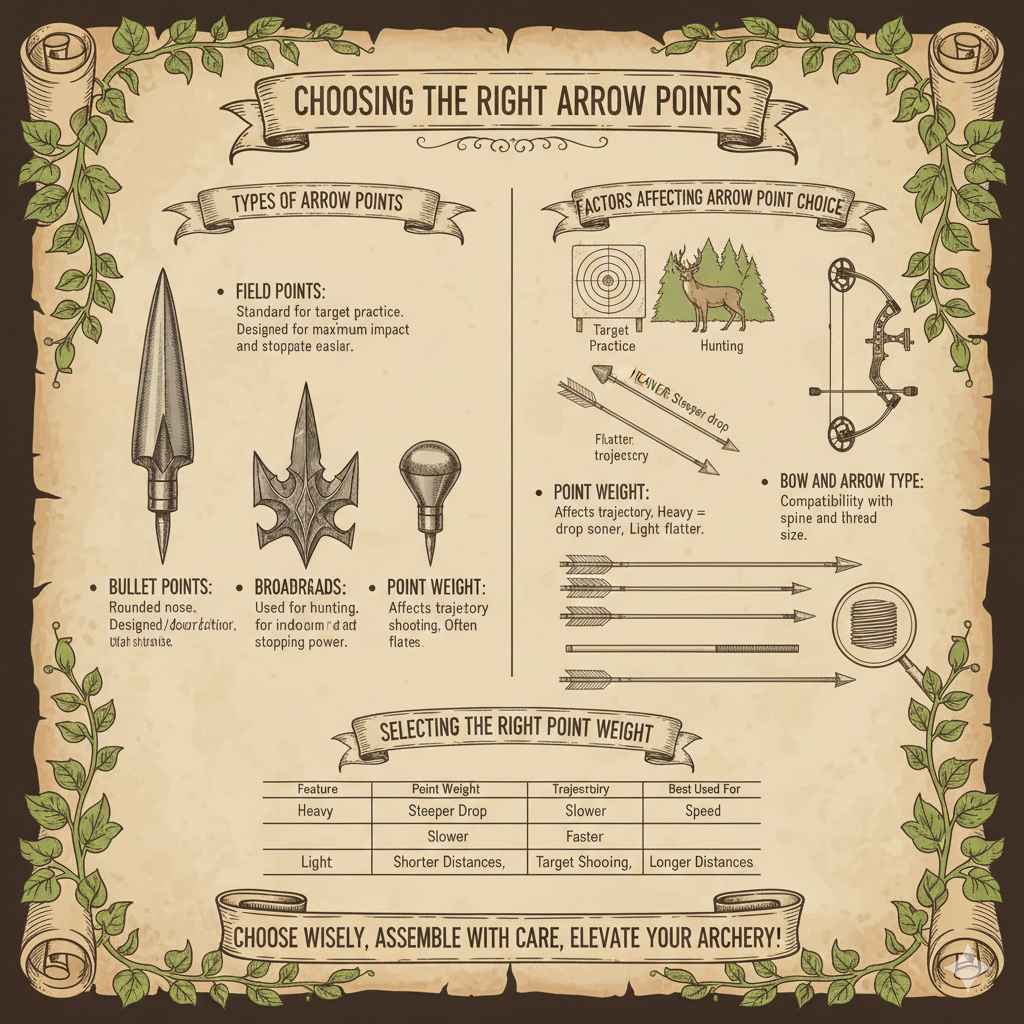
- Field Points: These are standard for target practice. Field points help to limit target damage.
- Broadheads: Used for hunting, these heads are made for maximum impact. They are built for stopping power.
- Point Weight: The weight of the point affects arrow flight. Heavier points make the arrow drop sooner. Lighter points create a flatter trajectory.
Arrow Point Installation and Customization
Once you’ve got your arrow points, you need to install them. Installation is usually simple, requiring just a few basic steps. This process will ensure the points are secure and ready for use. Proper installation guarantees accuracy and safety. It will also help you to get the most out of your equipment. With a little care, you can set up your arrows with confidence.
After you have your points, you will want to get them attached to your arrows. This is a step that requires some care. This means using the right tools and techniques. You’ll need an arrow saw to cut your shafts, if they require trimming. You’ll also need some glue or epoxy to attach the points. The most important step is to make sure your points are straight. Here’s a look at the process.
Arrow Point Installation: Step-by-Step
Installing arrow points is usually a straightforward process. You should follow a few steps to make sure your points are secure and accurate. First, be sure that the arrow shafts are properly prepared. Then, you should select the right type of adhesive to secure the points. This is an important step to ensure the points are correctly secured.
- Prepare the Shaft: If needed, cut the arrow shaft to your desired length using an arrow saw. Make sure the cut is clean. Clean the inside of the shaft where the point will go, removing any debris.
- Apply Adhesive: Use a high-quality adhesive or epoxy designed for archery. Apply the adhesive to the threads of the arrow point or the inside of the shaft. Follow the manufacturer’s instructions for mixing and application.
- Install the Point: Screw the arrow point into the shaft. Tighten it firmly, but avoid over-tightening. Doing so could strip the threads. Check that the point is aligned straight with the shaft.
- Cure the Adhesive: Allow the adhesive to cure fully according to the instructions. This will take a few hours or overnight, depending on the adhesive. Ensure the points are secure before shooting.
Customizing Your Arrows
Arrow customization goes beyond just installing points. It involves selecting and attaching fletchings, choosing nocks, and even adjusting arrow weight. These choices impact the arrow’s overall performance. Customizing your arrows allows you to fine-tune your equipment. It is critical for getting the best possible performance.
- Fletching: Choose fletchings based on your shooting style, bow setup, and arrow spine. Fletching helps stabilize your arrow during flight. Consider the size, shape, and material of the fletchings.
- Nocks: Select nocks that fit your bowstring and arrow shaft. Different nocks are built for different string types. Ensure the nocks fit snugly to prevent the arrow from slipping.
- Weight: Adjust the weight of your arrows by selecting heavier or lighter points or adding weight to the shaft. This helps to tune your arrows to your bow. It also changes the arrow’s flight characteristics.
- Spine: Match your arrow’s spine (stiffness) to your bow’s draw weight and arrow length. Matching your spine is critical for accurate shooting.
Maintaining Your Easton Tribute Arrows
Proper maintenance of your arrows is key to getting the most life out of them. Regular inspection, cleaning, and storage will keep your arrows in top shape. They will perform better and last longer. Taking care of your arrows also ensures your safety while shooting. This will also help you avoid damage to your bow and other equipment.
After each shooting session, carefully examine your arrows for any signs of damage. Check for cracks, splinters, or bent shafts. Clean your arrows to remove dirt and residue. You should also store your arrows properly when they’re not in use. Proper care will help maintain the arrows’ accuracy. Regular maintenance will add to their lifespan.
Inspection and Cleaning
Regular inspection and cleaning is critical. It will help to find any issues early. These issues, if they are addressed quickly, can stop a small problem from turning into a big one. Keep them clean. This can prevent damage. It will also guarantee your arrows perform consistently.
- Inspection: Inspect your arrows before and after each use. Check for cracks, splinters, or bends in the shaft. Look at the fletchings and nocks for damage or wear.
- Cleaning: Clean your arrows regularly. Use a soft cloth and mild soap to remove dirt and debris. Avoid harsh chemicals that could damage the shaft.
- Fletching Care: Check fletchings for wear. If they are damaged or falling off, replace them immediately. Protect your fletchings during storage and transport.
Storage and Handling
How you store and handle your arrows will affect their lifespan and performance. Store your arrows in a safe, dry place, away from direct sunlight and extreme temperatures. Handling your arrows with care can also protect them from damage. Consider using an arrow case or quiver to keep them safe. Proper storage will keep your arrows ready for use.
- Storage: Store your arrows in a dry, cool place. Avoid leaving them in direct sunlight or areas with extreme temperatures. This helps prevent warping or damage to the shaft.
- Transport: Use an arrow case or quiver when transporting your arrows. This protects the arrows from impact and other damage.
- Handling: Handle your arrows carefully. Avoid dropping or throwing them. This can cause damage.
Choosing the Right Arrow Points
Selecting the right arrow points is key to improving your shooting experience. This selection depends on the type of shooting you do, as well as the weight of your arrows. The arrow point will influence how your arrows fly. Knowing the different types of arrow points will help you maximize your success.
There are different styles of arrow points, so it’s critical to know the different kinds. Consider the material and weight of your arrow points when making your decision. Here are some of the most common types.
- Field Points: These are standard for target practice. They are designed to penetrate targets easily.
- Broadheads: Used for hunting, broadheads are designed for maximum impact. They are built for stopping power.
- Bullet Points: These have a rounded nose, and they’re used for indoor and outdoor shooting. They’re often used with vanes.
Factors Affecting Arrow Point Choice
Several factors affect your choice of arrow points. The type of shooting you plan to do is a major factor. The point weight is also important. Knowing these factors will help you narrow down your choices. You can also match your points to your bows and arrow types. Here are the things you should consider.
- Type of Shooting: Determine what kind of shooting you will do. For target practice, field points are ideal. For hunting, you’ll need broadheads.
- Point Weight: The weight of the point affects the arrow’s flight. Heavier points make the arrow drop sooner. Lighter points create a flatter trajectory.
- Bow and Arrow Type: Choose points that are compatible with your bow and arrow setup. Consider the arrow spine and thread size.
Selecting the Right Point Weight
Arrow point weight has a significant effect on arrow flight and overall performance. Heavier points cause an arrow to drop faster. Lighter points will create a flatter trajectory. The weight should match your bow. It should also match your style of shooting. Adjusting arrow weight can help you to improve your accuracy.
The heavier your point, the lower your trajectory. This makes it easier to compensate for distance. However, heavier points can also reduce arrow speed. Light points increase arrow speed and create a flatter trajectory. But they might be less effective at longer distances. So, try different weights.
| Point Weight | Trajectory | Speed | Best Used For |
|---|---|---|---|
| Heavy | Steeper Drop | Slower | Shorter Distances, Hunting |
| Light | Flatter | Faster | Target Shooting, Longer Distances |
Frequently Asked Questions
Question: Do Easton Tribute arrows come pre-fletched?
Answer: No, Easton Tribute arrows typically do not come with fletchings attached. You’ll need to add your own.
Question: Can I use any arrow point with Easton Tribute arrows?
Answer: No, you’ll need to make sure the arrow points are the correct size and weight for your arrow shaft and bow.
Question: What’s the benefit of buying bare shafts?
Answer: Buying bare shafts lets you customize your arrows to fit your specific shooting style and bow setup.
Question: How do I know the right arrow point weight for my bow?
Answer: Try different point weights to see how your arrows fly. Consult with an archery expert or use an arrow selection chart.
Question: How can I care for my Easton Tribute arrows?
Answer: Regularly inspect your arrows for damage, clean them with a soft cloth and mild soap, and store them in a dry, cool place.
Final Thoughts
Now you know the answer to the question: Do Easton Tribute Arrows Come With Points? You understand the components, the importance of customizing your setup, and how to maintain your equipment. You now know that Easton Tribute arrows are often sold as bare shafts. This will allow you to select your own points, giving you control over your arrows’ performance. Properly attaching your points is just the start of setting up your arrows. You can change your arrow flight by picking the correct arrow point. Keeping your arrows in great shape through regular maintenance is key. Now that you’ve got the basics, you are ready to explore the world of archery. Go out and enjoy the sport, and you’ll be hitting the target in no time!