

When stepping into the world of fencing, safety and proper equipment are paramount. A common question among beginners and even seasoned athletes is: do most fencers wear a plastron and a chest protector? Understanding the importance, functions, and norms regarding these pieces of protective gear will not only enhance your safety but also improve your overall fencing experience. This ultimate guide will delve into the purpose, usage, and regulations surrounding plastrons and chest protectors in fencing.
What Is a Plastron in Fencing?
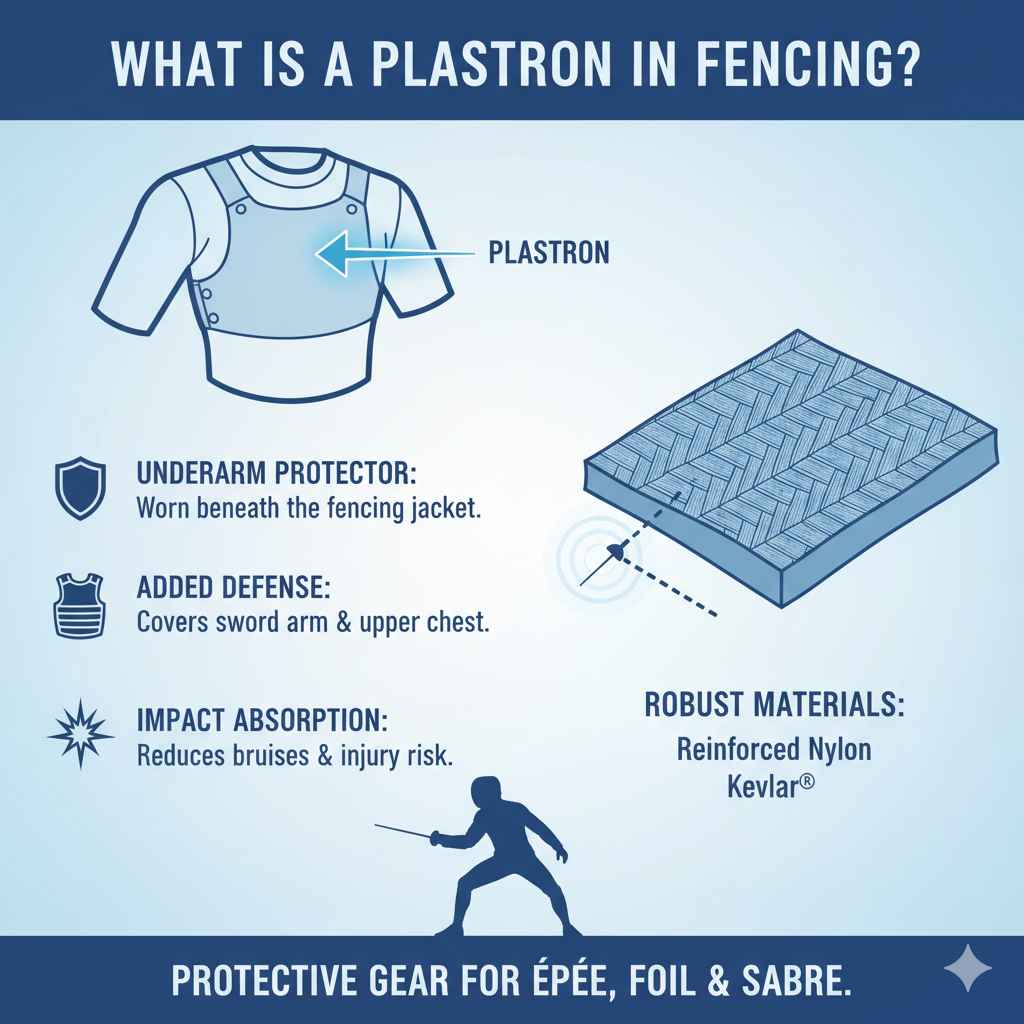
A plastron is an underarm protector worn beneath the fencing jacket. It provides an additional layer of protection to the torso, especially the sword arm and upper chest area, which are vulnerable during bouts. Manufactured from robust materials like reinforced nylon or Kevlar, plastrons are designed to absorb and distribute the impact from thrusts and hits, preventing bruises and reducing the risk of injury.
What Is a Chest Protector and Who Needs One?
A chest protector is a molded, rigid or semi-rigid protective gear that shields the chest area, particularly for female fencers. The chest protector offers critical protection for sensitive areas that might not be adequately covered by the fencing jacket and plastron alone. It is typically made of high-impact plastic and worn under the jacket.
While chest protectors are most commonly worn by female fencers, some male fencers opt to wear them for added safety. Their use is particularly prevalent in youth fencing programs and competitive environments where safety rules are strictly enforced.
Do Most Fencers Wear a Plastron and a Chest Protector?
In terms of competitive and recreational fencing, do most fencers wear a plastron and a chest protector? The answer can be broken down into two parts:
1. Plastron Usage: Yes, nearly all fencers wear a plastron. It is considered essential protective gear, and many fencing organizations, including national and international bodies, mandate its use during competitions. The plastron provides an extra level of safety and is a standard part of a fencer’s kit.
2. Chest Protector Usage: The use of chest protectors varies. Most female fencers wear chest protectors as part of standard safety protocols, while it remains optional for many male fencers. Furthermore, in some competitions, wearing a chest protector is compulsory for females, especially at the youth level. However, adult male fencers may choose to forgo it unless required by specific event rules or personal preference.
Why Wearing Both Is Important
Safety in fencing cannot be overstated, and wearing both a plastron and a chest protector often provides comprehensive protection. Here’s why:
– Protects Against Injuries: While fencing weapons are designed to be safe, the repeated impact of thrusts and hits can cause bruising or pain without proper protection. Both plastrons and chest protectors reduce the risk of soft tissue injuries.
– Enhances Confidence: Knowing you are well-protected allows you to focus on technique and tactics rather than worrying about potential injuries.
– Complies with Safety Regulations: Many fencing clubs and competitions require these protective items to comply with their safety standards.
How to Choose the Right Plastron and Chest Protector
Selecting the proper fit and type of plastron and chest protector is critical. Here are some tips:
– Fit: The plastron should fit snugly without restricting movement. It must cover the sword arm and upper torso fully.
– Material: Opt for plastrons made from high-quality, puncture-resistant materials. Most certified fencing gear meets safety requirements.
– Chest protector size: This should comfortably cover the chest without causing discomfort or hindering mobility. Female fencers should choose between soft or hard protectors, balancing comfort with protection.
– Certification: Purchase equipment certified by recognized fencing bodies such as the FIE (Fédération Internationale d’Escrime) or US Fencing for guaranteed safety standards.
Maintenance and Replacement
Regular maintenance of your safety gear is essential to ensure optimal protection:
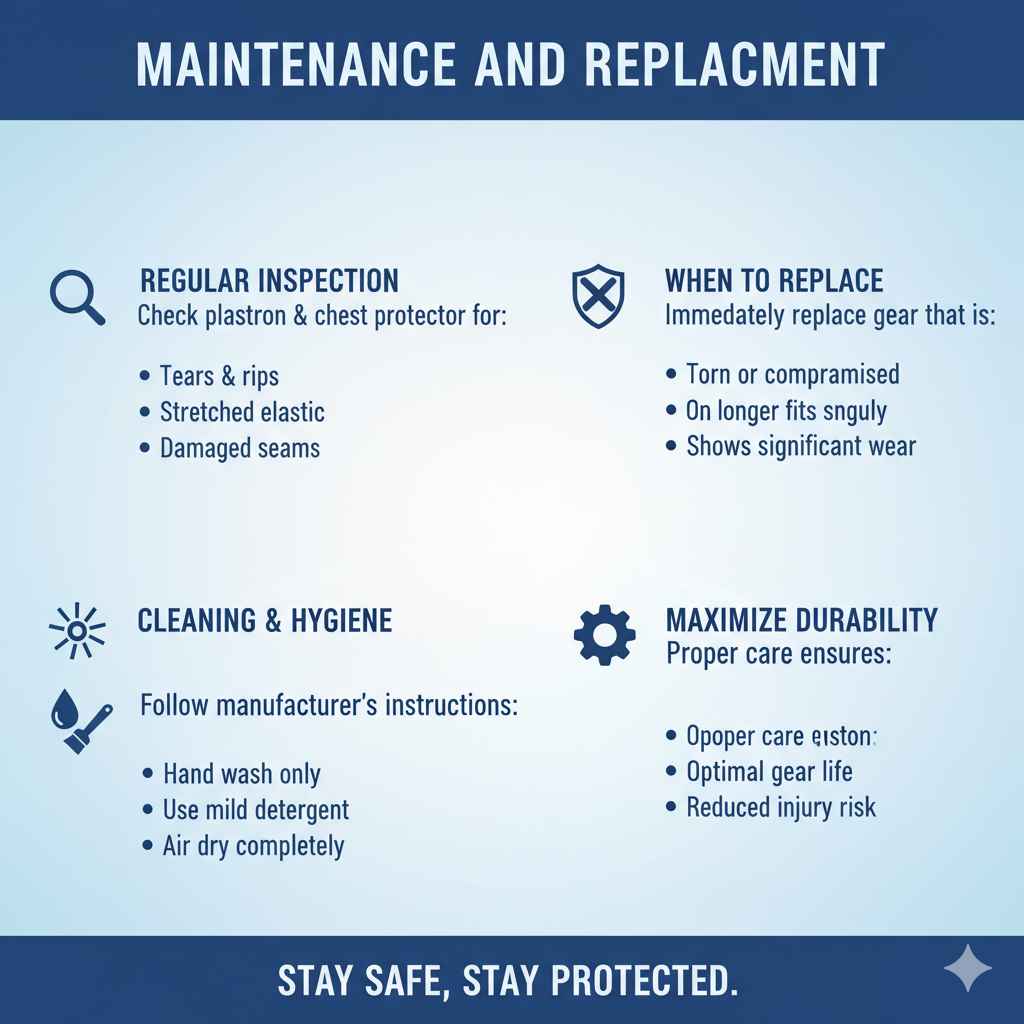
– Inspect your plastron and chest protector regularly for signs of wear and tear.
– Replace any gear that is torn, stretched, or compromised.
– Follow cleaning instructions from the manufacturer to maintain hygiene and durability.
Conclusion
So, do most fencers wear a plastron and a chest protector? The answer is a resounding yes when it comes to the plastron, which is an indispensable piece of protective gear for virtually all fencers. Chest protectors, meanwhile, are mandatory for most female fencers and optional but recommended for males. Wearing both items significantly enhances safety, allows fencers to train and compete confidently, and ensures compliance with fencing regulations.
If you’re new to fencing or upgrading your gear, investing in a high-quality plastron and chest protector is a smart move that keeps you protected and ready to excel on the strip. Safety first, performance second — and with the right equipment, you can confidently embrace the art and sport of fencing!