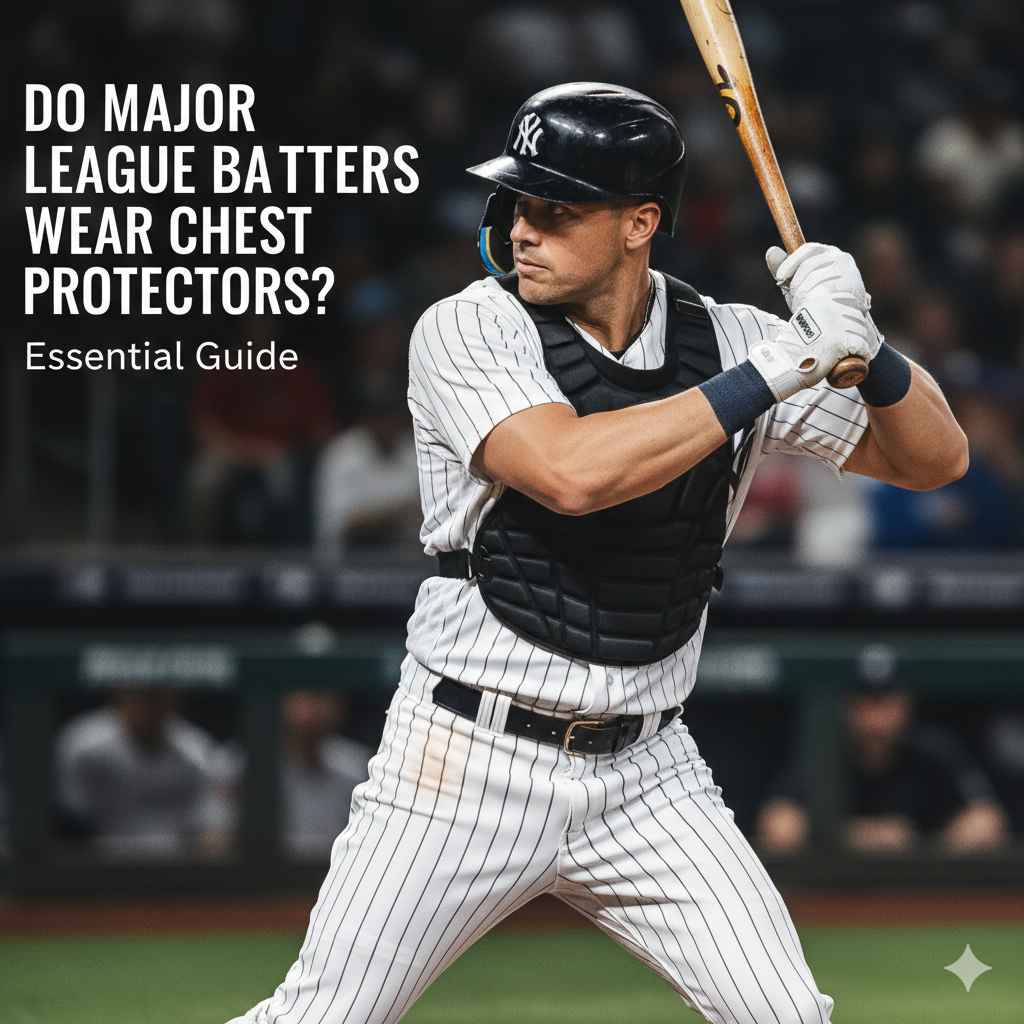
Do Major League Batters Wear Chest Protectors? Essential Guide
Major League Baseball (MLB) batters do not typically wear chest protectors during standard play. While some protective gear is mandatory (like helmets), full chest protectors are generally reserved for catchers or when a specific league/age group mandates extra protection, which is rare at the professional level.
For a closely related bow or archery topic, Are Chest Protectors Required In Olympic Fencing? Essential gives readers a useful next step.
For a closely related bow or archery topic, Do Supercross Riders Wear Chest Protectors? Essential Safety Tips Revealed gives readers a useful next step.
For a closely related bow or archery topic, Do Most Fencers Wear a Plastron and a Chest Protector? gives readers a useful next step.
Welcome, fellow sports enthusiast! Ever watched a hard-hit foul ball scream toward the batter and wondered if they had any hidden armor on? It’s a common question, especially when you see bulky gear on other positions, like catchers. Professional baseball moves incredibly fast, and protecting the athletes is key. But what protection do MLB hitters actually use?
It can be confusing because you see protection everywhere else on the field. Don’t worry; we will clear up the confusion right now! This guide will explain exactly what MLB batters wear—or don’t wear—under their jerseys. We promise to keep the jargon low and the facts clear, so you can understand the gear choices made at the highest level of the sport. Let’s dive into the protective gear world of the pros.
The Short Answer: Do Major League Batters Wear Chest Protectors?
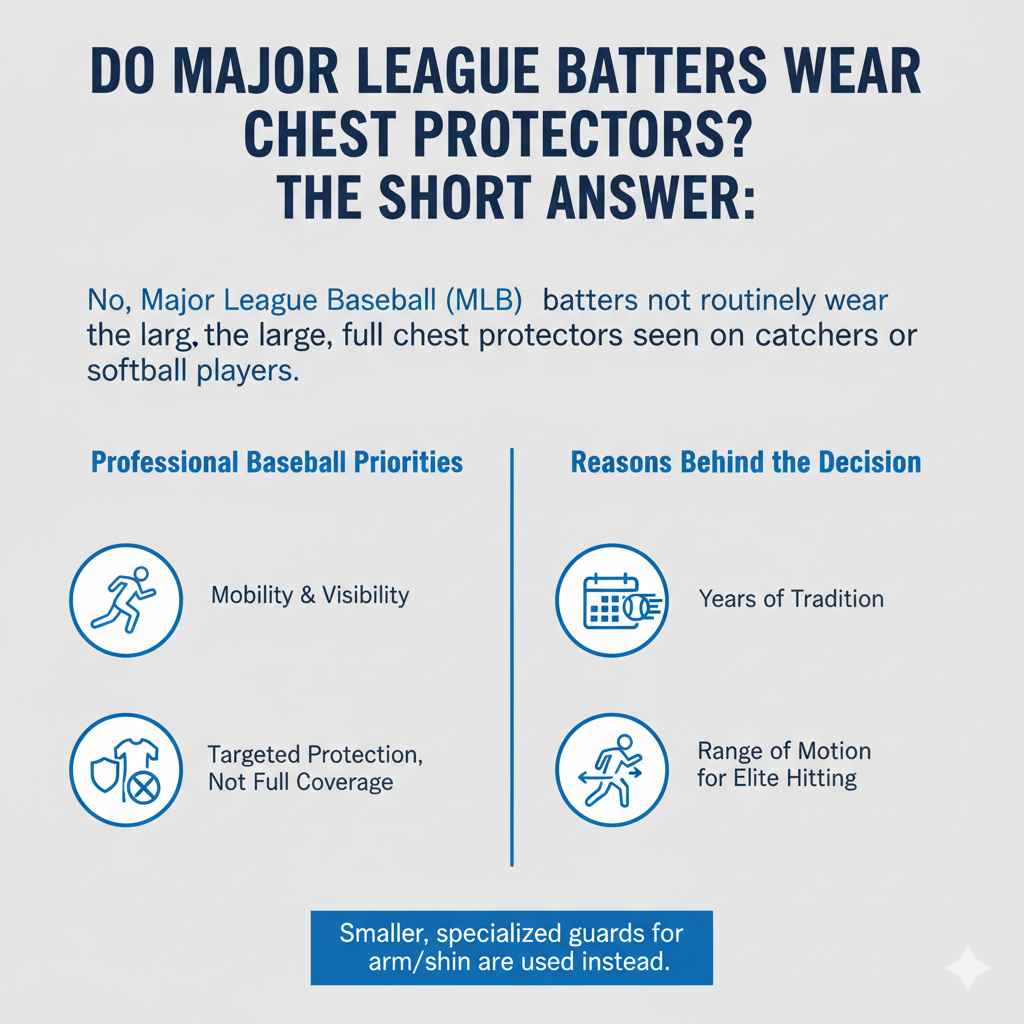
To put it simply: No, Major League Baseball (MLB) batters do not routinely wear the large, full chest protectors seen on catchers or softball players.
Professional baseball prioritizes mobility and visibility. While safety is paramount, the specific gear worn by batters focuses on targeted protection rather than full body coverage. If you see a batter wearing anything that looks like armor, it is usually a smaller, specialized guard worn under the jersey or on the arm/shin.
This decision is based on years of tradition, the speed of the game, and the belief that full protection impedes the necessary range of motion for elite hitting.
Understanding Protective Gear in Baseball: A Quick Overview
Before focusing only on the chest, it helps to know what gear is standard for any batter, professional or amateur. Protection in baseball focuses on the high-risk areas: the head, the hands, and sometimes the lower legs.
Mandatory vs. Optional Protective Equipment
The rules governing what must be worn versus what can be added are very specific. Even in the MLB, certain items are non-negotiable for safety.
- Mandatory: Batting Helmet. This is the most crucial piece of safety equipment and must be worn whenever a player is in the batter’s box or running the bases.
- Optional (but common): Batting Gloves. While primarily for grip, they offer minor protection against vibration and jammed fingers.
- Optional (increasingly common): Elbow Guards and Shin Guards. These are added by the player based on their position in the batter’s box and their personal comfort level regarding foul tips or wild pitches.
Why the Focus Isn’t on a Full Chest Protector
If a pitch comes in at 100 mph, why not wear full padding? There are several excellent reasons why MLB batters skip the full chest plate:
- Mobility and Rotation: Hitting requires explosive rotational power. Any bulky padding restricts the core muscles and torso rotation needed to generate maximum bat speed.
- Heat and Comfort: Baseball is often played in high heat. Extra layers of thick padding would lead to overheating and severe discomfort over a nine-inning game.
- Visibility: A chest protector, even a thin one, can alter how a player feels their swing mechanics, potentially affecting timing—the single most critical element in hitting.
The Subtle Protection MLB Batters Do Wear
While they skip the big catcher’s chest protector, MLB players are not entirely unprotected in the torso area. They utilize subtle, lightweight pads often hidden beneath their jerseys. These are designed for maximum protection with minimum bulk.
1. Rib and Sternum Guards
These are the closest items professional hitters come to a “chest protector.” These devices are typically made of lightweight, high-impact foam or flexible carbon fiber plates. They are designed to cover vulnerable areas without restricting the swing.
Key Features:
- Targeted Coverage: They only cover the side ribs or sternum, not the entire chest cavity.
- Strapping: They strap directly to the torso or are worn like a vest underneath the jersey.
- Foul Ball Defense: Their main job is to absorb the shock of a foul tip that might otherwise break a rib.
2. Forearm and Elbow Guards
These are highly visible and often worn by players who stand close to the plate or who have a history of being hit by pitches (HBP). They protect against direct impact to the arm bones, which can be very painful and cause serious injury.
According to MLB rules, protective devices are allowed as long as they do not provide any unfair advantage (like gripping the bat differently or reflecting light). Elbow guards fit this description perfectly.
3. Shin and Ankle Guards
Often overlooked, these are vital, especially for left-handed batters facing right-handed pitchers (or vice versa). A pitch hitting the ankle or shin bone is extremely painful. Shin guards wrap around the front of the lower leg, offering protection against errant pitches or wild swings.
You can often see the outline of these guards, especially on players like Bryce Harper or Jose Altuve, who frequently use them.
Comparing Gear: Catcher vs. Batter Protection
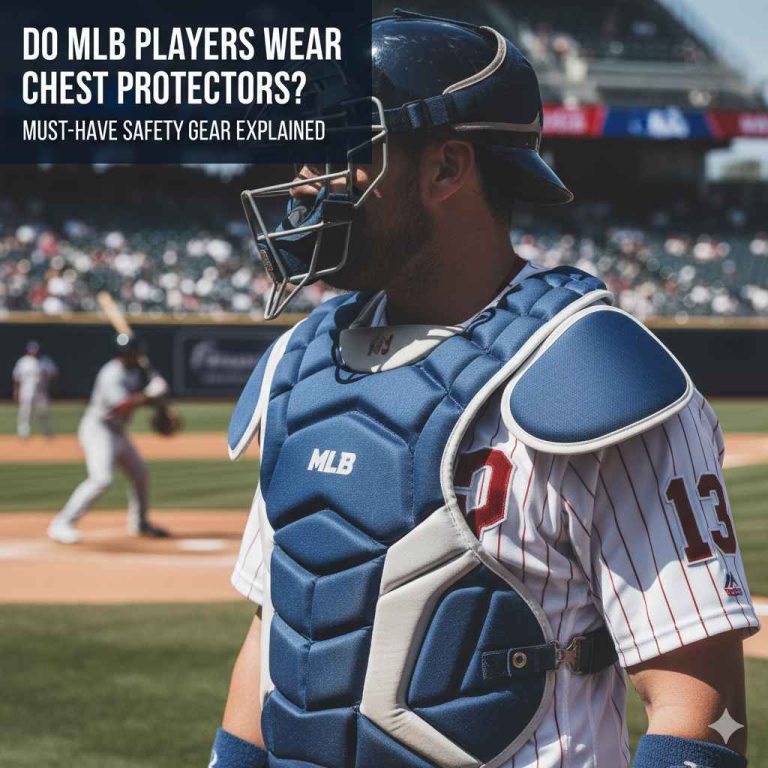
To truly understand why batters don’t wear chest protectors, looking at the equipment used by the catcher is helpful. The catcher’s job involves stopping fast pitches that the batter misses. They face constant, direct, high-velocity impacts across their entire front side.
Here is a comparison of the primary protective focus for each position:
| Equipment Area | MLB Batter Focus | MLB Catcher Focus |
|---|---|---|
| Head | Advanced Helmet (often with added flap protection) | Catcher’s Mask (full facial protection) |
| Torso | Lightweight, targeted internal rib/sternum guards | Large, full chest protector (designed to absorb repeated, high-speed impact) |
| Limbs | Elbow and shin guards for targeted areas | Shin guards/legguards covering the entire lower leg and knee |
| Hands | Batting Gloves (for grip/vibration) | Padded Catcher’s Mitt (designed to safely catch high-velocity balls) |
As the table shows, the catcher’s gear is built for stopping the ball, requiring heavy, rigid protection. The batter’s gear is built for mobility while guarding against accidental contact.
The History: When Did Protective Gear Evolve?
Baseball safety standards have evolved significantly since the early days of the sport. In the 19th century, players often wore nothing more than basic caps. The transition to modern protection was slow and often reactionary, usually following a major injury.
For instance, the mandatory batting helmet wasn’t universally adopted until the mid-1970s. Before that, players often wore nothing, relying only on their reflexes.
The use of specialized, internal chest guards by batters is a relatively modern trend, gaining traction in the last two decades as materials science (lighter plastics and advanced foams) allowed for effective protection without significant bulk. This shift was often driven by player demand rather than strict league mandate.
Rule Changes and Player Safety
The governing bodies of baseball (like MLB and organizations like USA Baseball for younger players) are always reviewing safety standards. While MLB grants players significant autonomy over non-mandatory gear, organizations governing youth baseball often step in to enforce higher standards.
For example, the USA Baseball SafeSport Resources often mandate chest protectors for younger players, especially those pitching or catching, reflecting a focus on minimizing injury risk where reflexes are still developing.
However, for elite MLB athletes, the league trusts their judgment regarding bulky equipment that might compromise performance.
How to Choose Protective Gear (For the Amateur Player)
If you are a beginner or a dedicated hobbyist, you might be wondering if you should start wearing some form of chest protection, even if the pros skip it. The answer depends on the speed of the pitching you face and your comfort level.
When Should a Beginner Consider a Chest Guard?
If you are learning to hit, you will often get hit by pitches or foul tips. A small impact guard can build confidence immensely.
- If you struggle with timing: When your timing is off, you are more likely to be grazed by a pitch. A small guard helps you focus on the ball, not the fear of impact.
- If you stand very close to the plate: Players who “crowd the plate” increase their exposure to inside pitches.
- If you play in a league with hard-throwing pitchers: If your league features pitchers throwing consistently above 70-80 mph, added protection is wise.
Types of Beginner Torso Protection
For the everyday player, the equipment looks a bit different than the specialized MLB versions:
- Soft Shell Vests: These look like padded undershirts. They are comfortable, washable, and offer low-profile protection against minor impacts. Great for T-ball through middle school.
- Targeted Pads: Similar to MLB players, you can buy pads designed just for the sternum or the rib cage that strap on.
- Catcher-Style Chest Protectors (Use Caution): While available, these are generally too bulky for everyday batters unless you are playing catcher. They severely restrict movement while swinging.
The Psychology of Protection: Fear vs. Focus
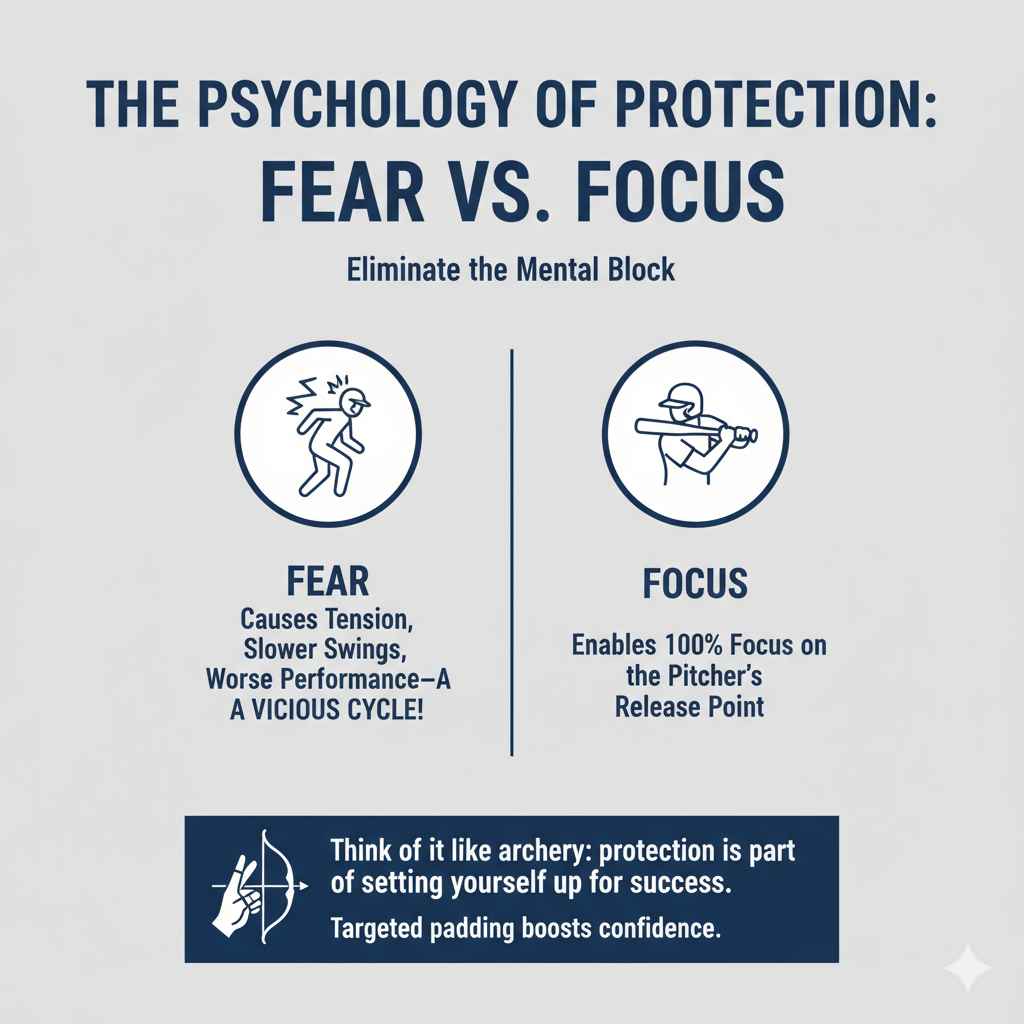
One of the biggest hurdles for new hitters is the fear of getting hit. This fear causes tension, which leads to slower swings and worse performance—a vicious cycle!
Wearing adequate, non-restrictive protection can eliminate that mental block. If you know your ribs are covered, you can focus 100% on the pitcher’s release point.
Think of it like setting up your archery equipment: you wouldn’t shoot without ensuring your finger tab is comfortable and secure. Protection is part of setting yourself up for success. A little bit of targeted padding can boost confidence more than you might expect.
Frequently Asked Questions (FAQ) about Baseball Protective Gear
Q1: Are batters allowed to wear any kind of chest protection in the MLB?
A: Yes, they are allowed to wear protective devices underneath their uniforms, provided the equipment does not give them an unfair advantage or pose a danger to others. Most MLB batters opt for lightweight, subtle rib or sternum guards if they choose to wear anything in that region.
Q2: Do professional softball players wear chest protectors while batting?
A: Yes, in many fastpitch softball leagues, batters are often required or strongly encouraged to wear chest protectors. This is because the pitching motion and speed often result in more frequent direct impacts on the torso area compared to baseball.
Q3: What protective gear is required by MLB for batters?
A: The only universally required piece of protective gear for MLB batters is the batting helmet. Other items, like elbow guards or shin guards, are optional based on the player’s preference.
Q4: Why don’t MLB players wear shin guards like hockey players?
A: While some do wear specialized shin/ankle guards, full shin guards like hockey uses are rare. Hockey players stand stationary in front of the net, whereas batters are constantly adjusting their stance and need maximum ankle flexibility for footwork in the batter’s box.
Q5: What happens if a batter wears illegal equipment?
A: If equipment is deemed illegal by the umpire—for example, if a guard is deemed too hard or large enough to be used improperly—the player may be required to remove it before stepping into the batter’s box. Continued use could lead to ejection.
Q6: Is it safer to wear more padding, even if the pros don’t?
A: For beginners, yes. Wearing light, targeted padding (like a rib guard) can prevent painful injuries that might otherwise cause you to quit practicing. As your skills improve and you gain confidence, you might choose to reduce the bulk, just like the pros.
Conclusion: Confidence Through Smart Equipment Choices
It’s clear now that the decision of whether or not to wear a chest protector in Major League Baseball comes down to a fine balance between maximum performance and necessary protection. The pros, with their incredible reflexes honed over decades, choose high mobility, relying only on specialized, lightweight guards for critical areas.
For us, whether we are just starting out or playing in a competitive adult league, the lesson is adaptation. Don’t feel pressured to wear something that restricts you, but also don’t ignore potential risks. Start with the mandatory helmet, see how comfortable you feel, and then gradually add small pieces of targeted protection—like a thin elbow or rib guard—if it helps you stand in the box with more confidence.
Remember, safety in sports isn’t about covering every inch of your body; it’s about smart choices that allow you to focus on developing your skill. Keep practicing safely, and enjoy the game!