
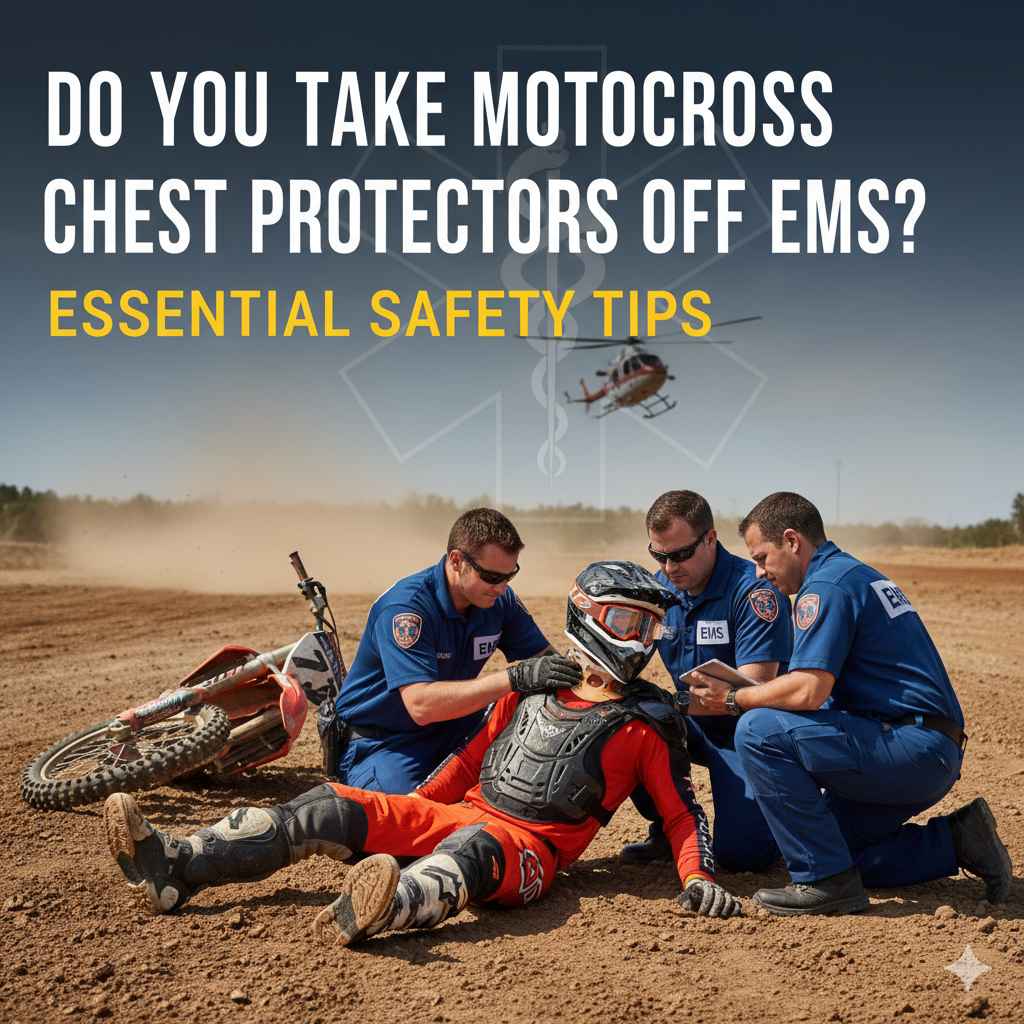
When dealing with injuries in motocross accidents, one question often arises among emergency responders and riders alike: do you take motocross chest protectors off EMS? This question addresses the critical balance between ensuring safety and providing timely medical care. Motocross chest protectors are designed to shield riders from impact and injuries during a ride, but their removal during emergency medical situations involves careful consideration. In this article, we’ll explore the reasons behind wearing chest protectors, the protocols EMS should follow, and essential safety tips both riders and responders should know.
Understanding Motocross Chest Protectors and Their Importance
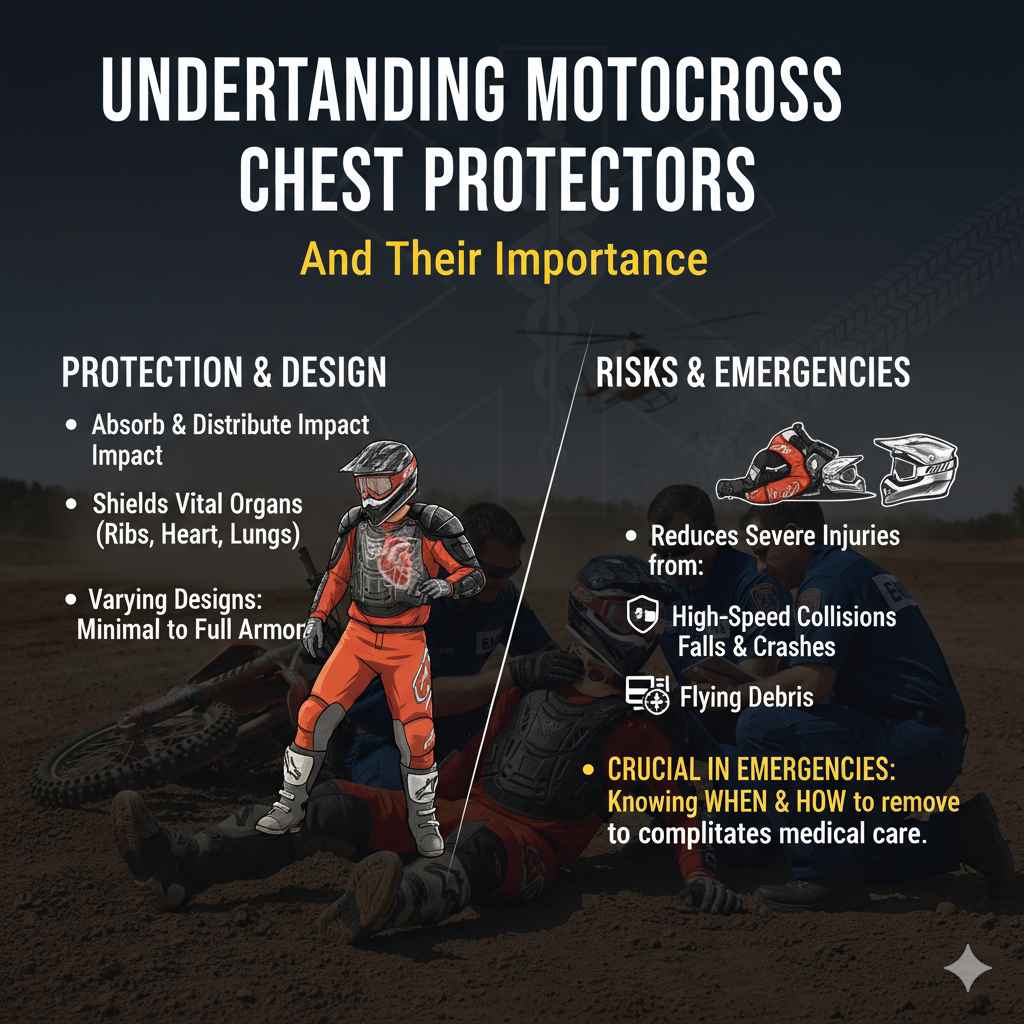
Motocross chest protectors are fundamental safety gear designed to absorb and distribute the force of impacts, protecting vital organs like the ribs, heart, and lungs from injury. These protectors vary in bulk and design, ranging from minimalist chest guards to full upper body armor with back protectors.
Given the inherent risks of motocross, such as high-speed collisions, falls, and flying debris, this gear significantly reduces severe injuries. However, this same gear can complicate emergency medical assessment and treatment. Thus, understanding how and when to remove it is crucial in emergencies.
Do You Take Motocross Chest Protectors Off EMS? The EMS Perspective
For emergency medical services (EMS) professionals, the primary goal is to maintain the rider’s airway, breathing, and circulation—often referred to as the ABCs of trauma care—while preventing further injury, especially to the spine.
When Should EMS Remove the Chest Protector?
The short answer is: EMS should not remove motocross chest protectors unless absolutely necessary. Most EMS protocols recommend leaving protective equipment like chest protectors in place during initial assessment and spinal immobilization for several reasons:
– Spinal Stability: Removing chest protectors can destabilize the spine, especially if the rider has suffered trauma to the neck or back.
– Protection: The chest protector may be providing continued protection against further injury before the rider is safely immobilized.
– Assessment Time: EMS may need to perform ongoing assessments, and unnecessary removal can delay transport to the hospital.
However, chest protectors should be removed if:
– The equipment interferes with airway management, including endotracheal intubation.
– It obstructs emergency procedures such as chest compressions during CPR.
– There is visible evidence of severe injury beneath the gear that requires immediate intervention.
How Does EMS Remove the Chest Protector Safely?
If removal is necessary, EMS personnel should follow safe techniques:
– Use of Tools: EMS often carries specialized cutting tools to carefully cut chest protectors without moving the rider excessively.
– Spinal Precautions: The rider should be fully immobilized using a cervical collar and backboard before removal to prevent spinal movement.
– Team Coordination: Multiple responders should work together, with one stabilizing the head and neck while another carefully removes the gear.
Essential Safety Tips for Riders and EMS
For Riders
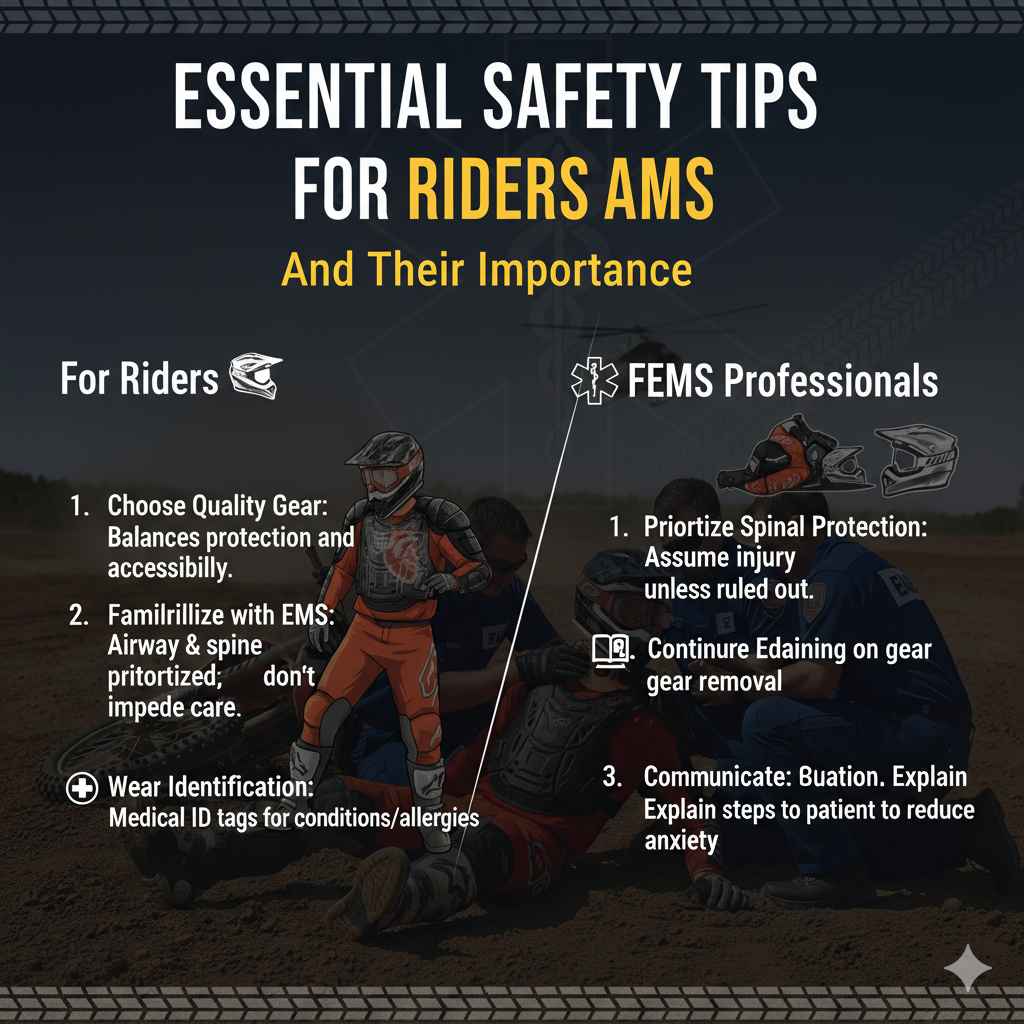
1. Choose Quality Gear: Opt for chest protectors that balance protection and accessibility during emergencies.
2. Familiarize Yourself with EMS: Know that EMS will prioritize your airway and spine over removing your gear, so wearing gear that doesn’t impede medical care is helpful.
3. Wear Identification: Consider wearing medical ID tags inside or near your chest protector that detail any pre-existing conditions or allergies.
For EMS Professionals
1. Prioritize Spinal Protection: Always assume spinal injury in high-impact motocross accidents unless ruled out.
2. Continue Education: Regular training on handling motocross safety gear can improve response times and patient outcomes.
3. Communicate: Keep the patient calm and explain the steps you’re taking before removing any gear to reduce anxiety.
Conclusion
Whether or not you take motocross chest protectors off EMS depends heavily on the situation and the rider’s condition. Generally, the gear stays on to maintain spinal stability and protect vital areas during the critical first moments of emergency care. Only when airway management or life-saving procedures demand it should EMS remove the chest protectors—and this must be done carefully and methodically.
For motocross enthusiasts, understanding these protocols can help in making informed decisions about safety equipment and emergency preparation. For EMS responders, staying skilled in handling such protective gear is essential to balancing injury prevention and effective treatment. Ultimately, the goal is to ensure that every motocross rider receives the safest and most efficient care possible when accidents happen.