Ballistic Jersey Vs Chest Protector: Essential Gear
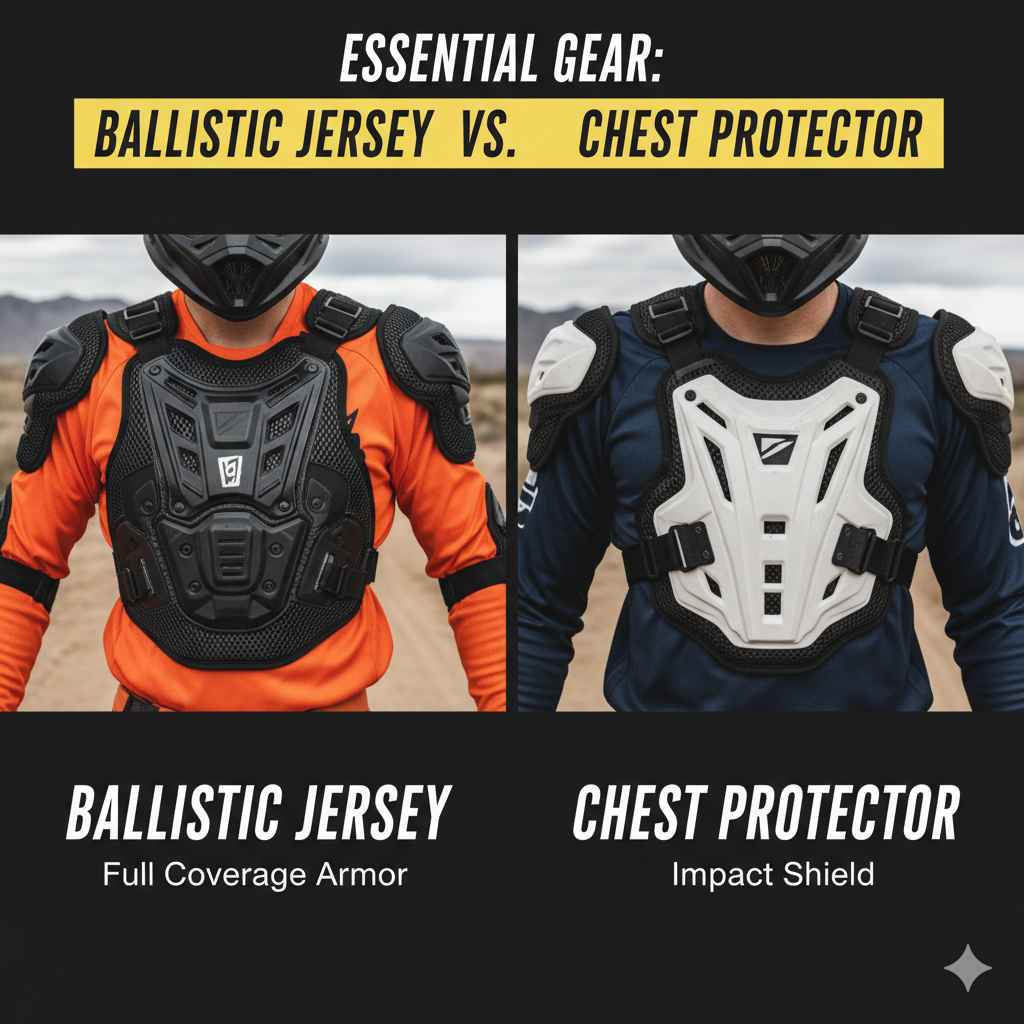
Ballistic jersey vs chest protector: For beginners, a ballistic jersey offers light protection and comfort for mild risks, while a chest protector provides superior, hard-shell defense against serious impacts, making the choice dependent on your specific archery discipline and safety needs.
Welcome, fellow archer! Getting your gear right is one of the most exciting—and sometimes confusing—parts of starting archery. You want to be safe, but you don’t want bulky equipment slowing you down. A common question I hear is about chest protection: Should I wear a ballistic jersey or a traditional chest protector? It feels like a big decision when you are just trying to hit the target consistently. Don’t worry! We will break down exactly what each piece does, who needs it, and how to choose the best one for your practice sessions. Let’s simplify this gear choice so you can focus on your draw and release.
Understanding Archery Safety Gear Basics
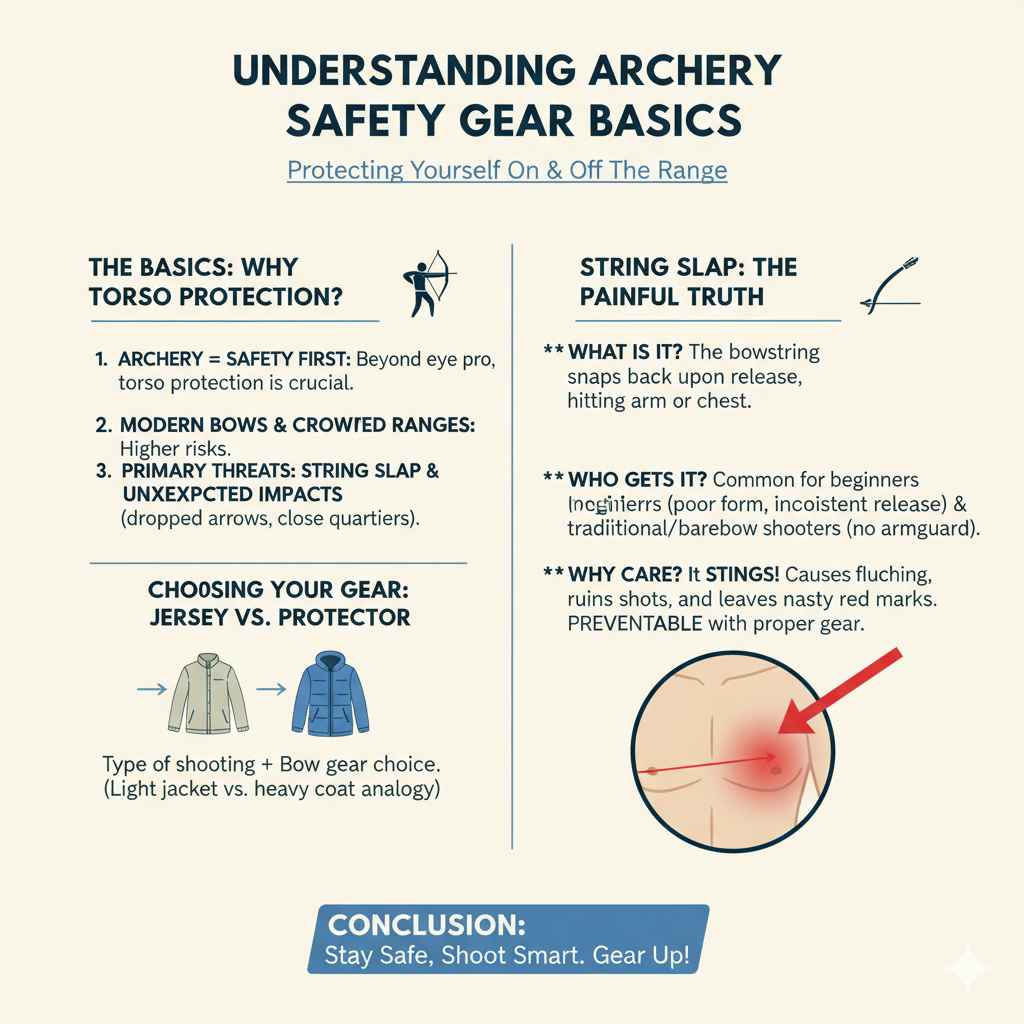
In archery, safety always comes first. Most of our focus is on eye protection, but for archers using modern bows or shooting in crowded ranges, torso protection is a smart step. We are primarily talking about protecting against two things: the bowstring slapping your chest (a painful occurrence known as “string slap”) and unexpected impacts from dropped arrows or close-quarters shooting.
The choice between a ballistic jersey and a chest protector depends heavily on the type of shooting you do and the power of your bow. Think of it like choosing between a light jacket and a heavy coat—both offer protection, but for very different weather conditions.
What is String Slap and Why Should I Care?
String slap happens when your bowstring, upon release, snaps back and hits your arm or chest area. This is extremely common when beginners are learning proper form, especially if their anchor point is inconsistent or their release is sloppy. While it might not cause serious injury, it stings a lot and can certainly make you flinch, which ruins your next shot.
For traditional or barebow shooters, the risk of string slap is often higher, especially when shooting without an armguard. If the string brushes the chest area, it can leave a nasty red mark. A good piece of chest gear prevents this immediate discomfort.
Ballistic Jersey: Light Coverage Meets Modern Comfort
A ballistic jersey sounds very high-tech, but in the archery world, it usually refers to specialized shooting shirts designed with integrated, lightweight padding or tough, abrasion-resistant fabric in key areas. They are the modern solution for comfort and flexibility.
What Makes a Jersey “Ballistic”?
When archery gear manufacturers use the term “ballistic” regarding a jersey, they usually mean the fabric is highly durable, often interwoven with materials that resist tearing or friction better than a standard t-shirt. They are generally not rated to stop a high-speed arrow (that’s specialized tactical gear!), but they offer excellent protection against scraping and low-speed impacts, like a light string slap.
Pros of Using a Ballistic Jersey
- Comfort and Breathability: They feel like a regular athletic shirt, perfect for hot weather or long practice sessions.
- Flexibility: They move easily with your body, which is crucial for maintaining good shooting form.
- Discretion: They are slim and can often be worn comfortably under an outer layer if needed.
- Light Protection: Excellent for preventing mild string slap or chafing from stabilizer weights or rests.
Cons of Using a Ballistic Jersey
- Limited Impact Resistance: They will not absorb the energy from a significant impact, like a heavy bow accidentally falling against you.
- Less Coverage: Protection is usually focused on the chest and upper torso, leaving the sides and lower ribs exposed.
Who Should Choose a Ballistic Jersey?
This gear is fantastic for the archer who:
- Primarily shoots recurve or compound bows at moderate draw weights (under 50 lbs).
- Is learning form and needs something comfortable to wear all day.
- Shoots in competitive target formats where bulky gear might hinder movement.
- Needs protection mainly against light string slap, not heavy accidental impacts.
The Classic Chest Protector: Heavy-Duty Defense
The traditional chest protector (sometimes called a rib vest or torso guard) is the robust option. These pieces are built with thicker, often rigid or semi-rigid materials to offer substantial defense across a larger surface area of the torso.
Anatomy of a Chest Protector
Unlike a jersey, a protector is a standalone piece of equipment. It straps onto your body using adjustable buckles or Velcro closures. They often feature:
- Thick foam padding, sometimes layered.
- Hard plastic plates or reinforced inserts in high-risk areas.
- Full coverage from the shoulder down to the midriff.
The primary goal of a heavy chest protector is to dissipate and spread out the force of an impact, preventing localized bruising or injury. Organizations like the National Field Archery Association (NFAA) or those involved in 3D target shooting might recommend or require more substantial protection depending on the range setup and arrow recovery rules.
Pros of Using a Chest Protector
- Superior Impact Absorption: Excellent at cushioning hard hits, protecting ribs and vital areas.
- Wider Coverage: Typically covers a much larger area of the torso compared to a jersey.
- Essential for High Power: Highly recommended for archers using very high draw weight bows (e.g., 60+ lbs compound bows).
- Durability: Built to withstand rough handling and repeated impacts.
Cons of Using a Chest Protector
- Bulk and Heat: They can feel hot, bulky, and restrictive, especially indoors or during long shoots.
- Slower to Put On: Requires strapping and adjusting every time you shoot.
- Potential Form Interference: If poorly fitted, the bulk might interfere with drawing cleanly past the shoulder or chest area.
Who Should Choose a Chest Protector?
This heavier gear is the go-to choice for archers who:
- Shoot extremely powerful bows (e.g., competition compound archers).
- Participate in field archery or 3D shoots where arrows might ricochet or fall unpredictably.
- Are recovering from an injury or simply prefer maximum physical security.
- Are nervous beginners who flinch often and need the reassurance of solid padding.
Ballistic Jersey Vs Chest Protector: Head-to-Head Comparison
To make this decision crystal clear, let’s compare the key differences side-by-side. This table should help you match the gear to your shooting style.
| Feature | Ballistic Jersey | Chest Protector (Torso Guard) |
|---|---|---|
| Primary Function | Light abrasion resistance and mild string slap mitigation. | Heavy impact absorption and broad area protection. |
| Material Feel | Flexible, athletic fabric, often padded thinly. | Thick foam, sometimes with hard plastic inserts. |
| Comfort/Heat | High comfort, very breathable. | Lower comfort, tends to run warmer. |
| Ease of Use | Slip on and go (like a shirt). | Requires buckling/strapping adjustments. |
| Best For | Beginners, target practice, moderate draw weights. | High draw weights, 3D/Field shooting, maximum safety. |
Making Your Final Decision: It’s About Your Draw Weight
If you are unsure where to start, use your bow’s draw weight as the primary guide. Draw weight is a critical safety factor in archery, as the more powerful the bow, the harder the string hits, and the greater the risk of injury from a ricochet or misfire.
Draw Weight Guidelines for Gear Selection
While regulations vary by club, here is a general, beginner-friendly guideline:
- Under 30 lbs (Youth/Light Recurve): An armguard is usually sufficient. A ballistic jersey is optional, mostly for comfort or light string slap prevention.
- 30 lbs to 50 lbs (Intermediate Recurve/Light Compound): A ballistic jersey is a great choice for comfort and light protection. A light chest protector might be worn if string slap is a recurring issue.
- 50 lbs and Above (Serious Compound/Traditional): A substantial chest protector is highly recommended. The force generated by these bows demands better impact absorption than a jersey can offer.
Remember, safety equipment should never be so uncomfortable that it makes you change your stance or avoid practicing. If the protector is too bulky, you might unconsciously alter your posture to avoid it, which harms your form more than it helps your safety.
A Note on Fit and Adjustability
No matter which you choose, fit is everything. A piece of protective gear that slides around or bunches up offers no protection at all. It might even become a hazard itself by snagging on your bowstring path.
When trying on a chest protector, make sure:
- The straps are snug but do not restrict your breathing or shoulder movement when you draw the bow fully.
- The padding sits flat against your body.
- There are no gaps where the string could potentially slip past the edge upon release.
For ballistic jerseys, ensure the material hugs your body correctly. Too loose, and it will shift; too tight, and it will bind your drawing arm.
Integrating Protection with Proper Technique
I always tell my students: gear is a supplement to good form, never a replacement for it. The best protection is learning to shoot correctly so that your string never hits you in the first place.
The Role of the Armguard
Before worrying about the chest, make sure you are using an armguard on your bow arm. This is non-negotiable for beginners! An armguard protects the inner part of your forearm from string slap, which is the most common impact point. Check out resources from organizations like USA Archery for detailed guides on proper armguard placement, as even a slight misalignment can make it ineffective.
If you are disciplined about using your armguard and focusing on form, string slap on the chest becomes much less frequent, perhaps making the lightweight ballistic jersey sufficient for your needs.
When to Upgrade Your Gear
As your archery journey progresses, your needs change. If you move from shooting 30 lbs to 55 lbs, that jersey that felt fine might suddenly feel inadequate. Listen to your body. If you are consistently getting red marks or bruises on your ribs or chest, it is a clear sign you need to transition to a more robust chest protector.
Growth in archery should be matched by corresponding safety upgrades. Don’t let gear insecurity hold you back from exploring higher-powered bows when you are ready for that step.
A Look at Specialized Shooting Vests
Sometimes, the perfect solution isn’t strictly one or the other, but a hybrid: the shooting vest.
Shooting vests often combine the look and feel of a comfortable jersey with targeted, thin padding built into the chest area, usually only on the side where the string travels. These are very popular in competitive target archery.
Features of a Hybrid Shooting Vest
- Built-in Padding: Offers slight protection against string slap without the bulk of a full vest.
- Accessory Storage: Many vests feature pockets designed to hold scorecards, rangefinders, or an extra set of arrow points, making them practical for the range.
- Lightweight Frame: Generally lighter than a true chest protector but more protective than a standard ballistic jersey.
If you find the full chest protector too much but the ballistic jersey not quite enough, exploring high-quality shooting vests designed for your bow type (recurve vs. compound) can often bridge that gap perfectly.
Maintenance Tips for Your Chest Protection
Whether you choose a jersey or a protector, taking care of your gear ensures it lasts longer and provides reliable protection when you need it most. Archery gear spends a lot of time in bags, exposed to sweat, and sometimes left in the car.
Caring for Your Ballistic Jersey
Since these are often made from synthetic, athletic materials, care is similar to high-quality workout gear:
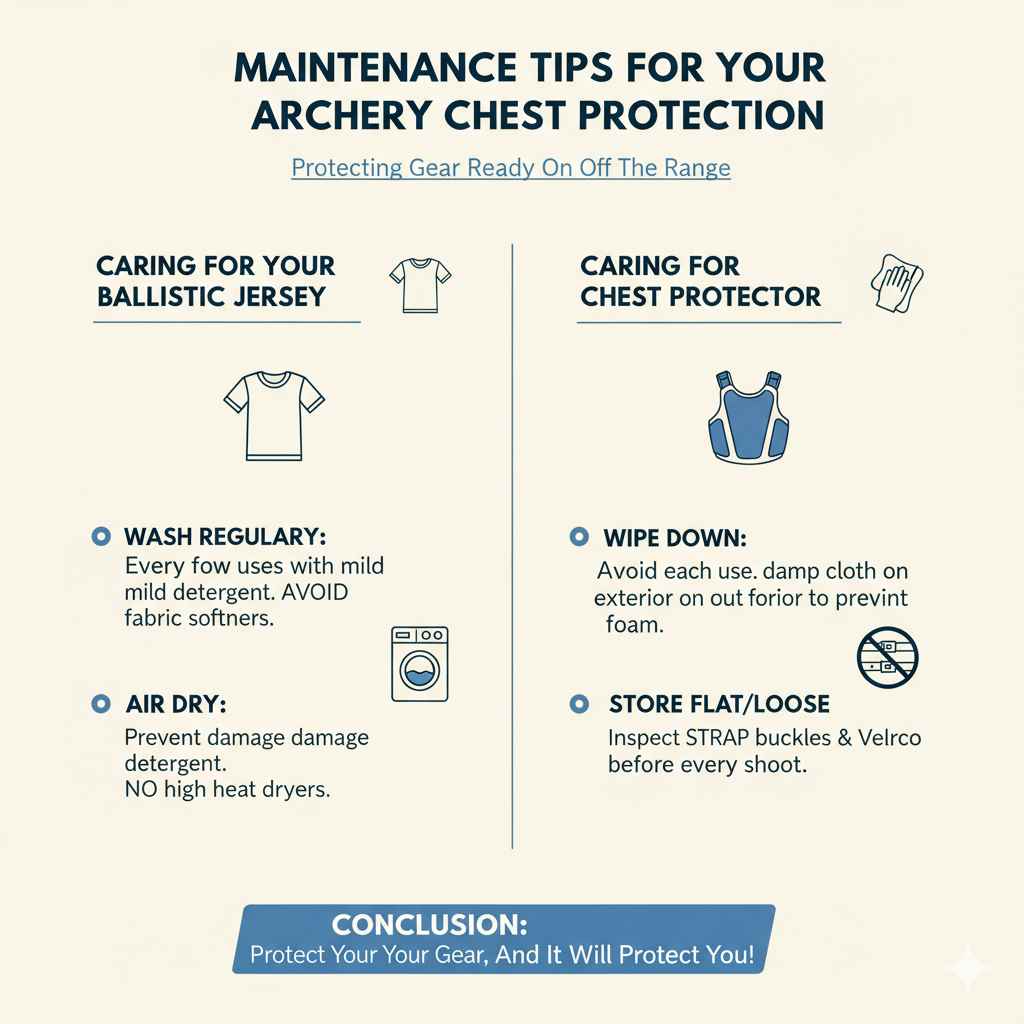
- Wash after every few uses to prevent odor buildup.
- Use mild detergent and avoid harsh fabric softeners, which can sometimes degrade synthetic fibers over time.
- Air dry whenever possible. High heat in a dryer can damage any integrated padding or specialized stitching.
Caring for Your Chest Protector
The protector needs more robust care due to its foam and plastic components:
- Wipe down the exterior and interior foam padding with a damp cloth after use, especially if you sweat heavily.
- Never fold or tightly compress the foam for long periods; this can cause permanent creases that create weak spots or uneven padding.
- Inspect the straps and buckles before every shoot. If the Velcro is worn out, the protector won’t stay tight, rendering it useless.
Proper maintenance ensures that the protective material remains resilient and effective, offering you consistent peace of mind shot after shot.
FAQ: Quick Answers for Beginner Archers
Q1: Do I need chest protection if I only shoot a recurve bow?
A: Not always, but it is wise if you have a high draw weight (over 40 lbs) or frequently struggle with string slap. For lower weights, a good armguard is usually the priority.
Q2: Can a standard compression shirt work instead of a ballistic jersey?
A: A compression shirt offers no significant abrasion or impact resistance. A ballistic jersey uses tougher, specialized weaves to actually stop light scraping or contact damage; a standard shirt will tear easily.
Q3: How tight should my chest protector be?
A: It should be snug enough that it does not shift when you move or draw your bow, but loose enough that you can take a deep breath without feeling restricted. You should be able to slip a finger easily between the edge of the protector and your skin when it’s fastened.
Q4: Does the material of my bow affect my protection needs?
A: Yes. Compound bows generate more kinetic energy and have faster, harder string snaps than traditional wooden longbows. Therefore, compound archers generally benefit more from robust protection like a chest protector.
Q5: Where can I find reliable information on bow safety standards?
A: Reputable national organizations often publish safety guides. For instance, resources provided by organizations like the National Archery in the Schools Program (NASP) or the World Archery Federation often have beginner safety checklists you can reference to ensure you meet general safety guidelines.
Q6: Is it okay to wear both a ballistic jersey AND a chest protector?
A: Yes, this is common practice for archers wanting maximum comfort and maximum protection. You wear the ballistic jersey as your base layer (for sweat wicking and comfort), and then strap the protective vest over it. This combination works very well.
Conclusion: Choosing Confidence Over Confusion
Deciding between a ballistic jersey and a chest protector comes down to balancing comfort against the level of force your bow produces. For most archers starting out with moderate gear, the lightweight comfort and breathability of a ballistic jersey is the perfect fit—it keeps you comfortable while warding off the minor annoyances of string slap.
However, as your draw weight increases or if you transition to more intense field shooting, upgrading to a sturdy chest protector is a vital safety investment. It adds significant peace of mind by guarding your ribs against those heavier, unexpected impacts.
Remember my advice: start where you are comfortable, prioritize form, and use the draw weight of your current bow as your guiding light. Whichever path you choose, know that you are taking smart, proactive steps toward a long, safe, and enjoyable career in archery. Happy shooting!