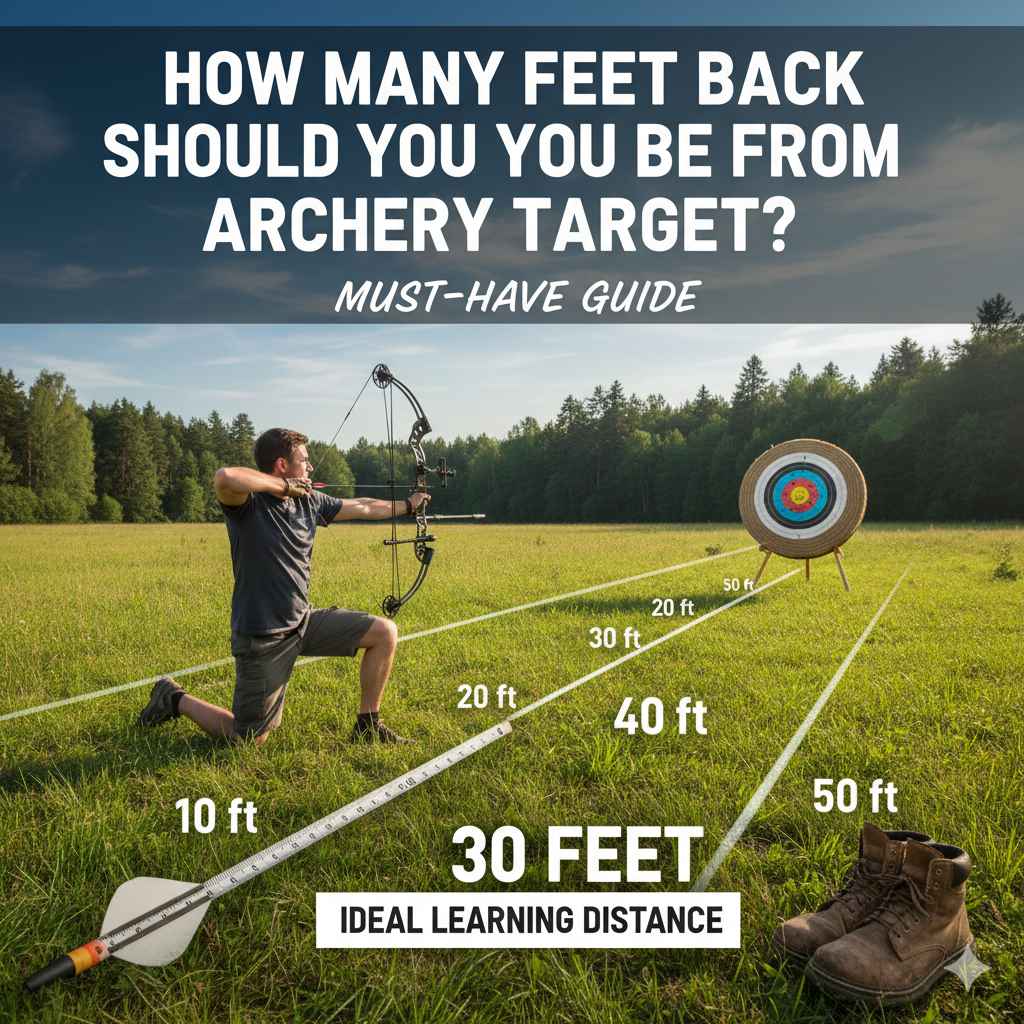
If you’re new to archery or even an experienced archer looking to sharpen your skills, one common question comes up: how many feet back should you be from an archery target? The distance you position yourself from the target is crucial not only for safety but also for improving accuracy, developing technique, and making the most of your practice sessions. This must-have guide will walk you through the recommended distances to shoot from, based on skill levels, competition standards, and various archery disciplines.
Understanding the Basics of Archery Distance
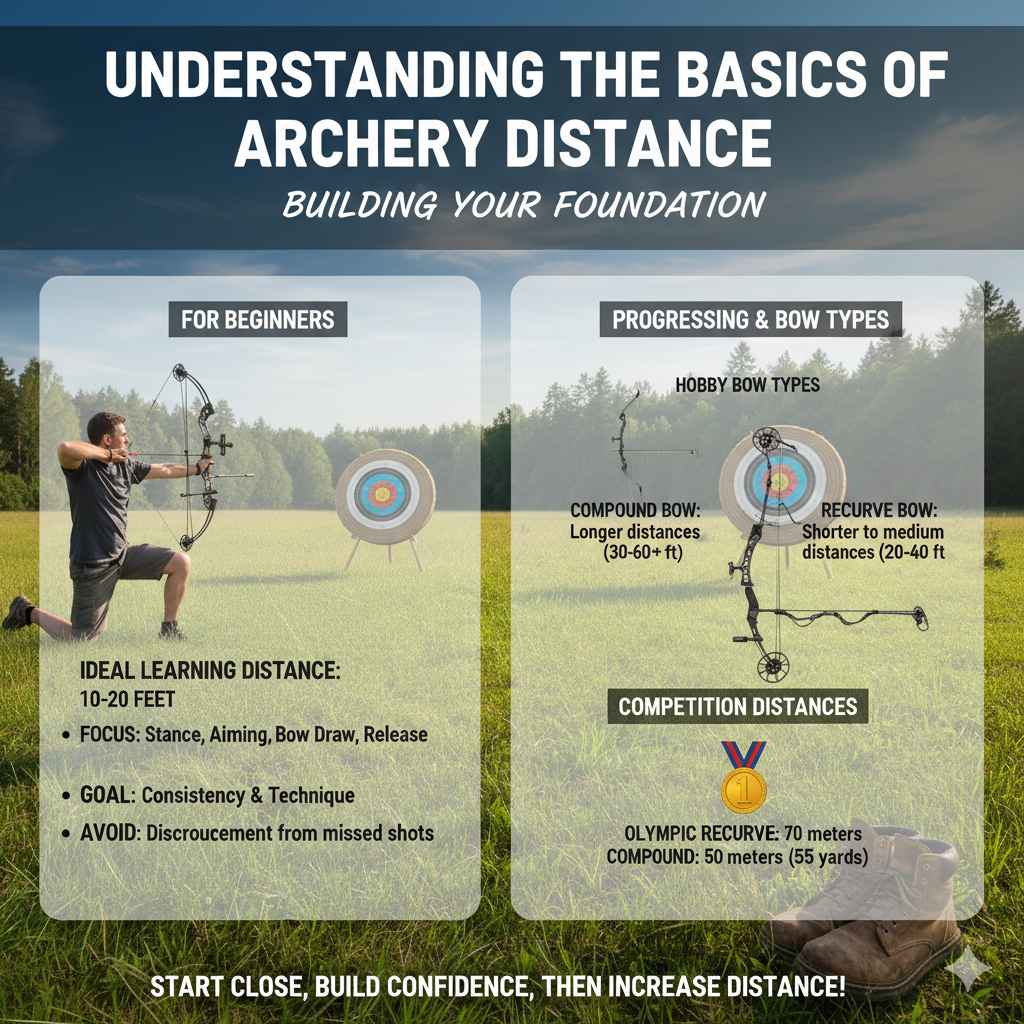
When starting in archery, it’s essential to build a foundation with shots taken at a comfortable and manageable distance. This allows beginners to focus on core techniques like stance, aiming, bow draw, and release without being discouraged by missed shots. But how far should you stand back? The answer varies depending on whether you’re practicing recreationally, training for competition, or shooting hobby bow types like compound or recurve.
How Many Feet Back Should You Be From Archery Target: Recommended Distances by Skill Level
Beginner Archers
For those just picking up a bow, it’s best to start close to build confidence and establish proper form. Many instructors recommend beginning at:
– 5 to 10 feet (1.5 to 3 meters) from the target.
At this distance, beginners get immediate feedback on where their arrow lands, allowing quick adjustments without frustration. As accuracy improves, gradually increase the shooting distance to foster stronger muscle memory and control.
Intermediate Archers
Once you have a steady form and consistent grouping, you can move back to challenge your precision. Standard practice distances for intermediate levels are:
– 15 to 25 yards (45 to 75 feet).
At these ranges, archers develop the ability to control their shot under more realistic conditions, similar to what they might face in friendly competitions or hunting environments.
Advanced and Competitive Archers
Competitive archery typically involves shooting at longer and more regulated distances. The exact spacing depends on the type of competition and bow style.
– Olympic recurve archers shoot targets at distances of 70 meters (about 230 feet).
– Field archery ranges can vary widely but often involve distance shooting from 10 meters to 60 meters (33 to 197 feet).
– 3D archery, which simulates hunting, involves shooting at targets placed at various distances, often between 5 and 45 yards (15 to 135 feet).
Regardless of the distance, advanced archers always prioritize consistent technique over raw range length.
How Many Feet Back Should You Be From Archery Target in Practice vs. Competition
The answer to this question further depends on whether your shooting is casual or competitive. In practice, shooters benefit from starting relatively close and increasing distance only as their skill warrants. This progressive approach reduces frustration and builds positive reinforcement.
For formal competitions, you must adhere strictly to established distance rules. For example, World Archery Federation standards specify 70 meters for men’s outdoor recurve, and various junior categories may compete at shorter distances. Compound bow competitions often include distances like 50 meters, highlighting the importance of targeting skills at long ranges.
Safety Considerations When Positioning Yourself from the Archery Target
While the exact distance focuses on performance, safety is paramount too. Always maintain a clear shooting lane behind and around the target to prevent accidents. Basic safety rules recommend:
– Standing behind the shooting line until everyone is ready.
– Ensuring no one is downrange before firing.
– Using backstops or proper target butts to catch stray arrows.
– Never shooting arrows when people or pets are nearby.
By respecting these guidelines, you can enjoy archery safely, regardless of your chosen shooting distance.
How Equipment Affects Shooting Distance
Your choice of bow and arrow also influences the ideal shooting distance. For instance:
– Youth bows or beginner recurves usually perform best at shorter ranges since they generate less kinetic power.
– Compound bows with higher draw weights allow longer, more accurate shots, facilitating greater distances.
– Traditional longbows may require more strength and technique to maintain accuracy at extended ranges.
Understanding your equipment’s capabilities will help you select the appropriate distance for effective practice.
Tips for Practicing at Different Distances
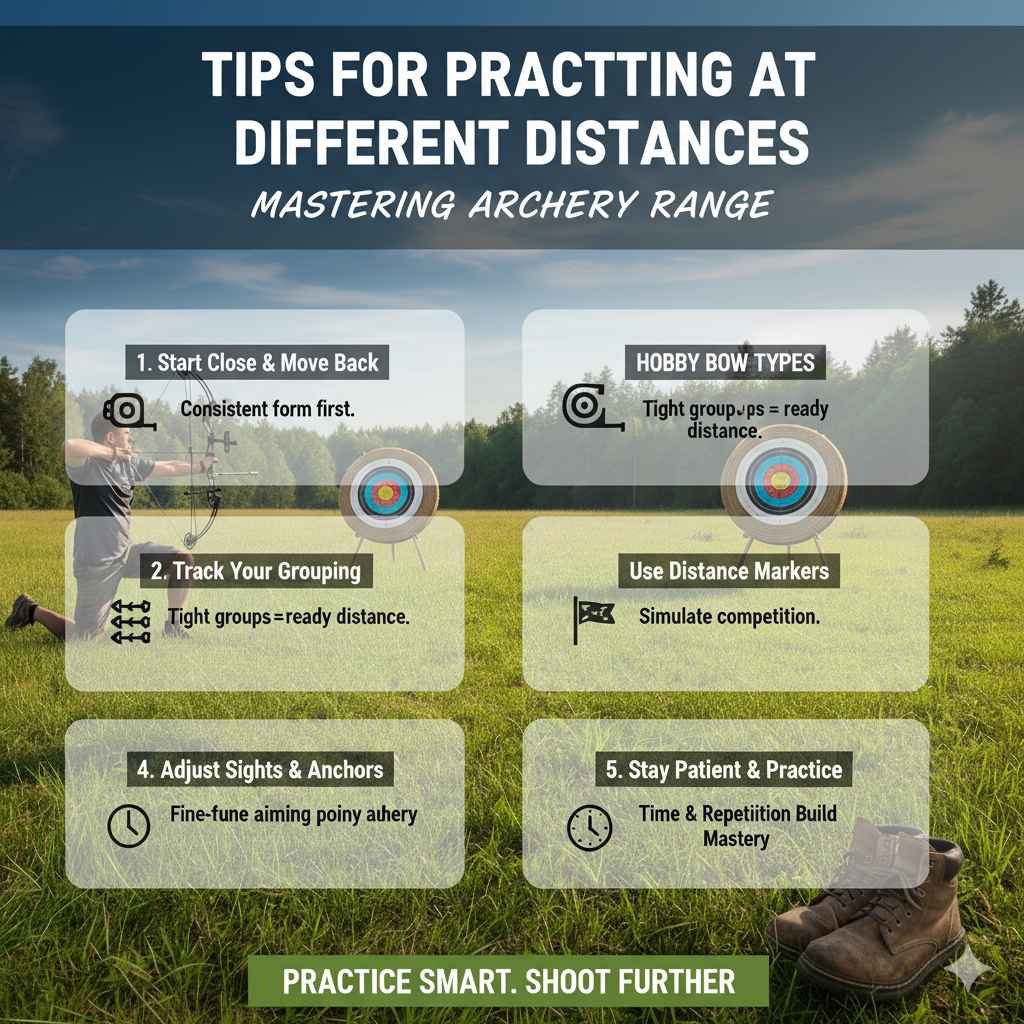
1. Start close and gradually move back: Ensure consistent form before increasing distance.
2. Keep track of your grouping: Tight groupings at shorter ranges indicate readiness to try longer shots.
3. Use markers at incremental distances: This visual aid helps simulate competition conditions.
4. Adjust sights and anchors carefully: Distance affects your aiming parameters.
5. Stay patient and practice regularly: Mastery at longer distances comes with time and repetition.
Conclusion
Determining how many feet back you should be from an archery target depends largely on your skill level, equipment, and the context of shooting. Beginners should start as close as 5-10 feet, intermediate archers at 45-75 feet, and competitive shooters at regulated distances extending beyond 200 feet. Always balance challenge with safety, and remember that consistent practice at a manageable distance is key to improving accuracy and enjoying archery to its fullest.
Whether for fun or competition, understanding and respecting your optimal shooting distances will pave the way for a rewarding archery experience. So, grab your bow, measure your steps, and let every arrow fly true!