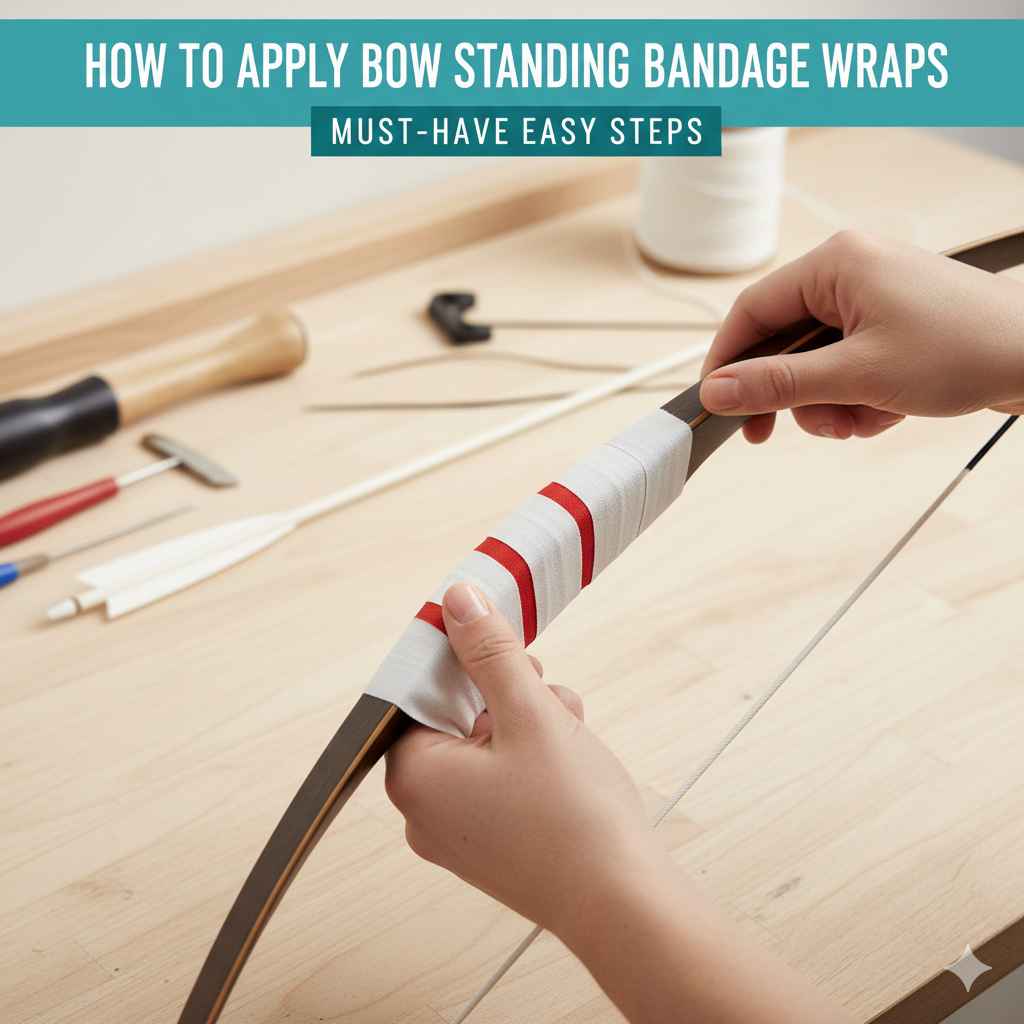
When it comes to caring for horses, knowing how to apply bow standing bandage wraps correctly is an essential skill for any equestrian or horse caretaker. Bow wraps are primarily used to support and protect a horse’s legs during exercise, turnout, or recovery from injury. Proper application ensures the wrap provides the right amount of support without causing discomfort or further injury. In this article, we will guide you through the must-have easy steps to apply bow standing bandage wraps effectively and safely.
Understanding the Purpose of Bow Standing Bandage Wraps
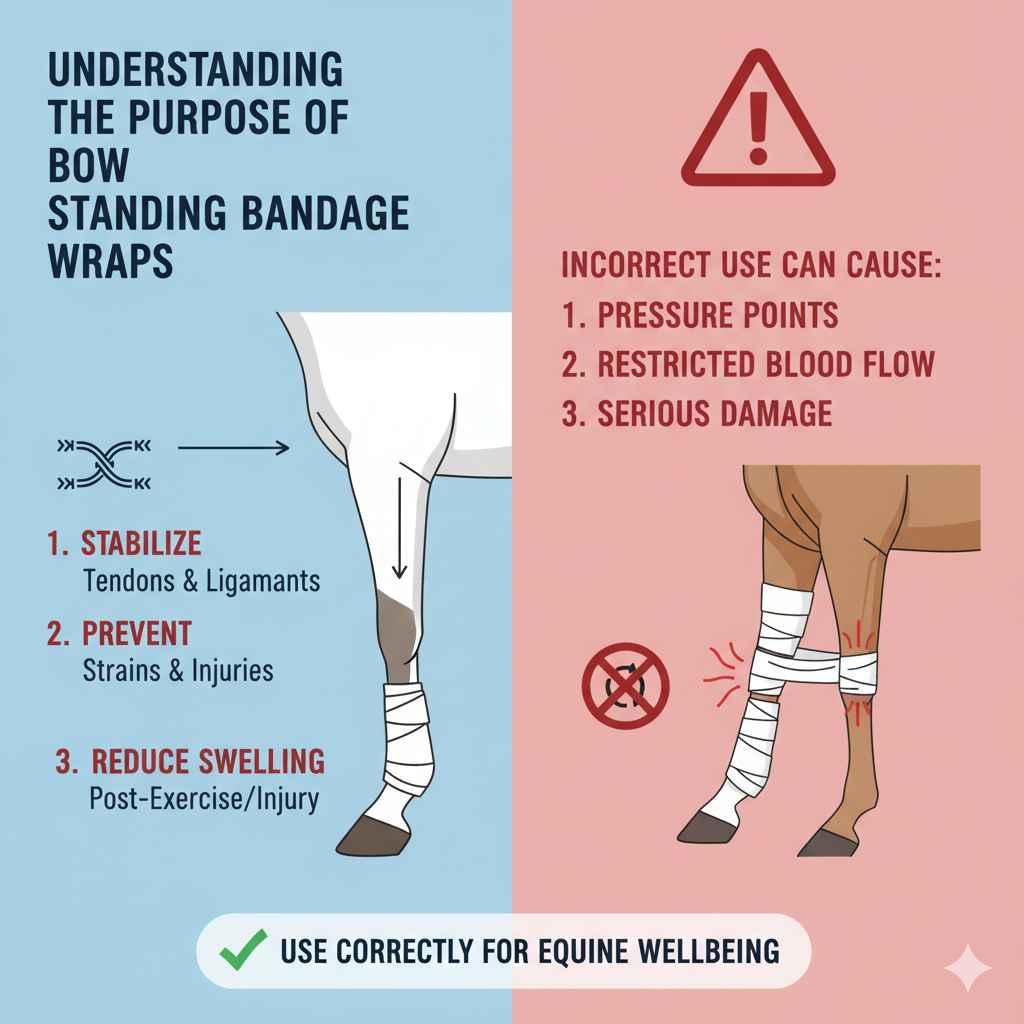
Before diving into the application process, it’s important to understand why bow wraps are used. Bow wraps help stabilize the tendons and ligaments, particularly at the front of the horse’s legs, preventing strains and injuries. They are also used to reduce swelling after intense exercise or injury. Using bow wraps incorrectly, however, can cause pressure points or restrict blood flow, potentially leading to serious damage.
Gather the Necessary Materials
To get started, ensure you have the appropriate materials:
– Clean, dry horse legs
– A polo wrap or standing bandage (usually 4 to 6 inches wide)
– A clean cloth or soft sock for padding (optional but recommended)
– Medical or pre-wrap tape (optional for securing the bandage)
Having everything ready beforehand will make the wrapping process smoother and safer for your horse.
Step-by-Step Guide: How to Apply Bow Standing Bandage Wraps
1. Prepare Your Horse’s Legs
Begin by cleaning your horse’s legs thoroughly. Remove any dirt, mud, or debris, as these can cause irritation beneath the wrap. Dry the legs completely, since moisture trapped under the wrap can breed bacteria leading to infections.
2. Position the Horse Correctly
If possible, wrap the bandages while your horse is standing squarely on a flat surface. This helps ensure the proper tension and placement of the bandage. Ask a helper to hold the horse for you if needed.
3. Start Wrapping from the Cannon Bone
Place the end of your padding (if using) or the standing bandage slightly above the fetlock (the area just above the hoof) on the front of the horse’s leg. The key to effective wrapping is applying firm but gentle pressure.
4. Apply Even Tension and Maintain Consistency
When learning how to apply bow standing bandage wraps, it’s crucial to keep the tension even throughout the process. Uneven wrap pressure can cause areas of swelling or restrict circulation. Roll the bandage around the leg in a smooth, spiral motion, moving upward toward the knee or hock.
5. Create the Bow Shape
The distinctive “bow” shape is created by wrapping the bandage in a figure-eight pattern around the leg. Start with one diagonal cross from below the fetlock, crossing over the front of the leg, and continuing up diagonally before crossing back down. This crisscross motion provides added support to the tendons and mimics the natural bow shape of the leg.
6. Cover the Entire Front of the Leg
Continue the figure-eight wrapping until you’ve covered the front of the lower leg fully. Make sure the bandage lies flat and smooth, with no wrinkles or folds, which can cause pressure points.
7. Secure the Bandage Properly
Once you have reached the desired height (usually just below the knee or hock), secure the end of the wrap with the Velcro fastener or medical tape. Avoid wrapping too tightly around the fastener, as this can cause discomfort or restrict blood flow.
Tips for Safe and Effective Bow Wrap Application
– Check circulation frequently: After bandaging, check the horse’s toes for warmth and color. Cold or pale toes may indicate the wrap is too tight.
– Practice makes perfect: Especially if you are a beginner, practicing on a model or getting guidance from an experienced horse professional can be very helpful.
– Use fresh, clean wraps: Dirty or wet bandages can lead to skin issues or infections.
– Limit standing time: Bow wraps should not be left on for extended periods without supervision, particularly during turnout, as horses can easily damage the wraps.
Common Mistakes to Avoid
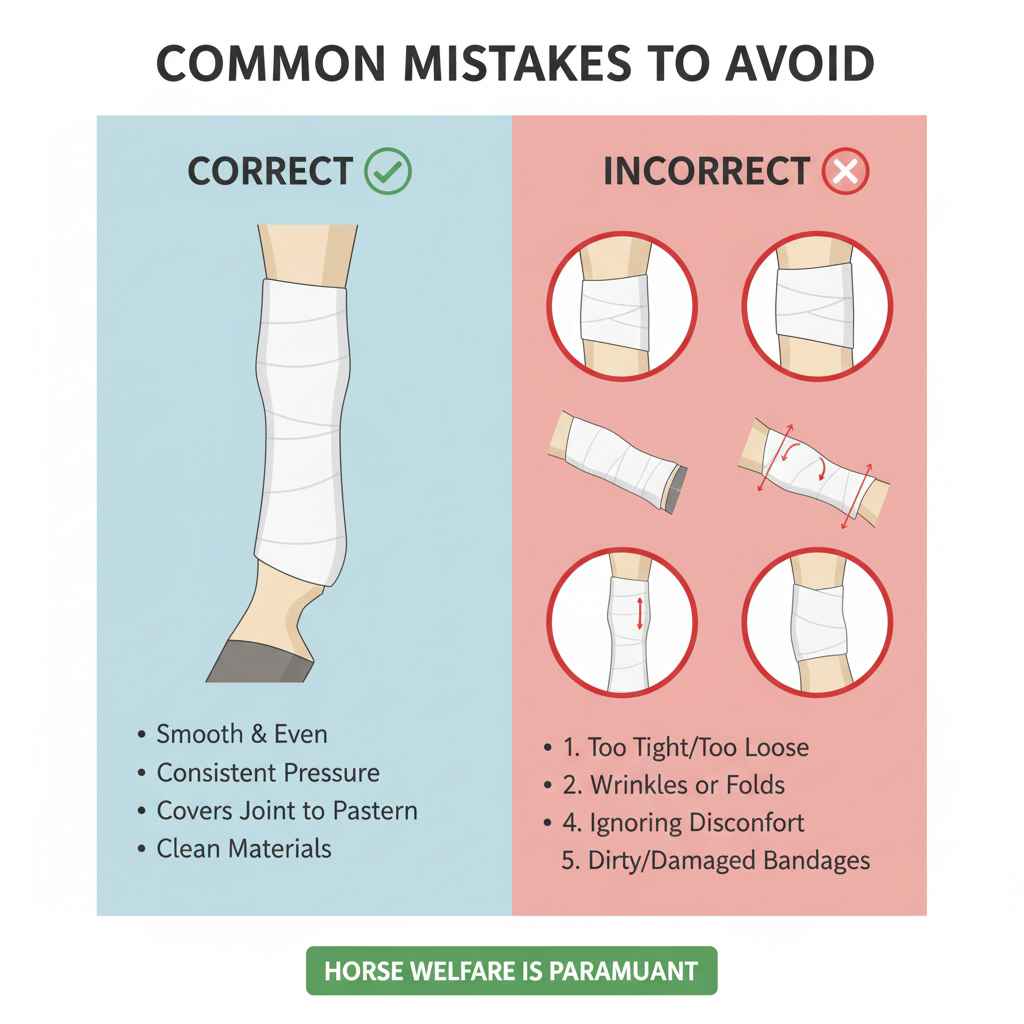
Learning how to apply bow standing bandage wraps correctly requires attention to detail. Some common mistakes to avoid include:
– Wrapping too tightly or too loosely
– Leaving wrinkles or folds in the wrap
– Not covering the entire front of the leg evenly
– Ignoring signs of discomfort from the horse during wrapping or wear
– Using damaged or dirty bandages
Conclusion
Mastering the art of how to apply bow standing bandage wraps can greatly benefit your horse’s leg health by providing necessary support and protection during activity and recovery. By following these simple, yet crucial steps, you ensure the wraps deliver maximum effectiveness without causing harm. Remember to keep your horse comfortable, monitor the wrapped legs regularly, and consult a veterinarian if you are treating an injury. With patience and practice, bow wrapping will become a straightforward and valuable part of your horse care routine.