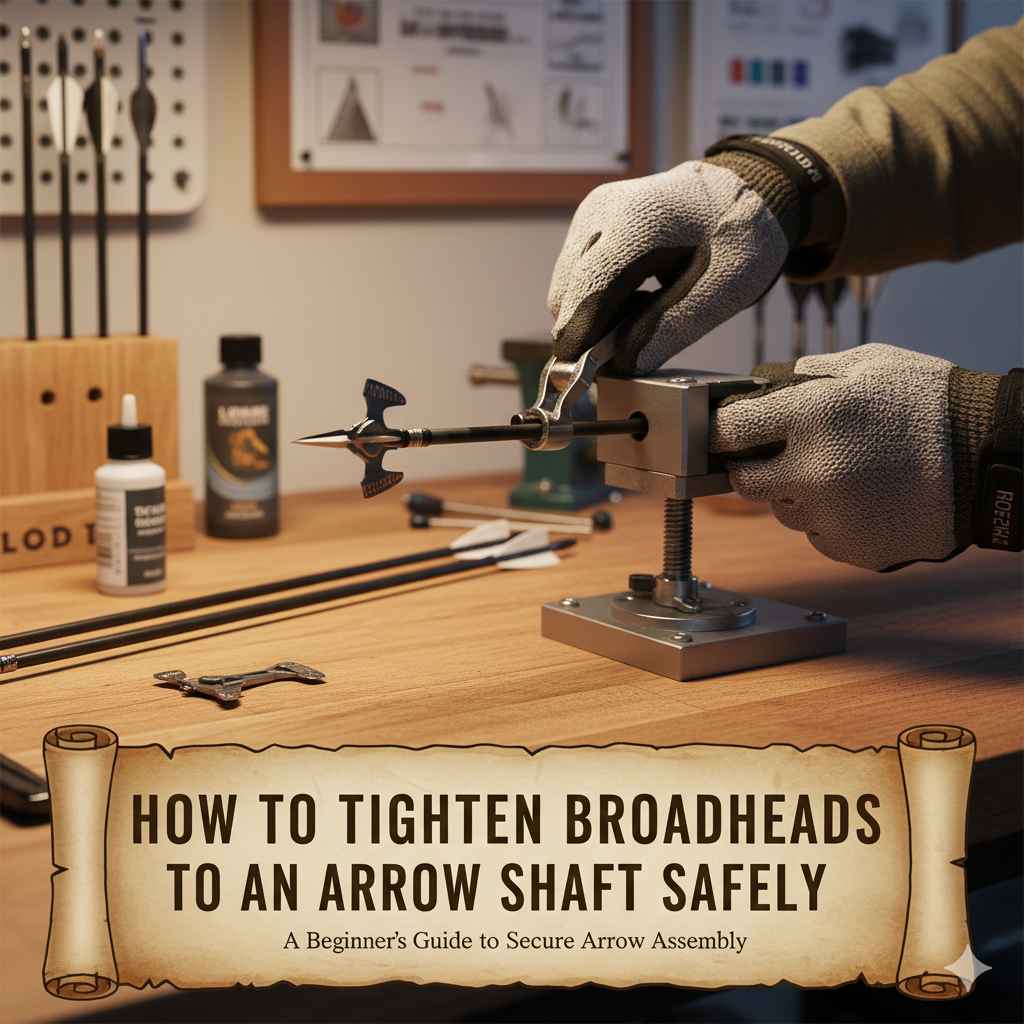
For many archers, especially those just starting, the process of figuring out How to Tighten Broadheads to an Arrow Shaft Safely can seem a bit tricky. There’s a real worry about damaging your arrows or even worse, getting hurt. But don’t let that hold you back! This guide is made to give you simple, step-by-step instructions. We’ll explore the tools you need and the methods to follow, making sure your broadheads are secure and ready for action. Let’s get started and learn how to do it right, safely and effectively.
Choosing the Right Tools for Secure Broadhead Attachment
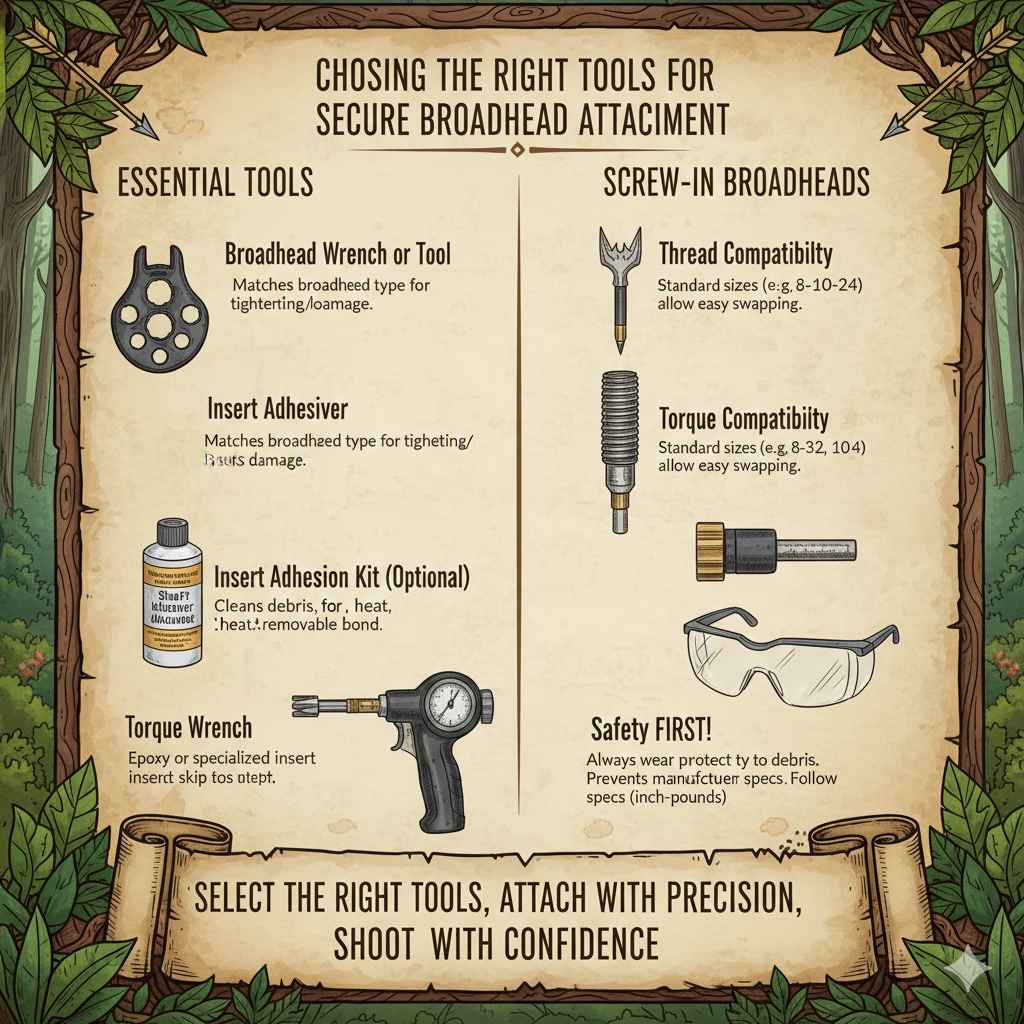
Selecting the correct tools is the first important step in ensuring your broadheads are tightly and safely attached. The right tools help prevent damage to your arrow shafts and ensure the broadheads stay firmly in place during flight and impact. There are a few essential items you will need, each playing a critical role in the setup. These tools will allow you to do the task correctly, giving you the best chance of successful hunting.
Essential Tools to Tighten Broadheads
The success of your broadhead attachment depends heavily on the tools you have. Make sure you use the appropriate wrench or tool designed for your specific broadhead type. Using the wrong tool can lead to damaged threads or insufficient tightening, both of which can lead to problems. Here’s a look at the essential tools you should have.
Broadhead Wrench or Tool: This tool is used to tighten and loosen broadheads to your arrow shafts. It needs to match the type of broadhead you’re using. Some broadheads come with their own wrenches, while others require a universal tool. Ensure the wrench fits the broadhead’s design to avoid damage.
Different broadhead styles require different tools. Some broadheads feature a set of small holes or a unique design that requires a specific wrench. Other broadheads use a more conventional screw-in design, in which case a standard broadhead wrench will work. Before you begin, take a look at your broadhead to identify the correct tool. Failure to use the right tool can cause damage to the broadhead, the arrow, or the hunter.
Arrow Shaft Preparation Kit (Optional): While not always necessary, prepping your arrow shafts can greatly improve the connection. This kit includes a shaft cleaner and, sometimes, an insert adhesive. The cleaner will get rid of any dirt or grease on the shaft or the insert. The adhesive, if used, ensures a secure bond between the insert and the shaft.
Using the adhesive creates an even stronger hold between the arrow components. The adhesive is normally a low-strength glue that can be removed with heat. Make sure that you follow the directions of the adhesive you have selected. A little adhesive can go a long way.
Torque Wrench (Highly Recommended): A torque wrench is a very important tool for achieving consistent and precise tightening of your broadheads. It helps you apply the correct amount of force, ensuring the broadhead is tight enough to not come loose during flight but not overtightened, which could damage the threads or the arrow shaft.
A torque wrench is a very important tool for achieving consistent and precise tightening of your broadheads. It helps you apply the correct amount of force, ensuring the broadhead is tight enough to not come loose during flight but not overtightened, which could damage the threads or the arrow shaft. There are torque wrenches specifically designed for archery, and they have the correct force measurements (usually inch-pounds). The torque rating can be found on the broadhead packaging. If you don’t use a torque wrench, you run the risk of under or over-tightening the broadheads, which can cause significant problems.
Safety Glasses: Safety first! Always wear safety glasses to protect your eyes from any debris that might fly off while working.
Safety glasses are a simple but very important tool that should always be used. Archery, by its nature, can be dangerous, as it involves the use of sharp tools and the potential for materials to be propelled with force. Safety glasses will keep small pieces of metal or debris from going in your eyes, and can prevent eye injury. This is an important step that should never be skipped.
Step-by-Step Guide for How to Tighten Broadheads to an Arrow Shaft Safely
Now that you’ve got your tools, you’re ready to get started. Following these steps carefully will ensure your broadheads are securely attached and ready for action. Remember, taking your time and being patient is key. Rushing the process could lead to problems, so take it one step at a time.
Arrow Shaft Preparation
Before you attach your broadheads, prepping your arrow shafts is a good practice. This step helps ensure a strong connection and can improve the overall performance of your arrows. Removing any dirt or old adhesive can make your setup stronger, and cleaner connections will help improve the flight of your arrows. Here’s how to prepare your arrow shafts.
Clean the Arrow Shaft: Use a shaft cleaner or rubbing alcohol to wipe down the area of the arrow where the insert will go. This removes any dirt, oil, or residue that could interfere with the connection.
Thorough cleaning ensures the arrow shaft and the broadhead insert are free from any substances that could affect the bond. Clean arrows fly straighter, and will prevent any debris from entering your broadhead and causing it to break. Make sure to wipe down both the interior and exterior of the arrow. This will help remove dirt and debris.
Inspect the Arrow Shaft: Look closely at the end of the shaft for any damage. If you see any cracks, dents, or other damage, it’s best to replace the arrow shaft.
Arrows can be damaged by many things, including hitting hard objects, exposure to extreme temperatures, or wear and tear. A damaged arrow will not fly straight and could be unsafe. Always inspect your arrows before use, and get new arrows if you see any cracks or other forms of damage.
Apply Adhesive (If Needed): Some archers choose to add a small amount of low-strength adhesive to the insert threads to make the connection more secure. If you choose to do this, use a small amount, following the adhesive manufacturer’s directions.
If you’re using adhesive, apply it evenly to the threads. This creates a stronger connection. Be cautious, as too much adhesive can make it difficult to remove the broadhead later on. The adhesive is designed to not weaken the carbon fiber or other shaft materials.
Attaching the Broadhead
Now, let’s get to the main event: attaching the broadhead. This is where you bring your tools and the prepared arrow shaft together. Remember to be careful and take your time. This process is very important for how well your arrow flies and its effectiveness. By using the right steps, you can be sure that your broadheads are secured properly.
Thread the Broadhead: Carefully screw the broadhead onto the arrow shaft insert. Make sure the threads align correctly to prevent cross-threading. Do this by hand first, to ensure that the threads are not crossed.
Start by hand-tightening the broadhead to avoid damaging the threads on either the broadhead or the insert. Cross-threading is a common mistake that can ruin your arrow shaft or damage your broadhead. Hand-tightening lets you make sure everything aligns properly before using a wrench.
Tighten with a Wrench (or Torque Wrench): Using the correct wrench, tighten the broadhead until it is snug. If you have a torque wrench, follow the broadhead manufacturer’s recommendations for torque specifications. Do not overtighten, as this can damage the arrow shaft or the broadhead threads.
When using a wrench, turn it until the broadhead is firmly in place. With a torque wrench, follow the instructions from the broadhead maker for the right setting. Overtightening can cause damage that makes your broadheads unstable and not very effective. By following these suggestions, you’ll be able to tighten your broadheads safely.
Check the Alignment: Make sure the broadhead is aligned straight with the arrow shaft. If it’s not, adjust it gently until it is. A misaligned broadhead can affect your arrow’s flight.
Correct alignment is important for a stable flight path. Check your alignment by sighting down the arrow shaft, or by looking at how it sits in a level. A broadhead that is out of line will cause your arrow to veer off course. This could cause you to miss your target. Check again after each use.
Common Problems and Troubleshooting in Broadhead Attachment
Even with the best preparation and care, problems can come up when you are learning How to Tighten Broadheads to an Arrow Shaft Safely. Don’t worry, many of these issues are common, and there are easy solutions. Understanding the possible problems can help you fix them quickly. By knowing what can go wrong, you can make sure your broadheads stay secure and your arrows stay accurate. Here are some of the most common issues you might face.
Solving Loose Broadheads
Loose broadheads are a common problem. If a broadhead isn’t tight enough, it can come loose during flight or when hitting the target. This can affect accuracy and cause a loss of your equipment. But there are ways to fix this, and prevent it from happening again.
Check the Threads: Make sure the threads on your broadhead and the arrow insert are not damaged. If the threads are worn or damaged, the broadhead may not tighten correctly.
Inspect the threads with a close look. Look for any damage such as dents, scratches, or stripped threads. If the threads are damaged, you may need to replace the broadhead, or, in some cases, the arrow insert. Keeping your threads clean and undamaged will help make sure that your broadheads stay secure.
Retighten Regularly: Check the tightness of your broadheads before each use and after every shot. Over time, vibration and impact can cause broadheads to loosen.
Get into the habit of checking your broadheads regularly. This will help you find any loose broadheads before you go into the field. This way, you won’t lose your broadheads or, worse, hurt yourself or others. Taking the time to check and adjust your setup will make sure that your gear is safe and effective.
Use the Correct Torque: Make sure you are tightening the broadhead to the recommended torque specification. Using a torque wrench is the best way to do this.
The right torque setting makes a big difference in how your broadheads stay secure. If you don’t tighten enough, your broadheads can come loose. If you tighten too much, you could damage the arrow. Using a torque wrench is the best way to get it right. Refer to the manufacturer’s directions for the right torque setting. This helps ensure your broadheads are properly secured.
Dealing with Damaged Threads
Damaged threads on a broadhead or an are fixes.
Inspect Regularly: Check the threads of both the broadhead and the insert for any signs of damage before attaching. Look for any stripped threads, dents, or burrs.
Regular inspection is key to spotting thread damage early. A careful look will help you catch any issues before they affect the performance of your arrows. If you find any problems, you can take action quickly to fix them. Take the time to regularly look over your equipment, and you’ll be well on your way to a safer archery experience.
Replace Damaged Components: If you find any damaged threads, replace either the broadhead or the arrow the damage is. Using damaged parts can lead to unsafe conditions.
Using a damaged broadhead or insert will cause you problems. Damaged components won’t attach properly. This could cause your broadhead to come loose during a shot or make your arrow fly inaccurately. Always replace any damaged components as soon as you find them. This will make your archery practice safer and more accurate.
Use a Thread Restorer: In some cases, a thread restorer can be used to fix minor damage to the threads. This tool carefully cleans and reshapes the threads. Be careful, and only use this method as a last resort.
A thread restorer is a tool designed to fix minor thread problems. It’s often helpful to fix small issues. The tool carefully removes burrs and reshapes the threads. Always use it gently and carefully. It is best to replace the damaged item if the damage is severe. The thread restorer can sometimes improve the connection.
Advanced Techniques and Tips for Enhanced Broadhead Security
For archers looking to go beyond the basics, there are a few advanced techniques that can help you improve the security of your broadhead attachment. These methods go that extra mile to ensure your broadheads stay firmly in place and your arrows perform their best. Exploring these steps will give you an advantage, and will give you the knowledge to handle the most demanding situations.
Choosing the Right Broadhead for Your Needs
Picking the correct broadhead is more than just about what looks good; it’s about matching the broadhead to your hunting style and the type of game you’re after. Different broadheads have different designs and features. Some are designed for maximum penetration, others for wider cutting paths, and still others are built for different types of bows and arrows. Finding the right broadhead is important to your success.
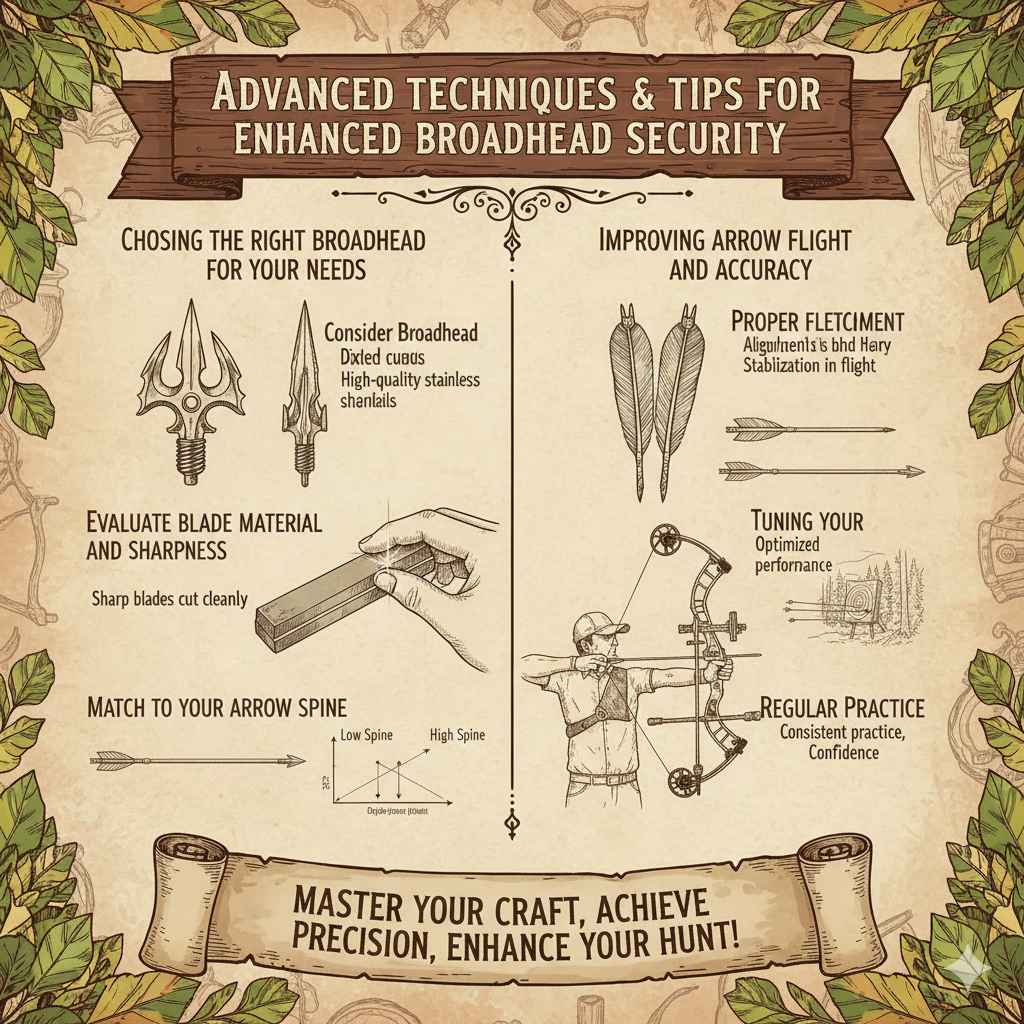
Consider Broadhead Design: Fixed blade broadheads are known for their strong blades and durability. Mechanical broadheads expand upon impact, offering a wider cutting diameter. The best choice depends on your bow and hunting style.
Think about how each design works and what will suit your shooting. Fixed blades offer dependability and good penetration, while mechanical broadheads provide a larger cutting area. The choice should match your archery setup and the type of hunting you plan to do. It also depends on the game you’re targeting. For some, the traditional design is more reliable, while others may opt for a more cutting-edge design.
Evaluate Blade Material and Sharpness: The materials used in the blades and how sharp they are makes a big difference in how well the broadhead performs. Quality blades are made from strong materials that hold an edge.
Look for broadheads with blades made from high-quality stainless steel or other strong materials that can withstand impact. Sharp blades cut easily and cleanly, ensuring the best possible results. The sharpness of the blades is as important as the broadhead’s design. This will determine how well it penetrates the target.
Match to Your Arrow Spine: The weight and design of your broadhead should work with your arrow’s spine to help you get the best flight. The arrow’s spine measures how much it bends. A good match makes sure your arrows fly straight and hit accurately.
Make sure your broadhead and arrow work together. The spine of your arrows should match the weight and style of the broadheads you choose. This balance allows the arrow to flex correctly as it’s released, leading to precise arrow flight and good results at the target. This attention to detail will help you make every shot count.
Improving Arrow Flight and Accuracy
Getting your broadheads secure is just one part of the equation; making sure your arrows fly straight and hit where you aim is the next part. Precision in your shot is essential for successful hunting and consistent target practice. There are ways to improve arrow flight and enhance your accuracy. Here’s a look at some helpful strategies.
Proper Fletching Alignment: Make sure your fletchings (the vanes on your arrows) are aligned correctly. They need to be straight and undamaged to provide the best possible stabilization in flight.
Fletchings will create the spin needed to stabilize the arrow in flight. Properly aligned fletchings will result in a more accurate shot. Check your fletchings regularly. Small damage can affect your arrow flight. Replace any damaged fletchings as soon as possible.
Tuning Your Bow: A well-tuned bow sends your arrows on a straight and true path. Tuning your bow involves making adjustments to optimize the bow’s performance.
Bow tuning is important. The goal is to make sure the arrow leaves the bow with a straight and stable flight. This involves making adjustments to the arrow rest, nock point, and other components. Proper tuning will greatly increase your accuracy.
Regular Practice: Consistent practice is the best way to improve your archery skills and accuracy. Practice shooting at various distances and in different conditions to become comfortable with your setup.
Practice is a core part of archery. Regular practice will help you get familiar with your bow, arrow, and broadheads. It will also improve your shooting skills. Practice will also help you learn the effect of distance and the changing conditions. This practice will build your confidence and shooting skill.
Frequently Asked Questions
Question: Why is it important to properly tighten broadheads?
Answer: Properly tightened broadheads are important for safety and effectiveness. They need to stay on your arrows during flight. If they come loose, they can affect your accuracy, damage your equipment, and be unsafe.
Question: What is a torque wrench, and why should I use one?
Answer: A torque wrench is a tool that helps you tighten a broadhead to a specific amount of force (torque). It helps prevent overtightening, which can damage your arrow. It also makes sure your broadheads stay on.
Question: How often should I check the tightness of my broadheads?
Answer: You should check the tightness of your broadheads before each shooting session, and after every shot. Over time, vibrations can make them loosen up.
Question: What should I do if the threads on my broadhead or arrow insert are damaged?
Answer: If the threads are damaged, you should replace the damaged broadhead or arrow insert. Using damaged components is dangerous and will cause problems.
Question: Are there different types of broadheads, and how do I choose the right one?
Answer: Yes, there are different types of broadheads, like fixed-blade and mechanical. Choose one that matches your bow, your hunting style, and the game you are after.
Final Thoughts
Learning How to Tighten Broadheads to an Arrow Shaft Safely is an important skill for any archer, regardless of experience level. By following the steps outlined in this guide, from selecting the right tools to preparing your arrow shafts and attaching your broadheads, you can ensure that your arrows are secure, accurate, and ready for use. Remember to always prioritize safety and take your time throughout the process. Regular maintenance, including checking and retightening your broadheads, will help maintain the performance of your arrows and prevent potential problems in the field.
So, practice these techniques, be patient, and keep refining your skills. With careful attention and practice, you can confidently and safely attach your broadheads every time. Now, head out and enjoy your archery knowing that your equipment is ready to perform.