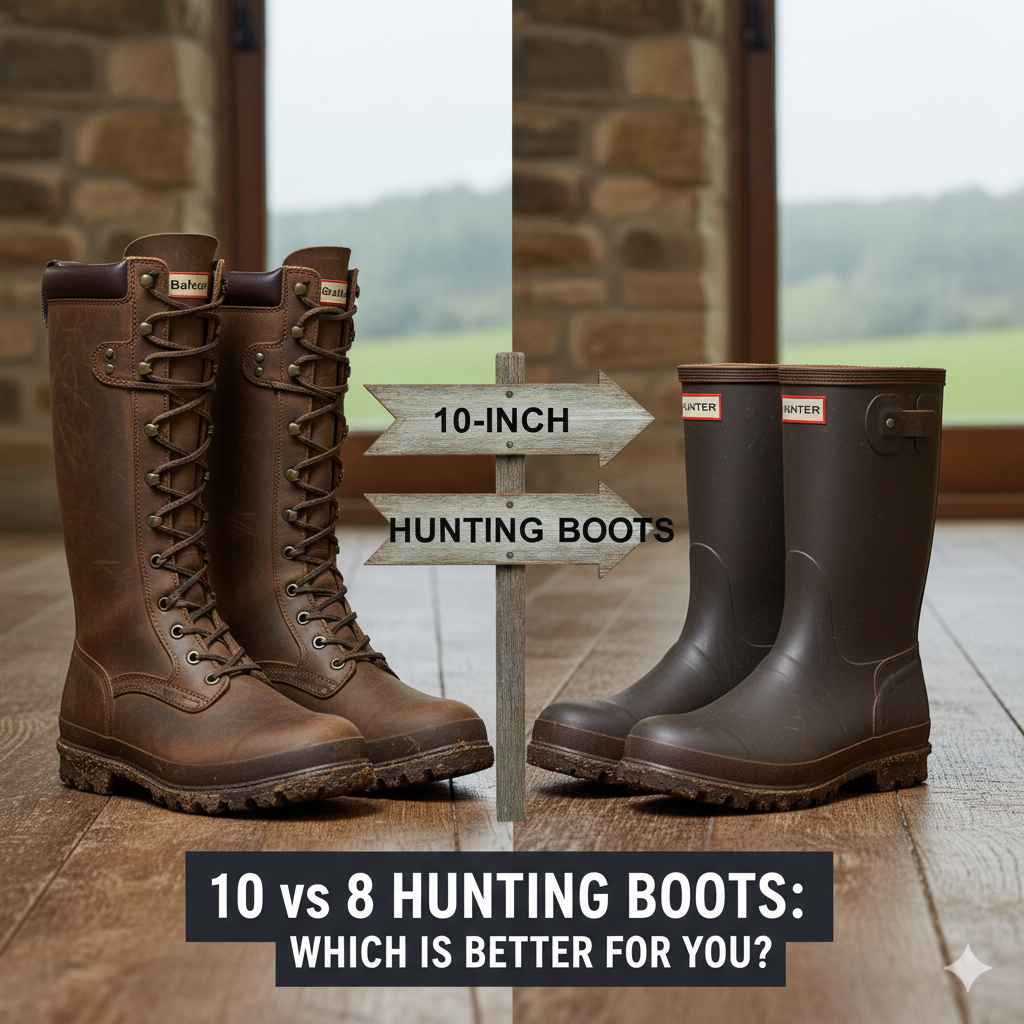
Picking the right hunting boots can feel a bit tricky, especially when you’re just starting out. You see different heights like 10-inch and 8-inch, and wonder what difference it really makes. It’s a common question that can leave new hunters scratching their heads.
But don’t worry, we’re going to break it down super simply. We’ll walk through everything step-by-step so you can figure out exactly which boot height is best for your needs. Get ready to learn what makes each one special.
Understanding Hunting Boot Height
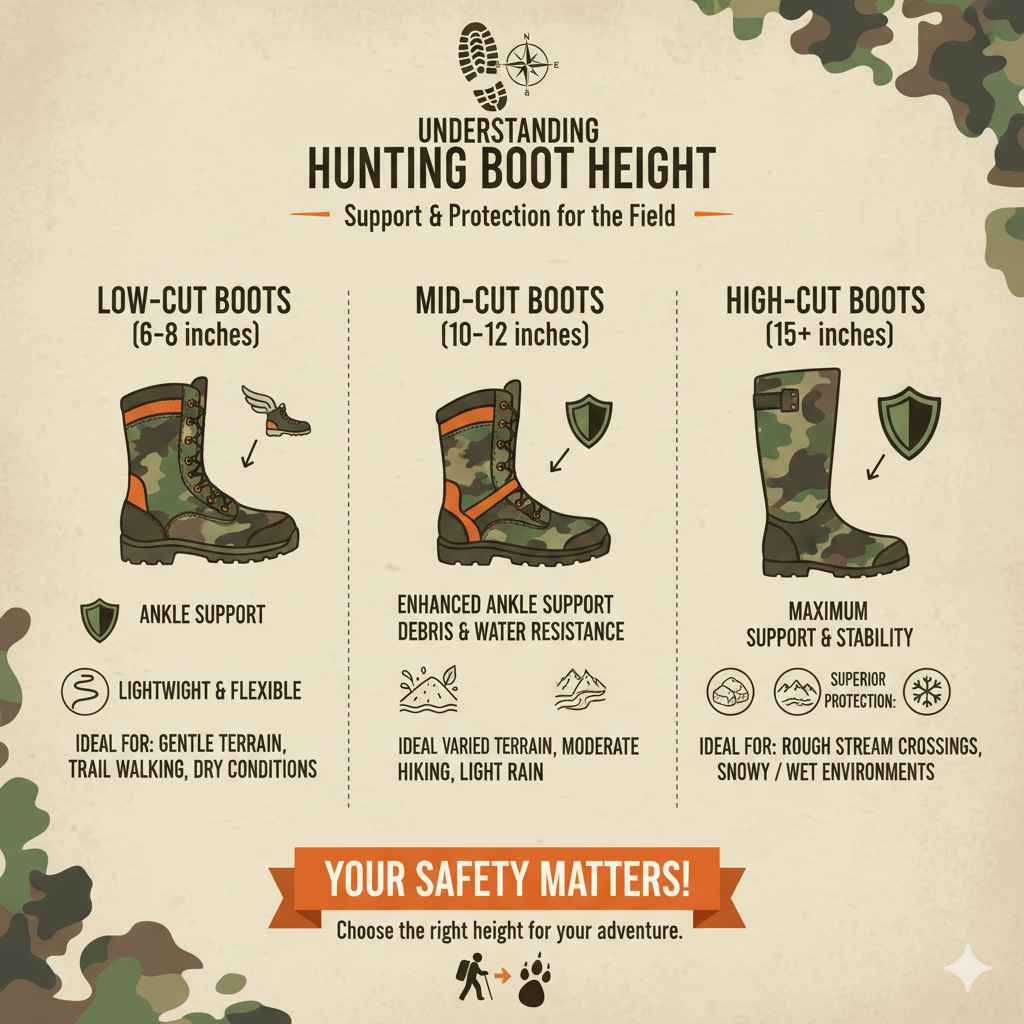
The height of a hunting boot is a really important feature to consider. It plays a big role in how much support and protection your feet and ankles get when you’re out in the field. Think about walking through rough terrain, crossing streams, or just dealing with uneven ground.
The boot’s height directly impacts how well it keeps debris out and how stable you feel. This section will help you see why boot height matters so much for comfort and safety.
What Boot Height Means for Support
Boot height refers to how high the boot comes up your leg. A taller boot offers more ankle support. This is super helpful when you’re walking on tricky ground, like rocky hills or muddy trails.
More support means less chance of twisting your ankle, which can ruin a hunting trip. It helps keep you stable and confident with every step you take. This can make a huge difference in how long you can comfortably hunt and how well you perform.
When you’re looking at 10-inch versus 8-inch hunting boots, the extra 2 inches on the 10-inch boot provide more coverage. This extra coverage is especially useful for hunters who often encounter deep snow, thick brush, or water. The taller boot acts like a shield, keeping your lower legs protected from scratches, bites, and moisture.
It also adds a layer of warmth in colder conditions. For many hunters, this added protection and support is well worth the slight increase in weight and bulk.
An 8-inch boot still offers good ankle support for many situations. It’s a popular choice for hunters who move through less demanding terrain or prefer a lighter feel. You get solid protection without feeling too restricted.
It’s a good balance for general use. The choice between 8 and 10 inches often comes down to the specific hunting environment and your personal preference for how much support you want.
Protection from Elements and Debris
The height of your hunting boots is a key factor in keeping your feet safe and dry. Tall boots act like a barrier. They stop things like mud, rocks, twigs, and even small animals from getting into your boots.
This is really important in wild areas where hidden dangers can be found. When you’re deep in the woods, you don’t want to be stopped by a nasty scratch or a bug bite. Taller boots provide that extra layer of defense.
For example, if you’re hunting in thick brush or tall grass, an 8-inch boot will protect your ankles and lower calf. A 10-inch boot will go even higher, offering more protection if you’re wading through water or dealing with very dense undergrowth. This extra height can also make a difference in keeping you warmer in chilly weather.
The seal created between your pants and the top of the boot helps trap body heat. This keeps your feet more comfortable during long hours outdoors.
Think about a hunter who often stalks through swamps or marshy areas. Water can seep into lower boots very easily. A 10-inch boot would offer much better protection against getting your feet wet.
It helps maintain your comfort and prevents issues like blisters or cold feet. For hunters who face unpredictable weather or rugged landscapes, taller boots are often a smart investment. They contribute significantly to a more enjoyable and successful hunting experience.
Keeping your feet protected is a top priority.
Exploring 10-Inch Hunting Boots
When you look at 10-inch hunting boots, you’re looking at boots designed for serious protection and support. These boots come up higher on your leg, usually past your ankle bone. This extra height is not just for show; it means better security when you’re trekking over rough and uneven ground.
They are built for hunters who demand a lot from their gear and face challenging conditions. Let’s get into what makes these taller boots stand out.
Advantages of Taller Boots
The main advantage of a 10-inch hunting boot is the superior ankle support it provides. When you’re walking on uneven terrain, climbing steep hills, or crossing streams, your ankles are at risk of twisting or rolling. The extra height of a 10-inch boot wraps around your ankle more securely, offering a stable platform.
This helps prevent injuries and allows you to move with more confidence. It’s like having built-in support that keeps you steady.
Beyond ankle support, 10-inch boots offer better protection from the elements and potential hazards. They keep out mud, water, and debris more effectively than shorter boots. If you’re hunting in deep snow or wading through water, the taller shaft helps keep your feet dry and warm.
They also provide a good barrier against thorns, sharp branches, and even bites from small critters. This extra defense is invaluable in rugged wilderness environments, ensuring your comfort and safety throughout your hunt.
Many hunters find that the added coverage of 10-inch boots also contributes to overall warmth. The extra material around the calf can help retain body heat, which is crucial in cold weather. While they might feel a bit heavier or more restrictive to some, many users feel the benefits far outweigh these minor drawbacks.
The increased confidence and protection they offer are often seen as essential for serious hunting expeditions. These boots are made for those who push their limits in the outdoors.
When to Choose 10-Inch Boots
You should consider 10-inch hunting boots if you frequently hunt in rough, uneven, or challenging terrain. This includes mountainous regions, steep hillsides, or areas with lots of rocks and roots. The extra ankle support is a game-changer for preventing sprains and providing stability.
If you often find yourself crossing streams, marshes, or areas with deep mud and water, the higher shaft will keep your feet much drier and more comfortable.
These boots are also a great choice for hunters who expect to encounter dense vegetation, thorns, or thick brush. The taller design offers better protection against scratches and punctures to your lower legs. In colder climates, the extra height also contributes significantly to warmth by sealing out the cold air.
If you are carrying a heavy pack, the additional support from a 10-inch boot can help reduce fatigue on your ankles and legs over long distances.
Think about this scenario: You’re tracking a deer through a thick, overgrown forest after a heavy rain. There are fallen branches, muddy patches, and slippery leaves everywhere. Your 10-inch boots will give you the confidence to push through the dense brush without worrying about your ankles rolling or water soaking your socks.
They offer peace of mind, allowing you to focus on the hunt. For these conditions, the extra inches are a clear advantage.
Case Study: The Upland Bird Hunter
Sarah is an avid upland bird hunter who spends her fall weekends chasing pheasants and grouse through dense briar patches and rolling hills. She used to wear 8-inch boots, but she found herself constantly battling thorns and twisted ankles. After switching to 10-inch insulated hunting boots, her experience improved dramatically.
The taller boots provided much better protection from sharp thorns that used to pierce her lower legs. More importantly, the increased ankle support reduced the frequency of ankle rolls on the uneven terrain. She could also walk longer distances without fatigue.
Her hunting trips became more enjoyable and less about managing minor discomforts.
Potential Drawbacks of 10-Inch Boots
While 10-inch hunting boots offer many benefits, there are a few potential drawbacks to consider. The most common concern is their weight. Because they have more material and extend higher up the leg, they are typically heavier than their 8-inch counterparts.
This extra weight can lead to increased fatigue, especially if you are hiking long distances or moving at a faster pace. Some hunters find them to be less breathable as well, which can lead to hotter feet in warmer weather.
Another consideration is flexibility. The higher shaft can sometimes feel more restrictive around the ankle and calf, limiting your natural movement. For hunters who prefer a very agile feel or who don’t need extreme ankle support, this restriction might be undesirable.
Breaking in a pair of 10-inch boots can also take longer than shorter boots, as there is more material to become supple. This means you might need to wear them around the house for a while before heading out on a serious hunt.
Finally, the higher price point is often a factor. Boots with more material, better construction for durability, and advanced waterproofing features, which are common in 10-inch models, tend to be more expensive. While this is an investment in your comfort and safety, it’s something to budget for.
For casual hunters or those who hunt in mild conditions, the added cost and weight might not be justified compared to shorter, lighter options available.
Exploring 8-Inch Hunting Boots
Now, let’s talk about 8-inch hunting boots. These are a very popular choice for many hunters because they offer a great balance of support, protection, and mobility. They come up just above the ankle, giving you more freedom to move while still providing good stability.
These boots are versatile and work well in a variety of hunting environments. We’ll look at why they are a favorite for so many outdoor enthusiasts.
Benefits of Mid-Height Boots
The primary benefit of 8-inch hunting boots is their excellent balance of ankle support and freedom of movement. They come up high enough to provide good stability when walking over uneven ground, helping to prevent minor ankle twists. However, they are not so tall that they restrict your natural stride or cause fatigue.
This makes them ideal for hunters who cover a lot of ground or who value agility. You get the support you need without feeling weighed down or overly constrained.
These boots also offer good protection against common outdoor hazards. They do a solid job of keeping out most dirt, small rocks, and twigs that could otherwise get into your footwear. While they might not offer the same level of water protection as taller boots in deep submersion, they are usually waterproof enough to handle wet grass, light rain, and shallow creek crossings.
For many hunting scenarios, this level of protection is perfectly adequate.
Another key advantage is their weight. 8-inch boots are generally lighter than 10-inch boots. This means less fatigue during long hikes, allowing you to stay in the field longer and hunt more effectively.
They also tend to be more breathable, which can contribute to greater comfort, especially in warmer hunting seasons or during strenuous activity. For hunters who prioritize mobility and comfort for extended periods, 8-inch boots are often the preferred option.
When to Choose 8-Inch Boots
You should consider 8-inch hunting boots if you primarily hunt in varied but not extremely challenging terrain. They are perfect for hunters who walk moderate distances over trails, fields, or rolling hills. If you hunt in areas with occasional undergrowth but not dense thickets, or if water crossings are usually shallow, an 8-inch boot will serve you well.
They offer a good compromise for many different hunting situations.
These boots are also a great choice for hunters who value agility and speed. If you need to move quickly or quietly through the woods, the lighter weight and less restrictive nature of an 8-inch boot can be a significant advantage. They are also ideal for hunters who experience warmer weather during their hunting seasons, as they tend to be more breathable and less likely to cause overheating.
If you’re new to hunting and aren’t sure about your specific terrain needs, an 8-inch boot is a safe and versatile starting point.
Imagine you’re bow hunting for deer in an open forest with some underbrush. You might be doing a fair amount of walking, but the ground isn’t overly treacherous. You don’t expect to be wading through deep water.
An 8-inch boot will give you enough ankle support to handle the occasional uneven spot and enough room to move quietly and efficiently. It’s the kind of boot that lets you focus on your stalk without being hindered by your footwear. This makes it a go-to for many hunters.
Sample Scenario: The Early Season Hunter
Mark hunts whitetail deer in the early fall. The weather is often warm, and the terrain is a mix of woods and fields with some moderate hills. He likes to cover a lot of ground during his hunts, often walking several miles each day.
He previously wore heavy, tall boots but found them too hot and cumbersome. He switched to a pair of 8-inch waterproof hunting boots. The lighter weight made a huge difference in his stamina, and the breathability kept his feet comfortable even on warm afternoons.
The ankle support was sufficient for the terrain he encountered, and he never felt a lack of protection from brush or minor water obstacles. He’s found his perfect boot for early season hunts.
Potential Drawbacks of 8-Inch Boots
Even though 8-inch hunting boots are very popular, they do have some limitations to keep in mind. The most obvious drawback is less ankle support compared to 10-inch boots. If you consistently hunt in extremely steep, rocky, or unstable terrain, you might find yourself wishing for that extra height and stability.
There’s a higher chance of rolling an ankle in such conditions with an 8-inch boot. This can lead to injuries that cut your hunting trip short.
Protection from the elements is also somewhat reduced. While they are usually waterproof and keep out most dirt, they won’t offer the same defense against deep water or very heavy mud. If you anticipate frequent wading through water that goes above the boot collar, your feet are more likely to get wet.
Similarly, dense, thorny brush can potentially reach higher up your leg and cause scratches that a 10-inch boot would have prevented. So, in very harsh or wet environments, they might not be the best choice.
Finally, for hunters who experience severe cold, the shorter shaft of an 8-inch boot provides less insulation. While many 8-inch boots are insulated, the extra material in a 10-inch boot can offer a more significant thermal barrier. If extreme cold is a regular part of your hunting season, you might find yourself needing additional protection like gaiters or warmer socks, or you might simply prefer the extra coverage of a taller boot for warmth alone.
It’s a trade-off between mobility and maximum protection.
Comparing 10-Inch vs. 8-Inch Hunting Boots
Now that we’ve looked at each boot height individually, let’s put them side-by-side. The choice between 10-inch and 8-inch hunting boots often comes down to balancing support, protection, weight, and your personal hunting style. We’ll use a table to make the comparison clear, and then discuss how to make your final decision.
Understanding these differences will help you pick the best boots for your next adventure.
Key Differences at a Glance
The most significant difference is the height and the support it offers. A 10-inch boot provides more ankle stability and coverage. This is crucial for very rugged terrain or when you need maximum protection from debris and water.
An 8-inch boot offers a good amount of ankle support but allows for more agility and is generally lighter. This makes it ideal for varied terrain where mobility is key.
Protection from elements is also a key differentiator. The higher shaft of a 10-inch boot acts as a superior barrier against water, mud, snow, and thorns. An 8-inch boot provides good protection for most common scenarios but is less effective in deep water or dense brush.
For extreme weather conditions, the taller boot offers better insulation.
Weight is another important factor. 10-inch boots are typically heavier due to more material. This can lead to more fatigue on long treks.
8-inch boots are lighter, reducing strain and allowing for faster movement. Breathability can also vary; taller boots might feel warmer, which can be a pro or con depending on the climate. Ultimately, these differences guide the selection based on the hunter’s specific needs and the environment they will be hunting in.
| Feature | 10-Inch Hunting Boots | 8-Inch Hunting Boots |
|---|---|---|
| Ankle Support | Very High | Good |
| Protection from Debris/Water | Excellent | Good |
| Weight | Heavier | Lighter |
| Mobility/Agility | Slightly Restricted | High |
| Ideal Terrain | Rugged, Steep, Wet, Dense Brush | Varied, Trails, Fields, Moderate Hills |
| Best For | Serious backcountry hunting, harsh conditions, maximum safety | General hunting, long hikes, speed, warmer seasons |
Factors to Consider for Your Choice
When deciding between 10-inch and 8-inch hunting boots, think about the type of hunting you do most often. Are you always in steep mountains, or do you hunt in flatter fields? What is the typical weather like where you hunt?
If you’re often dealing with deep snow, heavy rain, or thick, thorny undergrowth, the extra height of a 10-inch boot will be a significant advantage. If you prioritize speed and long-distance hiking in less extreme conditions, an 8-inch boot might be a better fit.
Consider your personal preferences for comfort and support. Some people feel more secure with the extra ankle support of a taller boot, even in moderate terrain. Others find taller boots to be too constricting and prefer the freedom of movement an 8-inch boot offers.
Also, think about the weight. If you’re prone to fatigue on long treks, lighter boots will make a difference. If you don’t mind a little extra weight for increased protection, then 10-inch boots are a solid choice.
Finally, remember to factor in the time you’ll spend actively hunting versus walking to and from your hunting spot. If you spend hours actively stalking or navigating challenging ground, the added support of 10-inch boots can reduce fatigue and prevent injuries. If most of your time is spent in a blind or walking on established trails, the benefits of 8-inch boots might be more appealing.
Your choice should align with your most common hunting activities and environmental challenges.
Real-Life Example: The Mule Deer Hunter
David is a mule deer hunter who primarily hunts in the rugged, mountainous terrain of the Western United States. He often encounters steep slopes, loose scree, and significant elevation changes. In the past, he’s suffered several ankle sprains with his 8-inch boots.
After switching to 10-inch, waterproof, insulated hunting boots, his confidence in his footing increased dramatically. The extra ankle support prevented any further sprains, and the taller shaft kept his feet dry and warm during long days of spotting and stalking in challenging conditions. The boots are heavier, but for the type of hunting he does, the increased safety and protection are absolutely essential, making the trade-off well worth it.
Making Your Final Decision
To make your final decision, reflect on the key factors we’ve discussed. If your hunting grounds are consistently tough, wet, or overgrown, and you need maximum protection and ankle stability, then 10-inch boots are likely your best bet. They offer superior defense against the elements and potential injuries, which is invaluable for serious backcountry hunters.
They provide a feeling of security that allows you to focus on the hunt.
If you hunt in more varied or milder conditions, value agility, or prefer lighter footwear for long hikes, then 8-inch boots are probably the way to go. They offer a great blend of support and freedom, keeping you comfortable and mobile without being overly bulky. For many general hunting situations, they provide all the protection and stability needed.
Try on both types of boots if possible. Pay attention to how they feel around your ankles and how much they restrict your movement. Consider your personal comfort level and what feels most secure to you.
Your boots are a critical piece of gear, and choosing the right height will significantly impact your overall hunting experience. Go with the boots that best match your specific hunting environment and personal needs.
Additional Factors for Boot Selection
Beyond just the height, there are other important features to consider when buying hunting boots. These elements work together with boot height to ensure your comfort, safety, and performance in the field. We’ll explore some of these key aspects, like waterproofing, insulation, and materials, to help you make a well-rounded decision for your footwear.
Waterproofing and Insulation
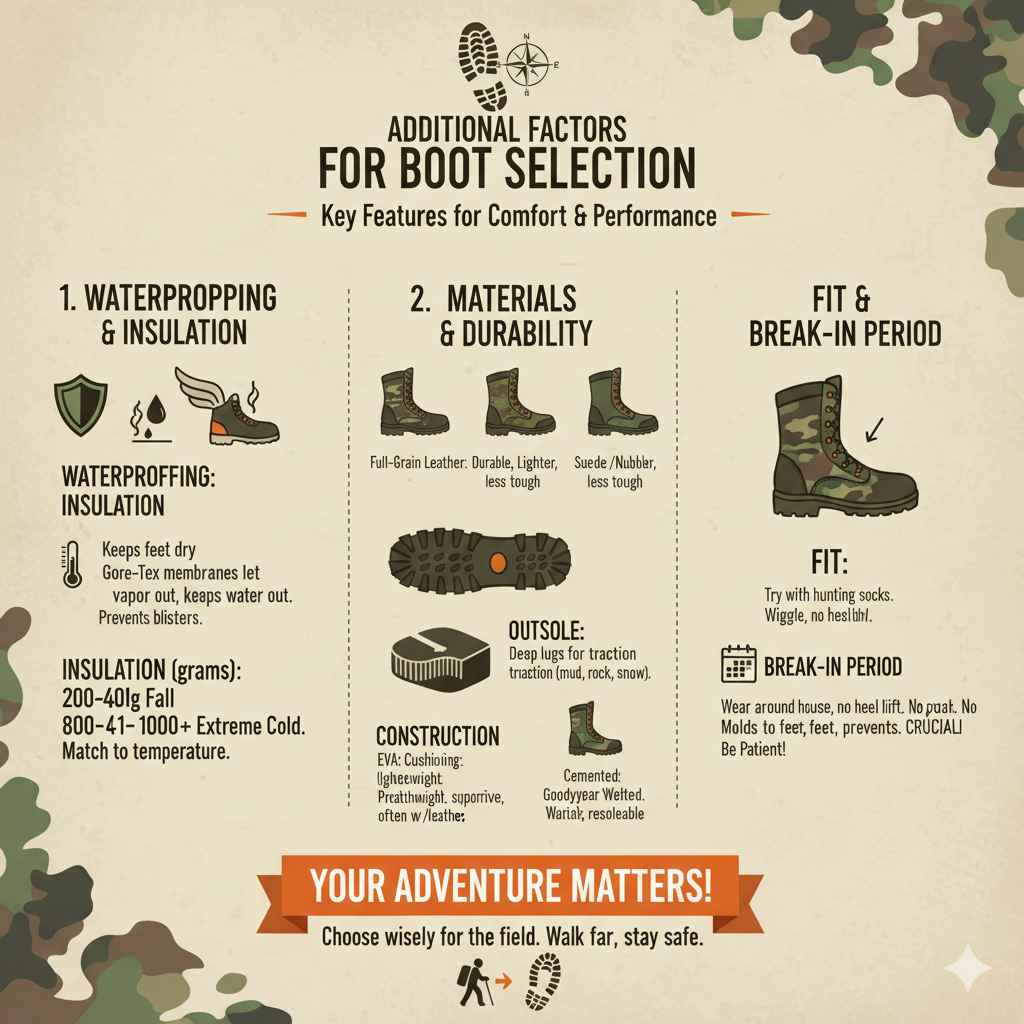
Waterproofing is a non-negotiable feature for most hunting boots. You want boots that will keep your feet dry, whether you’re crossing streams or walking through wet grass. Look for boots with waterproof membranes, like Gore-Tex.
These membranes are designed to let moisture vapor escape from inside the boot (keeping your feet from getting sweaty) while preventing water from entering from the outside. Good waterproofing is essential for preventing blisters and maintaining comfort in damp conditions.
Insulation is also crucial, especially if you hunt in cold weather. Insulation is measured in grams, with higher numbers indicating more warmth. For chilly fall hunts, 200-400 grams might be sufficient.
For extreme cold, you might need 800-1000 grams or more. However, remember that too much insulation can make your feet overheat in warmer weather, so choose based on your typical hunting temperatures. Finding the right balance ensures your feet stay comfortable across a range of conditions.
Materials and Durability
The materials used in hunting boots greatly affect their durability, weight, and performance. Full-grain leather offers excellent durability and water resistance but can be heavier and require more break-in time. Suede or nubuck leather is often lighter and more flexible but might not be as tough as full-grain.
Synthetic materials, like nylon, can make boots lighter and more breathable, often combined with leather for a good balance.
The outsole, or sole, is equally important for traction. Look for deep, aggressive lugs that can grip various surfaces like mud, rock, and snow. The midsole provides cushioning and support.
Materials like EVA (ethylene vinyl acetate) offer good shock absorption and are lightweight, while polyurethane provides more durability and support for heavier loads. The construction method also matters; cemented boots are lighter and more flexible, while Goodyear welted boots are typically more durable and can be resoled.
Fit and Break-In Period
The most crucial factor in any boot is the fit. A poorly fitting boot, no matter how tall or waterproof, will cause pain and blisters. Always try on hunting boots with the type of socks you plan to wear while hunting.
Walk around in them, go up and down stairs if possible, and ensure there are no pressure points or rubbing. Your toes should have enough room to wiggle, and your heel should not lift excessively when you walk. A good fit is paramount for comfort and performance.
Most hunting boots, especially those made of leather, will require a break-in period. This means wearing them for shorter durations around the house or on casual walks before tackling a full day in the field. This allows the materials to mold to your feet, softening them up and preventing blisters during actual hunts.
Rushing the break-in process can lead to discomfort and injury. Patience during this phase ensures your boots will be a reliable companion.
Sample Scenario: Choosing Based on Climate
Sarah lives in a region where hunting season includes both warm early fall days and very cold, wet late fall and early winter. She hunts deer and elk in varied terrain, from wooded hillsides to open meadows that can get muddy. For her, a 10-inch boot offers the best overall protection.
She chooses a model with a waterproof membrane and around 400 grams of insulation, which she finds is a good balance for the fluctuating temperatures. This height and insulation level allow her to handle early season warmth without overheating too badly, while providing adequate warmth and dryness for the colder, wetter late season. The added ankle support is also vital for the hilly terrain she often encounters.
Her choice is driven by the need for versatility across different conditions.
Frequently Asked Questions
Question: What is the main difference between 8-inch and 10-inch hunting boots
Answer: The main difference is the height of the boot shaft, with 10-inch boots offering more ankle support and protection from debris and water compared to 8-inch boots, which are lighter and allow for more agility.
Question: Which boot height is better for rocky terrain
Answer: For rocky terrain, 10-inch hunting boots are generally better because their extra height provides more ankle support, which helps prevent twists and sprains on unstable surfaces.
Question: Are 10-inch boots too hot for warmer weather
Answer: 10-inch boots can be warmer due to more material, but many are designed with breathable waterproofing and can be suitable for warmer weather if they have adequate ventilation or if you hunt in cooler mornings and evenings.
Question: Can 8-inch boots protect me from water
Answer: Yes, most 8-inch hunting boots are waterproof and will keep your feet dry in wet grass, light rain, and shallow water crossings, but they offer less protection than 10-inch boots in deeper water.
Question: How do I know if I need more ankle support
Answer: If you frequently hunt in steep, uneven, or slippery terrain, or if you have a history of ankle injuries, you likely need the extra ankle support provided by 10-inch hunting boots.
Summary
Choosing between 10-inch and 8-inch hunting boots depends on your specific hunting needs. Taller 10-inch boots offer superior ankle support and protection from water and debris, ideal for rugged terrain and harsh conditions. Shorter 8-inch boots provide good support, are lighter, and allow for more agility, making them great for varied environments and long hikes.
Consider your typical hunting ground, weather, and personal comfort to make the best choice for your adventures.