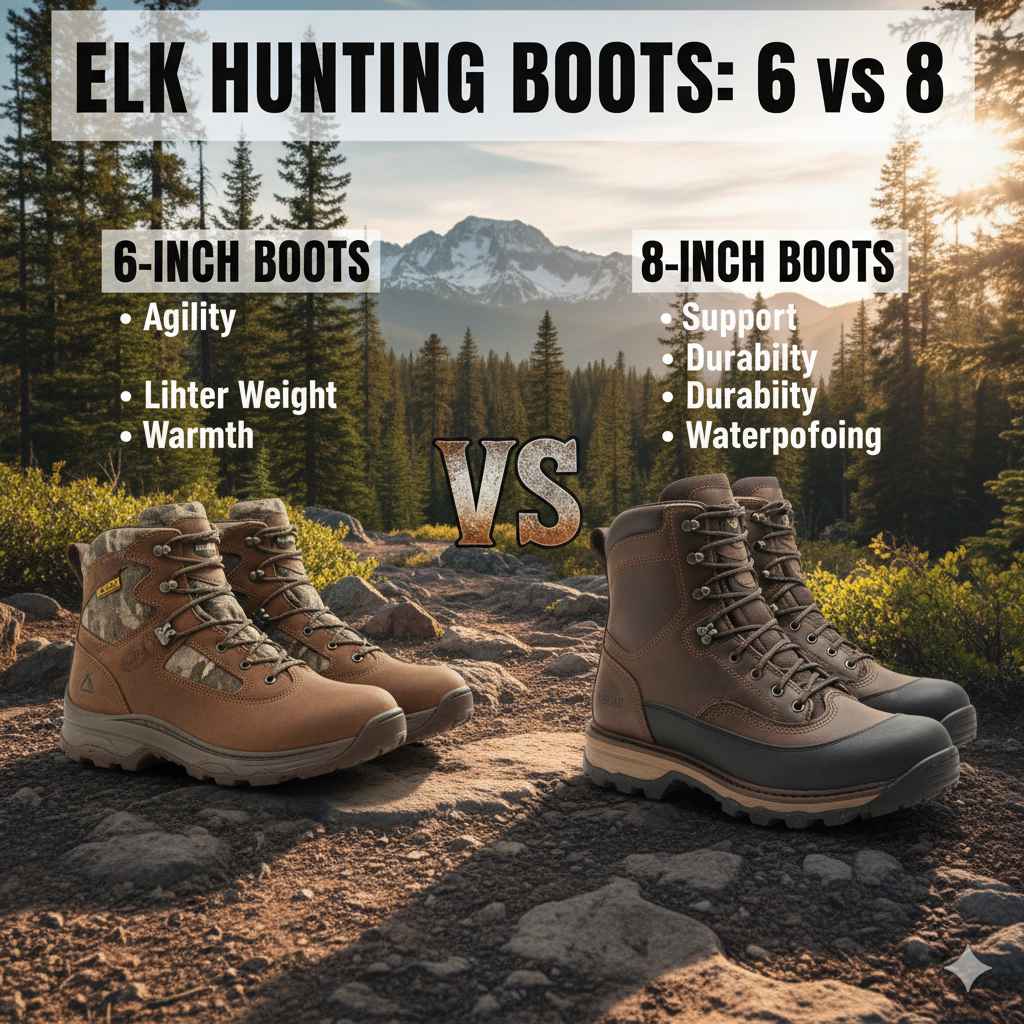
Choosing the right hunting boots can feel tricky, especially when you’re new to elk hunting. You see options like 6-inch boots and 8-inch boots, and it’s hard to know what makes them different or which one you really need. This guide makes it simple.
We will break down the 6 vs 8 Elk Hunting Boots: Key Differences Explained so you can pick the best pair for your hunt. Let’s get started.
Understanding Elk Hunting Boot Heights
When you’re gearing up for an elk hunt, your footwear is a top priority. Two common choices you’ll see are 6-inch and 8-inch hunting boots. The difference in height might seem small, but it can significantly impact your comfort, support, and protection in the rugged backcountry.
This section breaks down what makes these boot heights distinct and why it matters for your elk hunting success. We’ll look at how the extra inches affect ankle support, protection from elements, and overall feel.
Ankle Support and Stability
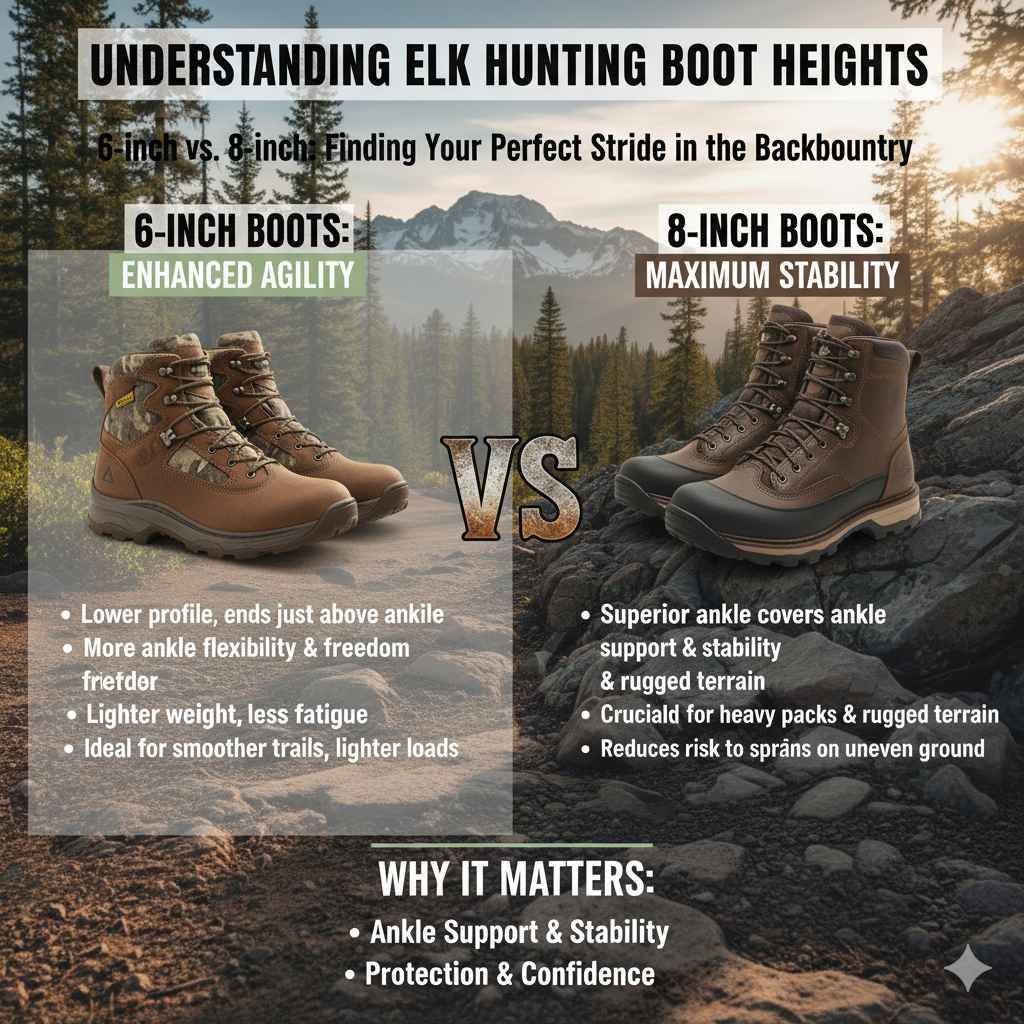
The height of a hunting boot directly correlates to the amount of ankle support it provides. A 6-inch boot generally offers a lower profile, allowing for more freedom of movement and flexibility around the ankle. This can be beneficial for hunters who navigate less challenging terrain or prefer a lighter feel.
They typically end just above the ankle bone, providing basic support for walking and lighter loads.
An 8-inch boot, conversely, extends higher up the leg, usually covering the ankle bone and reaching a few inches above it. This increased height offers superior ankle support and stability. This is crucial for hunters who will be carrying heavy packs, traversing uneven, rocky ground, or dealing with steep inclines and declines.
The extra material wraps more securely around the ankle, reducing the risk of sprains and twists, which are common in elk country.
6-Inch Boots for Enhanced Agility
A 6-inch boot is designed to be more agile. It allows your ankles to move more freely, which can feel natural and less restrictive on smoother trails or during long stalks where quick foot placement is key. They are often lighter, which helps reduce fatigue on longer, less demanding days in the field.Think of them as a comfortable, supportive shoe that offers a bit more protection.
8-Inch Boots for Maximum Stability
An 8-inch boot provides a noticeable increase in ankle stability. This is because the higher shaft of the boot locks your ankle into a more secure position. This is incredibly important when you are carrying a heavy load of meat from a harvested elk, as the added support prevents your ankles from rolling, especially on uneven or slippery terrain.They give you more confidence with every step.
Protection From the Elements
Boot height also plays a role in how well your feet and lower legs are protected from external factors like mud, snow, brush, and water. The taller the boot, the more coverage it offers. This can be a significant factor depending on the conditions you expect during your elk hunt.
A 6-inch boot offers a decent level of protection for dry to moderately wet conditions. They will keep out light dust and minor splashes of water. However, if you are crossing streams or hunting in deep snow, your lower leg and socks could become exposed.
The top edge of the boot is where water or snow can easily enter, potentially leading to discomfort and cold feet.
An 8-inch boot excels in providing robust protection against the elements. The extra two inches mean that the boot extends further up your calf, creating a better seal against water, snow, and debris. This is invaluable when hunting in wet meadows, crossing deeper water, or navigating through thick, brushy country where branches can snag and scratch.
The higher shaft acts as a natural barrier, keeping your feet drier and warmer for longer periods.
6-Inch Boot Coverage Limitations
While good for general use, 6-inch boots have limitations when it comes to the weather. They might not keep out water from deeper puddles or heavy dew-covered grass. If you step into a stream that’s just a bit too deep, water can easily splash over the top.This means you might end up with wet socks sooner than you’d like, which can lead to blisters and discomfort.
8-Inch Boot Enhanced Barrier Effect
The extra height on an 8-inch boot creates a much better barrier. Imagine walking through tall, wet grass or wading through a shallow creek. The 8-inch boot keeps your lower legs and feet significantly drier.This increased protection is a real advantage for longer hunts where weather conditions can change rapidly. It means fewer interruptions to dry out and less risk of cold-related issues.
Weight and Comfort
The height of a boot is directly related to its weight. Taller boots use more materials, making them inherently heavier. This is an important consideration for hunters who are covering a lot of ground, as extra weight on your feet can lead to fatigue over time.
A 6-inch hunting boot is typically lighter than its 8-inch counterpart. This can make a noticeable difference in how energetic you feel throughout a long hunting day. The reduced weight allows for a more natural stride and less effort with each step.
For hunters who prioritize speed and covering distance quickly, a lighter boot might be preferred.
On the other hand, while 8-inch boots are heavier, the added support and protection often outweigh the extra weight for many elk hunters. The enhanced stability can actually reduce fatigue in your legs and feet over rough terrain because your body doesn’t have to work as hard to maintain balance. The comfort comes from the security and reduced strain on your joints.
Many hunters find that the trade-off is worth it for the confidence and performance boost.
The Advantage of Lighter 6-Inch Boots
If you often hunt in drier conditions or prefer a boot that feels less cumbersome, 6-inch boots are a great choice. Their lighter weight means you expend less energy with every mile you hike. This can be a big deal on multi-day trips or when you are constantly moving.You might feel fresher at the end of the day, ready for whatever the evening hunt brings.
Comfort Through Support in 8-Inch Boots
Don’t let the extra weight of 8-inch boots scare you. For many, the added stability translates to greater comfort, especially on difficult terrain. Your ankles and knees will thank you for the reduced strain.The secure fit means your feet are less likely to shift inside the boot, which can prevent hot spots and blisters. This all adds up to being able to stay out longer and hunt more effectively.
Making the Right Choice 6 vs 8 Elk Hunting Boots: Key Differences Explained
Deciding between 6-inch and 8-inch elk hunting boots involves thinking about your personal hunting style, the typical terrain you’ll encounter, and the conditions you’re likely to face. There’s no single answer that fits everyone, and understanding these influencing factors will help you make the best decision for your next expedition. We’ll explore how your hunting location, pack weight, and personal preference all play a part in this choice.
Hunting Terrain and Conditions
The landscape where you hunt elk is a primary driver in boot selection. If you primarily hunt in open country with rolling hills and well-maintained trails, a 6-inch boot might suffice. They offer enough support and protection for less demanding environments.
These boots are excellent for general hiking and scouting.
However, if your elk hunting involves steep, rocky mountains, dense forests, or areas prone to sudden weather changes, an 8-inch boot is generally the better choice. The extra height and support are invaluable for navigating treacherous terrain, providing stability on scree slopes, and offering better protection against sharp rocks and hidden obstacles. They also provide superior defense against deeper snow or water crossings common in mountainous regions.
Consider the season as well. Early season hunts might be drier and warmer, making a lighter, more breathable 6-inch boot appealing. Late season hunts, however, often bring snow, ice, and colder temperatures, where the added warmth and protection of an 8-inch boot become much more important.
The ability of an 8-inch boot to keep out snow and provide a more insulated barrier is a significant advantage.
Open Country and Gentle Trails
For hunters who spend most of their time in more open areas with less extreme elevation changes, 6-inch boots can be a great fit. They allow for quicker movement and are less restrictive. If your elk hunts are more about covering distance on established paths or through meadows with minimal obstacles, this height offers a good balance of comfort and basic support.Rugged Mountains and Rough Ground
When your hunts take you into serious mountain country, the 8-inch boot truly shines. The extra ankle support is critical for preventing injuries on uneven surfaces. They protect your ankles and lower legs from sharp rocks, roots, and unexpected holes.This added security allows you to focus more on spotting elk and less on where you’re placing your feet.
Varied Weather and Seasonal Hunts
The 8-inch height also offers better protection against the elements. If you hunt in areas known for rain, mud, or snow, the extra inches create a better seal against moisture. This is vital for keeping your feet dry and warm throughout a hunt.For late-season hunts, the enhanced coverage can also offer a bit more insulation, which is a welcome benefit in cold weather.
Pack Weight and Mobility Needs
The weight of your pack is a major factor in how much support you need from your boots. If you are a hunter who goes light and fast, preferring day hunts or only carrying essential gear, a 6-inch boot might be perfectly adequate. The lighter weight will contribute to your overall mobility and reduce fatigue, allowing you to cover more ground quickly.
However, if you are the type of hunter who plans to pack out an entire elk on your back, or you often carry heavy overnight camping gear, the extra support of an 8-inch boot is highly recommended. The stability provided by the higher shaft helps distribute weight more evenly and reduces the stress on your ankles and knees, especially when descending with a heavy load. This can prevent injuries and make the arduous task of packing out significantly more manageable.
Think about your typical hunting scenario. Are you making long treks to a base camp with all your supplies? Or are you usually heading out from a vehicle for a day trip with just your rifle and essentials?
The answers to these questions will point you towards the boot height that best suits your pack weight and mobility needs. A heavier pack means you’ll benefit more from the solid foundation an 8-inch boot provides.
Lightweight Gear and Day Hunts
If your hunting style involves minimal gear or day trips, the agility and reduced weight of 6-inch boots can be very appealing. You’ll feel less weighed down, and your feet will appreciate the freedom. This height is great for hunters who are constantly on the move and prioritize quick, efficient travel over the most rugged terrain.Heavy Loads and Pack-Outs
When you anticipate carrying heavy loads, such as meat from a downed elk or a multi-day camping setup, 8-inch boots are a wise investment. The superior ankle support provided by the higher shaft is crucial for maintaining balance and preventing injuries. This support will make the strenuous process of packing out much safer and more comfortable.
Personal Preference and Fit
Ultimately, personal preference and how a boot fits your foot are paramount. Some hunters simply prefer the feeling of freedom and agility that 6-inch boots offer, while others feel more secure and confident with the added coverage of 8-inch boots. It’s important to try on both heights and walk around in them to see how they feel on your feet.
Consider your past experiences with footwear. Have you had issues with ankle stability in the past? Do you often experience discomfort on long hikes?
Your personal history can provide valuable clues. If you have a history of ankle rolls, an 8-inch boot might offer the preventative support you need. If you find most boots restrictive, you might lean towards a 6-inch option.
The fit should be snug but not too tight, with plenty of room for your toes to wiggle. Your heel should stay in place without lifting excessively when you walk. A well-fitting boot, regardless of height, is essential for preventing blisters and ensuring comfort on long treks.
Never underestimate the importance of trying boots on with the type of socks you’ll be wearing while hunting.
Feeling the Difference in Fit
Try walking around in both 6-inch and 8-inch boots in a store. Pay attention to how your ankle feels. Do you feel restricted or well-supported?Some people just feel more ‘grounded’ in taller boots, while others feel more nimble in shorter ones. Your personal comfort and confidence are key indicators.
Past Footwear Experiences Matter
Reflect on your history with hiking boots or other athletic footwear. If you’ve struggled with ankle injuries or felt unstable on uneven surfaces before, the added support of an 8-inch boot could be a game-changer for you. Conversely, if you’ve always found lower boots comfortable and restrictive, a 6-inch might be your preference.
Extending the Life of Your 6 vs 8 Elk Hunting Boots
Once you’ve made your decision on the ideal boot height, taking care of them is key to ensuring they perform well for many hunting seasons to come. Proper maintenance not only extends the lifespan of your boots but also helps them remain comfortable and protective. This section covers the essential steps for cleaning, drying, and protecting your footwear, no matter if you chose 6-inch or 8-inch elk hunting boots.
Cleaning and Drying Techniques
After a day in the field, especially in wet or muddy conditions, it’s important to clean your boots thoroughly. Start by removing excess mud and dirt with a stiff brush. For stubborn grime, a damp cloth or sponge can be used.
Ensure you clean the entire boot, including the sole and any crevices where dirt can build up.
Drying your boots properly is crucial to prevent material damage and odor. Never place your boots directly next to a heat source like a fi
Brush Away the Day’s Dirt
Always start by getting rid of loose dirt and mud. A firm brush will do the trick for most of the exterior. Pay attention to the lugs on the sole, as mud packed in there can reduce traction.This simple step is the first line of defense against damaging grime.
Gentle Washing for Tough Stains
If brushing isn’t enough, use a damp cloth or a soft brush with a little bit of mild soap. Rinse with a clean, damp cloth afterwards to remove any soap residue. Avoid harsh detergents, as they can strip away natural oils from leather boots.Natural Air Drying is Best
Resist the urge to speed up drying with heat. Stuffing boots with newspaper is an effective way to draw out internal moisture. Let them dry slowly at room temperature.This protects the materials and keeps your boots from becoming stiff or brittle.
Waterproofing and Conditioning
Maintaining the waterproofness and condition of your boots is essential, especially for elk hunting where you often encounter wet environments. Use appropriate waterproofing treatments for the materials of your boots. For leather boots, a quality wax or waterproofing balm can be applied after cleaning and drying.
This creates a barrier against moisture and helps to keep the leather supple.
Leather boots also benefit from conditioning. Over time, leather can dry out, becoming stiff and prone to cracking. Leather conditioners help to restore natural oils, keeping the material flexible and durable.
Apply conditioner sparingly and follow the product’s instructions. For boots with synthetic components or fabric, use specialized sprays designed for those materials to maintain their water repellency without compromising breathability.
Apply Protective Treatments
Regularly treat your boots to maintain their water resistance. For leather, waxes and balms are excellent. For synthetic materials, sprays are often the best option.Reapply as needed, especially after heavy use or exposure to wet conditions. This barrier is your primary defense against moisture intrusion.
Condition Leather for Longevity
Dry leather can lead to cracks and premature wear. Using a good leather conditioner helps keep the material pliable and strong. This is especially important for boots that get a lot of use in varied weather.A well-conditioned boot will last many seasons.
Storage Tips
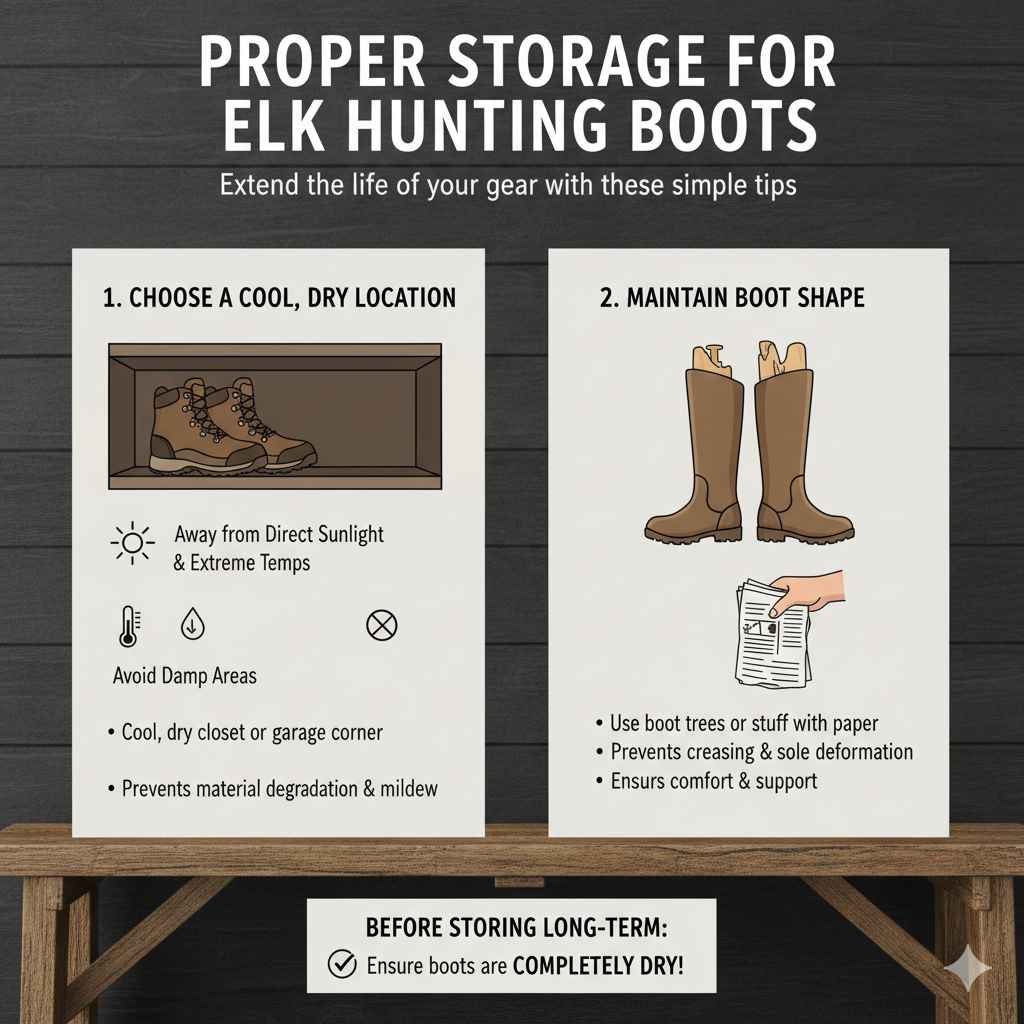
Proper storage can significantly impact the longevity and shape of your hunting boots. After cleaning and thoroughly drying your boots, store them in a cool, dry place away from direct sunlight and extreme temperatures. Avoid storing them in plastic bags, as this can trap moisture and lead to mildew.
If possible, store your boots upright or on their sides. Some hunters use boot trees or stuff them with paper to help them maintain their shape over time. This prevents the boots from collapsing or developing creases that could become uncomfortable or lead to material stress.
Ensure they are completely dry before storing them for extended periods, such as during the off-season.
Choose a Cool, Dry Location
Find a place for your boots that isn’t too hot, too cold, or damp. A closet or a dry corner of a garage can work well. Keeping them out of direct sunlight also prevents the materials from degrading over time.Maintain Boot Shape
Using boot trees or stuffing them with paper helps your boots keep their intended shape. This is especially useful for longer-term storage. It prevents the soles from deforming and the uppers from collapsing, ensuring they remain comfortable and supportive for your next hunt.
Frequently Asked Questions
Question: What is the main difference between 6 vs 8 elk hunting boots
Answer: The main difference between 6 vs 8 elk hunting boots is the height of the shaft. An 8-inch boot provides more ankle support and better protection from the elements and debris than a 6-inch boot.
Question: Which boot height is better for carrying heavy packs
Answer: For carrying heavy packs, 8-inch elk hunting boots are generally better due to the increased ankle support and stability they offer, which helps distribute weight and prevent strain on your joints.
Question: Can 6-inch boots be used for elk hunting
Answer: Yes, 6-inch elk hunting boots can be used for elk hunting, especially if you hunt in milder conditions, on less rugged terrain, or prefer a lighter, more agile boot.
Question: How does boot height affect protection from water and snow
Answer: An 8-inch boot offers superior protection from water and snow compared to a 6-inch boot because its higher shaft creates a better barrier against moisture and elements entering the boot.
Question: Should I prioritize weight or support when choosing between 6 vs 8 elk hunting boots
Answer: The priority depends on your hunting style and terrain. If you prioritize mobility and hunt lighter, a 6-inch boot’s lighter weight might be better. If you need maximum support for rough terrain and heavy loads, an 8-inch boot’s support is more critical.
Conclusion
Choosing between 6 vs 8 elk hunting boots comes down to balancing support, protection, and mobility for your specific needs. An 8-inch boot offers superior ankle stability and defense against the elements, ideal for rugged terrain and heavy loads. A 6-inch boot provides lighter weight and more agility for easier conditions.
Consider your hunting environment and pack weight carefully.