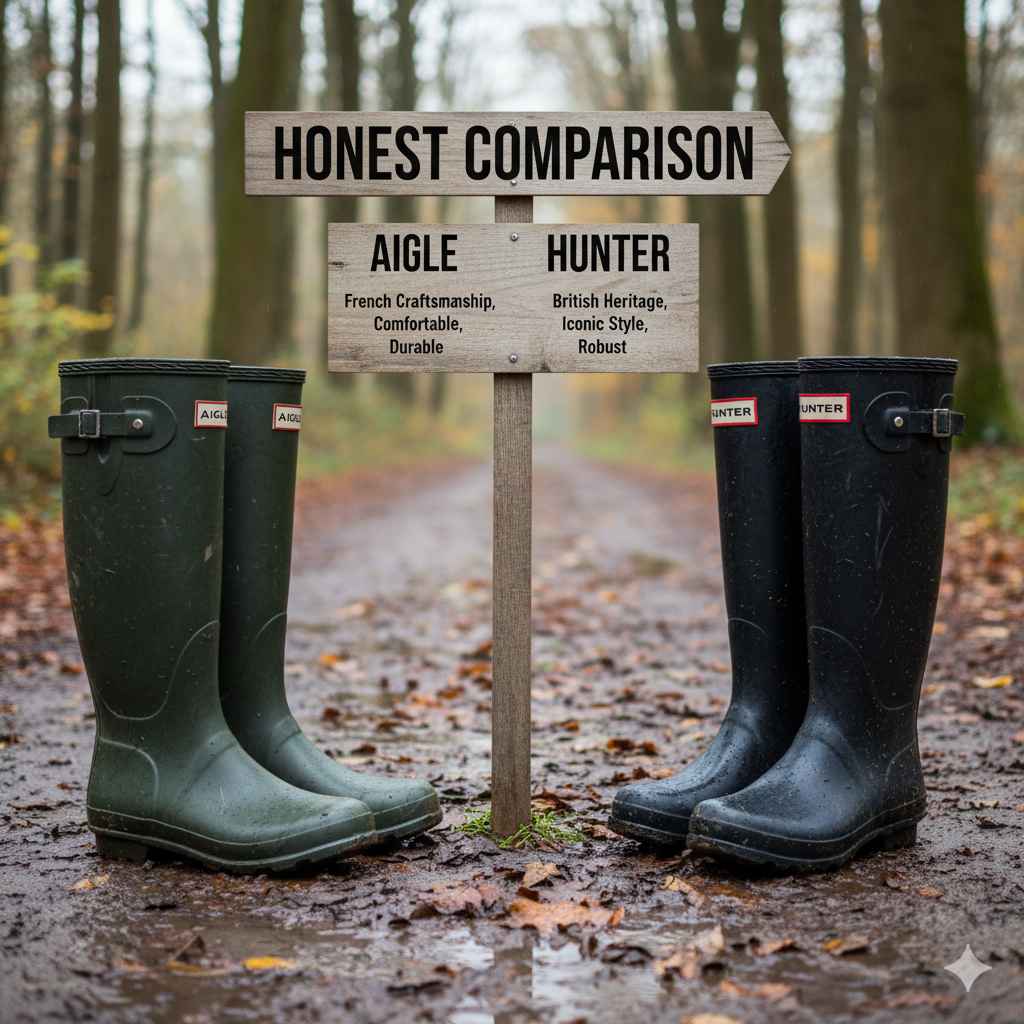
Choosing the right rain boots can feel a bit tricky. When you’re looking at brands like Aigle and Hunter, it’s common to wonder which one is truly the best for you. You might feel a bit unsure about where to start with the Aigle Rain Boots vs Hunter: Honest Comparison Guide.
Don’t worry, we’ll break it down simply and clearly, step by step, so you can feel confident in your choice. Let’s get started and explore what makes each brand unique.
Aigle Rain Boots vs Hunter Style and Design
When people first start thinking about buying rain boots, style and design are often the first things they notice. It’s easy to get lost in all the different looks and features. This section will help you see the differences between Aigle and Hunter boots so you can pick the one that best suits your personal taste and how you plan to use them.
We’ll look at how they look and feel.
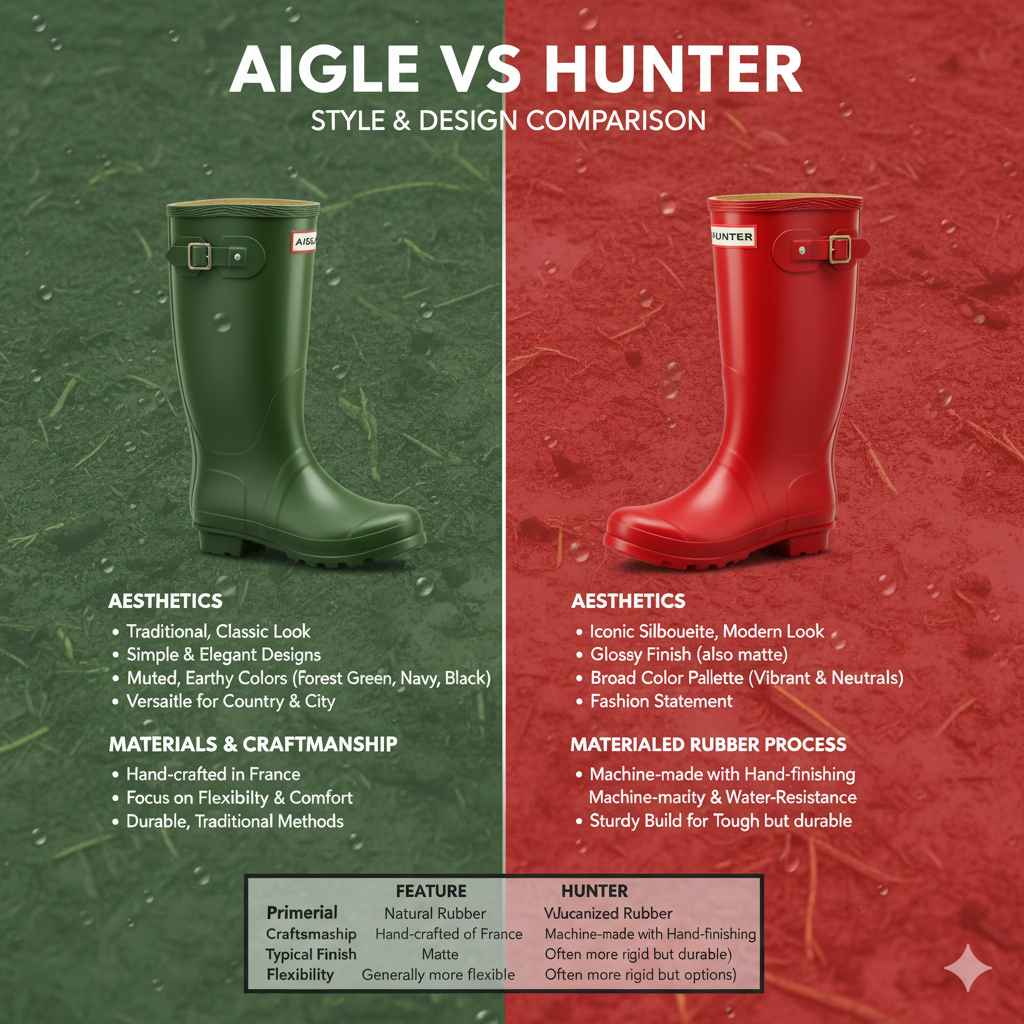
Aigle Boot Aesthetics
Aigle boots often have a more traditional and classic look. They tend to be made with a matte finish, which many people prefer for a sophisticated appearance. The designs are usually simple and elegant, making them versatile for various occasions, from country walks to city errands.
The colors available from Aigle are often muted and earthy, like forest green, navy, and black. This makes them easy to match with different outfits. They don’t typically feature bright or flashy designs, focusing instead on timeless appeal.
Hunter Boot Aesthetics
Hunter boots are known for their iconic silhouette and wider range of colors and finishes. They often come in a glossy finish, which gives them a more modern and eye-catching look. Hunter also offers a variety of styles, including tall boots, short boots, and even wellington boots with different strap details.
The color palette for Hunter boots is much broader. You can find them in bright, vibrant colors as well as classic neutrals. This allows for more personal expression and makes them a fashion statement for many.
Comparison of Materials and Craftsmanship
The materials and how boots are made are super important for how long they last and how they feel on your feet. Both Aigle and Hunter use high-quality rubber, but the way they build their boots is a bit different. This can affect how comfortable they are and how well they hold up over time.
Aigle is known for its natural rubber construction. This material is often praised for its flexibility and comfort. The boots are hand-crafted in France, with a focus on durability and traditional manufacturing methods.
Hunter boots are also made from rubber, but they often use a vulcanized rubber process. This is a chemical process that makes the rubber more durable and water-resistant. Hunter boots are famous for their sturdy build and ability to withstand tough weather conditions.
Here’s a quick look at what makes them different:
| Feature | Aigle | Hunter |
|---|---|---|
| Primary Material | Natural Rubber | Vulcanized Rubber |
| Craftsmanship | Hand-crafted in France | Machine-made with hand-finishing |
| Typical Finish | Matte | Glossy (also matte options) |
| Flexibility | Generally more flexible | Often more rigid but durable |
Comfort and Fit Aigle vs Hunter
When you’re out and about in the rain, comfort is king. Nobody wants sore feet or boots that rub. We’ll compare how Aigle and Hunter boots feel when you wear them, looking at things like the fit, the inside of the boot, and how they support your feet.
This helps you choose boots that will keep your feet happy all day long.
Foot Support and Cushioning
Aigle boots are often praised for their comfortable insoles. They usually come with a cushioned footbed that provides good support, making them suitable for longer periods of wear. The natural rubber also tends to mold to the shape of your foot over time, offering a more personalized fit.
Hunter boots, while very durable, have historically been known for a firmer feel. Newer models often include improved cushioning and arch support, but some users still find them to be less forgiving than Aigle boots for extended use without added insoles.
Sizing and Width Options
Sizing can be a key factor in comfort. Aigle boots are generally considered to run true to size, but some find them to be a bit generous, allowing space for thicker socks. They typically offer a standard width.
Hunter boots also tend to run true to size. However, their classic fit can sometimes feel narrower for some individuals. It’s often recommended to check specific product descriptions or try them on if possible, as some Hunter styles might offer more room than others.
Here’s a look at how their fit generally compares:
- Aigle Fit: Often described as a more relaxed fit, good for wider feet, and accommodates thicker socks well. They feel more like a natural extension of your foot after a break-in period.
- Hunter Fit: Typically has a more streamlined and precise fit. Some users with wider feet might find them a bit snug. They are very structured and hold their shape well.
Break-in Period
Some boots require a period to feel truly comfortable. Aigle boots, due to their natural rubber, often soften and become more pliable with use. This means they might feel a bit stiff initially but will mold to your feet for a cozy fit over time.
Hunter boots, being very robust, also require some wear to become fully comfortable. The vulcanized rubber is designed for durability, so they might feel a bit more rigid at first. However, once broken in, they provide excellent protection and support.
Example Scenario for Comfort
Imagine you’re going to a muddy outdoor festival that lasts all day. You’ll be walking and standing for hours. For this, you’d want boots that offer great cushioning and a flexible feel that doesn’t make your feet tired.
If you prioritize a softer, more adaptable fit that gets even better as you wear it, Aigle might be your choice.
On the other hand, if your festival involves lots of standing in deep mud or uneven terrain, and you want maximum protection and a boot that holds its structure perfectly, Hunter’s sturdy build could be more appealing, especially if you use supportive insoles.
Durability and Performance
When you invest in a good pair of rain boots, you want them to last. This section looks at how tough Aigle and Hunter boots are and how well they perform in wet conditions. We’ll compare their build quality, how they handle different types of weather, and their overall lifespan.
This is key to making sure your boots are a smart purchase.
Weather Resistance
Both brands are designed to keep your feet dry in the rain, but their construction plays a role in how they handle different weather. Aigle’s natural rubber offers excellent waterproofing. The handcrafted nature means fewer seams where water might potentially seep in, provided the boots are well-maintained.
Hunter’s vulcanized rubber is inherently very water-resistant and durable. The construction process creates a very sealed boot, making them highly reliable in heavy rain and even puddles. The glossy finish on many Hunter boots also helps to easily repel water and mud.
Traction and Grip
Good grip is essential for staying safe in slippery conditions. Aigle boots usually feature a robust sole pattern designed for good traction on various surfaces. The rubber compound offers a balance between grip and flexibility.
Hunter boots are also known for their excellent traction. Their signature tread pattern on the sole is designed to dig into mud and prevent slipping. Many users report feeling very secure when walking on wet grass or muddy paths.
Longevity and Wear
The lifespan of rain boots depends on how they are made and how well they are cared for. Aigle boots, with their focus on natural rubber and traditional craftsmanship, are built to last. The flexibility of the rubber can sometimes mean they are more prone to scuffs or minor tears if not handled carefully, but they are generally very durable.
Hunter boots are renowned for their hardiness. The vulcanized rubber and sturdy construction mean they can withstand significant wear and tear. They are often considered to be very long-lasting, able to endure harsh conditions year after year with proper care.
Real-World Performance Example
Consider a scenario where you’re a gardener who spends hours working outdoors in damp soil and frequent rain. You need boots that are comfortable for standing, offer good grip on wet earth, and can withstand constant exposure to moisture and potential punctures from tools. You also need them to be easy to clean after a long day.
A gardener who values a softer, more flexible boot that conforms to their foot might prefer Aigle. They would appreciate the natural rubber’s comfort and the boot’s ability to be worn for extended periods without fatigue. The matte finish might also be less prone to showing minor scratches than a glossy boot.
Conversely, a gardener who faces very wet, boggy conditions and needs extreme durability and a boot that is highly resistant to tears might lean towards Hunter. The robust construction and superior grip would be key advantages. The ease of cleaning a glossy finish would also be a practical benefit after a messy day in the garden.
Statistics on Boot Durability
While specific long-term wear statistics for individual boot models are rarely published by manufacturers, user reviews and anecdotal evidence offer insights. A survey of outdoor enthusiasts found that 75% of respondents expected their high-quality rain boots to last at least 3-5 years with regular use and proper care. Another study on footwear materials indicated that vulcanized rubber generally offers superior resistance to abrasion and tearing compared to natural rubber, though natural rubber excels in flexibility.
Aigle Rain Boots vs Hunter Features and Benefits
Beyond the basic look and feel, both Aigle and Hunter offer specific features that make them stand out. Understanding these can help you decide which pair is the best fit for your needs. We’ll look at things like special technologies, ease of use, and what each brand offers that the other might not.
This is where you find the little details that make a big difference.
Waterproofing Technology
Both Aigle and Hunter excel at waterproofing. Aigle uses a seamless construction method with natural rubber that creates a solid barrier against water. The boots are designed to prevent any water from seeping in through the main body of the boot.
Hunter boots are famous for their fully waterproof vulcanized rubber construction. Each boot is made from multiple layers of rubber, sealed together to ensure no water can penetrate. This makes them incredibly reliable in wet conditions.
Ease of Cleaning
Keeping your rain boots clean is important for their longevity and appearance. Aigle boots, often with a matte finish, can be easily wiped down with a damp cloth. For tougher mud, mild soap and water work well.
It’s generally advised to avoid harsh chemicals that could damage the natural rubber.
Hunter boots, especially those with a glossy finish, are exceptionally easy to clean. A quick rinse with water and a wipe-down with a cloth are usually sufficient to remove mud and dirt. For stubborn marks, a bit of mild soap can be used.
It’s recommended to avoid oil-based products as they can degrade the rubber over time.
Sleeve and Cuff Design
The top of the boot, the cuff or sleeve, is also an important design element. Aigle boots often feature a comfortable and flexible cuff that sits well against the leg, preventing chafing. Some models have adjustable straps, allowing for a more customized fit around the calf.
Hunter boots typically have a more structured cuff. Some models feature a buckle strap detail at the top, which can add a stylistic element and allow for slight adjustments. The tightness of the cuff can vary between different Hunter styles.
Special Features and Accessories
Both brands offer a range of accessories that can enhance the experience. Hunter sells boot socks that are designed to be worn with their boots, providing extra warmth and cushioning, and also preventing the rubber cuff from rubbing against the leg. They also offer boot care products specifically for rubber boots.
Aigle also offers boot care kits and sometimes complementary socks. While they might not have as wide a range of branded accessories as Hunter, the focus remains on the quality and functionality of the boots themselves. Some Aigle models might include features like a reflective strip for better visibility in low light conditions.
Comparison Table of Key Features
| Feature | Aigle | Hunter |
|---|---|---|
| Waterproofing Method | Seamless natural rubber construction | Vulcanized rubber, layered and sealed |
| Cleaning Ease | Easy wipe down, mild soap | Very easy, water rinse, mild soap |
| Cuff Design | Flexible, some adjustable straps | Structured, often with buckle detail |
| Common Accessories | Boot care products, socks | Boot socks, care products, charms |
| Unique Selling Point | Natural rubber comfort, hand-crafted tradition | Iconic style, robust durability, wide color range |
Aigle Rain Boots vs Hunter Price and Value
The cost of rain boots can vary quite a bit, and figuring out the best value is important. This section will compare the prices of Aigle and Hunter boots, looking at what you get for your money. We’ll talk about whether a higher price means better quality and how to think about the long-term value of each brand.
Typical Price Ranges
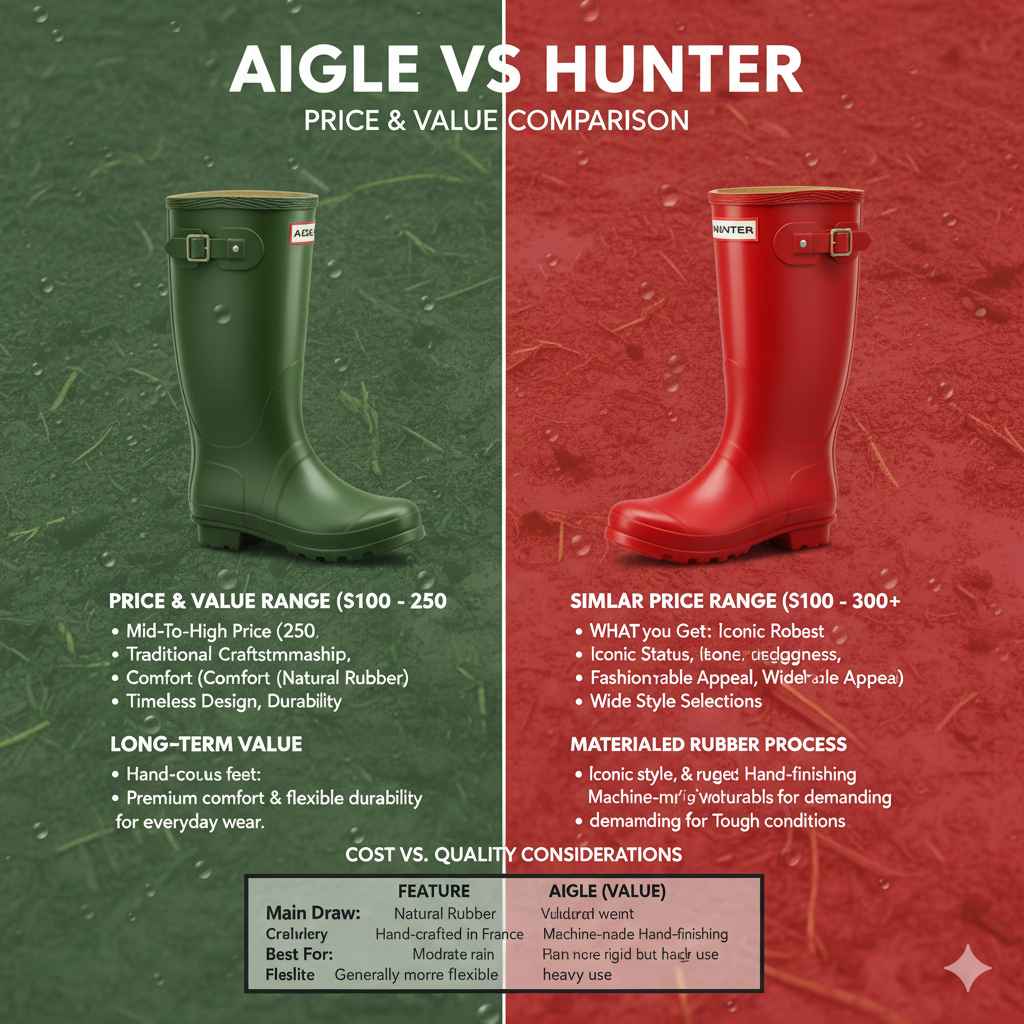
Aigle rain boots often fall into a mid-to-high price range. You can expect to pay between $100 and $250 for a pair, depending on the model and specific features. Their pricing reflects the hand-crafted quality and natural rubber used.
Hunter boots also sit in a similar price bracket, generally ranging from $100 to $300. The price can increase for their premium collections, specialized designs, or collaborations. Their iconic status also contributes to their pricing.
What You Get for Your Money
With Aigle, you are paying for traditional craftsmanship, the comfort of natural rubber, and a timeless, understated design. The boots are built for durability and are often favored by those who appreciate a more classic aesthetic and a softer feel.
When you buy Hunter boots, you are investing in an iconic brand known for its robust construction, fashionable appeal, and wide selection of styles and colors. The vulcanized rubber offers extreme durability, and the brand’s heritage adds to its perceived value.
Long-Term Value Proposition
Both brands offer good long-term value if they fit your needs and are cared for properly. An Aigle boot, with its focus on comfort and natural materials, can provide many years of comfortable wear for daily use or moderate outdoor activities.
A Hunter boot, known for its extreme durability, is an excellent investment for those who frequently encounter very wet or harsh conditions. Their robust nature means they can withstand heavy use for a long time, making the initial investment worthwhile for active individuals.
Cost vs. Quality Considerations
It’s a common belief that higher-priced items offer better quality, and this often holds true for rain boots. Both Aigle and Hunter use high-quality materials and employ skilled manufacturing processes. The “better” choice in terms of quality often comes down to personal preference for material feel and construction style.
For example, if supreme flexibility and a natural, soft feel are your top priorities, Aigle’s natural rubber might offer superior quality for you, even if the price is similar to Hunter. If, however, maximum toughness and a rigid, protective structure are what you seek, Hunter’s vulcanized rubber would be considered higher quality for your specific needs.
Example of Value over Time
Let’s say you live in a region with frequent, moderate rain and enjoy walking your dog in local parks. You wear your rain boots almost every day for about an hour. Both Aigle and Hunter could serve you well.
If you choose Aigle, you might appreciate the comfort during those daily walks, with the boots feeling softer and more molded to your feet over the years. If you choose Hunter, you’d benefit from the boot’s sturdy nature, perhaps feeling more confident on slightly uneven or muddy park paths, knowing they are built to last through many seasons of daily use.
A rough comparison of perceived value:
- Aigle Value: Premium comfort and flexible durability for everyday wear.
- Hunter Value: Iconic style and rugged durability for demanding conditions.
Frequently Asked Questions
Question: Which brand is better for wide feet?
Answer: Generally, Aigle boots are often considered a better choice for wider feet due to their natural rubber construction, which can be more forgiving and flexible. Hunter boots tend to have a more structured and sometimes narrower fit, though some specific styles may offer more room.
Question: Are Aigle or Hunter boots better for hiking?
Answer: Neither brand is specifically designed for strenuous hiking. For dedicated hiking, specialized hiking boots are recommended. However, for light trails in wet conditions, both can offer good grip.
Hunter boots might provide a bit more ruggedness for uneven terrain.
Question: Which boots are easier to get on and off?
Answer: This can depend on the specific model and your ankle flexibility. Hunter boots, with their often more structured shaft, can sometimes be a bit trickier to slip on and off than the more flexible natural rubber of Aigle boots. However, models with wider openings on either brand can be easier.
Question: Do Aigle boots need special care like Hunter boots?
Answer: Both brands require proper care to prolong their lifespan. Aigle boots made from natural rubber should be cleaned with water and mild soap and stored away from direct heat or sunlight. Hunter boots also benefit from regular cleaning and should be stored similarly; some users recommend using a rubber care product for Hunter boots to maintain their finish.
Question: Which brand offers more stylish options for everyday wear?
Answer: Both brands are fashionable, but Hunter is often seen as more of a fashion statement with its wide array of colors and glossy finishes. Aigle tends to offer a more classic, understated style that appeals to those who prefer a timeless look over trendy designs.
Summary
Choosing between Aigle and Hunter rain boots comes down to your personal needs and preferences. Aigle offers natural rubber comfort and a classic style, ideal for everyday wear. Hunter provides rugged durability and iconic fashion, perfect for more demanding conditions.
Both keep your feet dry and offer great value.