Are Thermal Scopes Legal for Deer Hunting? Laws Explained
Hunting deer is a tradition for many Americans. Over the years, hunting tools have changed a lot. One tool that has become popular is the thermal scope. These scopes let hunters see heat signatures, even in total darkness. But as more people want to use them, a big question comes up: Are thermal scopes legal for deer hunting? The answer is not simple. Laws are different in each state, and there are many factors to think about, including ethics and safety. Let’s explore the facts, rules, and real examples to help you understand if you can use a thermal scope for deer hunting where you live.
What Are Thermal Scopes And How Do They Work?
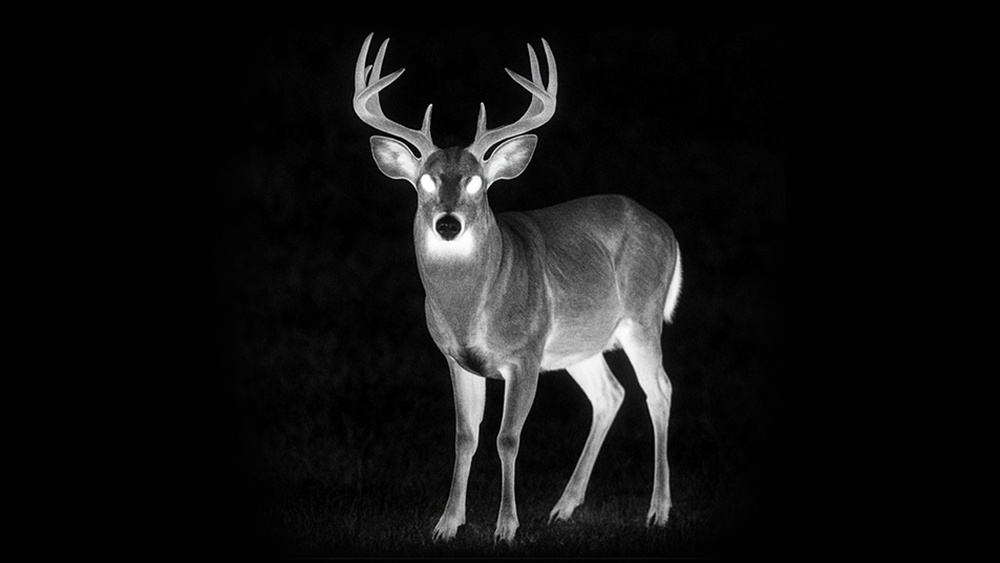
A thermal scope is a device that detects heat. All living things, including deer, give off heat. The scope uses sensors to turn this heat into an image. You can see animals in darkness, fog, or heavy brush, where normal scopes or binoculars might fail.
Thermal scopes are different from night vision scopes. Night vision needs some light to work, like moonlight or streetlights. Thermal scopes don’t need light at all. They work day or night. That’s why they are so effective for spotting wildlife, especially at night.
Here’s a quick comparison:
| Feature | Thermal Scope | Night Vision Scope |
|---|---|---|
| Works in total darkness | Yes | No |
| Detects heat | Yes | No |
| Needs ambient light | No | Yes |
| Can see through fog/brush | Yes | Limited |
Thermal scopes are often used by the military, law enforcement, and pest control. More hunters are interested in them because they make finding animals easier. But this power also brings responsibility.
Deer Hunting Laws And Regulations In The Us
When it comes to deer hunting, the US has strict rules. Each state makes its own hunting laws. These laws cover:
- When you can hunt (season dates)
- Where you can hunt (public vs. private land)
- What equipment you can use (firearms, bows, optics)
- How you can hunt (methods, times of day)
States also set rules to protect wildlife populations and ensure fair chase. “Fair chase” means giving animals a chance to escape, keeping hunting ethical. Some tools, like bait or certain optics, may be banned if they make hunting too easy.
Thermal scopes are a special case. They are not banned everywhere, but most states have rules about using them for big game like deer.
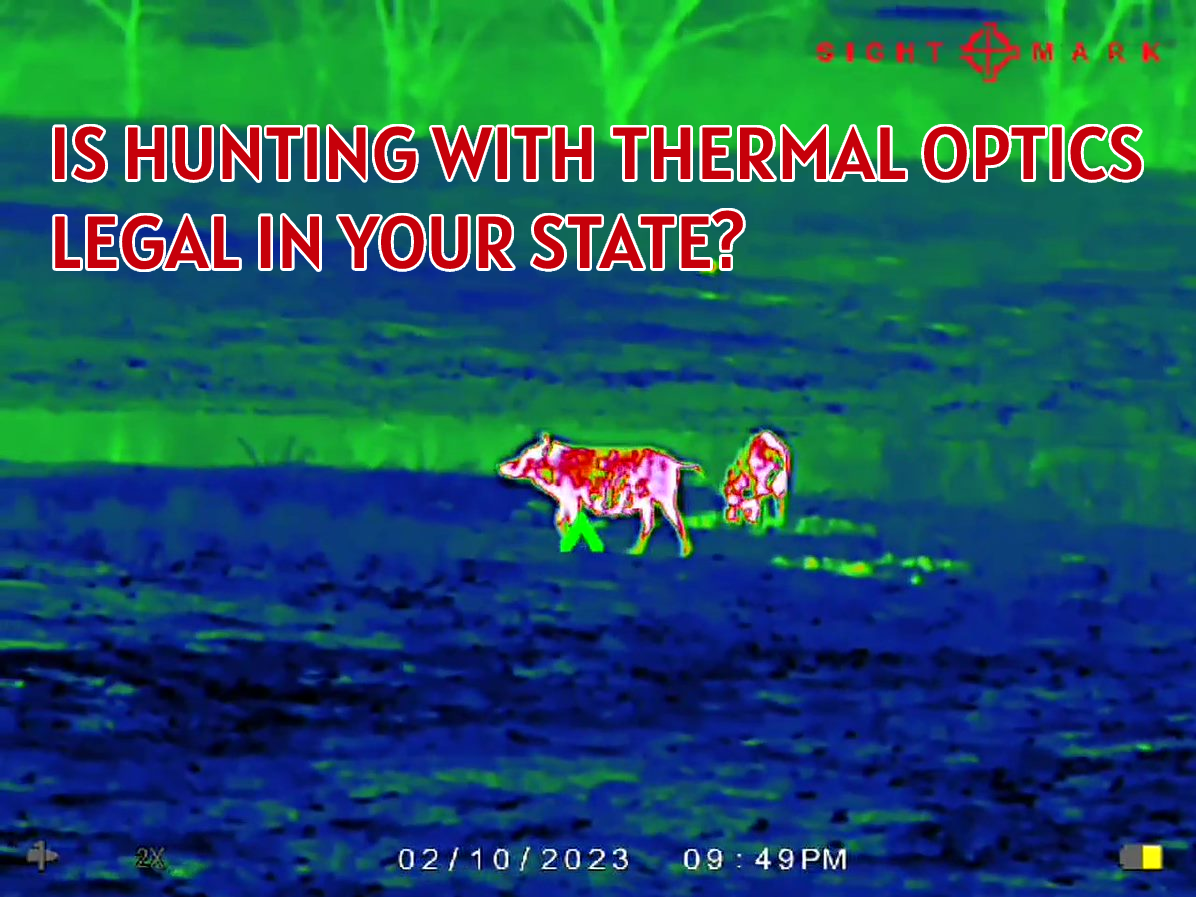
Credit: www.sightmark.com
Are Thermal Scopes Legal For Deer Hunting? State-by-state Overview
The legality of thermal scopes for deer hunting depends on your state. Some states allow them, but most do not. To help you understand, here’s a simple table showing where thermal scopes are legal or illegal for deer hunting in several states:
| State | Thermal Scope for Deer Hunting | Notes |
|---|---|---|
| Texas | No | Legal for hogs and predators; not for deer |
| Florida | No | Legal for nuisance animals only |
| Alaska | No | Thermal and night vision scopes banned for big game |
| Missouri | No | Prohibited for deer and turkey |
| Georgia | No | Only legal for feral hogs and coyotes |
| Wyoming | No | Banned for all big game hunting |
| Montana | No | Illegal for big game |
| Arizona | No | Thermal scopes banned for big game |
| Virginia | No | Legal for nuisance animals, not deer |
| South Dakota | No | Illegal for big game hunting |
Most US states do not allow thermal scopes for deer hunting. Usually, you can use them for nuisance animals like hogs or coyotes, but not for deer, elk, or moose.
Warning: Always check your state’s wildlife website before using a thermal scope. Laws change often, and mistakes can lead to heavy fines or loss of hunting rights.
Why Are Thermal Scopes Often Banned For Deer Hunting?
Many hunters ask why thermal scopes are banned for deer, but allowed for other animals. There are a few main reasons:
Ethical Concerns
Fair chase is a basic rule in US hunting. It means hunters should not have an unfair advantage. Thermal scopes make it very easy to find deer, even when they hide or move at night. Some people think this is not fair to the animal.
Safety Risks
Hunting deer at night can be dangerous. Even with a thermal scope, you might not see what is behind the animal. There could be other hunters, livestock, or buildings. Most states ban night hunting for deer to reduce accidents.
Wildlife Management
States use hunting to control deer populations. If everyone could hunt deer at night with thermal scopes, it would be much easier to take more deer. This could hurt the population and lead to fewer deer in the future.
Conservation
Wildlife officials want to protect healthy deer herds. Technology like thermal scopes can impact how many deer are harvested each season. By banning them, states keep hunting more balanced.
Legal Use Of Thermal Scopes: Examples
While thermal scopes are banned for deer, you can use them for other animals in many states. For example:
- In Texas, you can hunt wild hogs or coyotes at night with thermal scopes. These animals are considered pests and can damage crops.
- In Florida, thermal scopes are allowed for hunting invasive species like feral hogs.
- In Georgia, hunters can use thermal scopes for coyotes and hogs, but not deer.
Example: When I tested a thermal scope in Texas, I was able to spot wild hogs from 200 yards away at night. The scope showed clear heat signatures, even when the animals hid in thick brush. This made it easier to target nuisance animals, but I had to switch to a regular scope for deer hunting.
How To Check The Laws In Your State
If you want to know if you can use a thermal scope for deer, follow these steps:
- Visit your state’s official wildlife or hunting website.
- Search for “hunting regulations” or “optics rules.”
- Look for rules on “night vision” or “thermal imaging devices.”
- Contact your local game warden for questions.
Some states update their laws every year. If you are not sure, ask before you hunt. Even honest mistakes can lead to legal trouble.
Common Mistakes Hunters Make With Thermal Scopes
Many hunters are excited to try new gear. But there are common mistakes to avoid:
- Assuming legality: Just because you can buy a thermal scope does not mean you can use it for deer hunting.
- Ignoring local rules: Counties or public lands may have extra restrictions.
- Not checking season dates: Using thermal scopes outside legal hunting hours is often banned.
- Failing to identify targets: Thermal scopes can show heat, but not details. Always confirm your target before firing.
Pro Tip: Always carry a printed copy of the rules when you hunt. If a game warden checks you, you can show you know the law.
Ethics And Responsibility When Using Advanced Optics
Hunting is not just about skill. It’s about responsibility. Advanced optics, like thermal scopes, can make hunting easier. But they can also lead to poor decisions.
Respecting Fair Chase
Even if your state allows thermal scopes for certain animals, it is wise to ask yourself: Is it ethical to use this technology? The fair chase idea is respected by most hunters. It means giving animals a chance to escape.
Safety First
Thermal scopes are powerful, but they don’t show everything. You must know what is beyond your target. Safety is always the top concern. Never shoot just because you see a heat signature.
Protecting Wildlife
Using advanced optics for deer can impact populations. It is important to follow all rules and hunt in a way that keeps wildlife healthy for future generations.
Credit: www.sightmark.com
Alternatives To Thermal Scopes For Deer Hunting
Since thermal scopes are mostly banned for deer hunting, hunters must use other tools. Here are some common alternatives:
- Traditional rifle scopes: These are legal in every state for deer hunting.
- Binoculars: Good for spotting deer from far away.
- Trail cameras: You can use these to see where deer move during the day.
- Rangefinders: Help measure distance for accurate shots.
Some states allow night vision scopes for certain animals, but not deer. Night vision is less powerful than thermal, but can be useful for spotting animals in low light.
| Device | Legal for Deer Hunting? | Main Use |
|---|---|---|
| Thermal Scope | No | Nuisance animal hunting |
| Rifle Scope | Yes | All big game hunting |
| Night Vision Scope | No | Predator hunting (varies by state) |
| Binoculars | Yes | Spotting wildlife |
| Trail Camera | Yes | Scouting deer activity |
If you want to hunt deer legally, stick to approved optics. Check local laws before using anything new.
How Thermal Scopes Impact Hunting Success
Thermal scopes are very effective for finding animals. They let you see heat through brush and darkness. For nuisance animals, this means more success.
However, when it comes to deer, the impact can be too great. That’s why most states limit their use. If everyone hunted deer at night with thermal scopes, it would be harder to keep deer populations healthy.
Some hunters say that using thermal scopes makes hunting less challenging. They miss the traditional skills of tracking and spotting deer in daylight. Others like the technology for pest control, where success is more important than tradition.

Credit: www.thetruthaboutguns.com
International Laws: Are Thermal Scopes Legal For Deer Hunting Abroad?
If you plan to hunt outside the US, laws are different. In Europe, for example, countries like Germany and France tightly control hunting optics. Some allow thermal scopes for wild boar, but not for deer.
In Australia, thermal scopes are usually banned for big game. In Canada, most provinces do not allow thermal scopes for deer or elk hunting.
Always check local laws before traveling with hunting gear. Some countries require permits or ban certain optics completely.
Should You Buy A Thermal Scope?
If you hunt nuisance animals like hogs or coyotes, a thermal scope can be a good investment. They are legal for these animals in most states. But if your main goal is deer hunting, you may not be able to use a thermal scope. Before buying, ask:
- What animals am I allowed to hunt with a thermal scope?
- Is it legal in my state or county?
- Will the scope help me hunt responsibly and safely?
Thermal scopes can cost from $1,000 to over $5,000. Make sure your purchase fits your needs and local rules.
The Future Of Hunting Technology
Modern hunting technology is advancing fast. Thermal scopes are just one example. As gear improves, laws may change.
Wildlife agencies balance technology with conservation. They want hunters to be safe and successful, but also protect animal populations. In the future, some states may allow more advanced optics. But for now, thermal scopes are mostly banned for deer hunting.
Hunters should stay informed. Good sources for updates include state wildlife websites and organizations like the National Rifle Association or Safari Club International.
Frequently Asked Questions
Can I Use A Thermal Scope For Deer Hunting During The Day?
No. Most states ban thermal scopes for deer hunting at any time, day or night. The ban is not just about night hunting, it covers all hours to protect fair chase.
Are There Any States Where Thermal Scopes Are Legal For Deer Hunting?
As of 2026, no US state allows thermal scopes for deer hunting. They are only allowed for nuisance animals, such as hogs and coyotes, in some states. Always check your local laws, as regulations may change.
What Happens If I Use A Thermal Scope For Deer Hunting Illegally?
If you break the law, you can face fines, lose your hunting license, or even be banned from hunting. Some states may also seize your equipment. Legal action depends on the severity and if it’s a repeat offense.
Are Thermal Scopes Legal For Hunting Other Animals?
Yes, in many states, thermal scopes are legal for hunting nuisance animals like wild hogs, coyotes, and foxes. The rules are different for big game like deer, elk, and moose.
How Can I Find The Latest Laws About Hunting Optics?
The best way is to check your state’s official wildlife agency website. You can also call your local game warden or visit national resources like NRA for updates. Laws change often, so check before each hunting season.
Modern hunting tools like thermal scopes bring new opportunities, and new questions. For deer hunting, the rules