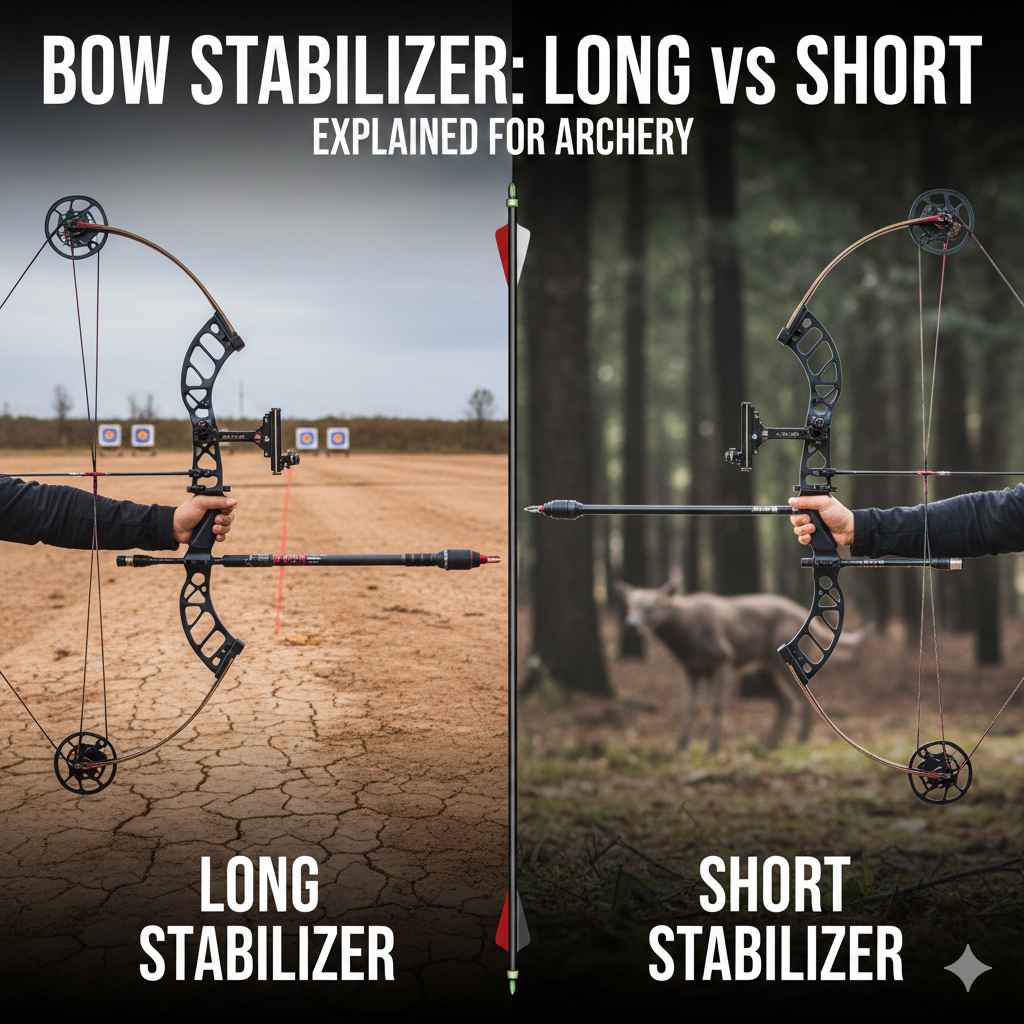
Choosing the right equipment can feel tricky, and that’s especially true when you start looking at accessories for archery. One area that often causes confusion is the selection of a bow stabilizer. Deciding between a long and a short stabilizer can be tough for beginners. But don’t worry! This post will break down the topic, explaining the differences in a simple, step-by-step way. We’ll explore Bow Stabilizer Long vs Short: Best Choice Explained to help you make a confident decision. Get ready to explore the options and find the best fit for your archery style.
What a Stabilizer Does for Your Archery
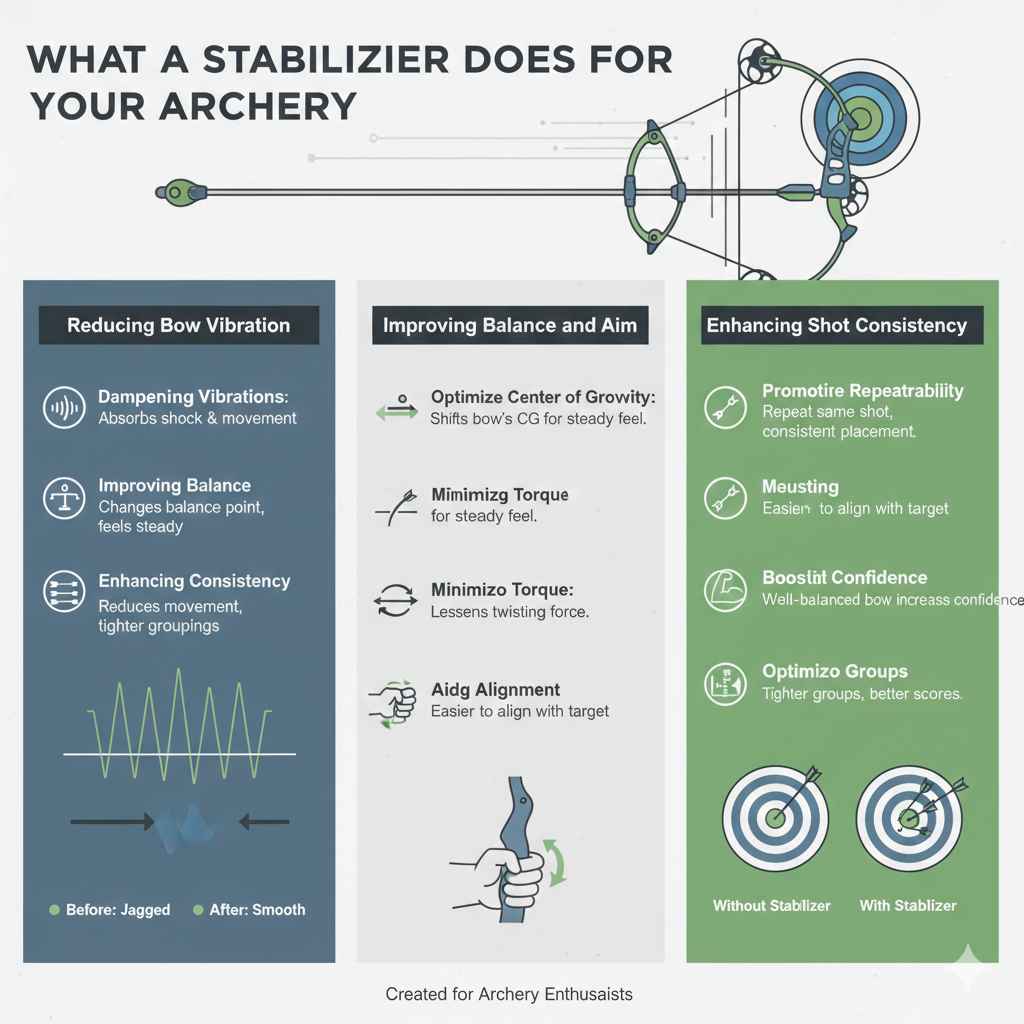
Before exploring the specific differences between long and short stabilizers, it’s helpful to first establish the purpose of a bow stabilizer. A bow stabilizer is an attachment used in archery that helps improve the archer’s accuracy and shot consistency. It’s designed to reduce unwanted movement or “vibration” in the bow during the shot. By minimizing these vibrations, the stabilizer helps the arrow leave the bow in a straighter, more controlled flight path. This means more accurate groupings and better overall performance.
Reducing Bow Vibration
When you release an arrow, the bow experiences vibrations. These vibrations are caused by the sudden energy transfer from the bowstring to the arrow. These vibrations can negatively impact accuracy by causing the bow to move slightly as the arrow leaves. The stabilizer acts as a counterweight, absorbing and dissipating these vibrations, creating a more stable platform for the shot.
- Dampening Vibrations: The primary role of a stabilizer is to absorb the energy from vibrations. They absorb shock and movement from your bow.
- Improving Balance: Stabilizers can change the balance point of your bow, making it feel more steady in your hand. This helps with aiming and follow-through.
- Enhancing Consistency: By reducing unwanted bow movement, stabilizers help you shoot with better consistency. Each shot is more similar to the previous one, leading to tighter groupings.
Improving Balance and Aim
Beyond reducing vibration, a stabilizer also plays a key role in improving the bow’s balance. Archers often describe the feeling as a more steady platform from which to aim and shoot. This improved balance makes it easier to hold the bow steady on target, especially for a longer period. This is particularly helpful when shooting at longer distances or in windy conditions. The weight and design of the stabilizer will directly affect how the bow feels in the archer’s hand. Different weights and lengths influence how the bow balances, allowing the archer to achieve the feel that promotes a steady hold.
- Optimizing Center of Gravity: Stabilizers shift the bow’s center of gravity. This is important to create a more balanced feel.
- Minimizing Torque: They help lessen any twisting force (torque) that can occur during the shot. This is especially helpful in compound bows where the force of the shot can cause the archer to torque the bow grip.
- Aiding Alignment: A balanced bow is easier to keep aligned with your target, helping to maintain a straight shot. This aids consistent form.
Enhancing Shot Consistency
The ultimate goal of using a stabilizer is to achieve greater shot consistency. By reducing bow movement and improving balance, stabilizers give the archer a more stable shooting platform. This allows for tighter groupings and increased accuracy. Consistent arrow placement is crucial for competitive archery, and stabilizers play a very important part in achieving this.
- Promoting Repeatability: A stable bow makes it simpler to repeat the same shot. This leads to more consistent arrow placement.
- Boosting Confidence: Knowing your bow is well-balanced can increase your confidence. This is especially helpful during competitions.
- Optimizing Groups: Tighter groupings mean that your arrows will be closer to each other on the target. This improves your overall score and archery performance.
Long Bow Stabilizer Explained
Long stabilizers are generally longer in length and heavier in weight compared to short stabilizers. They are designed to be used by archers looking for maximum stability and aiming precision. The longer length of the stabilizer places the weight further away from the bow, resulting in a more pronounced effect on the bow’s balance. This design is popular in target archery, where maintaining accuracy over long distances is critical. They are often used by archers who prioritize very tight groupings and maximum forgiveness.
Key Features of Long Stabilizers
Long stabilizers are designed with several key features that set them apart. The length, weight, and materials used all contribute to their performance. These features work in conjunction to provide archers with enhanced stability and improved accuracy. Understanding these elements will allow you to select the best long stabilizer for your shooting needs.
- Extended Length: This provides a more considerable moment of inertia. This makes the bow more resistant to movement.
- Increased Weight: The added mass helps absorb vibrations and keep the bow steady during the shot.
- Weight Distribution: Long stabilizers have weights at the end, allowing for a personalized balance. This is especially useful in optimizing shot accuracy.
Benefits of Using a Long Stabilizer
Long stabilizers offer several advantages, making them an excellent choice for certain types of archery. These stabilizers are designed to provide maximum stability and are particularly useful in specific situations. Understanding these benefits will help you decide if a long stabilizer is the right choice for your style of archery.
- Enhanced Stability: The long length of the stabilizer provides more stability. It helps keep the bow steady during the shot.
- Improved Aiming: The added weight and length reduce bow movement. This assists in keeping the sight aligned with the target.
- Reduced Vibration: Long stabilizers effectively absorb vibrations. They contribute to a more stable shooting platform.
Considerations When Choosing a Long Stabilizer
Before selecting a long stabilizer, it’s important to consider some factors. The overall length, weight, and adjustability of the stabilizer are important. These considerations will help you choose a stabilizer that meets your specific needs and shooting style. Getting the right fit will affect the stabilizer’s impact on your archery.
- Weight and Balance: It is vital to find the right weight and balance for your bow. Test different weights and configurations to see what feels best.
- Length and Clearance: Make certain the stabilizer length is appropriate for your bow and shooting style. It should not touch the ground or interfere with your arrows.
- Material and Build Quality: Choose a stabilizer made of durable materials that can withstand the rigors of use. Quality materials can ensure a better shooting experience.
Short Bow Stabilizer Explained
Short stabilizers are, as their name suggests, shorter in length than long stabilizers. They are generally lighter in weight and offer a different shooting experience. While they still provide vibration dampening and improve balance, their primary focus is on maneuverability and a more compact feel. Short stabilizers are a popular choice for archers who need to move and shoot quickly. They are often favored by hunters and those involved in field archery.
Key Features of Short Stabilizers
Short stabilizers have their own set of characteristics that distinguish them from their longer counterparts. The design of these stabilizers is centered on offering a balance of stability and maneuverability. These features make them a versatile option for archers who need a bow that is easy to handle while still providing accuracy.
- Compact Design: Shorter length provides greater maneuverability and a more streamlined setup.
- Lighter Weight: Less weight than long stabilizers reduces overall bow weight and enhances handling.
- Versatile Application: Suitable for a wider range of archery styles. This includes hunting, 3D archery, and field archery.
Benefits of Using a Short Stabilizer
Short stabilizers offer a unique set of benefits. The streamlined design offers a balance of stability and maneuverability. These advantages make short stabilizers an excellent choice for certain archers. Considering these benefits will help you decide if a short stabilizer matches your archery needs.
- Enhanced Maneuverability: The shorter length makes the bow easier to handle. This is useful in situations where speed is critical.
- Improved Balance: The lighter weight can help in achieving balance. It also can reduce fatigue during extended shooting sessions.
- Versatility: Short stabilizers work well across various archery disciplines. They’re a practical choice for different situations.
Considerations When Choosing a Short Stabilizer
When selecting a short stabilizer, there are several key points to consider. The weight, balance, and adaptability of the stabilizer will influence its impact on your archery. Selecting the right fit can improve your overall performance. These points will allow you to make the best decision for your archery needs.
- Weight and Balance: Choose a stabilizer that provides adequate vibration dampening. It must not add too much weight.
- Mounting and Compatibility: Ensure the stabilizer is compatible with your bow’s mounting system. Also, make sure it fits with the other accessories.
- Intended Use: Consider your primary archery style. Are you shooting in the field or at the range? Your answers will help you decide.
Long vs. Short Bow Stabilizer: A Comparative Analysis
The choice between a long and a short bow stabilizer often comes down to an archer’s individual preferences, archery style, and shooting conditions. Understanding the key differences and how they impact the shooting experience will help you choose the option that best suits your needs. There’s no one-size-fits-all solution; the “best” stabilizer depends entirely on the shooter and the circumstances.
Comparing Stability and Balance
One of the primary differences lies in the level of stability and balance each type of stabilizer provides. Long stabilizers offer superior stability. This is due to their increased length and mass. They are more effective at minimizing bow movement during the shot. Short stabilizers, while still providing some stability, prioritize maneuverability. They offer a more responsive feel, making them easier to handle in dynamic situations. The type of archery you do will determine which choice you make.
| Feature | Long Stabilizer | Short Stabilizer |
|---|---|---|
| Stability | High | Moderate |
| Balance | Enhanced | Balanced |
| Maneuverability | Reduced | Increased |
Comparing Vibration Dampening
Vibration dampening is a critical function of any bow stabilizer, and both long and short stabilizers contribute to this. Long stabilizers, with their greater mass, tend to absorb vibrations more effectively. Short stabilizers are still effective at reducing vibrations. Their design focuses on balancing dampening with other factors. Ultimately, both types of stabilizers aim to provide a smoother, more controlled shot by reducing bow vibrations.
- Vibration Absorption: Longer stabilizers generally absorb vibrations more effectively due to their increased mass.
- Shot Feel: Short stabilizers also reduce vibrations. They provide a balance of dampening and maneuverability.
- Consistency: Both types improve shot consistency by reducing unwanted bow movement. They promote more repeatable results.
Comparing Ideal Uses and Scenarios
The choice between a long and a short stabilizer often depends on the type of archery you are doing. The intended use will guide your decision. Long stabilizers work well for target archery, where accuracy at longer distances is the key. Short stabilizers are better suited for hunting, 3D archery, or other activities where maneuverability is important. Consider your primary archery activities, and the conditions in which you’ll be shooting, when deciding.
- Target Archery: Long stabilizers are favored due to their enhanced stability and accuracy. These work well when precision is paramount.
- Hunting: Short stabilizers are preferred due to their easier maneuverability. They provide a streamlined bow setup.
- 3D Archery: Either can work, but short stabilizers may be preferred for their versatility across various terrain.
How to Select the Correct Bow Stabilizer
Choosing the right bow stabilizer can greatly enhance your archery experience. The process involves evaluating your individual needs, understanding the available options, and knowing how to make an informed decision. The right stabilizer will provide you with improved accuracy, enhanced balance, and increased shot consistency. Following these guidelines will allow you to make the choice that improves your archery.
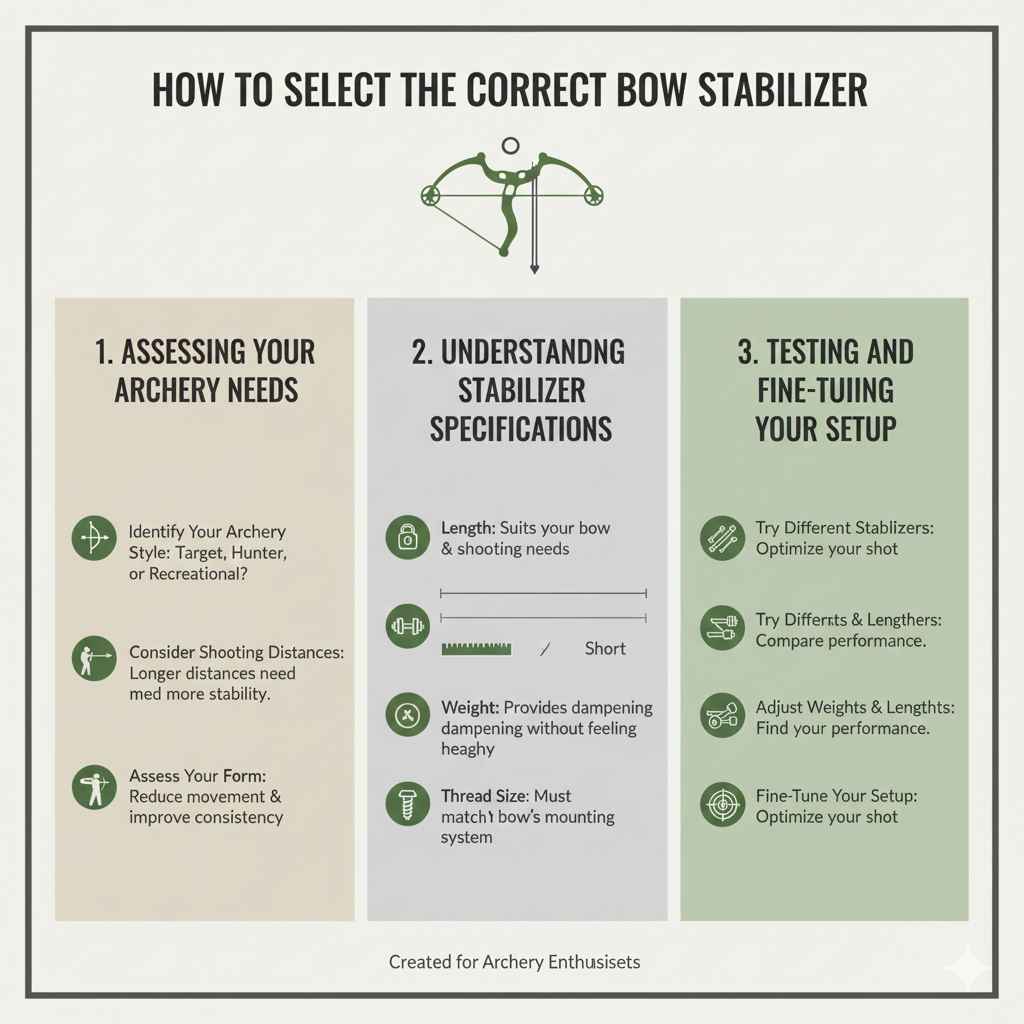
Assessing Your Archery Needs
The first step in selecting a bow stabilizer is to evaluate your needs. It’s about figuring out what you want from your archery. Considering your archery style, the distances you shoot, and your comfort level will help narrow down your choices. You should think about what you are looking to improve. This includes things such as shot consistency, ease of use, and overall bow feel.
- Identify Your Archery Style: Are you a target archer, hunter, or recreational shooter? Understanding your style will guide your selection.
- Consider Shooting Distances: Longer distances often benefit from increased stability, so consider what distances you typically shoot.
- Assess Your Form: Do you struggle with bow movement or consistency? A stabilizer can help address those issues.
Understanding Stabilizer Specifications
When reviewing stabilizer specifications, it’s vital to focus on the key factors. These details will influence the performance and overall feel of the stabilizer. The length, weight, and construction materials all play an important role. Pay attention to how the stabilizer can be adjusted. These specifications will aid you in making an informed decision that will allow you to improve your archery.
- Length: Measure the stabilizer length to ensure it suits your bow and shooting needs. Make sure it isn’t too long.
- Weight: Consider the weight of the stabilizer. It needs to provide sufficient dampening without feeling heavy.
- Thread Size: Confirm the stabilizer’s threads match your bow’s mounting system. Make certain the parts fit together.
Testing and Fine-Tuning Your Setup
Once you’ve narrowed your choices, it is important to test the stabilizers. This is the most effective approach to identifying the ideal stabilizer for your needs. Trying out different stabilizers and adjusting your setup will help you find the right balance. Testing and tuning helps you achieve improved accuracy and a better shooting experience.
- Try Different Stabilizers: If possible, test different stabilizers. This will allow you to compare their performance.
- Adjust Weights and Lengths: Experiment with the weight and length of your stabilizer. Find the balance that works best for you.
- Fine-Tune Your Setup: Make small adjustments to your bow setup. This includes the stabilizer. This will allow you to optimize your shot.
Frequently Asked Questions
Question: Can I use both a long and short stabilizer on my bow?
Answer: It is possible to use both types of stabilizers, often by combining a long front stabilizer with a shorter side stabilizer. This can allow you to customize the balance and vibration dampening of your bow for your specific needs.
Question: Are more expensive stabilizers always better?
Answer: Not necessarily. While higher-priced stabilizers often have advanced features, the best choice depends on your needs and shooting style. Some less expensive models can perform exceptionally well for certain archers.
Question: How do I know if my stabilizer is the right weight?
Answer: The right weight for a stabilizer is often determined by feel. You want it to provide good balance and minimize vibrations. You may have to experiment with different weights to find what gives you the best results.
Question: Does stabilizer length affect arrow speed?
Answer: Stabilizer length usually doesn’t directly affect arrow speed. However, by improving the bow’s stability, it can contribute to a more consistent shot. This often leads to better arrow grouping.
Question: How often should I replace my bow stabilizer?
Answer: Stabilizers are generally durable, but they can be damaged over time. Inspect your stabilizer regularly for wear and tear. Replace it if you see cracks, dents, or signs of material breakdown.
Final Thoughts
Deciding between a long or short bow stabilizer isn’t about finding a single “right” answer. The best choice ultimately depends on your specific needs as an archer. Long stabilizers excel at providing stability and reducing bow movement, making them ideal for target archery. Short stabilizers offer greater maneuverability and are well-suited for hunting and field archery. You can improve your shooting by considering your archery style, shooting distances, and comfort level. Take the time to test different options, adjust your setup, and learn how various features impact your shooting. Don’t be afraid to experiment to see what feels best for you. The right stabilizer will become a valuable part of your archery setup, helping you improve your accuracy and enjoy the sport to its fullest. With a little investigation and practice, you will find the stabilizer that elevates your performance and helps you reach your archery goals.