
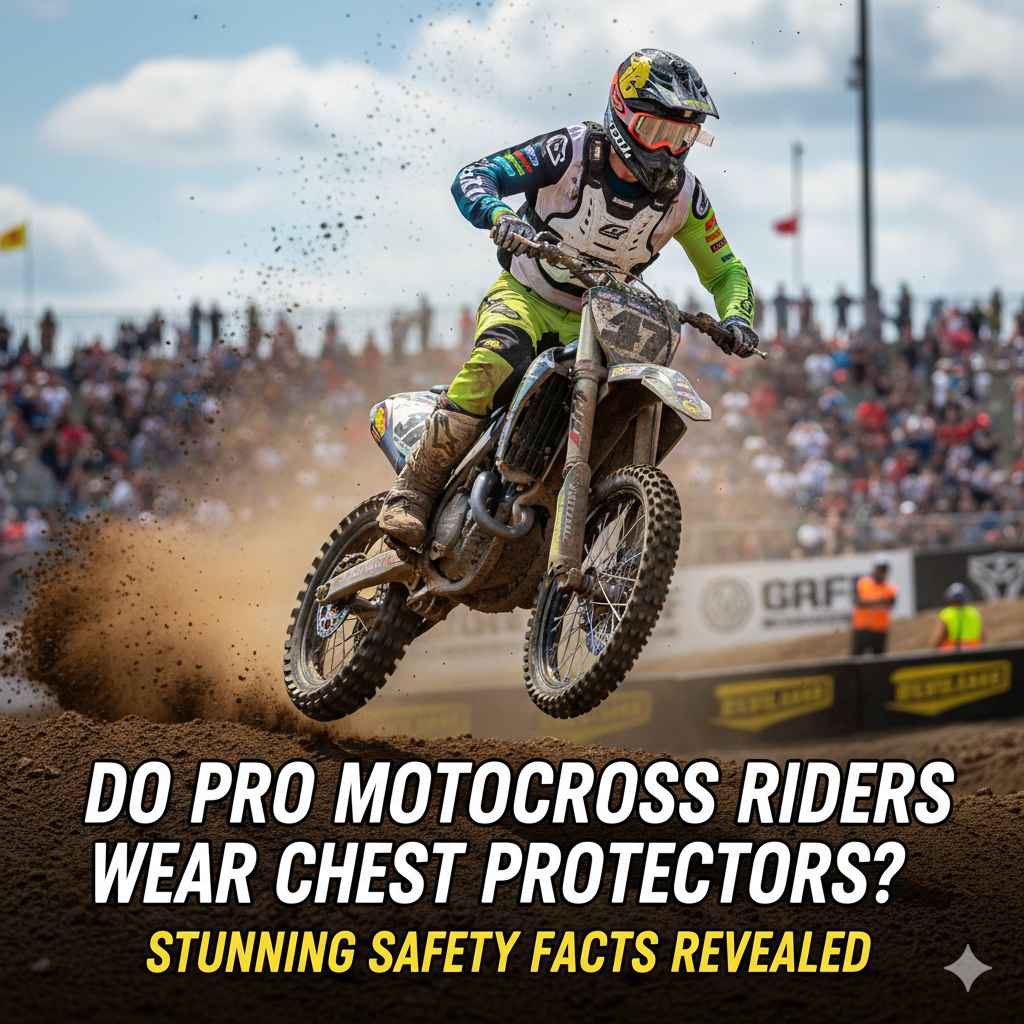
Motocross is an exhilarating and demanding sport, requiring riders to navigate rough terrains, steep jumps, and tight turns at high speeds. Given the unpredictable nature of these races, safety is a paramount concern for participants. One common question among fans and aspiring riders alike is: do pro motocross riders wear chest protectors? The answer is a resounding yes, but there’s much more to it than just the simple use of protective gear. This article will explore why chest protectors are essential, how they have evolved, and other insightful safety facts that might surprise you.
Why Do Pro Motocross Riders Wear Chest Protectors?
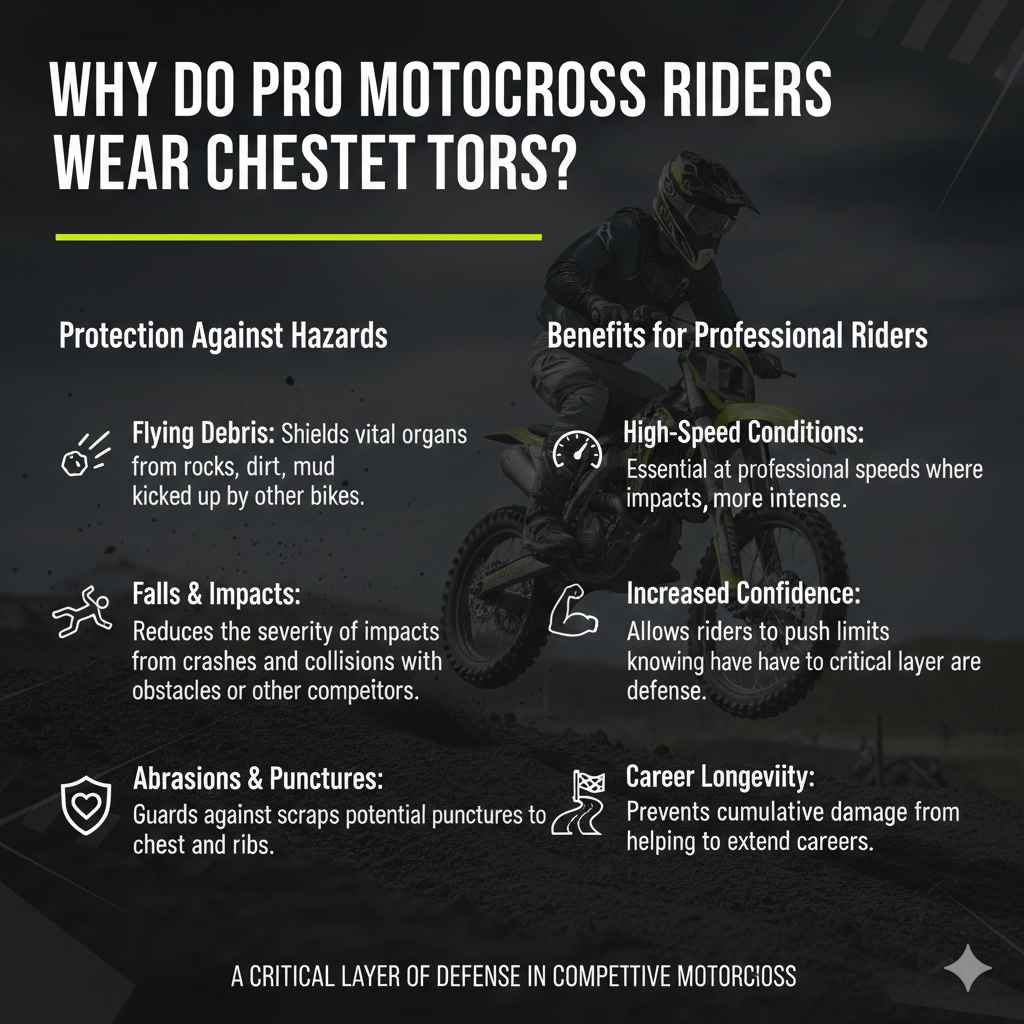
In motocross, riders are exposed to numerous hazards such as flying debris, falls, and direct impacts from other competitors or obstacles. A chest protector, also known as a roost deflector or armor, provides a critical layer of defense against these dangers. It shields the rider’s vital organs—from the chest to the ribs—from impacts, abrasions, and punctures that could otherwise result in serious injuries.
Professional riders often face more intense conditions because of their high speeds and the aggressive nature of competitive racing. Consequently, chest protectors become invaluable in reducing the severity of injuries sustained during crashes or collisions. Wearing them not only increases a rider’s confidence but also extends their career longevity by preventing cumulative damage.
Types of Chest Protectors Worn by Pro Riders
Not all chest protectors are created equal. Pro motocross riders typically opt for advanced models that balance protection, comfort, and mobility. The main types include:
– Plastic Roost Guards: These are lightweight and ventilated, designed primarily to deflect flying dirt and rocks (roost). They cover the chest and back and are relatively flexible.
– Hard Plastic Armor: These offer a higher level of protection with rigid plates that guard the chest, ribs, and sometimes shoulders. They are bulkier but provide excellent impact resistance.
– Soft Foam Padding with Reinforced Plates: Combining comfort with protection, these are made from shock-absorbing materials layered with hard plates in critical areas.
Most professional riders customize their chest protectors according to individual needs, racing conditions, and personal preferences. Ventilation and weight are key factors, as overheating or restriction can negatively affect performance.
The Evolution of Chest Protectors in Motocross
The history of chest protection in motocross is a testament to the sport’s growing priority on safety. Early motocross riders often wore minimal protective gear, leaving many vulnerable to injuries. As speeds increased and races became more competitive, manufacturers invested heavily in developing gear that offered enhanced protection without compromising mobility.
Modern chest protectors now integrate advanced materials such as Kevlar, carbon fiber, and impact-resistant plastics. Many designs are designed to be modular, allowing riders to add or remove components depending on the level of risk anticipated during a race. There are also numerous improvements in ventilation and ergonomic design, reducing heat buildup while allowing full range of motion.
Other Critical Safety Gear Worn by Professional Motocross Riders
While the chest protector is undeniably important, it is only one piece of a much larger safety puzzle. Pro riders typically wear a full suite of protective equipment, including:
– Helmets: The most critical piece of gear, helmets protect the head from traumatic injuries. Modern motocross helmets come with impact-absorbing liners and reinforced shells.
– Neck Braces: These devices help reduce the risk of neck injuries by limiting extreme head movement during crashes.
– Knee Braces and Pads: These protect joints from hyperextension, impacts, and abrasions, essential for the extreme motion involved in racing.
– Gloves and Boots: Designed to protect hands and feet from injury, provide grip, and reduce the risk of fractures.
Together, this gear offers a comprehensive safety net that allows riders to push their limits without sacrificing protection.
Common Misconceptions About Chest Protectors
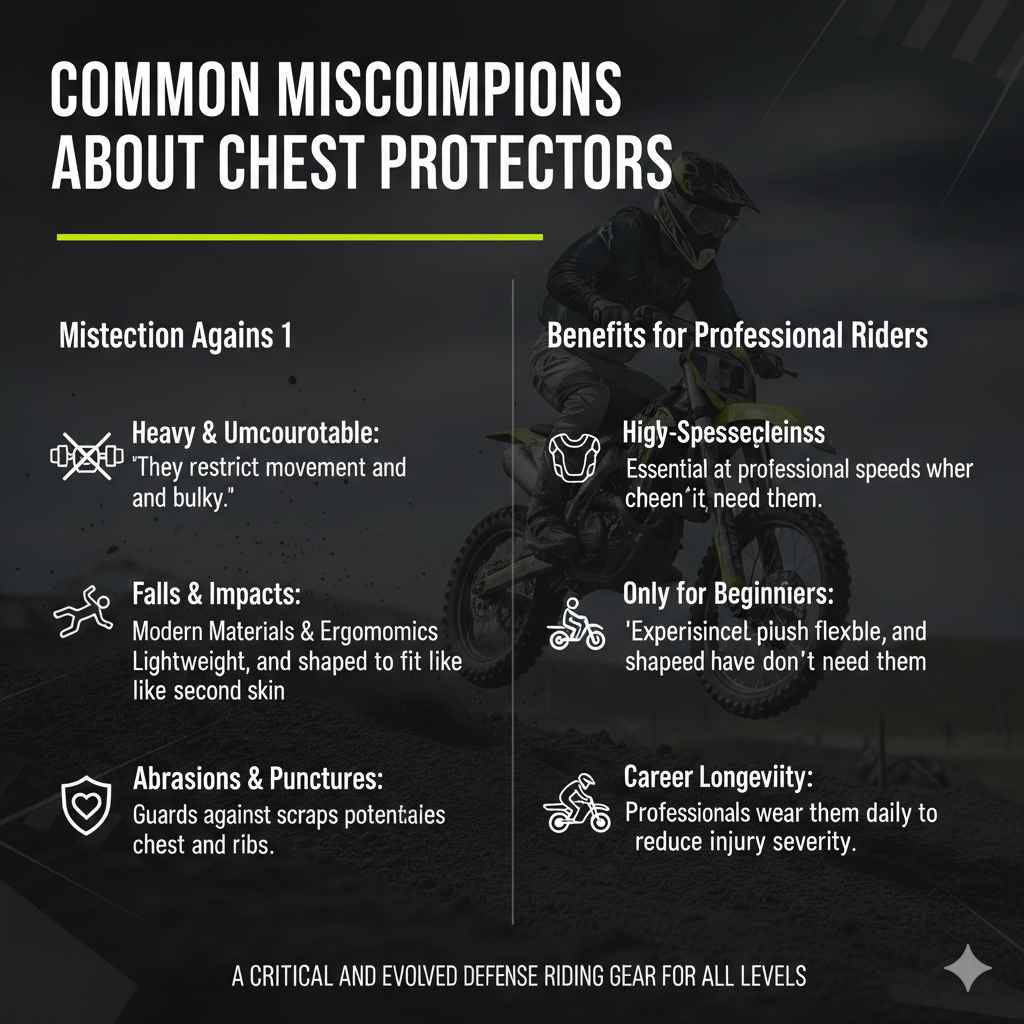
One misconception is that chest protectors are heavy and uncomfortable, which might discourage riders from wearing them regularly. However, thanks to modern materials and thoughtful design, today’s models are lightweight and ergonomically shaped to fit like a second skin.
Another myth is that chest protectors are only necessary for beginners or less experienced riders. In reality, professionals understand the value of proactive injury prevention and incorporate chest protectors into their daily race gear lineup.
Conclusion: The Vital Role of Chest Protectors in Pro Motocross
So, do pro motocross riders wear chest protectors? Absolutely. Their role in preventing serious injuries and enabling riders to perform at their best cannot be overstated. Chest protectors have come a long way from bulky, uncomfortable shields to sleek, highly engineered pieces of armor designed with rider safety front and center.
For anyone involved in motocross—whether you’re an amateur, a fan, or a professional—understanding the significance of wearing chest protection is key. It’s a stunning safety fact that reinforces how seriously the sport takes rider protection, ensuring that the thrills of motocross can be enjoyed with confidence and security.